
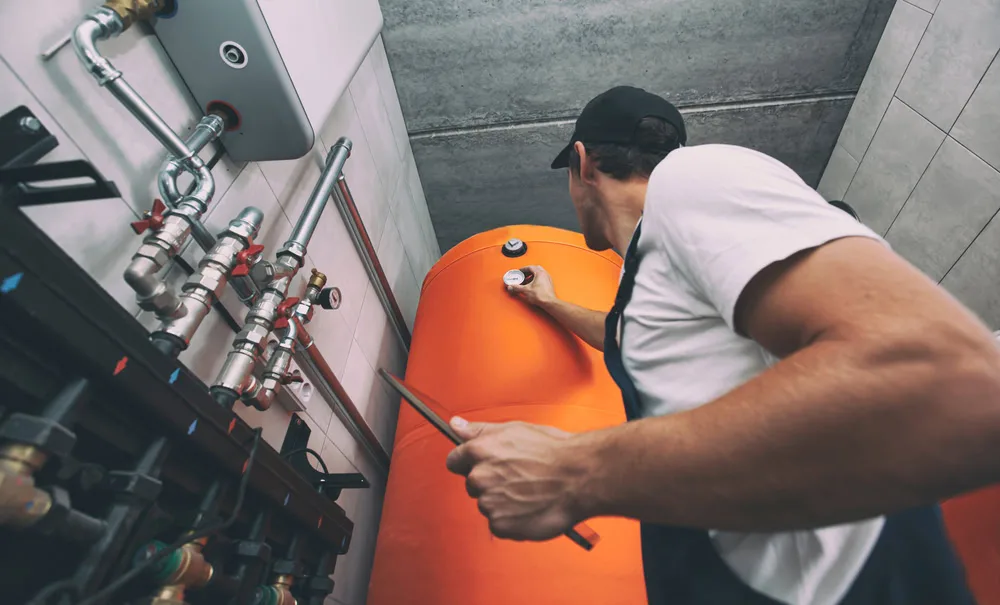
You’re not calling because you want a boiler lesson. You’re calling because it’s cold, or the pressure’s off, or something’s leaking and you need it handled.
Here’s what happens after we fix it. Your house stays warm when the temperature drops. Your morning routine doesn’t involve layers and space heaters. You stop worrying every time you hear a weird noise from the basement.
A working boiler doesn’t announce itself. It just runs. Quietly. Consistently. That’s what you’re paying for—reliability you forget about until next winter. We carry the parts that fail most often on Long Island systems, which means about 80% of repairs get done on the first visit. You’re not waiting days for an order to come in while your family bundles up indoors.
We’ve been working on heating systems across Nassau County for nearly two decades. We’re not a national franchise with rotating techs. We’re local, and we know what breaks on Long Island boilers because we’ve fixed thousands of them.
East Massapequa homes were mostly built in the 1950s and 60s. That means older heating systems, cast iron radiators, and boilers that have seen a lot of winters. Salt air from the coast speeds up corrosion. Temperature swings stress the components. These aren’t generic problems—they’re specific to where you live.
We don’t upsell you on replacements when a repair will do the job. If your system’s truly done, we’ll tell you straight. But if it’s fixable, we fix it and get out of your way.
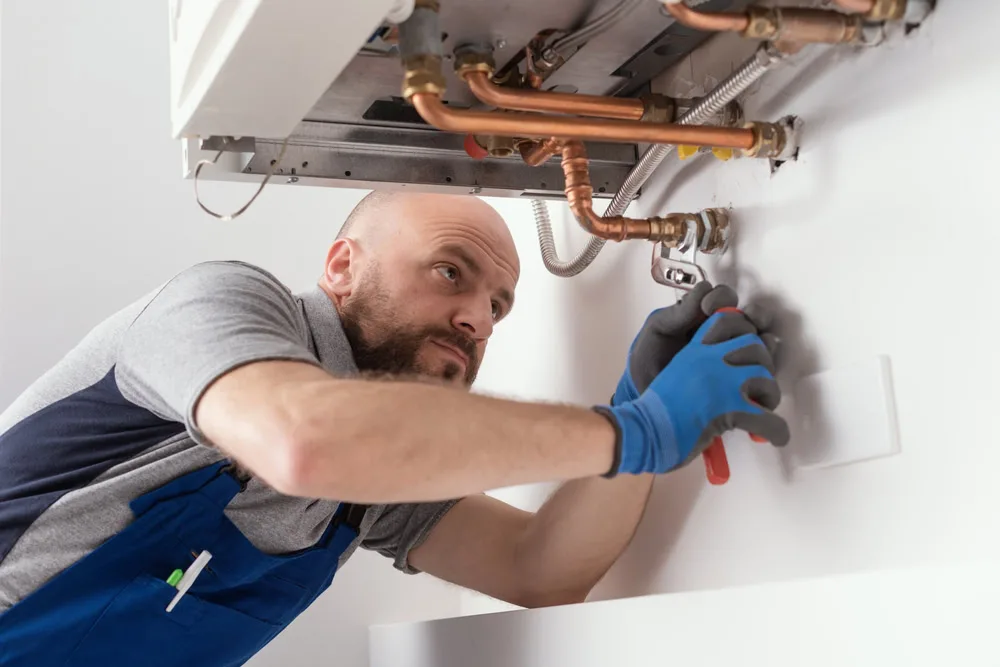
First, you call or contact us and describe what’s going on. No heat? Strange noises? Leaking water? We ask a few questions to understand the issue and schedule a time that works for you—often same-day if it’s urgent.
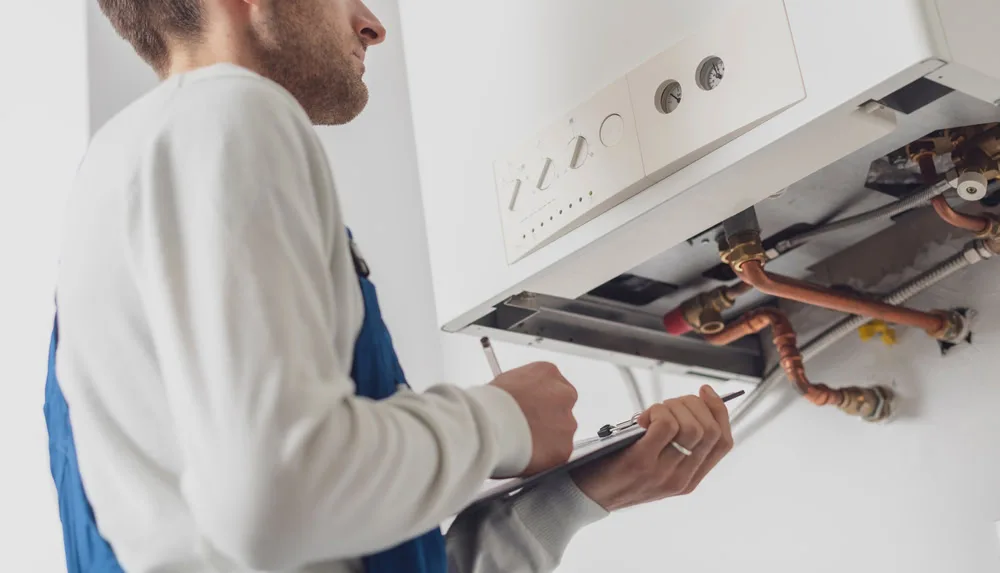
When our licensed boiler repair technician arrives, they’ll inspect your system to diagnose the problem. This includes checking the pressure, testing the thermostat, examining the heat exchanger, and looking at the ignition system. Most issues fall into a handful of categories: faulty pressure relief valves, circulator pump failures, thermostat problems, or ignition issues.
Once we identify the problem, we give you an upfront price before any work starts. No surprises after the fact. If you approve, we make the repair right then—most of the time using parts we already have on the truck. After the repair, we test the system to make sure it’s running properly, check for any safety issues like carbon monoxide leaks, and walk you through what we did. You’re back to having heat, usually within a couple hours of us arriving.
Ready to get started?
Every boiler repair service in East Massapequa includes a full system diagnostic, not just a patch job on the obvious problem. We check the entire heating system because one failing part often stresses others.
You get a safety inspection as part of the service. That means carbon monoxide testing, flue pipe inspection, and combustion analysis. Gas boilers can develop dangerous leaks, and we’re not leaving your home until we know it’s safe. This isn’t an upsell—it’s standard.
We also explain what failed and why. If your pressure relief valve blew because the system’s running too hot, that’s a sign of a deeper issue. If your circulator pump died after 15 years, that’s just normal wear. You’ll know the difference, and you’ll know whether this is a one-time fix or a sign your boiler’s nearing the end.
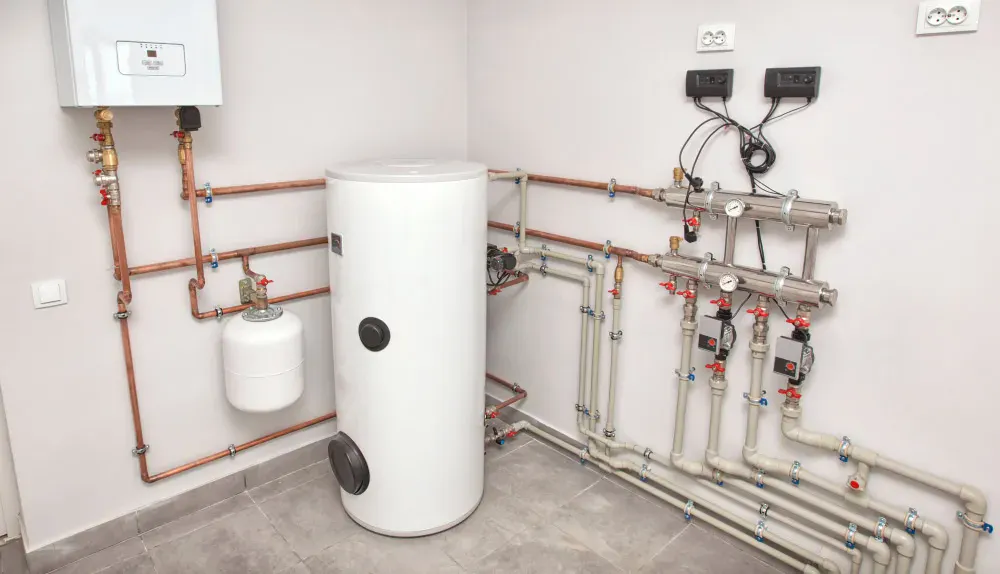
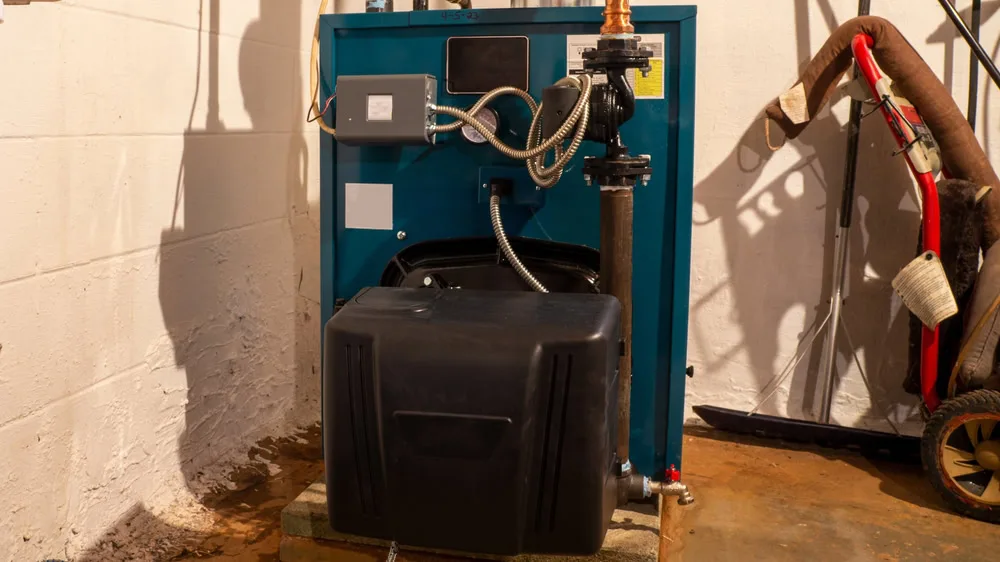
East Massapequa’s housing stock is older, and many homes still run on oil or gas boilers installed decades ago. We work on all of them. Whether it’s a hot water boiler heating your radiators or a steam system, we’ve seen it and fixed it. The coastal climate here accelerates wear on metal components, so we pay extra attention to corrosion and salt damage during every repair.
Most boiler repairs in East Massapequa run between $300 and $800 depending on what’s broken and whether it’s an emergency call. A straightforward fix like replacing a pressure relief valve or thermostat usually falls on the lower end. More involved repairs—like a failed circulator pump or ignition system—cost more because of the parts and labor involved.
Emergency calls during nights, weekends, or holidays cost more than scheduled service. That’s true across the board. If you’re calling at 2 a.m. because your heat’s out, expect to pay a premium for immediate response. But if you catch the problem early and schedule a regular service call, you’ll save 40-60% compared to emergency rates.
We give you the price before we start the work. You’ll know exactly what it costs, and you decide whether to move forward. No hidden fees, no surprise charges after we’re done.
Most boiler repairs get done in two to four hours, start to finish. That includes diagnosing the problem, making the repair, and testing the system to make sure it’s working properly.
Simple fixes—like a bad thermostat or a tripped safety switch—can take less than an hour. More complex issues, like replacing a circulator pump or repairing a leaking heat exchanger, take longer. If we need to drain the system or work on internal components, plan on the longer end of that range.
About 80% of the time, we complete the repair on the first visit because we stock common parts on our trucks. If your boiler has an unusual failure or needs a specialty part, we’ll tell you upfront and get it ordered. But that’s the exception, not the rule. Most East Massapequa homes have standard boiler systems we see all the time, and we come prepared for the common failures.
If your boiler is under 15 years old and the repair costs less than a third of a replacement, fix it. If it’s over 20 years old and you’re calling for repairs twice a winter, replacement makes more sense.
Here’s the math. A new boiler costs between $4,000 and $8,000 installed, depending on the system and your home’s setup. If you’re spending $1,200 a year keeping an old boiler limping along, you’ll break even on a replacement in four to five years—and you’ll have lower energy bills and fewer headaches in the meantime.
We’re not going to push you toward a replacement if a repair will give you another five solid years. But we’re also not going to sell you a $700 repair on a 25-year-old boiler that’s going to fail again next month. We’ll give you an honest assessment based on the system’s age, condition, and how much life it has left. Then you decide what makes sense for your situation and budget.
Pressure relief valve failures, circulator pump breakdowns, and thermostat issues account for most of the boiler repair calls we get in East Massapequa. These are the parts that work hardest and wear out first.
Pressure relief valves fail when the system runs too hot or builds up too much pressure. You’ll see water leaking from the valve or notice the pressure gauge reading too high. This is a safety issue, and it needs to get fixed right away. A replacement valve costs $150-$200 during regular service, but the same repair during an emergency weekend call can run over $600.
Circulator pumps move hot water through your radiators or baseboard heaters. When they fail, the boiler runs but the heat doesn’t reach the rest of your house. You’ll hear the boiler fire up, but the rooms stay cold. Pumps usually last 10-15 years before they need replacement. Thermostat problems are often the simplest fix—sometimes it’s just a wiring issue or dead batteries—but they can mimic more serious problems, which is why proper diagnosis matters.
Yes. We’re available 24/7 for emergency boiler repair in East Massapequa, including nights, weekends, and holidays. When your heat goes out in the middle of a January cold snap, you can’t wait until Monday morning.
Emergency calls cost more than scheduled service because you’re paying for immediate availability and after-hours response. But when it’s 20 degrees outside and your house is getting colder by the hour, the premium is worth it. We’ll get someone to your home as quickly as possible, usually within a few hours of your call.
Most emergency repairs get completed the same visit. We stock our trucks with the parts that fail most often, so we’re not showing up just to tell you we need to order something. If it’s fixable that night, we fix it. If it’s not, we’ll at least get your system stabilized and schedule a follow-up as soon as possible. You won’t be left without heat for days.
Annual maintenance catches most problems before they turn into expensive emergency repairs. Schedule a boiler inspection every fall before heating season starts, ideally in September or October before the first cold snap hits.
During a maintenance visit, we clean the heat exchanger, test the pressure relief valve, check the circulator pump, inspect the flue pipe, and run a combustion analysis to make sure the system’s burning efficiently. These checks catch small issues—like a valve that’s starting to leak or a pump that’s wearing out—before they fail completely and leave you without heat.
Maintenance costs $150-$250 depending on the system, but it typically saves you money over time. A clean, well-maintained boiler runs 10-15% more efficiently, which lowers your heating bills. And catching a $200 repair during routine service beats paying $600-$800 for the same fix during a weekend emergency. East Massapequa’s coastal location means salt air accelerates corrosion on boiler components, so regular inspections matter even more here than in other areas.