
You’re not just getting your boiler fixed. You’re getting your house warm again without waiting days for a callback or paying triple because it’s a weekend.
A working boiler means your family stays comfortable, your pipes don’t freeze, and you’re not scrambling to find space heaters or a hotel room. It means one less thing to worry about when the temperature drops and the forecast says snow.
When we finish a boiler repair service in Franklin Square, your system runs quietly, heats evenly, and doesn’t spike your energy bill. You’ll know what was wrong, what we fixed, and what to watch for. No surprises on the invoice, no return trips because the job wasn’t done right the first time.
We’ve been keeping Franklin Square homes warm through every winter storm Nassau County throws at us. We know the housing stock here—the older systems in owner-occupied homes, the mix of gas and hot water boilers, the way Long Island weather tests heating equipment.
Our licensed boiler repair technicians in Franklin Square stock their trucks with parts for the brands you actually have in your basement. We’re not learning on your dime or making you wait three days for a part to ship.
When you call, you’re talking to people who live and work in this community. We’ve seen what happens when boilers aren’t maintained, and we’ve pulled families out of cold houses at 2 AM. That’s why we show up ready to work and explain everything in plain terms.
First, you call and talk to a real person who asks the right questions—when did it stop working, what sounds is it making, is there heat at all. We give you a realistic timeframe and send a licensed technician who’s fixed this exact problem before.
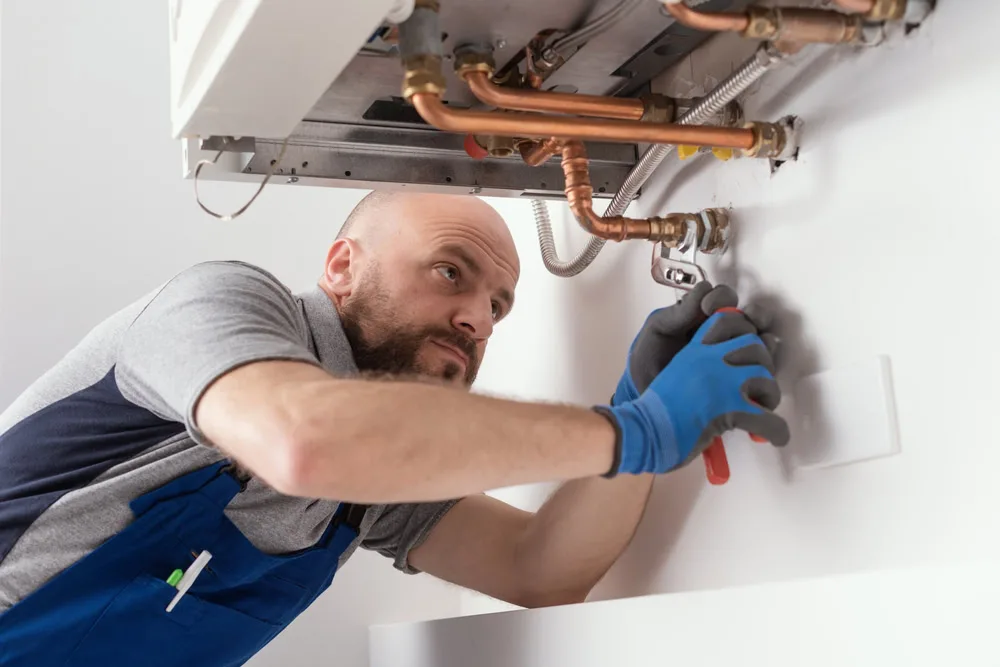
When we arrive, we diagnose the issue first. That means checking your thermostat, inspecting the boiler itself, testing the ignition system, and looking at water pressure and circulation. Most problems fall into a handful of categories: faulty thermostats, pilot light issues, pump failures, or low water levels.
Once we know what’s wrong, we explain it and give you a boiler repair estimate in Franklin Square before we do the work. No hidden fees, no upselling you on things you don’t need. If we have the part, we fix it that day. If we don’t, we’ll tell you how long it’ll take and what your options are. After the repair, we test the system, make sure it’s heating properly, and walk you through what we did.
Ready to get started?
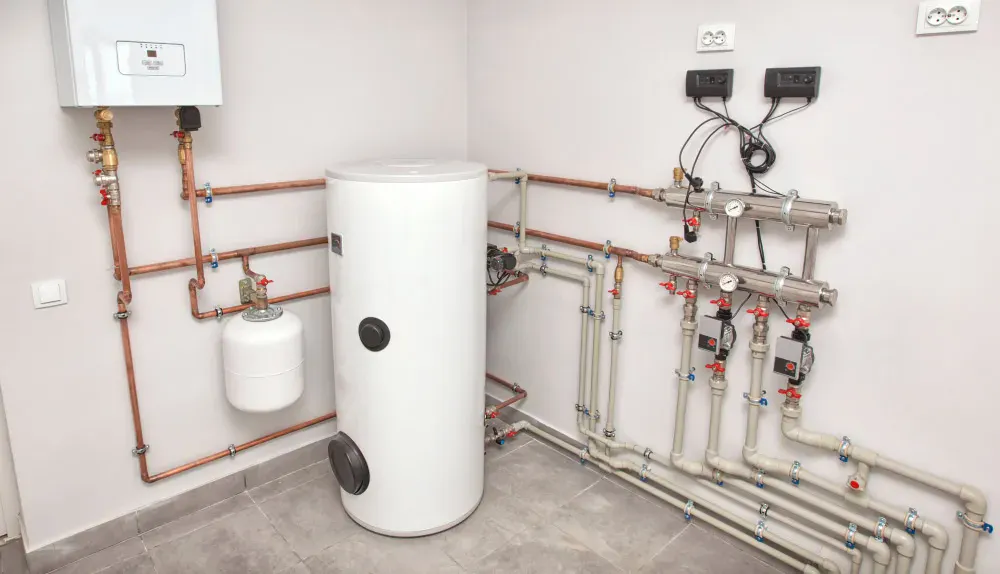
A proper boiler repair service in Franklin Square covers the full system—not just the obvious broken part. We check the heat exchanger, burner assembly, circulator pump, expansion tank, pressure relief valve, and all safety controls. If you’ve got a gas boiler, we test for leaks and check combustion efficiency. For hot water boilers, we inspect the zone valves and make sure water’s flowing where it should.
Franklin Square homes deal with hard water, which causes sediment buildup and shortens boiler life. We flush the system when needed and recommend maintenance schedules that actually prevent breakdowns instead of just reacting to them. Long Island winters are hard on heating systems, and the homes here—many built decades ago—weren’t designed for today’s efficiency standards.
We also look at your energy bills. A boiler that’s working but inefficient will cost you an extra $50 to $100 every month in wasted fuel. Fixing that during a repair visit means the service pays for itself faster than you’d think. You’ll also get a realistic assessment of whether your boiler has another five years in it or if you’re throwing money at a system that’s ready to quit.
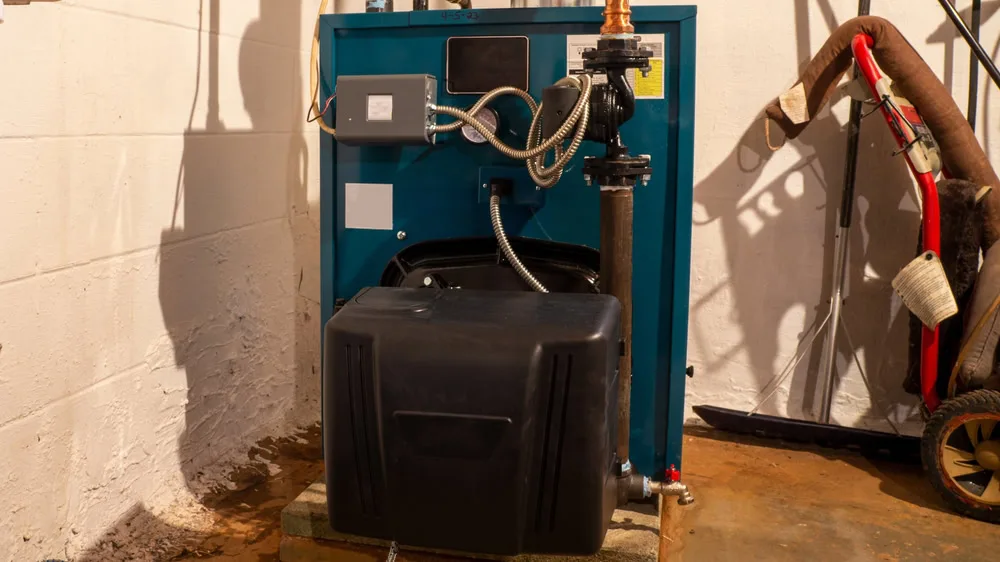
Emergency boiler repair in Franklin Square typically costs between $400 and $800 depending on the problem, the time of day, and what parts are needed. A service call after hours or on a weekend costs more than a scheduled weekday appointment—usually 1.5 to 2 times the standard rate.
The biggest cost driver is the part itself. A circulator pump runs $200 to $400 installed. A gas valve might be $300 to $500. A heat exchanger repair can push $1,000 or more because of the labor involved. Thermostat issues are cheaper, often under $300 total.
Here’s the thing: emergency repairs cost more than scheduled maintenance. If you’re calling because your heat went out at 10 PM in January, you’re paying for availability and speed. That’s why we recommend annual tune-ups in the fall—they catch the small stuff before it becomes an expensive middle-of-the-night problem.
Most residential boiler repairs in Franklin Square take between one and three hours once we arrive and diagnose the issue. Simple fixes like resetting the system, replacing a thermostat, or relighting a pilot light can be done in under an hour.
More involved repairs—replacing a circulator pump, fixing a zone valve, or addressing a pressure issue—usually take two to three hours. If we need to order a part, the timeline extends, but we’ll get your heat back on temporarily if possible while we wait for the right component to arrive.
The diagnosis itself takes 20 to 45 minutes. We’re not rushing through it because misdiagnosing the problem just means we’re back at your house the next day fixing what we should’ve caught the first time. Once we know what’s wrong and have the part on the truck, the actual repair moves quickly.
The most common issue we see is low water pressure, which causes the boiler to shut down as a safety measure. This happens when there’s a leak somewhere in the system, when the pressure relief valve is faulty, or when the automatic fill valve isn’t working. It’s a quick fix once we locate the cause.
Pilot light and ignition problems are next. If your pilot won’t stay lit, it’s usually the thermocouple. If the burner won’t ignite, we’re looking at the ignition system or gas supply. These repairs are straightforward but need a licensed technician because you’re dealing with gas.
Circulator pump failures are also frequent, especially in older systems. The pump moves hot water through your radiators or baseboards, and when it quits, you’ll have a boiler that’s running but not heating the house. Sediment buildup accelerates pump wear, which is why flushing the system during maintenance matters. Franklin Square’s water quality makes this more common than in other areas.
If your boiler is under 10 years old and the repair costs less than a third of what a new system would cost, repair it. If it’s over 15 years old and you’re looking at a major repair—heat exchanger, multiple components, or recurring issues—replacement makes more sense financially.
Here’s the math: a new boiler installation in Franklin Square runs $8,000 to $15,000 depending on the system size and type. If your current boiler needs a $3,000 repair and it’s already 18 years old, you’re putting serious money into a system that’s near the end of its lifespan anyway. You’ll likely face another expensive repair within a year or two.
Energy efficiency also matters. Older boilers run at 70% to 80% efficiency, meaning you’re wasting 20% to 30% of your heating costs. A new high-efficiency boiler operates at 90% to 95%, which can cut your heating bills by $500 to $800 annually. Over the system’s life, that savings offsets the replacement cost. We’ll give you an honest assessment based on your specific situation—not a sales pitch.
Yes. When your heat goes out at 2 AM in the middle of a snowstorm, you’re not getting voicemail. We answer the phone and dispatch a technician who’s ready to work, not someone who’s going to show up, look around, and tell you they’ll come back tomorrow with parts.
Our trucks are stocked with the most common boiler parts for the systems we see throughout Franklin Square and Nassau County. That means we can complete most emergency repairs on the first visit, even in the middle of the night. If we don’t have the part, we’ll get your system running temporarily and return with what’s needed as soon as suppliers open.
Emergency service costs more than a scheduled appointment—that’s standard across the industry. But you’re paying for the fact that we’re available when you actually need us, not just during business hours when it’s convenient. We’ve done over 200 emergency boiler repairs across Long Island in a single winter, so we’ve seen it all and we know how to fix it fast.
Once a year, ideally in early fall before you turn the heat on for the season. Annual maintenance catches small issues before they become expensive repairs and keeps your system running efficiently through the winter when you’re using it every day.
During a maintenance visit, we clean the burner and heat exchanger, check all safety controls, test the ignition system, inspect the flue pipe, flush sediment from the system, and verify that water pressure and circulation are correct. We also measure combustion efficiency and look for carbon monoxide leaks. This takes about an hour and costs $150 to $200—a fraction of what you’d pay for an emergency repair.
Skipping maintenance drops your boiler’s efficiency by 5% to 10% each year, which adds up to higher heating bills and a shorter system lifespan. A well-maintained boiler lasts 15 to 20 years. A neglected one quits at 10 to 12 years and costs more to run the entire time. Franklin Square’s winters are too cold to gamble on whether your boiler will make it through the season.