
When your boiler quits in the middle of a Long Island winter, you don’t need a sales pitch. You need someone who picks up the phone, shows up when they say they will, and knows what they’re doing.
That’s what you get with us. We handle gas boiler repair, oil boiler systems, and hot water boiler issues across Matinecock, NY—homes built in the ’50s and ’60s that need someone who understands older equipment, not just newer installs.
You’ll know the cost before we start. The work gets done right the first time. And if it’s an emergency, we’re available 24/7, because frozen pipes and no heat don’t wait for business hours.
We’ve been doing this for over 30 years. Family-owned, locally operated, and fully licensed and insured. That means you’re not getting a call center or a contractor who disappears after the check clears.
Matinecock has some of the oldest, most valuable homes on Long Island. Many were built in the 1950s, and those boilers have seen a lot of winters. We’ve worked on nearly every system type in this area, so we know what fails, why it fails, and how to fix it without replacing parts you don’t need.
You’ll work with the same team from estimate to completion. We explain what’s broken, what it costs, and what your options are. No pressure, no upsells—just straight answers.
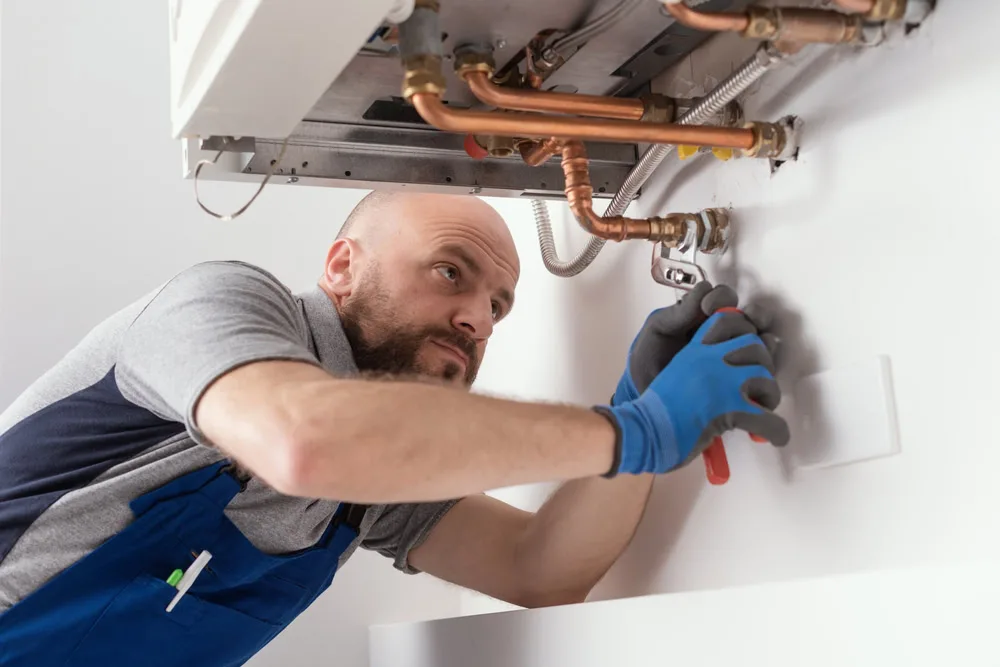
First, we pick up. You’ll talk to a real person who understands boiler systems and can often troubleshoot over the phone. If it’s something simple, we’ll walk you through it. If not, we schedule a visit—same day if it’s urgent.
When we arrive, we diagnose the issue and give you a clear boiler repair estimate before any work begins. Most repairs in Matinecock fall between $150 and $600 depending on the part and complexity. If it’s a quick fix, you’ll have heat back within the hour. If it requires ordering a part, we’ll let you know the timeline upfront.
Once the repair is done, we test the system to make sure it’s running safely and efficiently. You’ll get a breakdown of what we did, and we’ll flag anything else that might need attention down the road. No surprises, no hidden fees.
Ready to get started?
Every service call includes a full system diagnostic, not just a patch job. We check the burner, heat exchanger, circulator pump, pressure levels, and safety controls. If your boiler is shutting down because of a frozen condensate pipe—common during Long Island cold snaps—we’ll thaw it and insulate it so it doesn’t happen again.
For homes in Matinecock, where the median build year is 1956, we also inspect for corrosion, especially if you’re near the coast where salt air accelerates wear. Older systems often need minor adjustments that prevent bigger failures later, and we’ll point those out without pushing you into unnecessary replacements.
You’ll also get honest advice on whether a repair makes sense or if you’re better off upgrading. With energy costs what they are, a boiler running below 80% efficiency can cost you hundreds extra each winter. We’ll give you the numbers so you can decide what’s right for your home and budget.
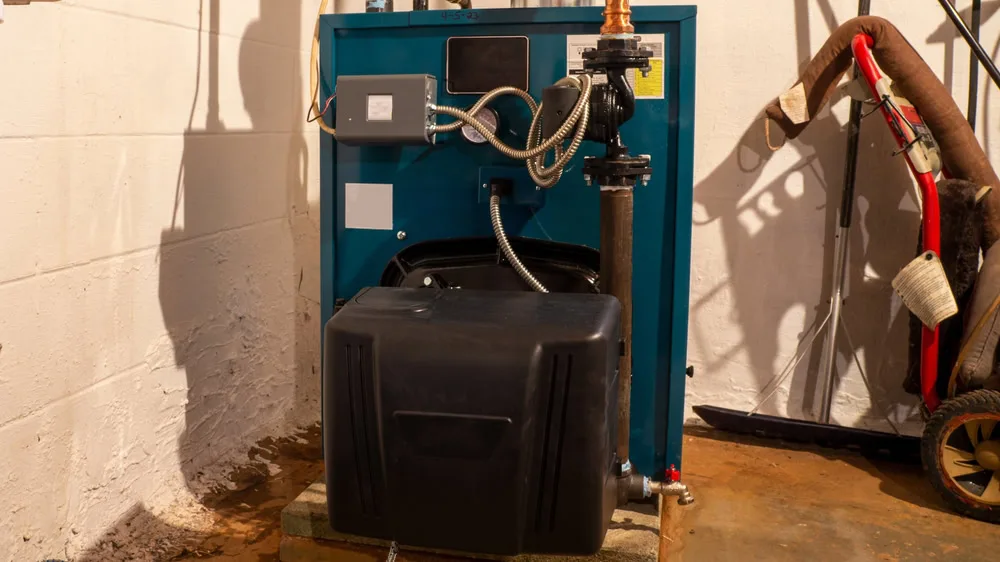
Most boiler repairs in Matinecock run between $150 and $600, depending on what’s broken. A simple fix like a faulty thermostat or pressure valve is on the lower end. Replacing a circulator pump or repairing a cracked heat exchanger costs more.
We give you the estimate before we start, so there’s no guessing. If the repair is going to cost more than half the price of a new system, we’ll tell you that too. Some older boilers aren’t worth fixing, especially if they’re under 80% efficient and costing you extra every month in energy bills.
Labor, parts, and any emergency service fees are all included in the quote. No hidden charges, no “we found something else” after we’re already there. You’ll know exactly what you’re paying and why.
Frozen condensate pipes are the big one. When temperatures drop into the teens or lower, the pipe that drains condensation from your boiler can freeze solid, causing the system to shut down. It’s a quick fix if caught early, but it can cause bigger issues if ignored.
Corrosion is another common problem, especially in homes near the water. Salt air speeds up rust on boiler components, and if your system is 20+ years old, you’re more likely to see leaks or failing valves. Older cast iron boilers also develop sediment buildup, which reduces efficiency and can cause the system to overheat or cycle on and off.
Pressure issues are frequent too. If your boiler is losing pressure, it’s usually a sign of a small leak, a faulty expansion tank, or air trapped in the lines. All of these are fixable, but they need a trained eye to diagnose correctly.
Yes. If you call before noon and it’s not a major part replacement, we can usually get to you the same day. Emergency calls get priority, especially during cold snaps when no heat means frozen pipes and potential water damage.
We keep common parts on the truck—igniters, thermocouples, pressure valves, and circulator pumps—so most repairs don’t require a second trip. If we need to order something, we’ll give you a realistic timeline and, if possible, get your system running temporarily until the part arrives.
During peak winter months, same-day availability can tighten up, but we’ll always be straight with you about timing. If we can’t make it same day, we’ll get you on the schedule for first thing the next morning.
If your boiler is under 15 years old and the repair costs less than $1,000, fixing it usually makes sense. If it’s over 20 years old, running inefficiently, and needing frequent repairs, replacement is often the smarter move.
Here’s the math: older boilers run at 70-80% efficiency, meaning 20-30% of your fuel is wasted. A new high-efficiency system runs at 90-95%, which can cut your heating bills by $300-$500 per year. If you’re spending $400-$500 annually on repairs for an aging system, you’re better off putting that money toward a new install.
We’ll walk you through both options with real numbers based on your home and usage. No pressure either way—we just want you to make the call that saves you the most money and headache long-term.
Yes. Every technician on our team is fully licensed and insured, which matters more than most people realize. Boiler work involves gas lines, high-pressure water, and combustion systems—if something goes wrong, you want someone who’s trained, certified, and covered.
We carry full liability insurance, so if there’s ever an issue during a repair, you’re protected. We also pull permits when required by Matinecock code, especially for boiler replacements or major system work. That keeps everything above board and ensures your home stays compliant with local regulations.
You’ll never get an unlicensed subcontractor or a “helper” showing up alone. The person diagnosing and repairing your boiler has the credentials and experience to do it safely and correctly.
Once a year, ideally in the fall before heating season starts. Annual maintenance catches small issues before they become expensive emergency repairs, and it keeps your system running efficiently so you’re not burning extra fuel all winter.
During a tune-up, we clean the burner, check the heat exchanger for cracks, test safety controls, inspect the flue, and measure combustion efficiency. We also bleed the lines if you have a hot water system, because trapped air reduces heat output and makes your boiler work harder.
For homes in Matinecock with older systems, maintenance is even more important. A 20-year-old boiler that’s been serviced regularly will outlast a 10-year-old system that’s been ignored. It’s a small upfront cost that saves you from middle-of-winter breakdowns and keeps your energy bills in check.