

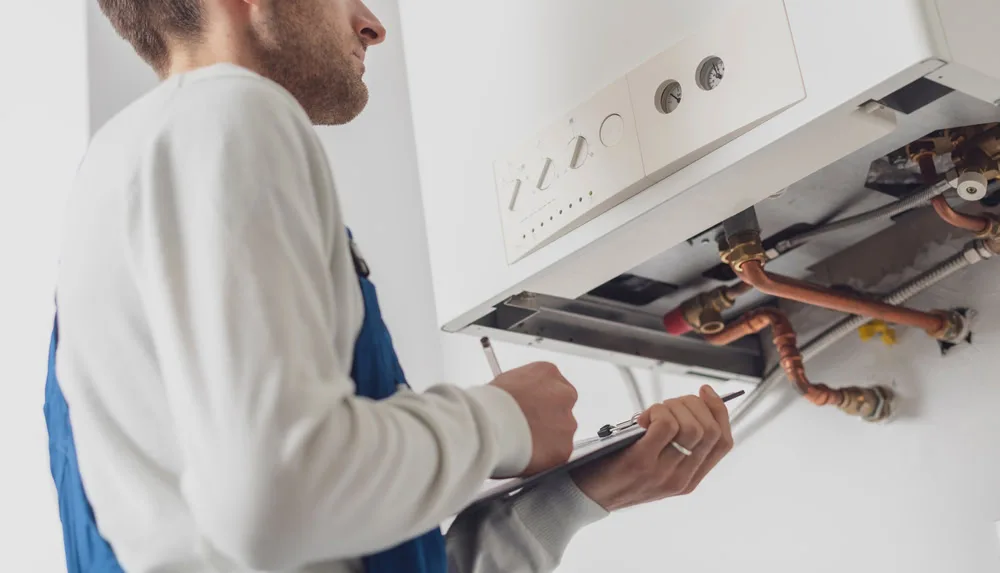
You’re not sitting in a 50-degree house waiting for someone to call you back. Your family’s comfortable, your pipes aren’t at risk, and you’re not burning through emergency service fees because someone actually showed up when they said they would.
That’s what happens when you call a local boiler repair company in Mill Neck, NY that’s been doing this for over 30 years. We know the systems in these homes—many built in the 1950s or earlier during the Gold Coast era. We know what breaks, why it breaks, and how to fix it right the first time.
You get a technician who diagnoses the actual problem, not someone guessing or selling you a new system when you need a $300 repair. You get transparent pricing before work starts. And you get heat restored fast, because we carry the parts these older systems need.
Excellent Air Conditioning and Heating Service has been serving Mill Neck and Nassau County since 2005, with over 30 years of combined experience in residential boiler repair. We’re a family-operated business, which means you’re not getting a different technician every time or dealing with a call center three states away.
We’ve worked on everything from modern gas boiler systems to older oil-fired units in historic Mill Neck estates. The coastal environment here—salt air, temperature swings, hard water—creates specific challenges that out-of-town companies don’t always understand. We do, because we’ve been fixing these systems through every brutal Nassau County winter for decades.
Our technicians are licensed and insured. We don’t send salespeople to your door. We show up, diagnose the problem, give you a clear price, and fix it.
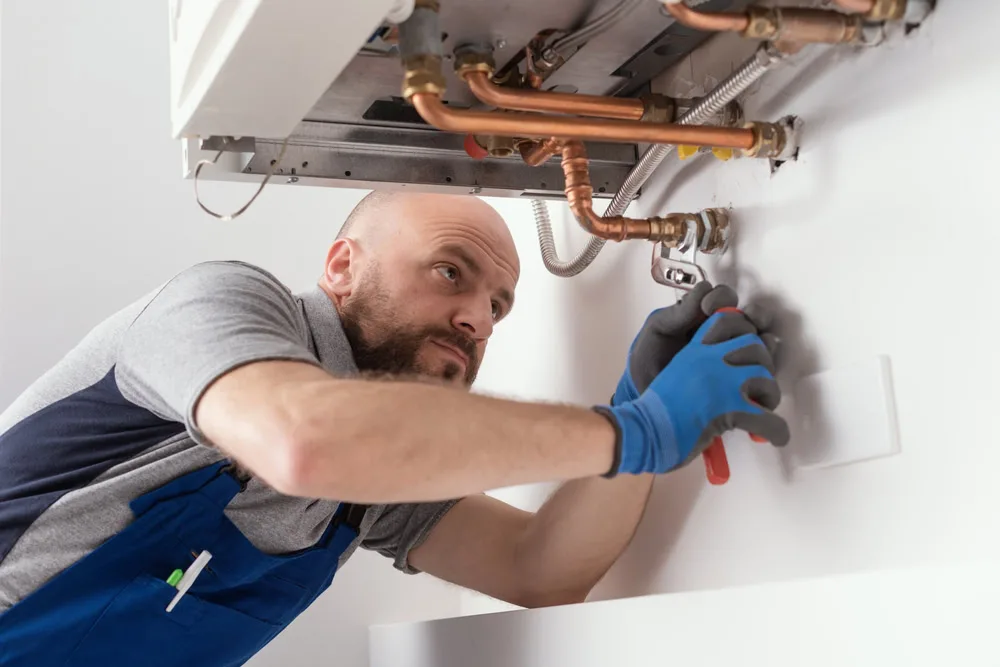
First, we actually answer the phone. You talk to someone local who can get a technician to your Mill Neck home fast—within two hours for emergencies, even when it’s 20 degrees outside.
When our technician arrives, they’ll inspect your boiler system completely. That means checking gas pressure and valve operation on gas boilers, or fuel delivery and combustion efficiency on oil systems. We’re looking at the heat exchanger, circulator pumps, pressure valves, ignition components—everything that could cause your heat to fail.
Once we find the issue, we explain it in plain terms and give you an exact price before touching anything. No surprise charges. If you approve, we fix it on the spot in most cases, because we stock common parts for the boiler brands used throughout Nassau County.
Before we leave, we test the system thoroughly to make sure it’s heating correctly and operating safely. You get a warranty on the work, and you get our number for anything that comes up later.
Ready to get started?
When you hire us for boiler repair service in Mill Neck, NY, you’re getting a complete diagnostic, not a guess. That matters because boilers fail for dozens of reasons—a faulty pressure valve, a clogged heat exchanger from mineral deposits, a failing circulator pump, ignition problems, or corrosion from Nassau County’s coastal environment.
Most repairs run between $200 and $600 depending on the issue. A simple pressure valve replacement or thermostat fix sits on the lower end. Circulator pump replacement or heat exchanger cleaning costs more. Emergency calls outside business hours carry additional fees, which we’ll tell you about upfront.
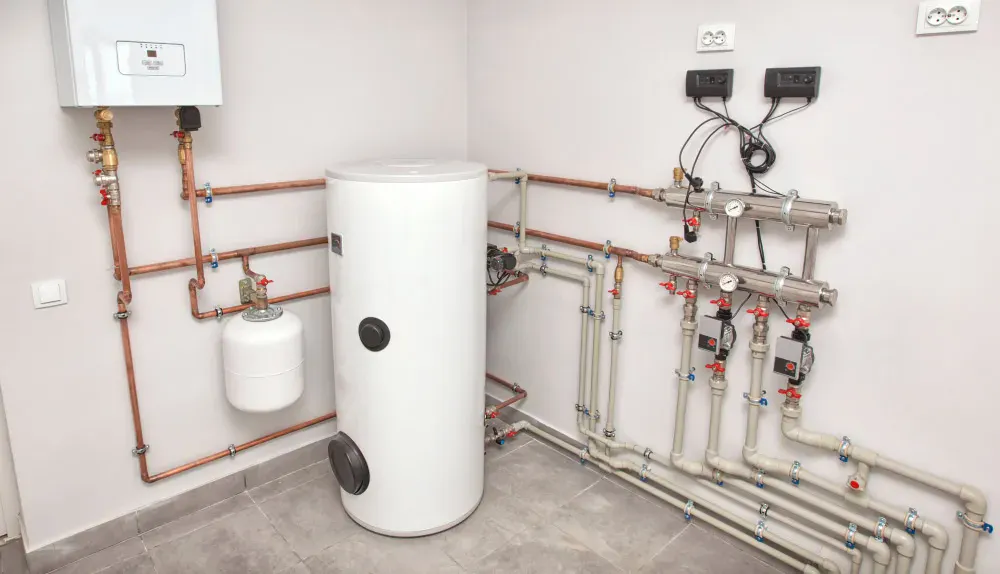
You’re also getting someone who knows how to work on both gas boiler repair systems and hot water boiler repair systems common in Mill Neck homes. The diagnostic approach is different for each. Gas systems need pressure testing and valve inspection. Oil systems need combustion analysis and fuel delivery checks.
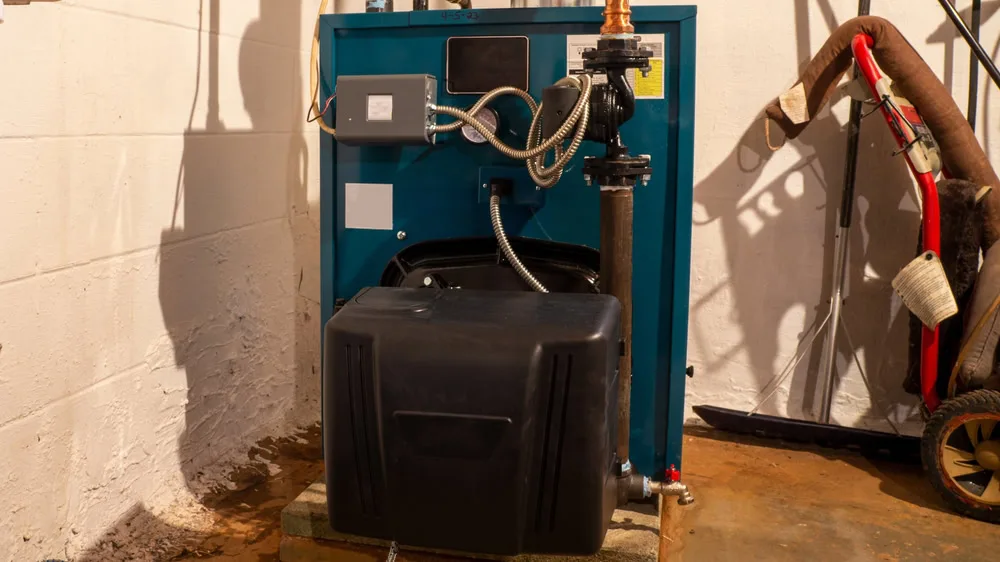
And because so many Mill Neck properties are historic estates with older heating systems, we’re experienced with equipment that newer companies haven’t seen before. We know how to source parts for systems that aren’t made anymore.
Most residential boiler repair in Mill Neck, NY runs between $200 and $600, but the real answer depends entirely on what’s broken. A pressure relief valve replacement might cost $150 to $250. A circulator pump replacement typically runs $400 to $600. If your heat exchanger is clogged with mineral deposits from Nassau County’s hard water, cleaning or replacing it can cost $500 to $1,500 depending on severity.
Emergency service calls outside normal business hours add $100 to $200 to the base cost, which is standard across Nassau County. If your boiler needs a major component like a new burner assembly or control board, you’re looking at $800 to $1,500 or more.
Here’s what matters: we diagnose the actual problem first, then give you an exact price before starting work. No hidden fees. No surprises when we hand you the bill. And if your system is old enough that repair costs are approaching 50% of replacement cost, we’ll tell you that too—because sometimes the smarter money is in a new system, and we’re not going to sell you a repair that doesn’t make financial sense.
We aim for within two hours for emergency boiler repair in Mill Neck, NY, even during the coldest days of winter. When your heat goes out at 10 PM in January and your house is dropping into the 40s, two hours matters.
That response time is possible because we’re local to Nassau County and we keep technicians on call specifically for heating emergencies. We’re not dispatching someone from two counties away or waiting for a tech to finish three other jobs first.
When you call, you talk to someone who can actually dispatch a technician immediately—not a call center that takes your information and promises someone will call you back. We know Mill Neck. We know how to get to your property quickly. And we carry common boiler parts in our trucks, which means many repairs get finished the same visit instead of requiring a return trip after ordering parts.
Yes. We handle both gas boiler repair and oil boiler repair throughout Mill Neck, NY, which matters because this area has plenty of both—especially in older homes built during the Gold Coast era.
Gas boilers and oil boilers fail differently and require different diagnostic approaches. Gas systems typically have issues with gas valves, pressure regulators, ignition components, or thermocouple sensors. Oil systems more commonly have problems with fuel delivery, burner nozzles, combustion chambers, or oil pump failures.
Our technicians are trained on both fuel types and carry diagnostic equipment for each. We can test gas pressure, check valve operation, analyze combustion efficiency on oil burners, inspect heat exchangers for cracks or corrosion, and troubleshoot control boards on modern systems or standing pilot lights on older ones. If you’ve got a 40-year-old oil boiler in a historic Mill Neck estate or a newer high-efficiency gas system, we’ve worked on it before.
Nassau County’s coastal environment and hard water create specific failure patterns we see constantly in Mill Neck. Salt air accelerates corrosion on boiler components, especially on older systems without proper ventilation. You’ll see rusted pipes, corroded valves, and deteriorated heat exchangers faster here than inland.
Mineral deposits from hard water clog heat exchangers and reduce efficiency over time. Your boiler works harder, your energy bills climb, and eventually the system overheats or shuts down completely. Circulator pumps fail more often here too, partly from working overtime against clogged systems and partly from the humidity.
Pressure relief valves are another common failure point—they’re designed to release pressure if the system gets too hot, but they wear out and start leaking or fail to seal properly. Ignition systems fail on both gas and oil boilers, especially during temperature swings when the system cycles on and off repeatedly. And on older boilers common in Mill Neck’s historic homes, we see cracked heat exchangers, failed thermocouples, and worn-out control systems that simply reached the end of their lifespan.
If your boiler is under 15 years old and the repair costs less than $1,000, repair almost always makes sense. If your boiler is over 20 years old and you’re looking at a $1,500+ repair, replacement usually makes more financial sense—especially given how much more efficient modern systems are.
Here’s the math that matters for Mill Neck homeowners: older boilers run at 70-80% efficiency at best, meaning 20-30% of your heating cost goes straight out the vent. New high-efficiency boilers run at 90-95% efficiency. On a $3,000 annual heating bill, that’s $600+ in savings every year. A new boiler costs $4,000 to $8,000 installed depending on size and type, so you’re looking at a 7-10 year payback even before factoring in repair costs you’re avoiding.
We’ll be straight with you about which makes sense for your situation. If your 25-year-old boiler needs a $2,000 heat exchanger replacement, we’re going to recommend replacement because you’re putting serious money into a system that’s already on borrowed time. But if your 10-year-old boiler needs a $400 circulator pump, repair is the obvious choice. We don’t make money by selling you something you don’t need.
Yes, and annual boiler maintenance is the single best way to avoid emergency repair calls in the middle of winter. A maintenance visit costs $150 to $300 depending on system type and catches problems before they become failures.
During maintenance, we clean the heat exchanger to remove mineral deposits and soot buildup that kill efficiency. We test all safety controls—pressure relief valves, limit switches, gas valves or oil burner components. We inspect the circulator pump and lubricate it if needed. We check for any signs of corrosion or leaks, test combustion efficiency, and verify that your system is heating properly and safely.
Most boiler failures we see on emergency calls could have been prevented with regular maintenance. A $20 pressure valve that’s starting to leak gets replaced during maintenance for $150. That same valve fails completely at 2 AM in January, and now you’re paying emergency rates plus dealing with a cold house and potential water damage.
For Mill Neck homeowners with older boilers or historic properties, annual maintenance isn’t optional—it’s cheap insurance against expensive problems. The coastal environment here is hard on heating systems, and catching corrosion or mineral buildup early adds years to your equipment’s life.