
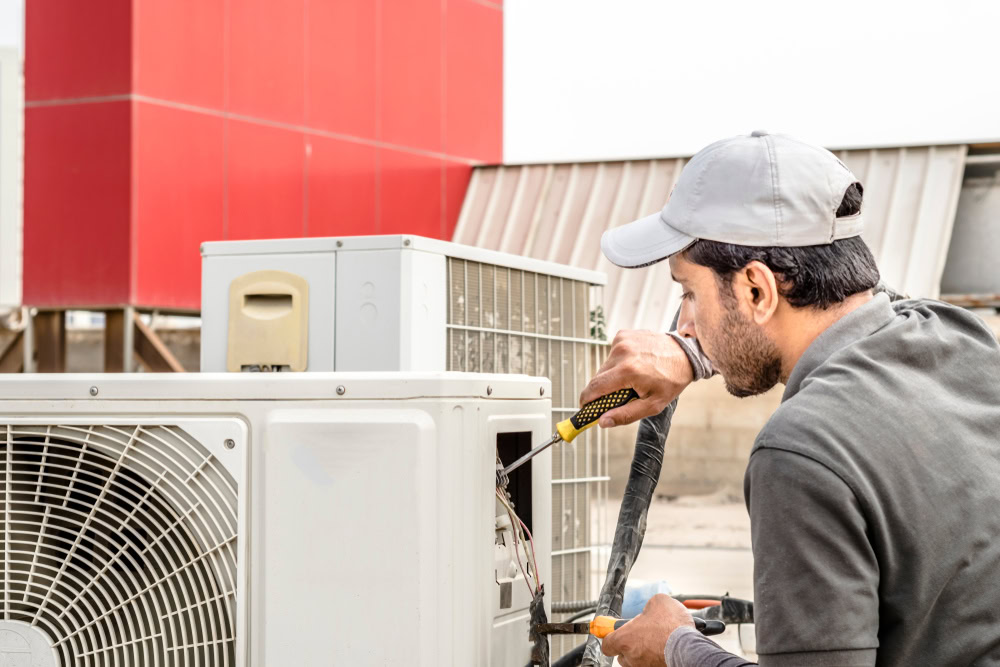

You’re not looking for a lecture about HVAC systems. You need your air conditioner fixed before the next heat wave hits.
Living in Broad Channel means your AC works harder than most. Salt air corrodes coils faster. Humidity puts constant stress on compressors. Wind carries debris that clogs condensers. Your unit might last 5-7 years here while the same model runs 12 years inland.
When your system goes down during a New York summer, it’s not just uncomfortable—it’s dangerous. Over 350 heat-related deaths happen in NYC every year, and none of those people had working air conditioning. We treat every repair call with that urgency because we know what’s at stake.
We’ve been handling residential AC repair in Broad Channel and across Queens for over 30 years. That means we’ve seen what salt air does to every brand and model out there.
Our crew lives and works in this area. We understand the specific challenges your home faces—the constant moisture, the salt that eats through protective coatings, the way coastal weather accelerates wear on every component. We’re not learning on your dime.
When you call, you’re getting technicians who’ve diagnosed hundreds of coastal corrosion cases. We stock the right parts, apply rust-resistant coatings that actually work here, and give you straight answers about whether to repair or replace.
First, we listen. You tell us what’s happening—no cool air, strange noises, water leaking, whatever the issue is. We ask a few questions to understand the symptoms and schedule a time that works for you.
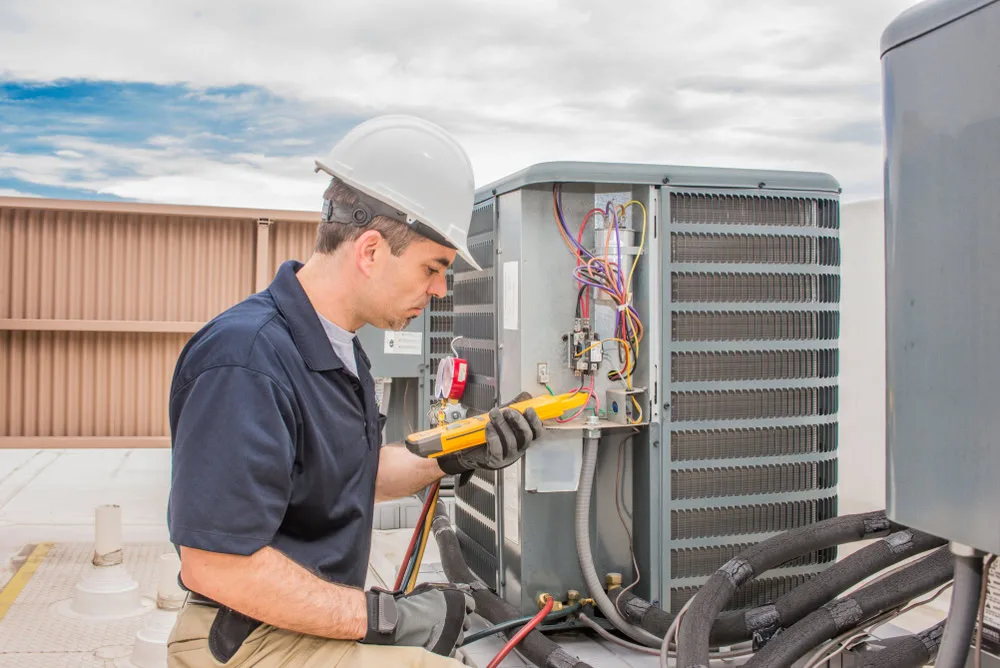
When we arrive, we run a full diagnostic. That includes checking refrigerant levels, testing electrical components, inspecting coils for corrosion, examining the compressor, and looking at airflow. We test for carbon monoxide if you have gas heating. We use digital combustion analysis to measure your system’s actual efficiency.
Then we explain what we found in plain language. If it’s a capacitor, we tell you that. If salt air has corroded your coils beyond repair, we tell you that too. You get a clear price before any work starts. No surprises, no upselling services you don’t need.
Once you approve the work, we fix it right. We use quality parts, apply protective coatings for coastal environments, and test everything before we leave. You get a warranty on the work we perform.
Ready to get started?
We handle every common failure point: refrigerant leaks, compressor problems, capacitor replacements, electrical issues, frozen coils, clogged condensate drains, and corroded components. We also clean air-cooled coils, service ductless mini splits, and perform complete system diagnostics.
For coastal homes in Broad Channel, we go further. We apply rust-resistant coatings that can add up to 7 years to your system’s life. We check for salt buildup that other companies miss. We recommend maintenance schedules based on your proximity to the water, not some generic timeline.
About 90% of NYC households have air conditioning, but in Broad Channel, your unit faces conditions that most city systems never see. The constant salt exposure means parts fail faster. Humidity causes more frequent refrigerant leaks. Your outdoor unit takes a beating from wind and weather.
We stock parts for the brands most common in this area. We know which components fail first in coastal environments. And we’re available for emergency repairs when your system quits during a heat wave—because waiting three days for service isn’t an option when temperatures hit the 90s.
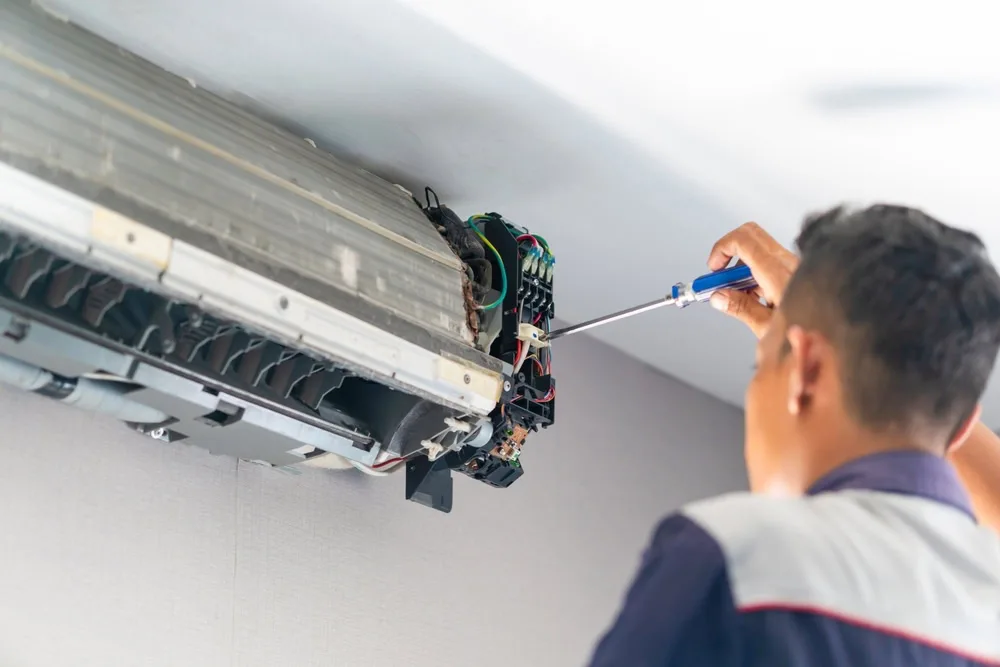
Most repairs take 1-3 hours once we’re on site. Simple fixes like capacitor replacements or thermostat issues usually wrap up in under an hour. More complex problems—refrigerant leaks, compressor replacements, or extensive corrosion damage—can take 2-4 hours.
The bigger variable is getting someone to your home. Some companies make you wait days for an appointment. We prioritize emergency calls during heat waves and typically get to you within 24 hours for urgent situations.
If we need to order a specific part, that can add a day or two. But we’re upfront about timing before we leave, and we’ll let you know if there’s a faster temporary solution while we wait for parts.
Salt air is brutal on air conditioning systems. It causes corrosion on coils, electrical connections, and metal components at roughly twice the rate you’d see a few miles inland. That’s why AC units in coastal areas like Broad Channel typically last 5-7 years compared to 10-14 years in other parts of New York.
The salt acts like sandpaper on protective coatings. Once those coatings wear through, moisture accelerates rust formation. Coils develop pinhole leaks. Electrical connections corrode and cause intermittent failures. Fan motors work harder and burn out sooner.
Humidity adds another layer of stress. Your system runs longer cycles trying to remove moisture from the air, which means more wear on the compressor. Condensate drains clog more frequently. And when salt mixes with that moisture, it creates a corrosive environment inside your outdoor unit.
We see this every day in Broad Channel. It’s not that your system is poorly made—it’s just fighting conditions that most AC units never face. Regular maintenance and protective coatings make a real difference in how long your equipment lasts.
If your system is under 7 years old and the repair costs less than half the price of replacement, repair usually makes sense. If it’s over 10 years old and needs a major component like a compressor, replacement often saves you money long-term.
Here’s the math that matters: A new compressor might cost $1,500-2,500 installed. A full system replacement runs $4,000-8,000 depending on size and efficiency. If your 12-year-old unit needs a compressor, you’re spending half the cost of a new system on equipment that’s already lived most of its coastal lifespan.
But if your 5-year-old system needs a $400 capacitor and a coil cleaning, that repair buys you several more years of service. The decision gets trickier in the middle—like an 8-year-old unit with a refrigerant leak that needs $1,200 in repairs.
We walk you through the actual numbers for your situation. We’ll tell you how much life is realistically left in your current system given its age and condition. We’ll explain what you’re getting for your money either way. Then you decide what makes sense for your home and budget.
The most common cause is a clogged condensate drain line. Your AC removes humidity from the air, and that water has to go somewhere. It normally drains outside through a small pipe. When that pipe clogs with algae, mold, or debris, water backs up and overflows into your home.
A frozen evaporator coil also causes leaking. If your system is low on refrigerant or has restricted airflow, the coil gets too cold and freezes. When it thaws, you get water everywhere. This often happens when filters haven’t been changed or when there’s a refrigerant leak.
Sometimes the drain pan itself rusts through—especially in coastal homes where salt air accelerates corrosion. Or the condensate pump fails if your system relies on one to move water upward to a drain.
The fix depends on what’s causing it. A clogged drain line takes 20 minutes to clear. A frozen coil means finding and fixing the underlying problem—usually a refrigerant leak or airflow issue. A rusted pan needs replacement. We diagnose the actual cause first, then fix it properly so it doesn’t keep happening.
Twice a year minimum if you live near the water—once before cooling season starts and once mid-summer. Coastal environments require more frequent maintenance than inland areas because salt accelerates wear on every component.
During a maintenance visit, we clean coils that accumulate salt residue, check refrigerant levels, test electrical connections for corrosion, clear condensate drains, inspect for rust, and measure system efficiency. We also apply protective coatings to vulnerable areas.
Skipping maintenance in Broad Channel costs you. Your system works harder, uses more electricity, and fails sooner. A well-maintained coastal AC unit might give you 7-8 years of service. A neglected one often dies in 4-5 years.
Think of it like owning a boat—you wouldn’t skip regular maintenance on equipment constantly exposed to salt air. Your air conditioner faces the same conditions. Regular service catches small problems before they become expensive failures and extends your equipment’s lifespan significantly.
Yes. When your air conditioning fails during a heat wave, waiting isn’t safe. We prioritize emergency calls and typically respond within hours during dangerous heat conditions.
Heat kills more people in New York City than any other weather event—over 350 deaths annually. The risk is highest for elderly residents, young children, and anyone with chronic health conditions. When temperatures climb into the 90s and your AC stops working, that’s a legitimate emergency.
We keep common parts in stock so we can complete most emergency repairs on the first visit. If we need to order something, we’ll set you up with temporary cooling solutions and return as soon as parts arrive.
Call us when your system fails. Don’t wait until tomorrow or try to tough it out. We’ll get someone to your home fast, diagnose the problem, and get your air conditioning running again. That’s not marketing talk—it’s how we’ve operated for 30 years serving residential customers in Broad Channel and throughout Queens.