
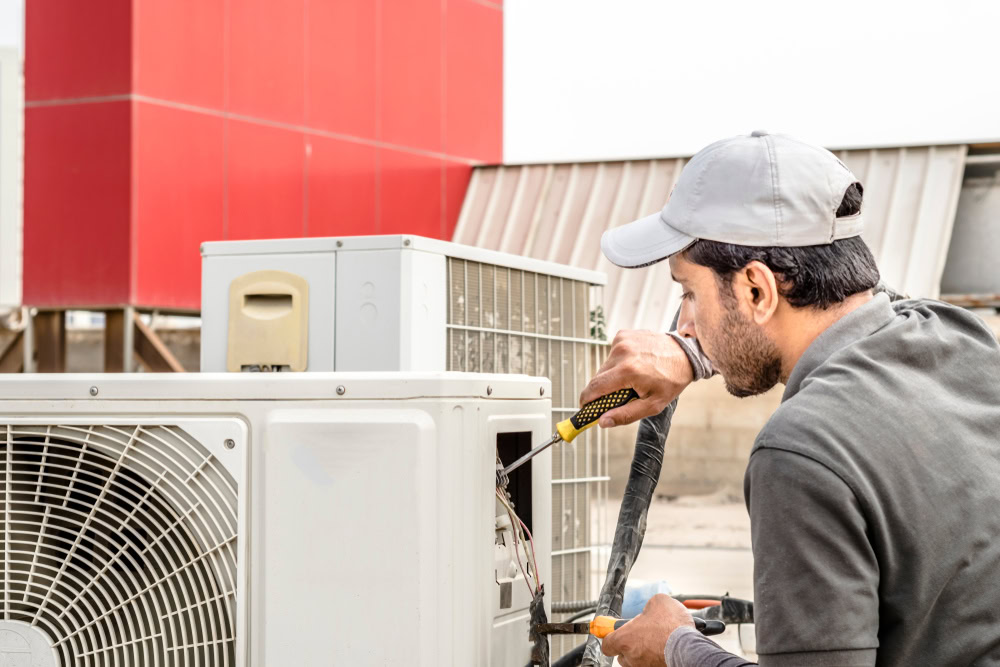

When your air conditioner breaks down in the middle of a Queens heatwave, you need more than a quick patch. You need someone who can figure out what’s actually wrong, fix it completely, and make sure it doesn’t happen again next month.
That’s what proper AC repair services in Ozone Park look like. Your system runs quieter. Your energy bills drop because the unit isn’t working overtime anymore. And you’re not sitting around wondering if the repair will hold or if you’ll be calling someone else in two weeks.
Most breakdowns aren’t random. Refrigerant leaks, clogged drain lines, failing capacitors—these issues show up because something wasn’t maintained or wasn’t caught early. We find the root cause, not just the symptom. That means fewer callbacks, less money spent over time, and an air conditioner that actually keeps your home comfortable when temperatures spike.
We handle residential AC repair in Ozone Park, NY and throughout Queens. We’re not a national franchise with rotating techs. We’re local, licensed, and we’ve been inside enough pre-war homes to know what breaks, what lasts, and what actually needs replacing.
Ozone Park has some of the oldest housing stock in Queens—nearly half the homes here were built before 1940. That means outdated ductwork, undersized systems, and cooling setups that were never designed for today’s equipment. We deal with that reality every day.
You’re not getting a sales pitch. You’re getting a straight answer about what’s broken, what it’ll cost, and how long the fix will last.
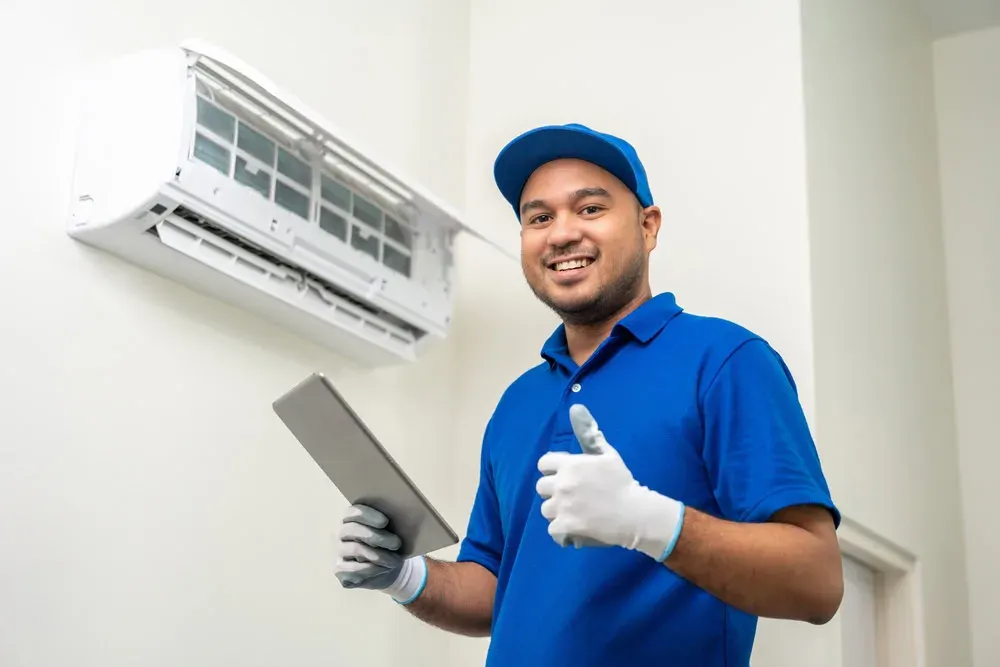
You call or message us with the issue. We ask a few questions—what’s happening, how long it’s been going on, any strange sounds or smells. That helps us bring the right tools and parts the first time.
We show up on time. Our tech runs a full diagnostic, not just a visual check. That includes testing airflow, checking refrigerant levels, inspecting electrical components, and looking at your drain line. If there’s a bigger issue hiding behind the obvious one, we find it now—not after you’ve already paid for a repair that didn’t solve anything.
Once we know what’s wrong, we explain it in plain terms. You get an upfront price before any work starts. No surprises, no upselling. If it makes sense to repair, we handle it on the spot whenever possible. If the system is on its last legs, we’ll tell you that too—and explain why replacing it now saves you more than limping it along.
After the repair, we test the system to make sure it’s cooling properly and running efficiently. You’ll know it’s fixed because your home feels different immediately.
Ready to get started?
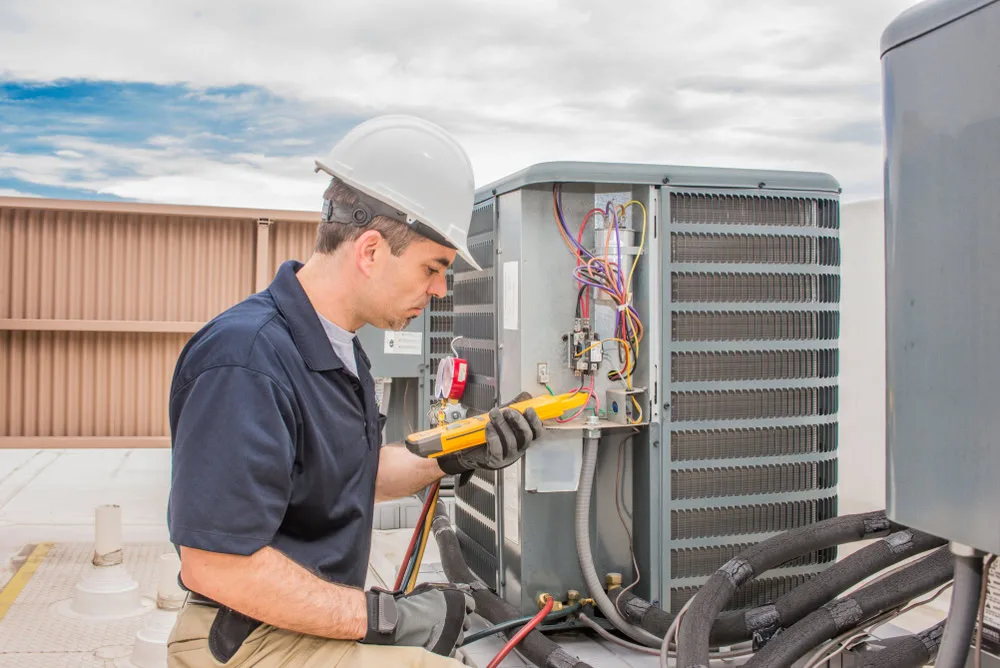
Every home AC repair in Ozone Park, NY starts with a complete system evaluation. We’re checking your thermostat settings, inspecting your condenser and evaporator coils, testing capacitors and contactors, measuring refrigerant charge, and clearing your condensate drain line. If your AC is leaking water, we trace it back to the source—whether that’s a clogged line, a cracked pan, or a frozen coil.
Central AC repair in Ozone Park often involves dealing with older ductwork and ventilation issues that newer systems weren’t designed for. We look at airflow restrictions, return air problems, and whether your system is actually sized correctly for your home. A lot of cooling issues aren’t the AC itself—they’re distribution problems that nobody else bothered to check.
We also run a digital combustion analysis if you’ve got a furnace or boiler tied into your system, and we test for carbon monoxide during every heating-related service. That’s not an upsell. It’s part of doing the job right in homes where safety risks are real.
You’re getting honest diagnostics, quality parts from brands like Trane and Carrier, and a local crew that’s been doing this long enough to know what works in Queens. If it’s 95 degrees and your system just died, we’ll do everything we can to get you cool again the same day.
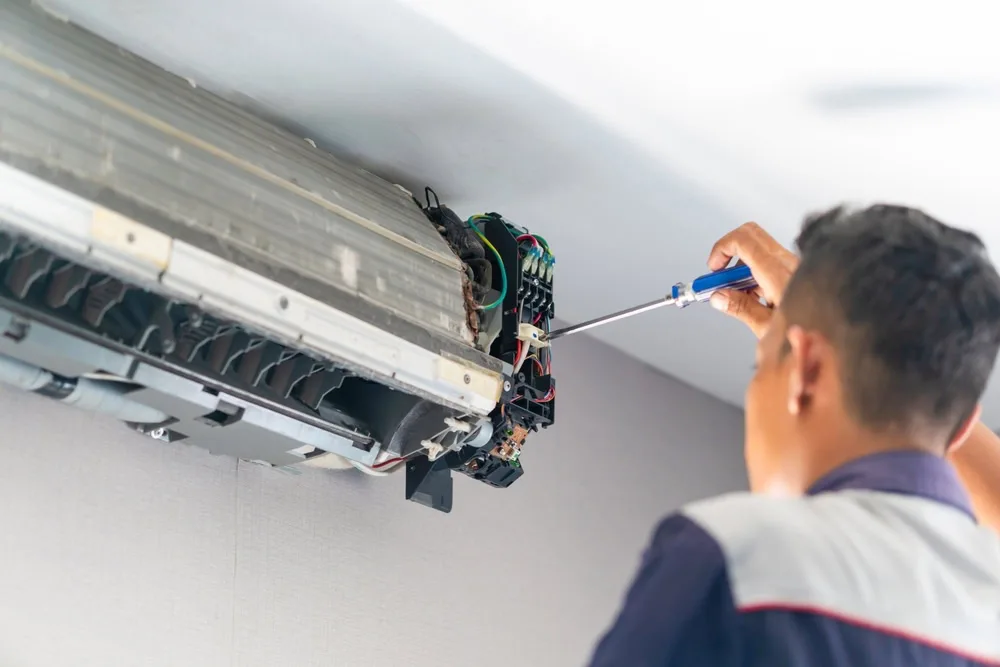
Most AC repair services in Ozone Park run between $200 and $600, depending on what’s broken. A simple fix like a tripped breaker or a clogged drain line costs a lot less than replacing a compressor or fixing a refrigerant leak.
Here’s what affects the price: the part that failed, how hard it is to access, and whether your system uses older refrigerant that’s been phased out. If you’re calling during a heatwave, expect higher rates—that’s true across the board in summer because demand spikes and techs are booked solid.
We give you the price before we start the work. No diagnostic fees that disappear into the final bill, no “we’ll know more once we open it up” runarounds. You’ll know what it costs and why, and you can decide if the repair makes sense or if it’s time to replace the system.
Refrigerant leaks are near the top. Your system loses cooling power, runs constantly, and drives up your electric bill. In older homes, the copper lines crack or corrode over time, especially if they weren’t installed correctly to begin with.
Clogged drain lines are another big one, especially in Queens where humidity is high all summer. When that line backs up, your system shuts down to prevent water damage. You’ll see water pooling around the indoor unit or dripping from the ceiling if it’s in the attic.
Capacitor failure is common too. The capacitor gives your compressor and fan motors the jolt they need to start. When it goes bad, your AC won’t turn on, or it’ll hum and click but never actually cool. It’s a quick fix if you catch it early, but if the motor keeps trying to start without a working capacitor, you can burn out the compressor—and that’s a much bigger bill.
If your system is over 15 years old and the repair costs more than half the price of a new unit, replacement usually makes more sense. You’re not just avoiding another breakdown next season—you’re also getting better efficiency, which cuts your energy bills.
But age isn’t the only factor. If your AC has needed multiple repairs in the last two years, or if it’s using R-22 refrigerant that’s been phased out and costs a fortune to refill, you’re throwing money at a losing bet. Newer systems use R-410A, which is cheaper and more efficient.
We’ll walk you through the math. Sometimes a $400 repair buys you three more solid years. Other times, it’s just delaying the inevitable and you’d be better off upgrading now. We’re not going to sell you a new system if a repair makes sense, but we’re also not going to let you waste money on a unit that’s done.
Nine times out of ten, it’s a clogged condensate drain line. Your AC pulls humidity out of the air, and that water has to go somewhere. When the drain line gets blocked with algae, dirt, or debris, the water backs up into the drain pan and eventually overflows into your house.
Frozen evaporator coils can also cause leaks. If your airflow is restricted—dirty filter, blocked return vents, failing blower motor—the coil gets too cold, freezes over, and then melts all over your floor when the system cycles off. You’ll usually notice weak airflow before the leak starts.
A cracked or rusted drain pan is less common but still happens, especially in older systems. If the pan under your indoor unit has corroded through, water drips straight through instead of flowing out the drain line. That’s a straightforward replacement, but it needs to be done before you end up with ceiling damage or mold growth.
We do everything we can to get to you the same day, especially during summer when a broken AC isn’t just uncomfortable—it’s a health risk for kids, elderly family members, and anyone with respiratory issues. Queens gets humid, and without air conditioning, indoor temperatures can climb fast.
Same-day availability depends on our schedule and how early you call. If you reach out in the morning, your chances are a lot better than if you call at 5 p.m. during a heat wave when every AC company in the area is slammed.
We keep common parts on the truck—capacitors, contactors, drain line supplies—so if it’s a standard repair, we can usually finish it on the first visit. If we need to order a part, we’ll let you know how long it’ll take and whether there’s a temporary fix we can do to get you some cooling in the meantime.
Annual maintenance is the single biggest thing you can do. A tune-up before cooling season starts catches small problems before they turn into expensive breakdowns. We’re talking about cleaning coils, checking refrigerant levels, tightening electrical connections, and testing the system under load.
Change your air filter every 30 to 60 days during summer. A clogged filter restricts airflow, makes your system work harder, and leads to frozen coils or blower motor failure. It’s a $5 part that prevents $500 repairs.
Keep the area around your outdoor unit clear. If your condenser is surrounded by leaves, grass clippings, or overgrown shrubs, it can’t breathe. That makes the whole system run hotter and less efficiently, which shortens its lifespan and increases the chance of a breakdown when you need it most.