

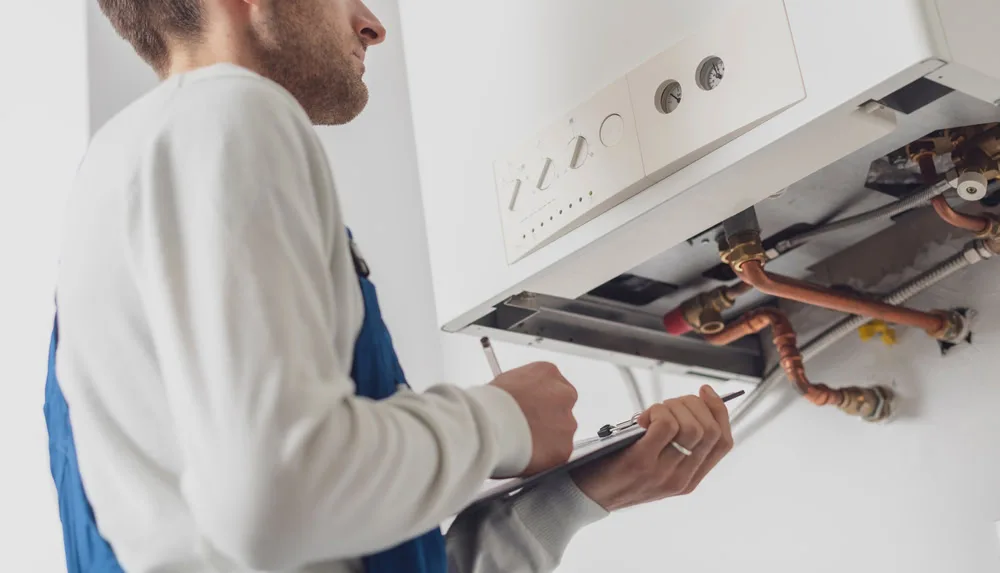
You shouldn’t have to wait days for heat. When your boiler stops working in Long Island City, you need someone who picks up the phone, shows up on time, and fixes the problem without dragging it out.
That’s what happens here. You get a licensed boiler repair technician who diagnoses the issue fast, explains what’s wrong in plain terms, and gives you an upfront price before any work starts. No surprises on the bill, no pressure to replace when repair makes sense.
Most boiler repair service calls in Long Island City get handled same-day. That means you’re not layering up indoors or worrying about pipes freezing overnight. You get your heat back, your home comfortable again, and the peace of mind that comes from knowing it was done right the first time.
We’ve been keeping homes warm in Long Island City, NY for over 30 years. We’ve seen every type of boiler problem this area throws at us—from aging systems in pre-war buildings to newer high-efficiency units in the glass towers going up along the waterfront.
Long Island City winters hit hard. Ocean winds, nor’easters, and long cold snaps push heating systems to their limits. We know what fails first in these conditions and how to fix it fast.
You’re working with licensed, insured technicians who live and work in this community. We’re not a national chain with rotating crews. When you call, you get someone who knows the neighborhood, understands the local housing stock, and has probably fixed a dozen boilers just like yours this season.
You call or text, and we pick up. No phone tree, no waiting for a callback. We ask a few quick questions about what’s happening with your boiler, then schedule a time that works for you—often same-day if it’s an emergency.
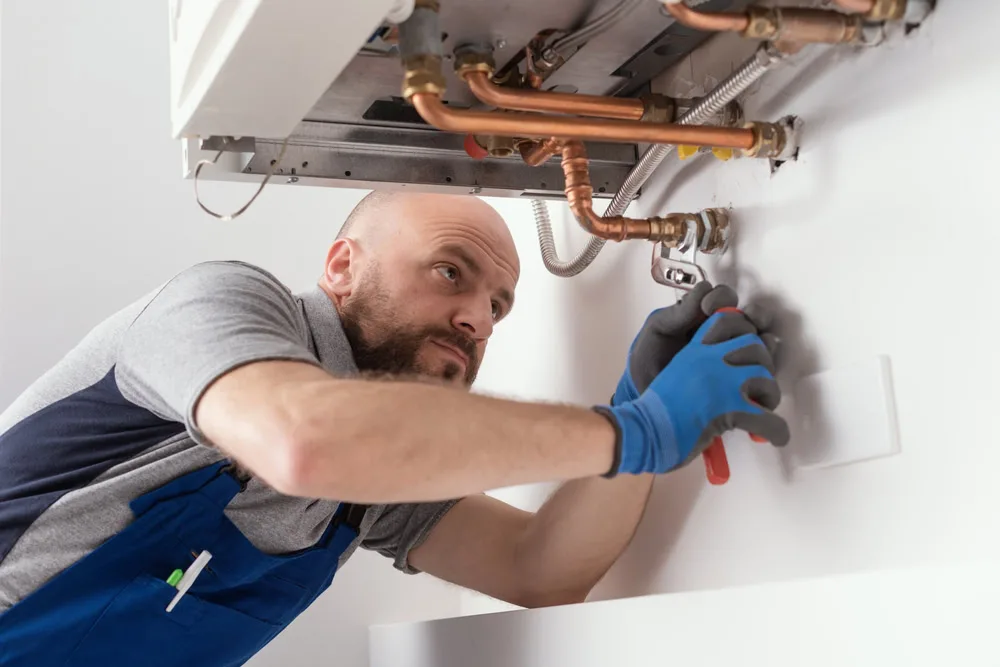
Our technician shows up with a fully stocked truck. They run diagnostics on your gas boiler repair or hot water boiler repair needs, figure out what’s causing the problem, and walk you through what they found. You get a clear explanation and an honest price before any repair work begins.
Once you approve, the work gets done. Most residential boiler repair jobs in Long Island City finish in a few hours. We test everything, make sure your heat’s running properly, and clean up before we leave. You get a one-year warranty on parts and labor, so if something goes wrong with what we fixed, we come back and make it right at no charge.
Ready to get started?
Every service call includes full system diagnostics—not just a quick look at the obvious problem. We check pressure levels, inspect the heat exchanger, test safety controls, and examine the circulator pump and zone valves. If your boiler’s making strange noises, leaking, or cycling on and off constantly, we find out why.
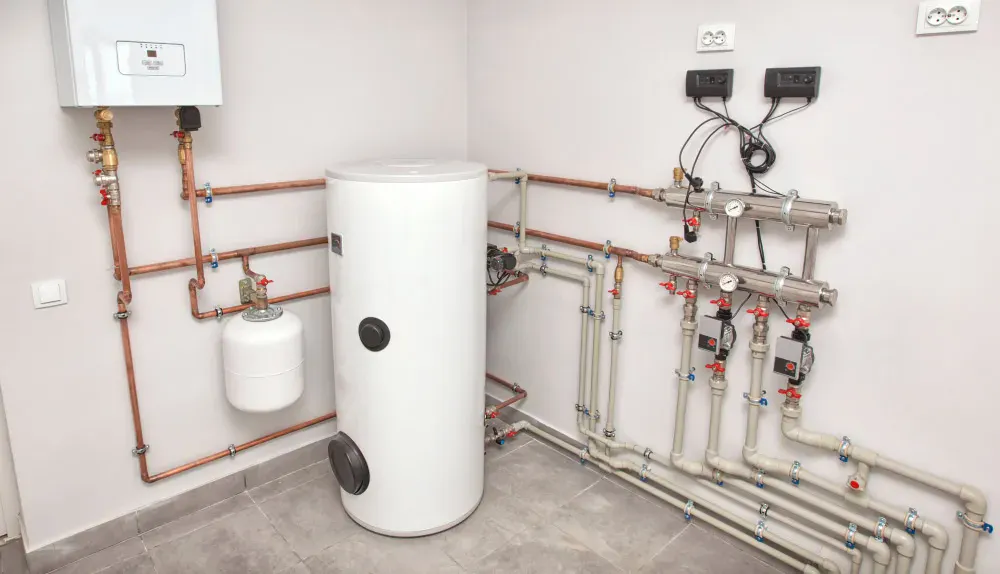
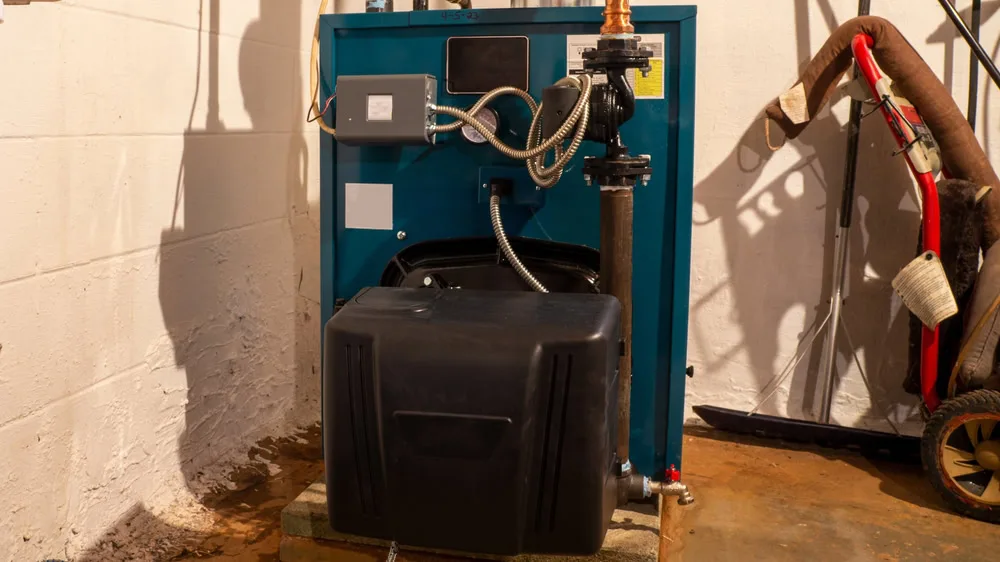
Long Island City has a mix of heating systems. Older buildings often run on oil or gas boilers that have been working for decades. Newer developments use high-efficiency condensing boilers. We handle both, plus everything in between—residential and light commercial systems, all major brands.
About half the boilers we see in this area are outdated and burning through energy. If yours is one of them, we’ll tell you. But we’re not here to sell you a replacement if repair makes more sense. You’ll get straight talk about whether fixing your current system buys you another five winters or if you’re throwing money at something that’s done. Either way, you decide based on real information, not a sales pitch.
Most boiler repairs in Long Island City run between $350 and $950, depending on what’s broken and which parts need replacing. A service call starts around $189, which covers the diagnostic visit. If you move forward with the repair, that fee usually applies to the total cost.
Simple fixes like replacing a faulty thermostat or resetting a tripped safety switch cost less. More involved repairs—like replacing a circulator pump, fixing a cracked heat exchanger, or addressing a zone valve issue—cost more because of parts and labor time.
We give you the full price upfront before starting any work. No hidden fees, no surprises when the job’s done. If the repair cost gets close to what a new boiler would run, we’ll tell you that too so you can make the call that makes sense for your situation and budget.
If your boiler’s under 10 years old and the repair costs less than a third of what replacement would run, fixing it usually makes sense. If it’s over 15 years old, breaking down frequently, or the repair estimate is pushing $1,200 or more, replacement often saves you money in the long run.
Older boilers in Long Island City—especially those running at 60-80% efficiency—cost you extra every month on energy bills. Newer high-efficiency models hit 90-95% efficiency, which adds up to real savings over a winter. If you’re spending $400-500 annually just keeping an old system limping along, that’s money better spent toward a new one.
We’ll walk you through the math during the service call. You’ll see exactly what repair costs versus replacement costs, what your current system’s efficiency is, and how long you can reasonably expect a repaired boiler to last. Then you decide what makes sense for your home and your wallet.
Yes. Boilers don’t wait for business hours to break down, and neither do we. If your heat goes out at 2 a.m. on a Sunday in January, you can call and get a live person who’ll send a technician out.
Emergency calls during off-hours do cost more—typically 40-60% above standard rates. That’s industry standard for after-hours, weekend, and holiday service. But when it’s 20 degrees outside and you’ve got no heat, waiting until Monday morning isn’t realistic.
We keep trucks stocked with common parts so most emergency repairs get finished the same visit. You’re not waiting days for a part to ship while your home stays cold. Our goal is heat back on as fast as possible, especially during those brutal Long Island City winter stretches when temperatures stay below freezing for days.
Leaking is the big one. Older boilers develop cracks or corroded pipes, especially in buildings near the waterfront where salt air accelerates wear. A small leak can turn into a burst if it’s not caught early, which is why strange puddles around your boiler need immediate attention.
Uneven heating comes up a lot too. Some rooms stay cold while others overheat, usually because of air trapped in the system, a failing circulator pump, or zone valve issues. This is common in multi-story homes and larger buildings where the boiler has to push heat through a complex distribution system.
Strange noises—banging, whistling, hissing—usually mean sediment buildup, air in the lines, or pressure problems. These aren’t just annoying. They’re warning signs that something’s wearing out faster than it should. Catching these early prevents bigger, more expensive failures down the line.
Most residential boiler repairs finish in two to four hours once the technician arrives and diagnoses the problem. Simple fixes like replacing a thermostat or resetting controls take less time. More complex repairs—swapping out a circulator pump, fixing multiple zone valves, or addressing heat exchanger issues—can take longer.
If we need a part that’s not on the truck, that adds time. We stock the most common components, but older systems or less common brands sometimes require ordering. In those cases, we’ll let you know upfront how long you’re looking at and whether there’s a temporary fix to keep you warm while the part comes in.
Same-day service is available for most calls in Long Island City, especially during heating season when we’re fully staffed. You’re not waiting a week for an appointment. Call in the morning, and there’s a good chance your heat’s back on by dinner.
We handle gas boilers, electric boilers, and hot water boiler systems—basically everything you’ll find in Long Island City residential and light commercial properties. That includes older cast iron units, newer high-efficiency condensing boilers, and combination systems that handle both heat and domestic hot water.
Brand doesn’t matter. We’ve worked on Trane, Carrier, Weil-McLain, Burnham, Peerless, and dozens of others. If it heats your home, we know how to fix it. We also service both steam and hot water systems, which is important in this area since older buildings often run on steam while newer construction uses hot water.
If your building uses an oil boiler, we can refer you to a specialist. Most of our work focuses on gas and electric systems since that’s what the majority of Long Island City properties run on. But we’ll point you in the right direction if your setup falls outside what we service directly.