
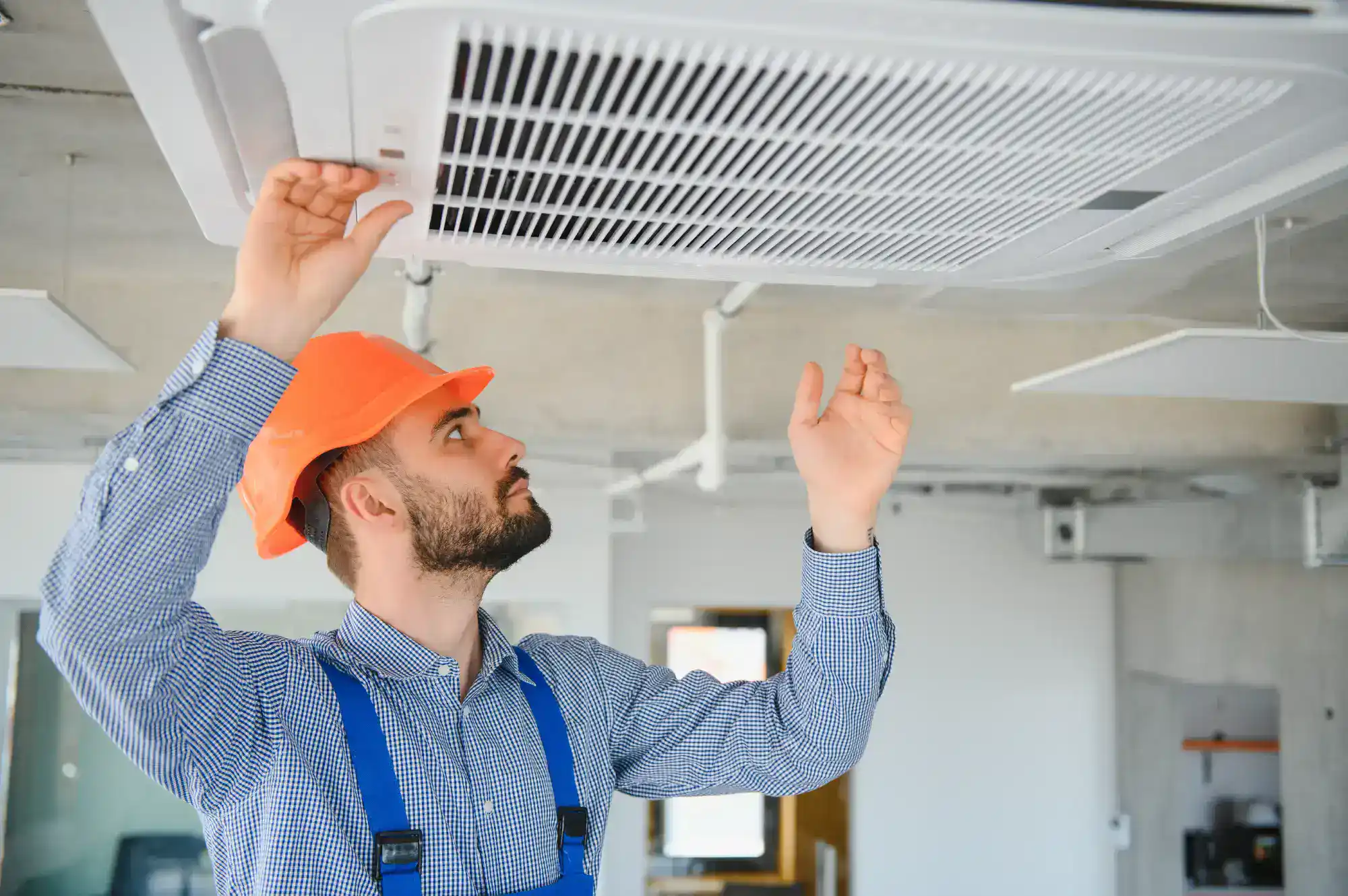
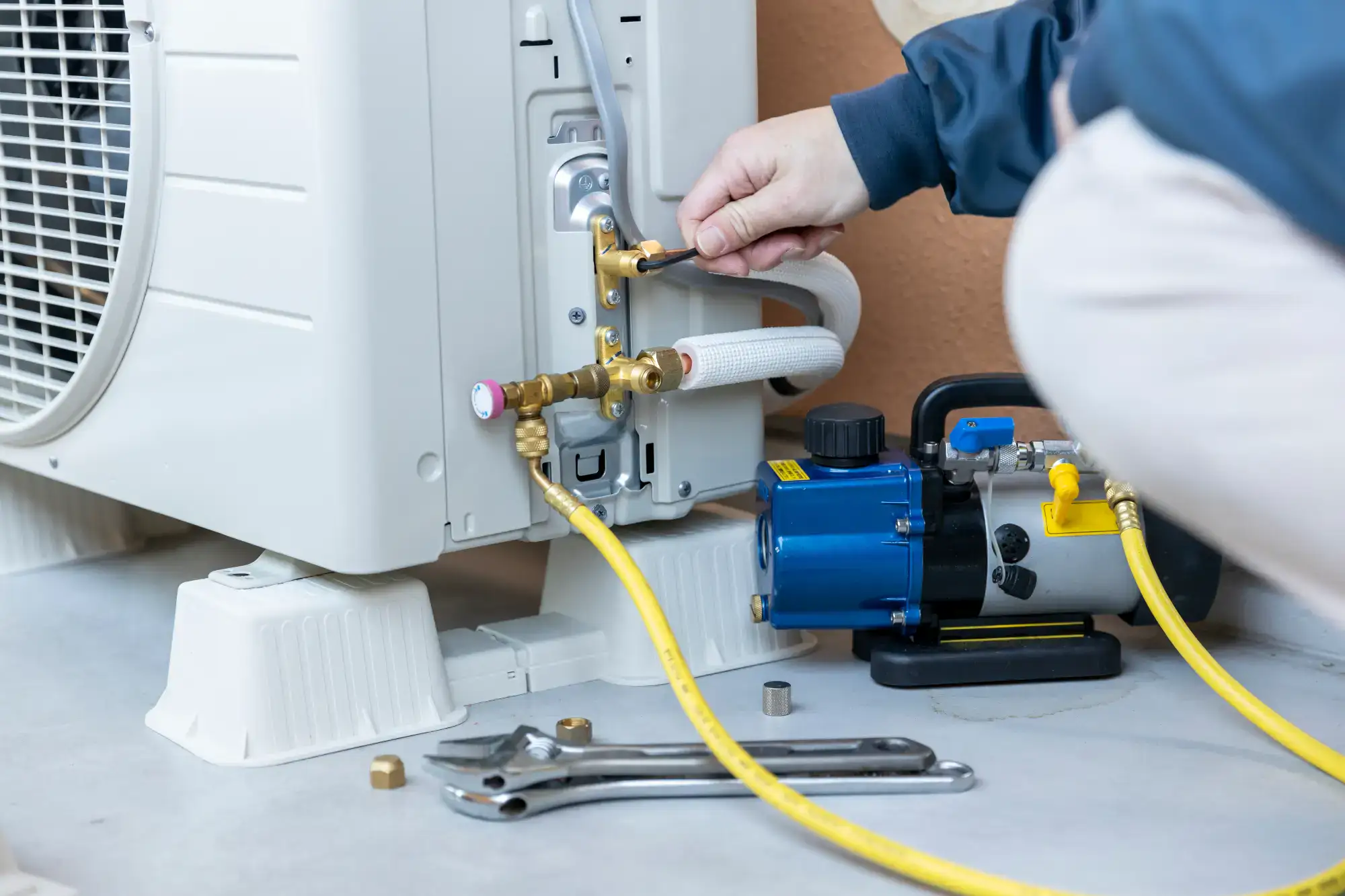
You’re not just getting a new unit installed. You’re getting rid of that constant worry about whether your system will quit during the next heat wave.
A proper air conditioning installation in Williston Park, NY means your home cools evenly, your energy bills drop, and you’re not calling for emergency repairs every summer. When the system is sized correctly for your home’s square footage and your ductwork is actually up to the job, everything works the way it should.
Most homes in Williston Park were built before World War II. That means older electrical panels, unique layouts, and ductwork that wasn’t designed for modern central air. You need someone who knows how to work with what’s already there—not just bolt on a new unit and hope for the best.
We work throughout Nassau County, and we’ve handled plenty of installations in Williston Park specifically. We know the housing stock here. We know the permit process through the Town of North Hempstead. We know what it takes to get a system running in an older home without ripping apart your walls or your budget.
You’re working with licensed, insured professionals who live and work in this area. We’re not a national chain sending different crews every time. It’s the same people, the same standards, and the same straightforward approach every job.
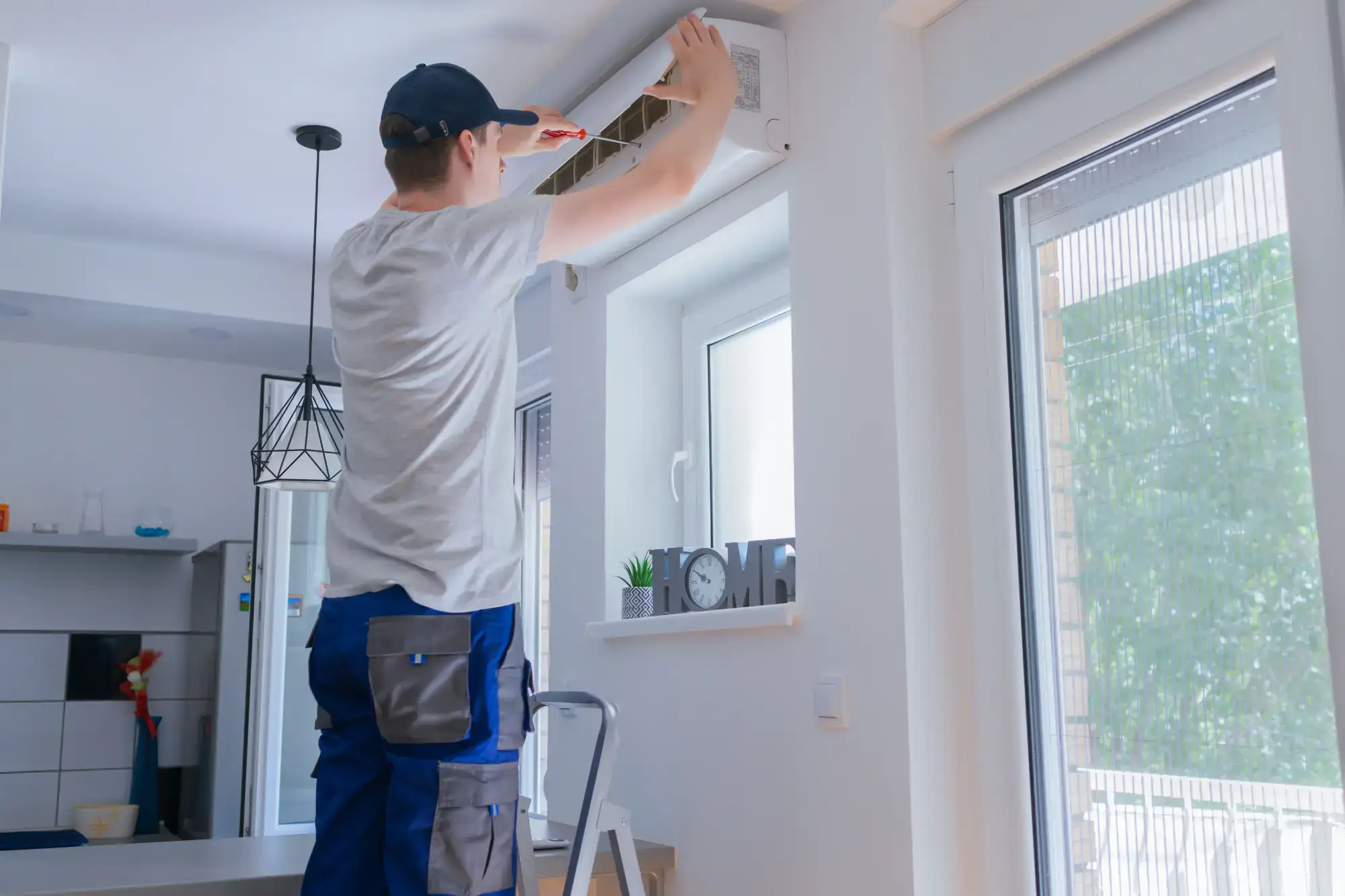
We start with a load calculation. That’s the only way to know what size system your home actually needs—not guessing based on square footage alone, but accounting for insulation, windows, sun exposure, and your existing ductwork. Most homes in Williston Park need a 2- to 5-ton system, but it depends on your specific setup.
Once we know what you need, we pull the permits through the Town of North Hempstead and schedule the installation. We handle the electrical connections, refrigerant lines, ductwork modifications if needed, and thermostat setup. Most central air installation projects in Williston Park, NY take one to two days, depending on whether we’re working with existing ductwork or making updates.
After installation, the town inspector comes out to sign off on the work. We walk you through the system, show you how to use the thermostat, and make sure everything is running the way it should. Then we’re available if you need anything down the road—maintenance, repairs, or just a question about how something works.

Ready to get started?
Every HVAC system installation in Williston Park, NY includes the load calculation, permit handling, the equipment itself, and the labor to get it running. We use brands like Trane and Carrier—equipment that’s built to last and backed by manufacturer warranties.
If your home needs electrical work to support the new system, we handle that. If your ductwork needs modifications or sealing, that’s part of the conversation upfront. You’re not going to get surprised halfway through the job with add-ons you didn’t know about.
Williston Park has some of the highest home values on Long Island, and most homeowners here expect quality work that protects that investment. That means doing the job right, not fast. It means showing up when we say we will and finishing on the timeline we commit to. And it means being available after the installation is done, because a system is only as good as the service behind it.
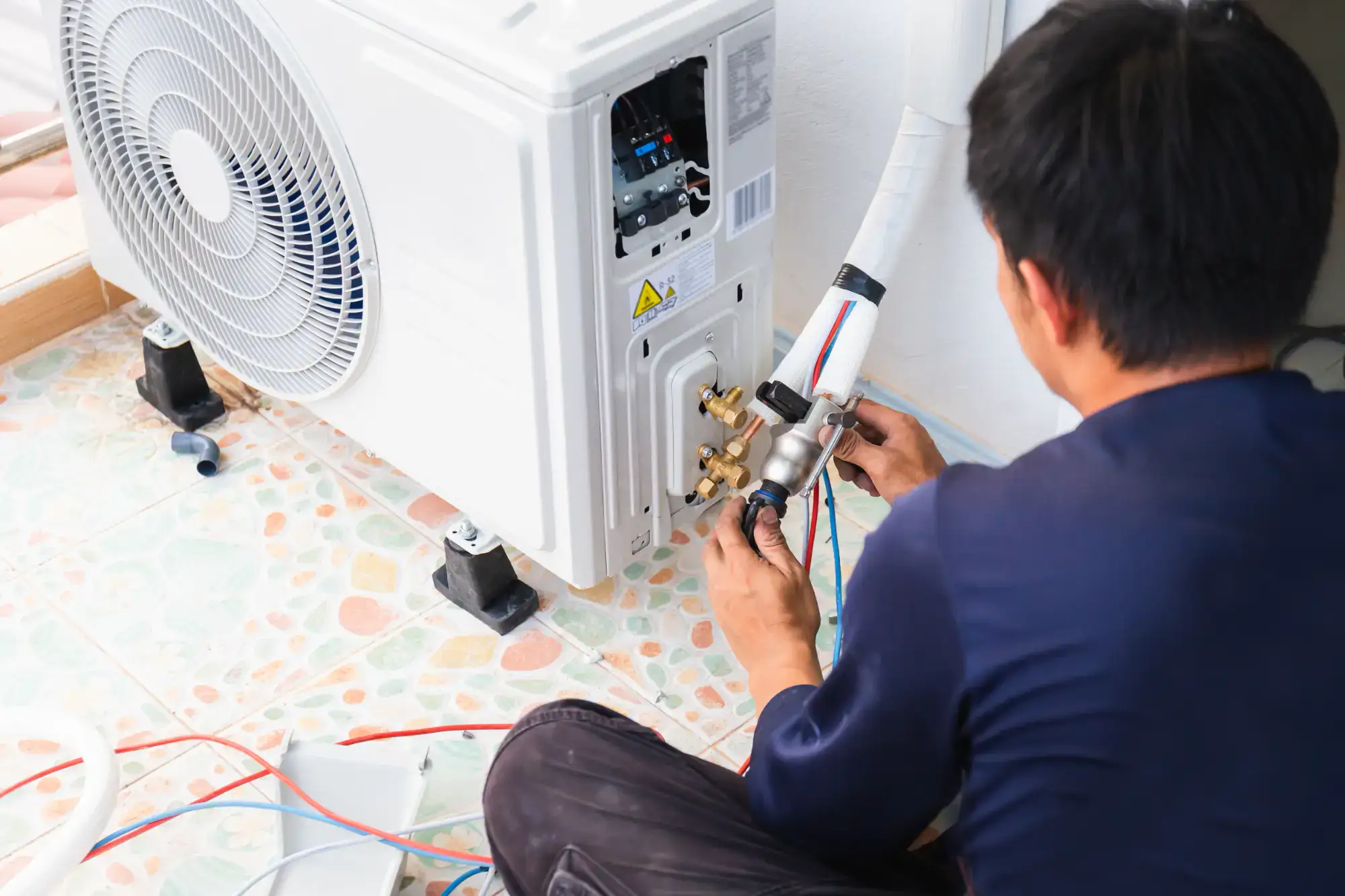
Most home AC installation projects in Williston Park, NY take one to two days. That timeline assumes we’re working with existing ductwork that’s in decent shape and an electrical panel that can handle the load.
If your home needs ductwork modifications or an electrical panel upgrade, that adds time. Older homes in Williston Park sometimes need both, especially if you’re replacing a window unit setup with central air for the first time. We’ll tell you upfront what’s involved so you know what to expect.
The actual installation day involves removing the old equipment if there is any, setting the new condenser outside, connecting refrigerant lines, installing or connecting the air handler inside, wiring everything up, and testing the system. Then the town inspector signs off, and you’re good to go.
Yes. Any AC unit replacement in Williston Park, NY requires a permit through the Town of North Hempstead building department. That’s not optional, and it’s not something you want to skip.
The permit process makes sure the work is done to code, the electrical connections are safe, and the system is installed correctly. It also protects you if you ever sell your home—buyers and inspectors will ask if the work was permitted, and unpermitted work can kill a sale or cost you money at closing.
We handle the permit process as part of the installation. We submit the paperwork, coordinate the inspection, and make sure everything is signed off properly. You don’t have to deal with the town or worry about whether it’s done right.
Most homes in Williston Park, NY need a 2- to 5-ton central AC unit, but the only way to know for sure is with a load calculation. That’s a detailed assessment of your home’s square footage, insulation, windows, sun exposure, and ductwork.
A system that’s too small won’t keep up on the hottest days. A system that’s too big will short-cycle, meaning it turns on and off constantly without properly dehumidifying your home. Both scenarios waste energy and wear out the equipment faster.
Older homes in Williston Park add another layer of complexity. If your home was built before central air was common, the ductwork might not be sized right, or the insulation might not be up to modern standards. All of that factors into what system you actually need, not just what fits the space.
Central AC unit installation in Williston Park, NY typically runs between $5,000 and $10,000, depending on the size of the system, the brand you choose, and what’s involved in the installation. If your home needs ductwork modifications or electrical upgrades, that adds to the cost.
Older homes often need more work. If you’re replacing an outdated system, you might need a new electrical panel to handle the load, or your ductwork might need sealing and insulation. Those aren’t upsells—they’re necessary to make sure the system works the way it should.
You can also factor in rebates and tax credits. The federal government offers a 30% tax credit on energy-efficient HVAC systems through 2032, which can save you up to $600 on a traditional AC unit or $2,000 on a heat pump. PSEG Long Island offers additional rebates, including $85 for a smart thermostat. We can walk you through what’s available.
Yes. We’ve done plenty of installations in pre-war homes throughout Williston Park, NY. These homes have unique challenges—older electrical systems, tight spaces, and ductwork that wasn’t designed for modern central air—but they’re not impossible to work with.
The key is knowing what you’re dealing with before you start. We assess the electrical panel to make sure it can handle the new system’s load. We check the ductwork to see if it needs modifications or sealing. And we figure out the best place to install the condenser outside and the air handler inside without tearing up your home.
Sometimes that means upgrading the electrical panel or rerouting ductwork. Sometimes it means installing a ductless mini-split system instead of traditional central air. We’ll tell you what makes sense for your home and your budget, and we’ll do the work in a way that respects the character of your house.
If your AC system is more than 13 years old, it’s worth considering a replacement. That’s the average lifespan for most units, and once you hit that point, you’re looking at more frequent repairs, higher energy bills, and a system that’s not cooling as efficiently as it used to.
Other signs include uneven cooling, constant repairs, rising energy costs, and loud or unusual noises. If you’re calling for service every summer or your bills keep climbing even though you’re not using the system more, the unit is probably on its way out.
Replacing an old AC system with a new, energy-efficient unit can save you up to 30% on cooling costs. Modern systems are quieter, more reliable, and better at handling Long Island’s humid summers. And if you replace the system before it dies completely, you can plan the installation on your timeline instead of scrambling for emergency service in the middle of a heat wave.