
You’re not just getting a new AC unit. You’re getting consistent temperatures in every room, humidity control that actually works, and energy bills that don’t spike every time you turn the system on.
When we handle your air conditioning installation in Seaside, NY, you’re working with EPA-certified technicians who size systems correctly the first time. That means no more upstairs bedrooms that stay 10 degrees warmer than the rest of the house. No more guessing whether your system can handle a heat wave. Just reliable cooling designed for the specific challenges of living near the coast.
Modern systems in the 18-22 SEER2 range can cut your cooling costs by 30-40% compared to older units. That’s real money back in your pocket every month, not just during summer. And with New York’s electricity rates sitting around 23 cents per kilowatt-hour, efficiency isn’t just nice to have—it’s necessary.
We’ve been keeping homes and businesses comfortable across Seaside, NY and surrounding areas for years. Our team lives and works in these neighborhoods, so we understand what coastal weather does to HVAC systems.
You won’t get a pushy sales pitch from us. We show up, assess what you actually need, give you a straight answer about your options, and let you decide. All our technicians are licensed, EPA-certified, and insured. Every installation comes with a full warranty, and we’re available 24/7 if something goes wrong.
We’re BBB accredited because we do what we say we’ll do. Simple as that.
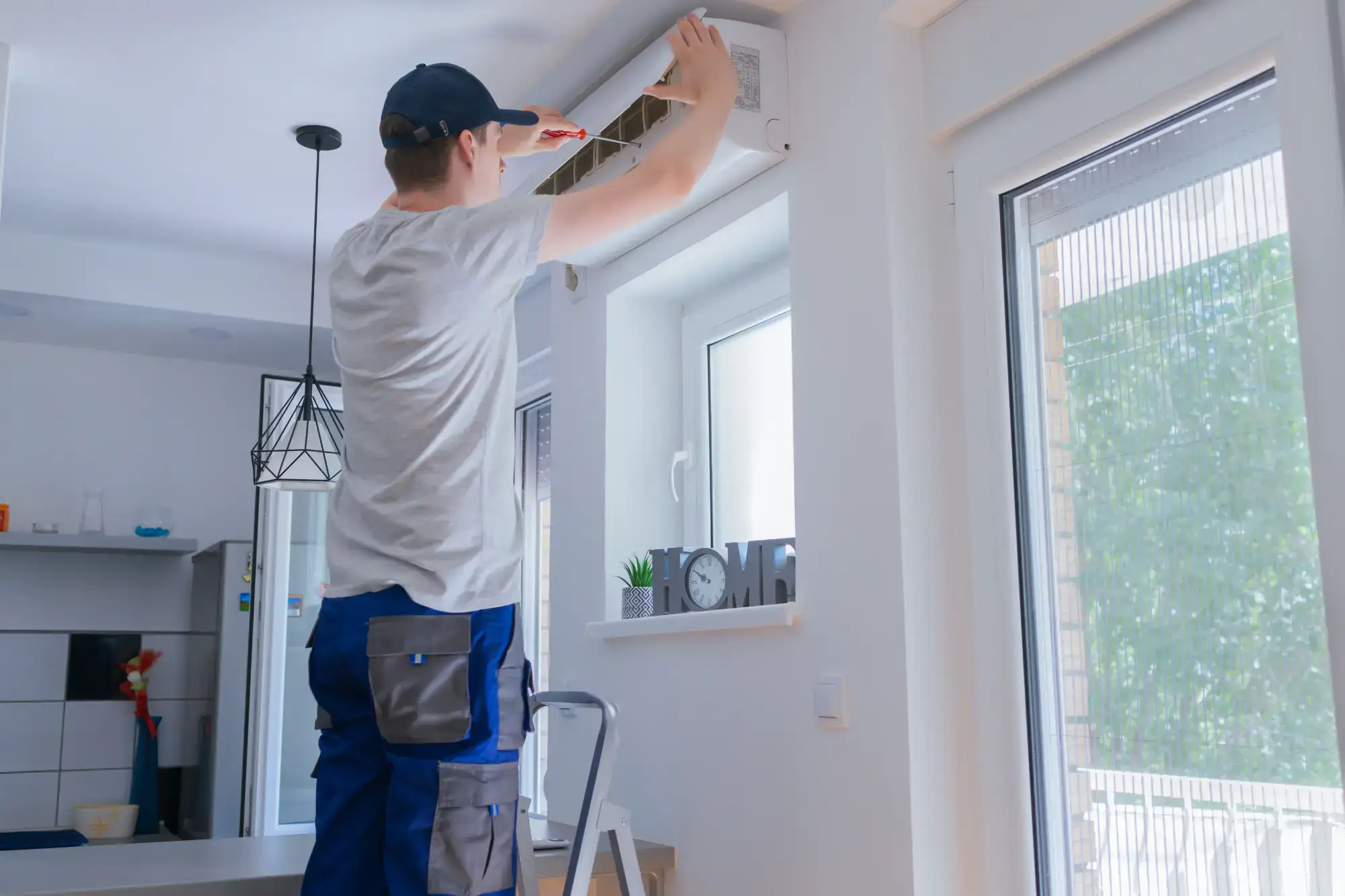
First, we come to your property for a free consultation. We’ll look at your current setup, measure your space, check your electrical system, and talk through what you’re dealing with now—hot spots, high bills, whatever the issue is.
Then we calculate the right system size for your home. This isn’t guesswork. We factor in square footage, insulation, window placement, and how coastal humidity affects cooling loads. Undersized systems run constantly and burn out early. Oversized systems cycle on and off too much and never control humidity properly.
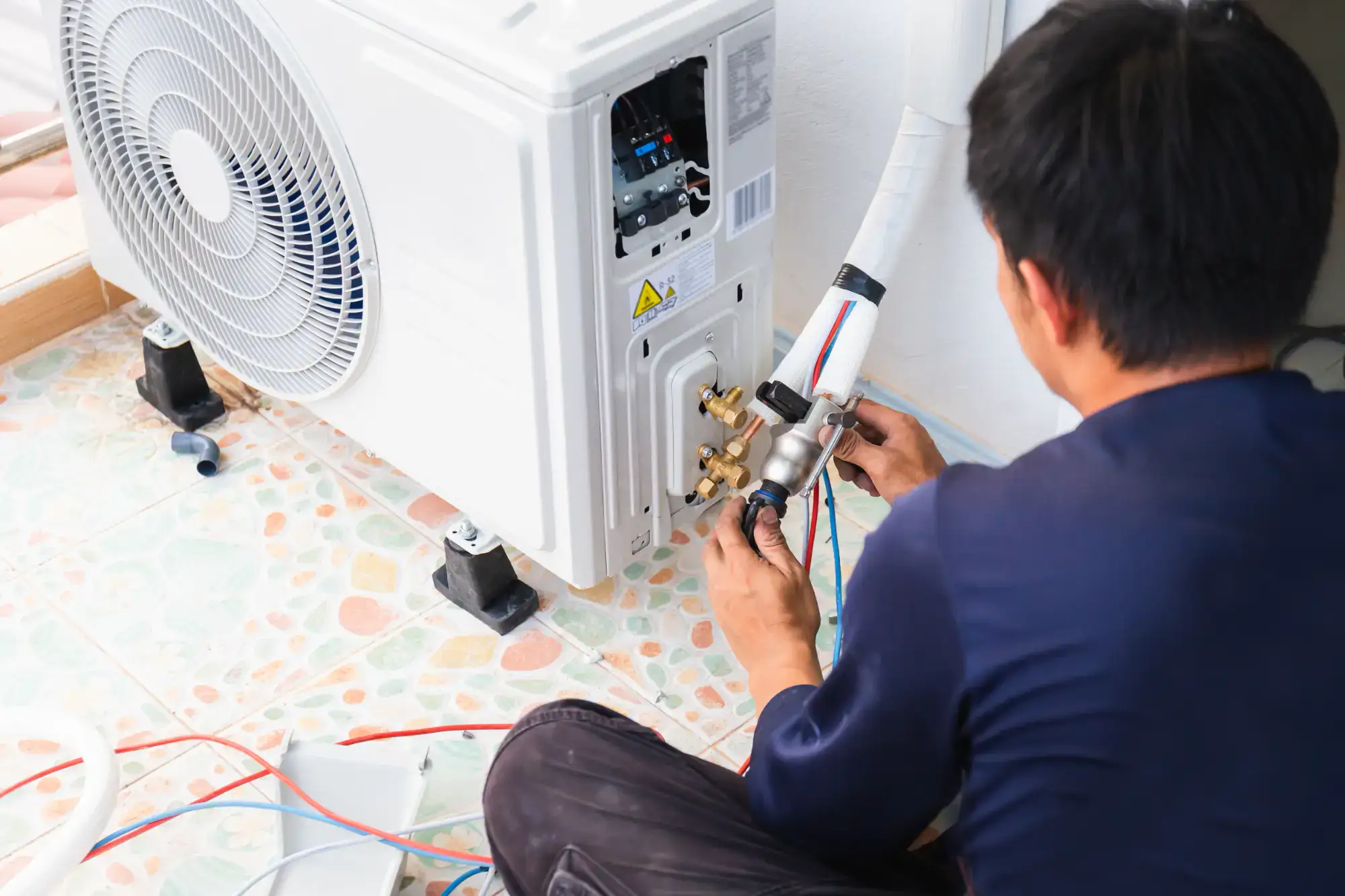
Once you approve the quote, we schedule the installation at a time that works for you. Most central AC unit installations in Seaside, NY take one to two days depending on whether we’re working with existing ductwork or installing a ductless system. We handle all the refrigerant work (which legally requires EPA certification), test the system thoroughly, and walk you through operation and maintenance before we leave.

Ready to get started?
Every home AC installation in Seaside, NY includes proper system sizing, complete refrigerant handling, electrical connections, thermostat setup, and full testing. We install high-efficiency systems from manufacturers like Fujitsu and Mitsubishi that are built to handle coastal conditions.
Seaside’s location means your system deals with salt air, higher humidity, and temperature swings that inland areas don’t see. We account for that during installation. Coastal systems need corrosion-resistant components and proper drainage to handle the moisture load. Skip those details and you’ll be calling for repairs within a year.
New York requires a minimum 13.4 SEER2 rating for any AC unit replacement in Seaside, NY. We typically recommend systems in the 16-20 SEER2 range because the upfront cost difference is small, but the long-term savings are significant. You’ll also qualify for federal tax credits up to 30% on ENERGY STAR certified systems, which helps offset the initial investment.
We offer flexible financing if you need it, and we’ll walk you through rebate programs and tax credits you’re eligible for. No hidden fees, no surprise charges.
Most residential installations in Seaside, NY run between $5,000 and $12,000 depending on system size, efficiency rating, and whether you need ductwork modifications. A basic 14 SEER system for a 1,500 square foot home sits on the lower end. A high-efficiency 20 SEER variable-speed system for a 2,500 square foot home with zone controls sits on the higher end.
Ductless mini-split systems typically cost $3,000 to $5,000 per zone. If you’re cooling three rooms, you’re looking at $9,000 to $15,000 total. These work well in Seaside because they don’t require ductwork and give you room-by-room control, which is helpful when you’re dealing with coastal temperature variations.
The price includes equipment, labor, refrigerant, electrical work, permits, and warranty. We give you a fixed quote upfront so you know exactly what you’re paying before any work starts.
Most central air installations take one to two days. If we’re replacing an existing system with similar ductwork, we can usually finish in a day. If we’re adding new ductwork, installing a larger system, or working around structural challenges, it might take two days.
Ductless systems are faster—usually four to eight hours per indoor unit. If you’re installing a three-zone system, we can typically complete everything in one day unless we run into electrical upgrades or unusual mounting situations.
We’ll give you a specific timeline during the initial consultation. Weather can affect outdoor work, and we won’t rush an installation just to hit a deadline. Proper refrigerant charging and system testing take time, and skipping those steps leads to problems down the road.
It depends on your square footage, insulation quality, window efficiency, ceiling height, and sun exposure. A typical 1,500 square foot home needs a 2.5 to 3-ton system. A 2,500 square foot home usually needs 4 to 5 tons.
But those are rough estimates. Coastal homes in Seaside deal with higher humidity loads than inland properties, which affects sizing calculations. A home with poor insulation and lots of south-facing windows needs more capacity than a well-insulated home with good shade coverage.
We do a full load calculation during your consultation. This accounts for all the variables specific to your property. Installing the wrong size is one of the most common mistakes in our industry, and it’s why some homeowners end up with systems that don’t cool properly or break down early. We size it right the first time.
You don’t necessarily need a “special” system, but you do need components that can handle salt air and higher humidity. Coastal environments are harder on HVAC equipment than inland locations. Salt accelerates corrosion on outdoor units, and constant humidity puts extra strain on the system’s ability to dehumidify.
We recommend coil coatings that resist corrosion and condensate drains that can handle higher moisture loads. Some manufacturers offer coastal protection packages specifically designed for properties near the ocean. These typically add $200 to $500 to the equipment cost but can extend your system’s lifespan by several years.
Regular maintenance matters more in coastal areas too. An annual tune-up that includes coil cleaning and corrosion inspection helps catch problems before they turn into expensive repairs. We offer service agreements that cover this if you want to stay on a regular schedule.
If you’re replacing a system that’s 10-15 years old, yes—you’ll see a noticeable drop in cooling costs. Older systems typically run at 10-12 SEER. Modern systems start at 14 SEER and go up to 22 SEER or higher. Every SEER point increase reduces your cooling costs by about 4-6%.
Upgrading from a 10 SEER system to an 18 SEER system can cut your cooling costs by 40-45%. For a Seaside home that spends $150 per month on cooling during summer, that’s $60-70 back in your pocket every month. Over a 15-year lifespan, that’s $10,000 to $12,000 in savings.
Variable-speed systems save even more because they don’t run at full blast all the time. They adjust output based on actual demand, which uses less energy and controls humidity better. The upfront cost is higher, but the payback period is usually 5-7 years, and then you’re just saving money every month after that.
Yes. Ductless mini-split systems are designed exactly for this situation. They don’t require any ductwork—just a small hole through the wall to connect the indoor unit to the outdoor compressor. This makes them ideal for older Seaside homes that were built before central air became standard.
Each indoor unit mounts on the wall and cools a specific zone or room. You can install one unit for a single room or multiple units throughout the house for whole-home cooling. Each zone has its own thermostat, so you’re not cooling rooms you’re not using.
Installation is less invasive than adding ductwork, which would require cutting into ceilings and walls throughout your home. Ductless systems also tend to be more efficient because you’re not losing cooled air through duct leaks. We install Fujitsu and Mitsubishi systems, which are the most reliable brands in the ductless category.