
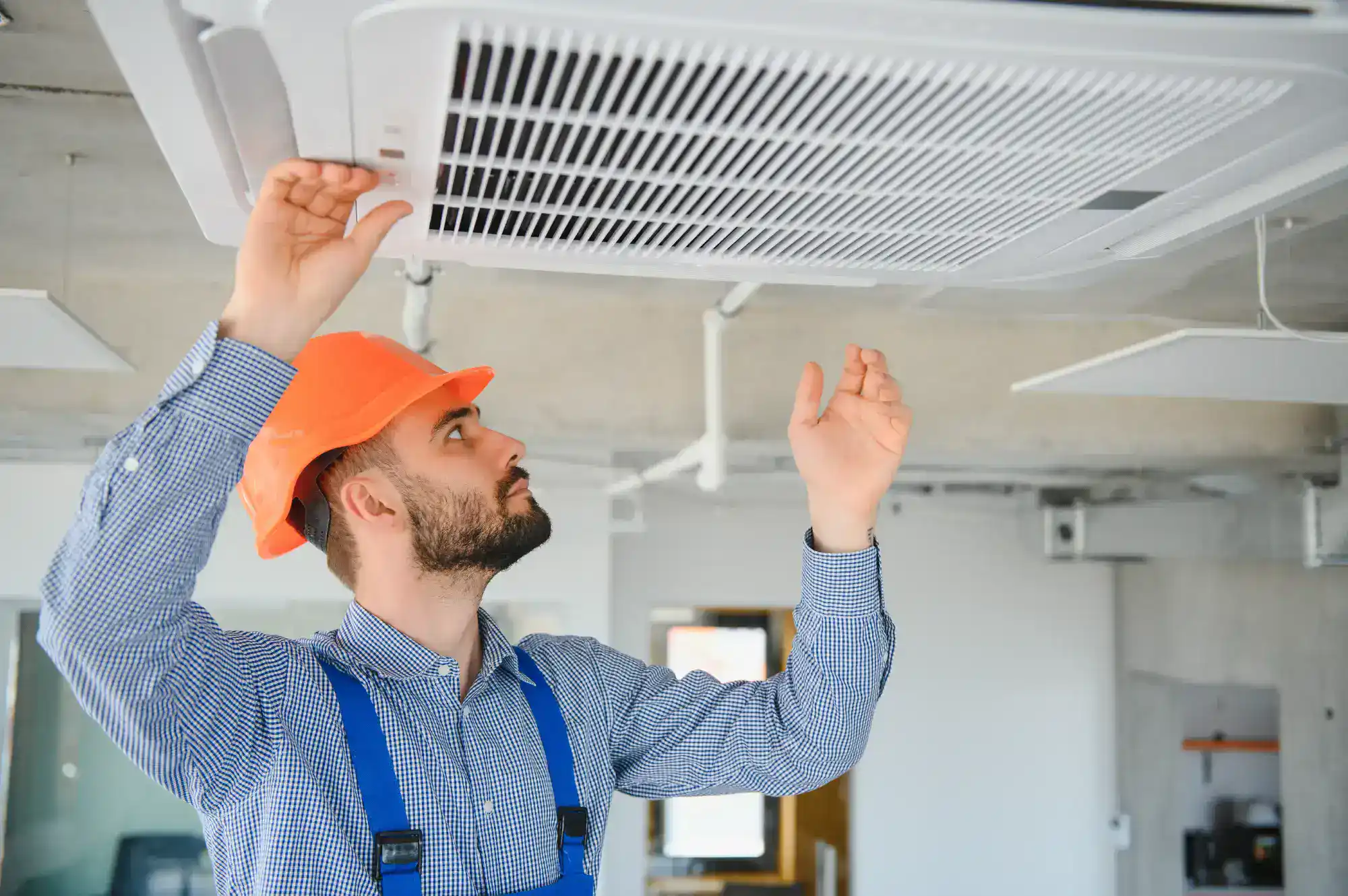
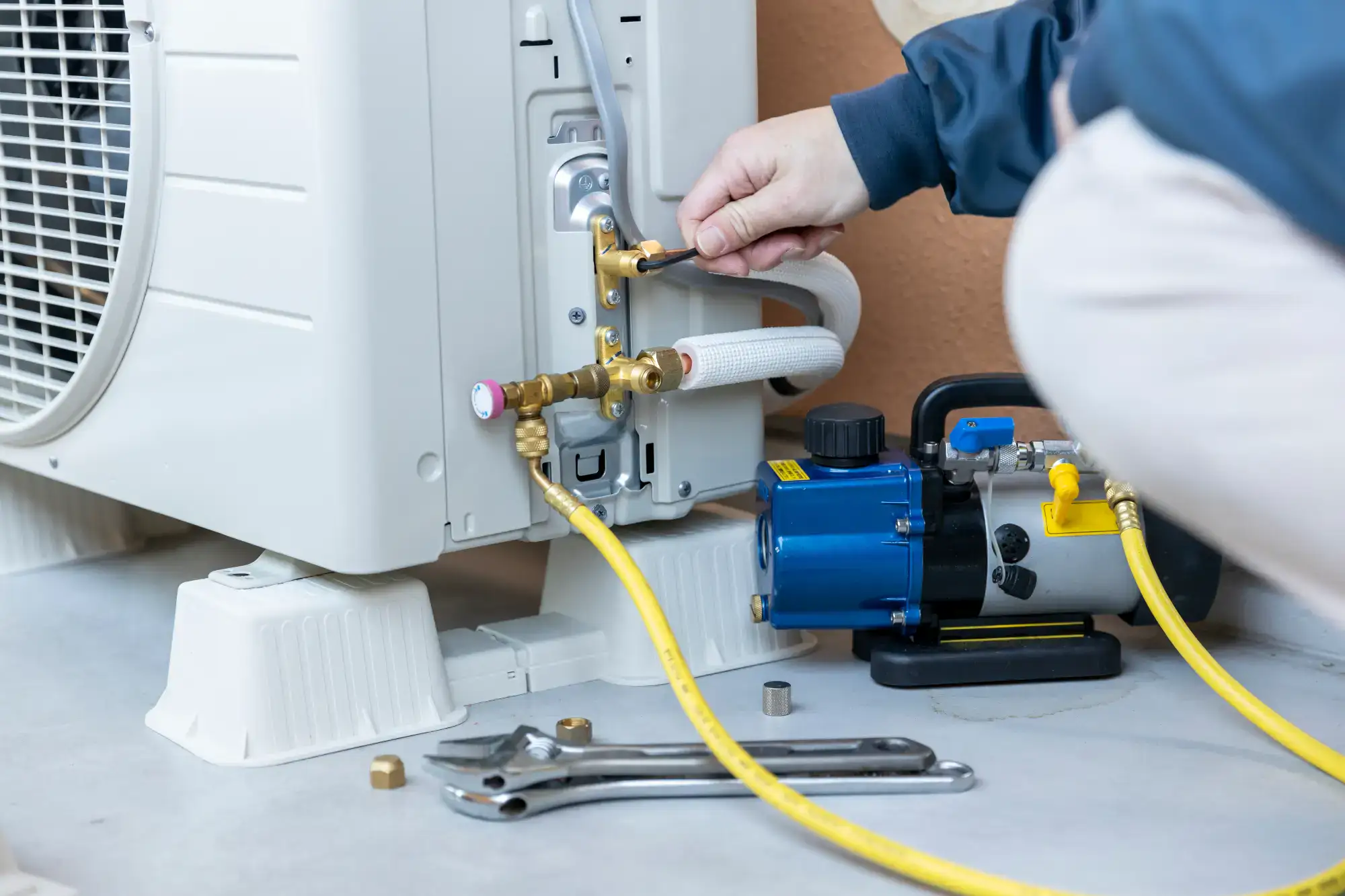
You’re not just buying cold air. You’re buying consistent temperatures in every room, lower monthly bills because the system isn’t fighting itself, and humidity control that actually works.
When your central air installation in Hollis Hills, NY is done right, your system runs the way it’s supposed to. No short cycling. No hot spots in the upstairs bedrooms. No guessing whether it’ll hold up when temperatures hit 95 degrees for the fifth day straight.
That means your family stays comfortable during heat waves that are becoming more frequent. Queens County now sees twice as many 90-degree days compared to 50 years ago, and projections show that number climbing. Your AC isn’t a luxury anymore—it’s essential protection when heat-related incidents send hundreds of New Yorkers to hospitals every summer.
Proper sizing matters more than most people realize. An oversized unit cycles on and off constantly, wasting energy and leaving your home humid. An undersized unit runs nonstop and never quite gets the job done. Both scenarios cost you money and comfort.
Excellent Air Conditioning and Heating Service has been handling HVAC system installation in Hollis Hills, NY and throughout Queens for years. We’re licensed, we’re local, and we understand what it takes to keep homes comfortable in this specific climate.
Your neighborhood has unique challenges. Those beautiful Dutch Colonial and Tudor homes from the 1920s and 30s weren’t built with central air in mind. Limited ductwork, older insulation, and specific architectural features all affect how we approach your installation.
We’re not the cheapest option, and that’s intentional. You’re paying for proper load calculations, correct equipment sizing, and installation that meets EPA standards and local permit requirements. That upfront investment means fewer service calls, lower energy bills, and a system that lasts 15-20 years instead of limping along for half that time.
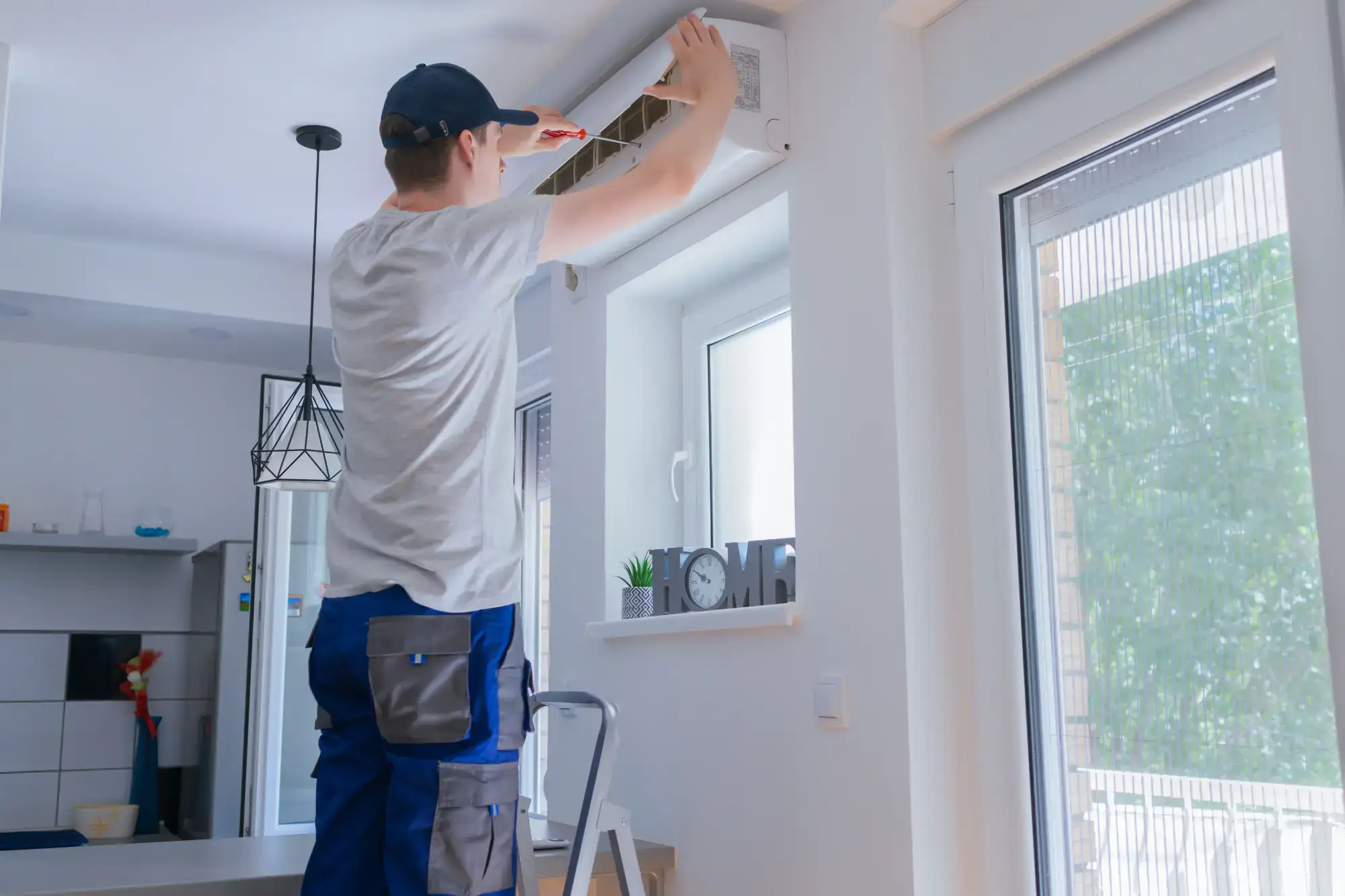
First, we calculate your actual cooling load. That means measuring your home’s square footage, checking ceiling heights, evaluating insulation quality, noting window placement, and factoring in Queens’ specific climate data. This isn’t guesswork—it’s math that determines the right system size for your space.
Next, we assess your existing setup. If you have ductwork, we inspect it for leaks, proper sizing, and airflow issues. If you don’t have ducts, we discuss options like ductless mini-split systems or the feasibility of adding ductwork without tearing your home apart.
Then we recommend equipment that fits your needs and budget. We explain efficiency ratings, manufacturer differences, and what rebates you qualify for. PSEG Long Island offers up to $700 for high-efficiency systems, and combined with manufacturer rebates, you could save over $1,400.
Installation day, we handle permits, remove your old system if you’re replacing one, install the new equipment according to manufacturer specs, test everything thoroughly, and walk you through operation and maintenance. You get documentation for warranty purposes and our contact information for any questions.
The whole process typically takes one to two days depending on complexity. We clean up completely when we’re done.

Ready to get started?
Every central AC unit installation in Hollis Hills, NY includes professional load calculations, proper equipment sizing, permit acquisition, complete installation of indoor and outdoor units, refrigerant line installation, electrical connections, thermostat setup, system testing, and a walkthrough of your new system.
If you’re looking to replace your old AC system with a new unit, we handle removal and disposal of your existing equipment. We also address any code compliance issues that might exist with older installations.
For homes without existing ductwork, we provide detailed assessments of your options. Ductless mini-splits work well in many Hollis Hills homes because they don’t require major renovations. Each indoor unit can be controlled independently, giving you zone control that actually saves energy in rooms you’re not using.
New efficiency standards increased minimum SEER2 requirements by 8-10% recently. Equipment costs went up $350-$1,500 as a result, but the energy savings are real. In a market where summer cooling costs have jumped more than 50% in the last decade, efficiency isn’t optional—it’s financial protection.
Your installation also comes with manufacturer warranty registration and guidance on maintenance schedules that keep your system running efficiently. Regular maintenance is the difference between a system that lasts 15 years and one that dies at 8.
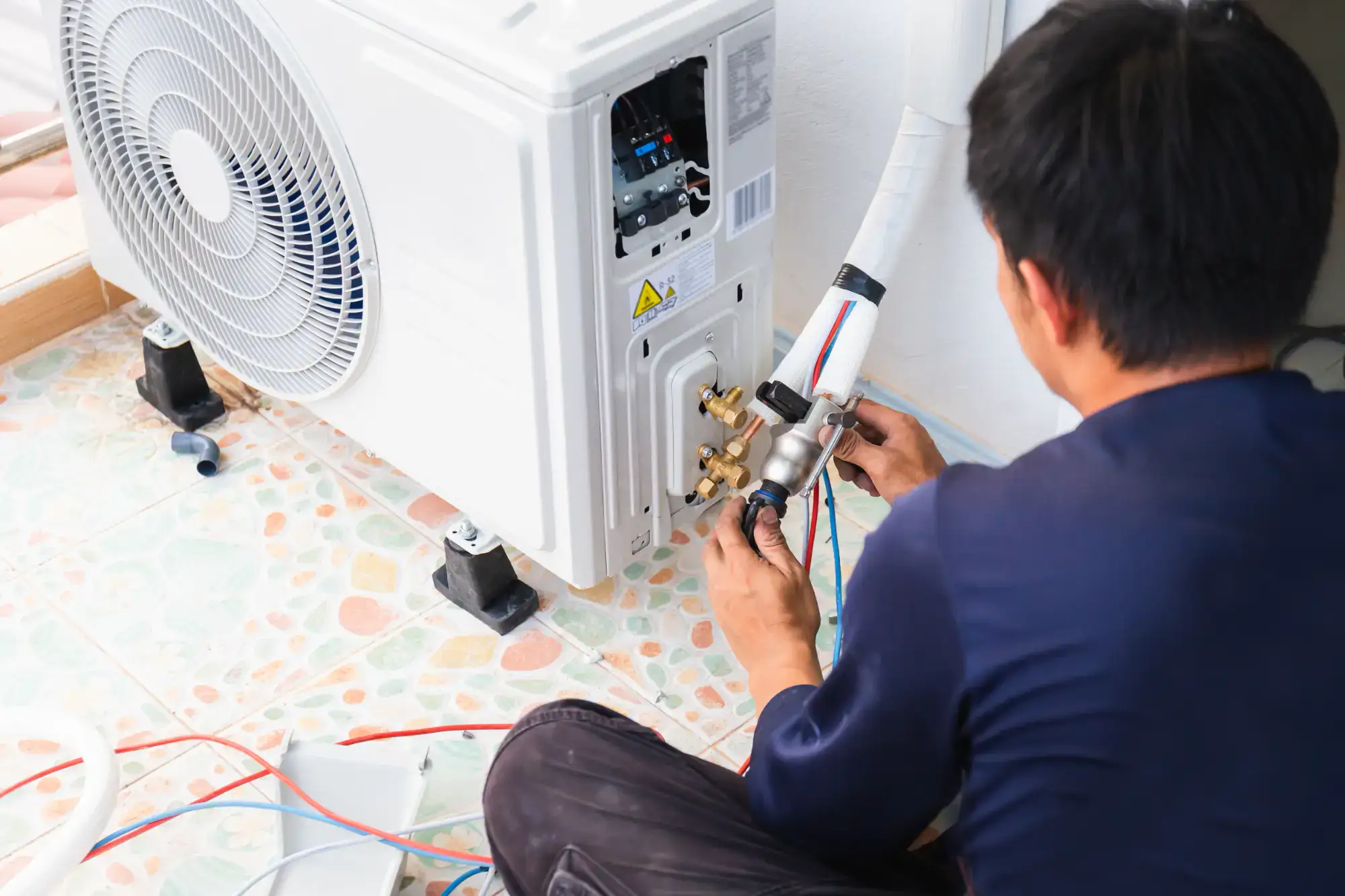
Central air installation in Hollis Hills, NY typically ranges from $4,600 to $15,800, with most homeowners paying around $8,600. That’s a wide range because your actual cost depends on system size, efficiency rating, whether you need ductwork installed, and the complexity of your home’s layout.
A 2,000 square foot home with existing ductwork might need a 3-ton system running $6,000-$8,000 installed. That same home without ductwork could run $10,000-$14,000 if you’re adding ducts, or $8,000-$12,000 for a ductless mini-split system with multiple zones.
Higher efficiency systems cost more upfront but qualify for rebates and save money monthly. PSEG Long Island’s $700 rebate for high-efficiency equipment, combined with manufacturer rebates, can cut your out-of-pocket cost by $1,400 or more. When you factor in 20-30% lower operating costs over 15 years, the math usually favors efficiency.
We provide detailed quotes after assessing your specific situation. No surprises, no pressure—just clear numbers based on what your home actually needs.
Most air conditioning installation in Hollis Hills, NY takes one to two days. Straightforward replacements where we’re swapping an old system for a new one using existing ductwork usually finish in a single day.
More complex installations take longer. Adding ductwork to a home that never had central air might take two to three days. Installing a multi-zone ductless system with four or five indoor units typically takes one and a half to two days.
Permit processing happens before installation day, so that doesn’t slow down the actual work. We schedule inspections as needed and coordinate everything to minimize disruption to your routine.
Weather can affect outdoor work slightly, but we plan around forecasts and communicate any delays immediately. Once we start, we finish. We don’t leave your home without cooling in the middle of summer.
Sizing your HVAC system installation in Hollis Hills, NY correctly requires professional load calculations—not rules of thumb or square footage estimates. Your home’s specific characteristics determine the right size.
A typical 1,500 square foot home might need anywhere from a 2-ton to a 3.5-ton system depending on insulation quality, window count and placement, ceiling height, sun exposure, and how many people live there. Older Hollis Hills homes with original single-pane windows and minimal insulation need more capacity than renovated homes with modern windows and proper insulation.
Oversizing is expensive and uncomfortable. A unit that’s too large cycles on and off constantly, never running long enough to remove humidity properly. You get cold but clammy air, and the constant cycling wears components out faster.
Undersizing means your system runs continuously on hot days and never quite catches up. Your energy bills stay high, and you’re never comfortable during the times you need AC most.
We measure everything, run the calculations, and size your system to match your home’s actual cooling load. That’s how you get even temperatures, proper humidity control, and efficiency that shows up in lower monthly bills.
Yes. Many Hollis Hills homes from the 1920s and 30s don’t have existing ductwork, but that doesn’t mean you can’t have central cooling. You have two main options: add ductwork or install a ductless mini-split system.
Adding ductwork is possible in most homes, but it requires running ducts through attics, basements, or closets. In some cases, we can use high-velocity mini-duct systems that fit in smaller spaces and work around your home’s existing structure. This approach gives you traditional central air with vents in every room.
Ductless mini-split systems are often the better choice for older homes. These systems use small refrigerant lines instead of bulky ductwork, so installation is less invasive and less expensive. You get individual indoor units in the rooms you want cooled, each with its own temperature control.
The zone control feature of ductless systems actually saves energy. You’re not cooling empty rooms, and family members can set their preferred temperatures in their own spaces. Installation typically costs less than adding ductwork, and efficiency is excellent because you’re not losing cooled air through duct leaks.
Both options work. The right choice depends on your home’s layout, your budget, and how you use your space. We assess both approaches and explain the pros and cons specific to your situation.
Yes, most AC unit replacement in Hollis Hills, NY requires permits. New York City requires Equipment Use Permits for units over 36,000 BTUs, which covers most residential systems. Depending on your system size and type, you might also need a Refrigerating System Permit.
Permits aren’t red tape—they ensure your installation meets safety codes and efficiency standards. Inspections verify that electrical connections are safe, refrigerant handling meets EPA requirements, and the installation won’t create hazards.
We handle all permit applications and scheduling as part of your installation. You don’t need to visit any offices or deal with paperwork. We know what’s required, we submit the applications, and we coordinate inspections.
Skipping permits creates problems down the road. If you sell your home, unpermitted work can delay or kill your sale. If something goes wrong with an unpermitted installation, your homeowner’s insurance might deny claims. And if the city discovers unpermitted work, you’ll pay fines plus the cost of bringing everything up to code.
Licensed contractors pull permits because it’s the right way to do the work. It protects you legally and ensures the installation is done safely.
Your savings depend on what you’re replacing and what you’re installing. If you’re replacing a 15-year-old system with a new high-efficiency unit, you could see 20-40% lower cooling costs. That might translate to $40-$80 per month during summer, or $240-$480 per cooling season.
New minimum efficiency standards (SEER2) are 8-10% higher than old standards, so even a basic new system will outperform an older unit. Premium high-efficiency systems can hit SEER2 ratings of 18-20 or higher, delivering even better savings.
Proper sizing matters as much as efficiency ratings. An oversized old system that cycles constantly might cost you $500 monthly to run. A correctly sized new system might drop that to $200-$250 monthly—not just because it’s more efficient, but because it’s not fighting itself.
In Queens, where summer cooling costs have jumped more than 50% in the last decade, efficiency is financial protection. Energy prices aren’t going down, and heat waves are becoming more frequent. A system that uses 30% less energy to do the same job saves you more money every year.
We calculate estimated operating costs during your quote so you can see the real-world difference between equipment options. Sometimes spending $2,000 more upfront saves you $4,000 over the system’s lifetime.