
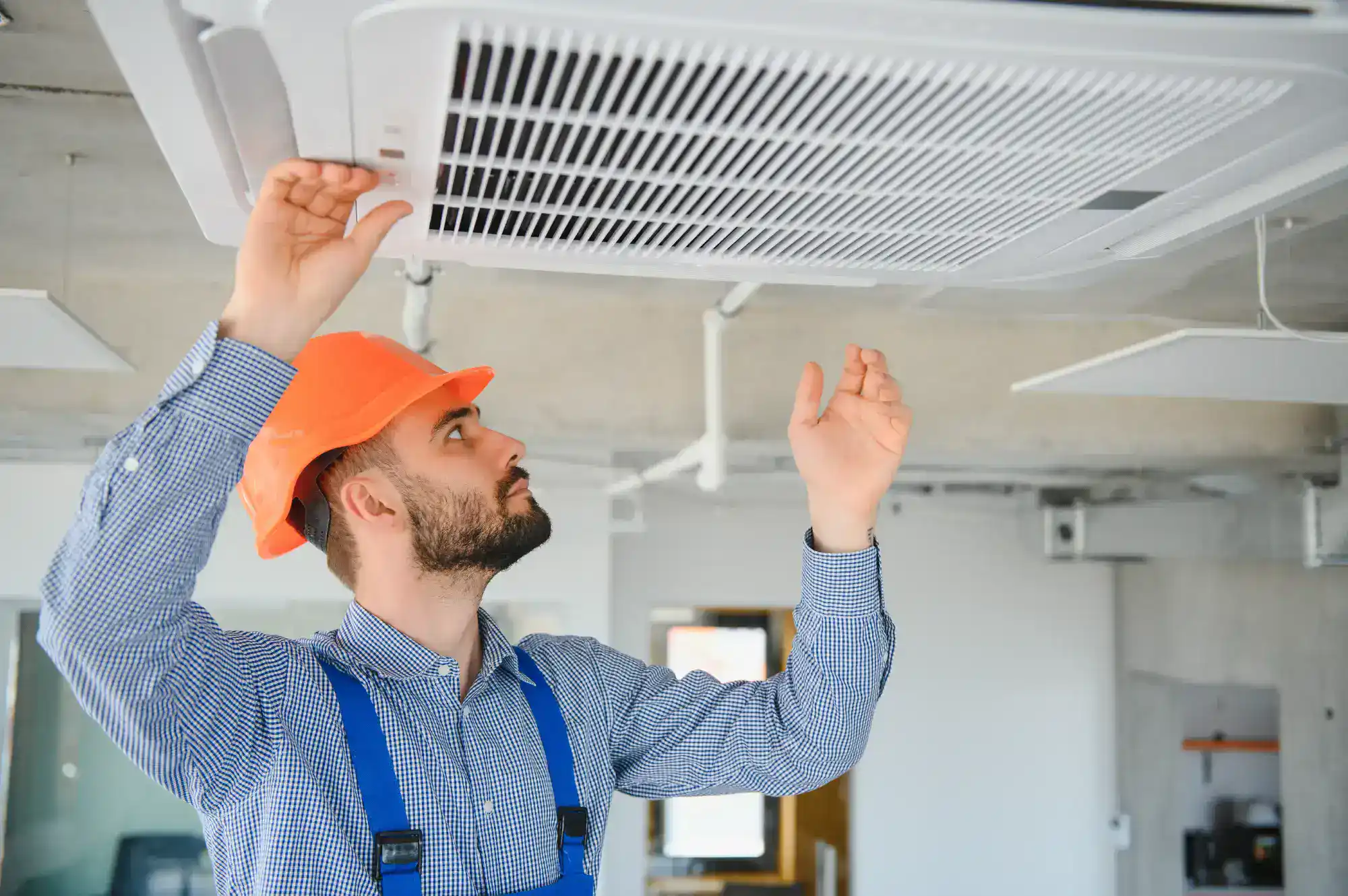
You’re dealing with humidity that rolls off Jamaica Bay and heat that doesn’t quit from June through September. Your AC system needs to handle both without running up your electric bill or breaking down when temperatures spike.
A properly sized central air installation in Broad Channel, NY means even cooling throughout your home, whether you’re in a raised Cape Cod or a vinyl-clad cottage. You’re not adjusting thermostats room by room or dealing with hot spots upstairs. The system runs efficiently because it was sized correctly from the start, not guessed at or copied from the house next door.
You’ll notice lower humidity indoors, which matters in a coastal area where moisture can damage everything from your walls to your belongings. The right HVAC system installation in Broad Channel, NY also means fewer repairs down the line because the equipment isn’t overworked trying to compensate for poor design or installation shortcuts.
We’ve been installing AC systems across Queens and Nassau County long enough to understand what works in Broad Channel and what doesn’t. We’ve worked in homes rebuilt after Sandy, elevated structures that need special attention, and older cottages from the 1940s and 50s that require electrical upgrades before any new system goes in.
We’re licensed and insured for NYC work, which means we handle permits, inspections, and code compliance so you don’t have to figure it out yourself. Our team knows the island, understands the flood risk, and installs systems built to last through coastal weather.
You’re not getting a crew that disappears after installation. We’re local, we service what we install, and we’re here when you need us.
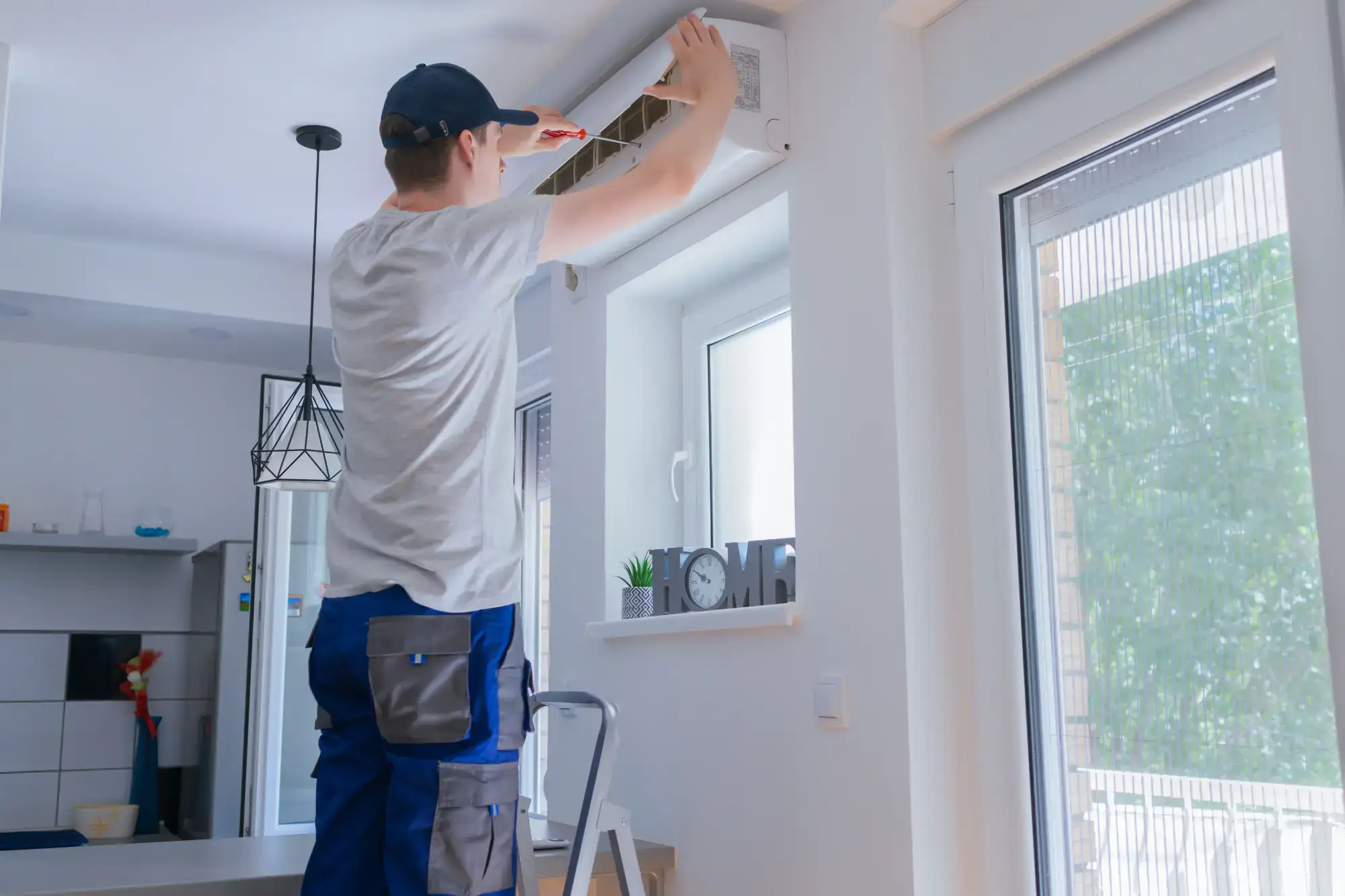
We start with an in-home assessment where we measure your space, check your existing ductwork if you have it, and look at your electrical panel to see if upgrades are needed. This isn’t a quick walkthrough—we’re doing a proper load calculation to size your system correctly for Broad Channel’s coastal climate and your home’s layout.
Once we know what you need, we give you a detailed estimate that breaks down equipment, labor, permits, and any electrical work required. No surprises, no hidden fees. If your home needs ductwork installed or repaired, we’ll tell you upfront what that involves and why it matters.
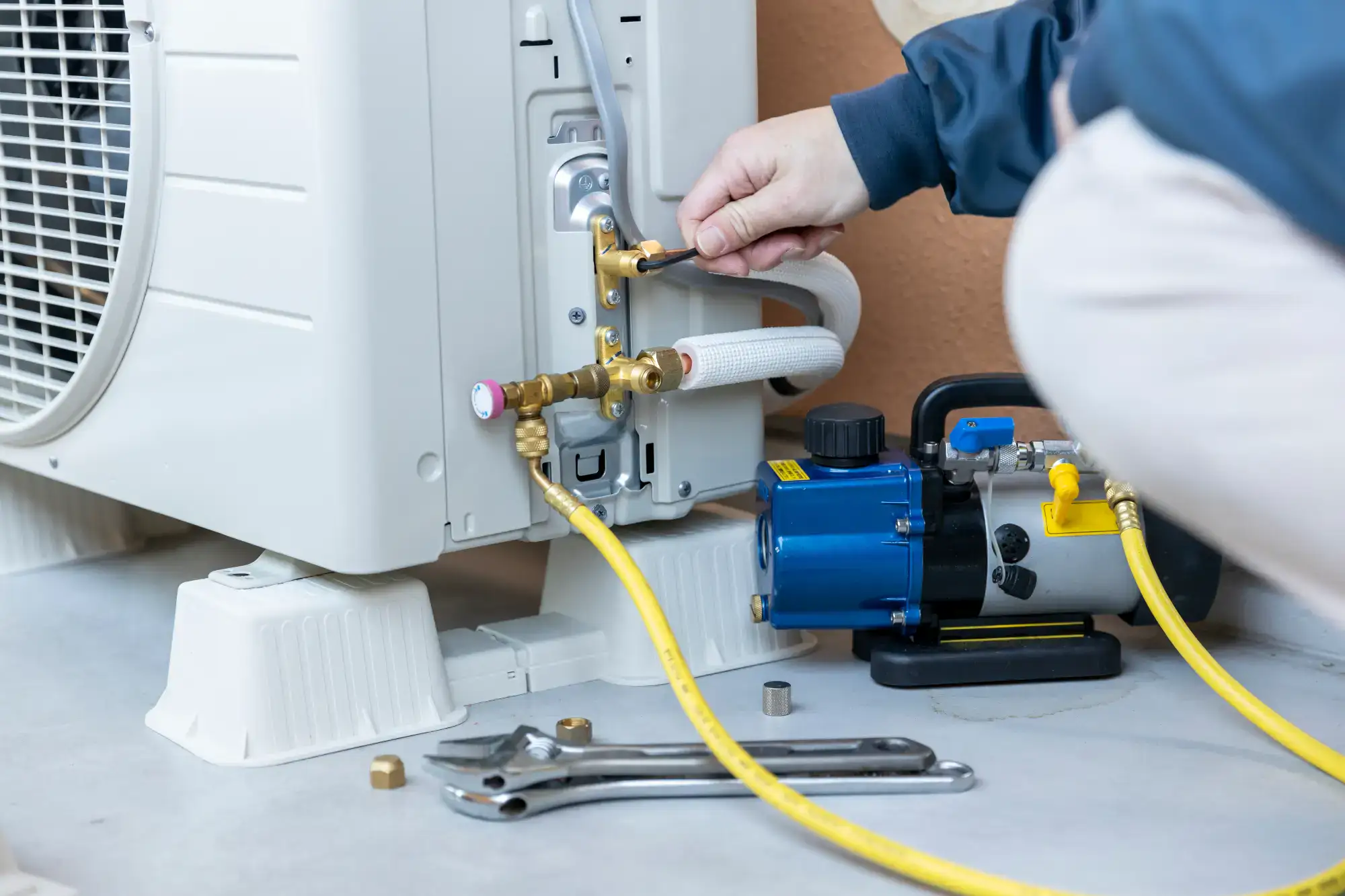
Installation day, our crew shows up on time with everything needed to complete the job. We install the outdoor condenser on a secure pad (elevated if your home requires it), mount the indoor air handler, connect refrigerant lines, wire the thermostat, and test the entire system before we leave. We walk you through how everything works, answer your questions, and make sure you’re comfortable operating your new AC system.
After installation, we handle the final inspection and provide you with warranty information for both the equipment and our workmanship. You’ll have our contact information for any follow-up questions or service needs.

Ready to get started?
When you’re replacing an old AC system with a new unit in Broad Channel, NY, you’re getting more than just the air conditioner itself. Our HVAC system installation includes proper load calculations specific to your home’s square footage, insulation, window placement, and exposure to sun and coastal humidity. This matters because an oversized system cycles on and off too frequently, wearing out components faster and failing to dehumidify properly. An undersized system runs constantly, driving up your energy bills without keeping you comfortable.
We handle all permit applications and coordinate inspections with NYC building departments. For elevated homes common in Broad Channel, we ensure outdoor units are mounted securely and positioned to minimize flood risk while maintaining proper airflow and access for future service.
You’ll get a programmable or smart thermostat installed and configured, so you can control your system efficiently whether you’re home or away. We install HEPA filtration if you want improved air quality, which helps with allergens and humidity-related issues common in coastal areas. Our installation includes testing refrigerant levels, checking electrical connections, verifying proper drainage from the condensate line, and confirming airflow throughout your home meets manufacturer specifications.
We work with quality equipment from Trane, Ruud, Rheem, Goodman, Samsung, and Fujitsu—brands known for reliability and backed by solid warranties. If ductless mini-splits make more sense for your home’s layout, we’ll explain why and show you what that system would look like instead.
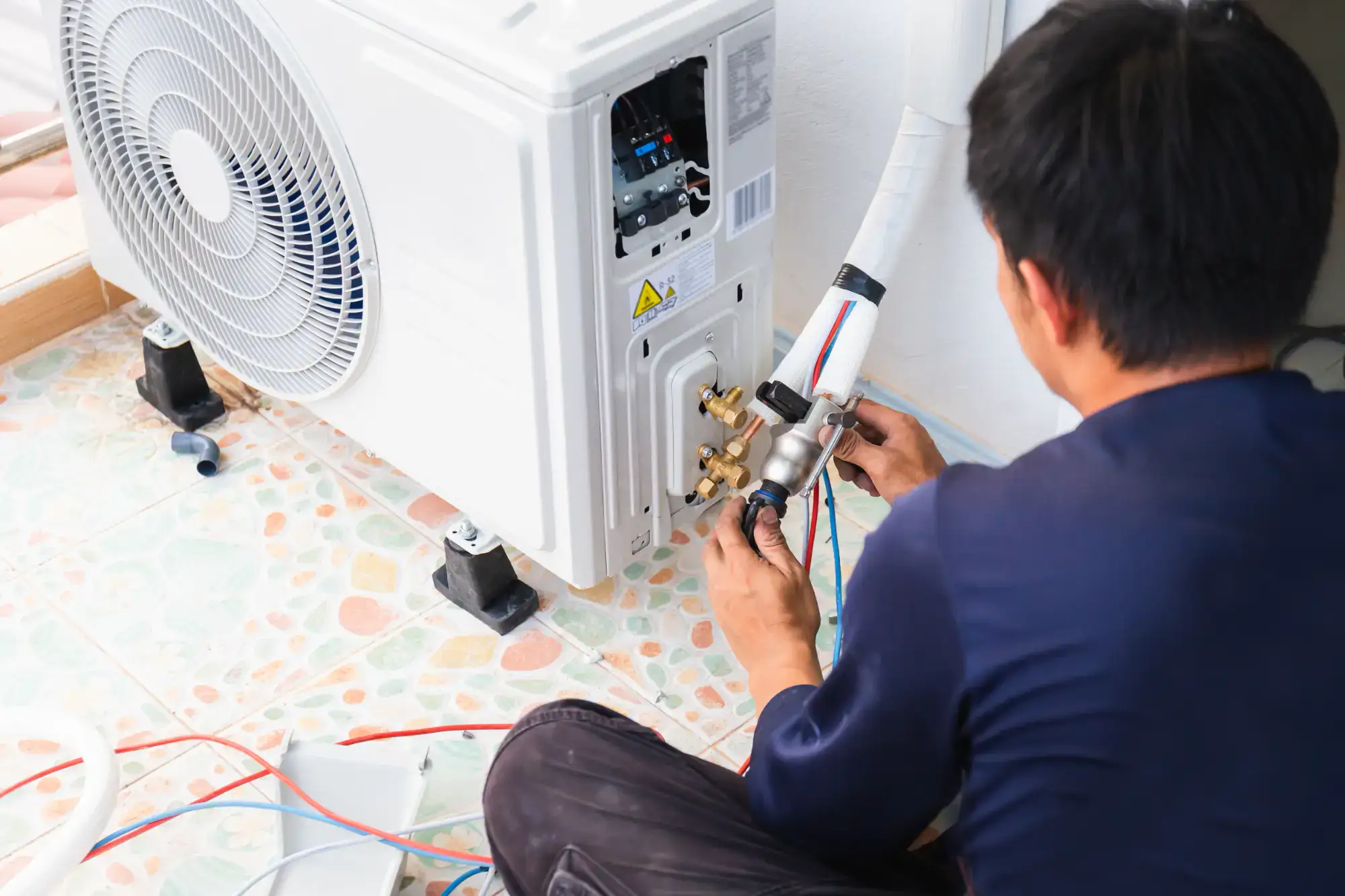
Most central air installations in Broad Channel, NY take one to two days depending on whether you already have ductwork and if your electrical panel needs upgrading. If we’re installing a system in a home with existing ducts in good condition and adequate electrical capacity, we can typically complete the job in one full day.
Homes that need new ductwork added or significant duct repairs will take longer—usually two days. Older homes built in the 1940s and 50s often need electrical panel upgrades to handle modern AC systems safely, which adds time to the project. We’ll know exactly what your home needs after the initial assessment and give you a realistic timeline before we start.
Ductless mini-split installations are generally faster, often completed in one day since there’s no ductwork involved. The timeline also depends on whether we’re installing one indoor unit or multiple zones throughout your home.
The right size depends on your home’s square footage, insulation quality, number of windows, ceiling height, and how much sun exposure you get—not just a generic calculation based on square footage alone. Coastal homes in Broad Channel also deal with higher humidity levels than inland areas, which affects sizing requirements.
We do a Manual J load calculation during our assessment, which is the industry standard for proper sizing. This calculation accounts for your specific home’s characteristics and Broad Channel’s climate. A typical raised cottage might need anywhere from a 2-ton to 4-ton system, but that’s a rough range—your home might fall outside it depending on its condition and layout.
Contractors who size systems by rule of thumb or just match whatever you had before are setting you up for problems. An oversized system costs more upfront, cycles on and off constantly, fails to dehumidify properly, and wears out faster. An undersized system runs nonstop during heat waves, drives up your electric bill, and never quite gets your home comfortable. Proper sizing matters more than most people realize, especially in a humid coastal environment.
Yes, you need permits for AC installation in Broad Channel because it’s part of NYC and subject to city building codes. Any work that involves electrical connections, refrigerant lines, or structural modifications requires proper permitting and inspection.
We handle the permit application process as part of our installation service. This includes submitting plans, coordinating with inspectors, and ensuring everything meets current NYC codes—which have been updated since Hurricane Sandy to address flood risk and resilience requirements for coastal areas.
Some homeowners try to skip permits to save money or time, but that’s a mistake. Unpermitted work can cause problems when you sell your home, void your equipment warranty, create liability issues if something goes wrong, and result in fines if discovered during a future inspection. Insurance companies can also deny claims related to unpermitted work. The permit process exists to ensure your installation is safe and done correctly, which protects you long-term.
Yes, we regularly install AC systems in elevated homes throughout Broad Channel. Many homes were raised after Hurricane Sandy, and these installations require specific considerations that standard ground-level installations don’t.
The outdoor condenser unit needs to be mounted on a secure platform that’s elevated above potential flood levels while still allowing proper airflow around the unit. We also need to ensure refrigerant lines and electrical connections are protected and properly supported between the elevated condenser and your indoor air handler. The installation has to meet NYC’s post-Sandy building codes for coastal flood zones.
Elevated homes sometimes have limited space underneath for equipment placement, so we evaluate your property during the assessment to determine the best location for the outdoor unit. In some cases, the condenser can be mounted on an elevated deck or platform attached to the house structure itself. We’ll show you what makes sense for your specific home and explain why we’re recommending that approach. The goal is a system that works efficiently, meets code requirements, and minimizes flood risk without compromising performance or future service access.
Central air installation in Broad Channel, NY typically ranges from $5,000 to $12,000 depending on system size, equipment quality, whether you need ductwork installed or repaired, and if electrical upgrades are required. That’s a wide range because every home is different.
A straightforward replacement where you already have good ductwork and adequate electrical capacity will cost less than a home that needs new ducts run or a panel upgrade. Elevated homes sometimes cost more to install because of the additional work required to mount equipment properly and run lines safely. Higher-efficiency systems cost more upfront but reduce your energy bills over time—whether that trade-off makes sense depends on how long you plan to stay in your home and what your current cooling costs look like.
We provide detailed estimates that break down exactly what you’re paying for, so you can see where the money goes. We’re not the cheapest option in Queens, and that’s intentional. You’re paying for proper load calculations, quality installation that meets code, experienced technicians who know coastal homes, and local service after the installation is complete. Cheap installations often mean shortcuts that cost you more in repairs, efficiency losses, and shorter equipment life. We’d rather give you a fair price for work done right than win your business with a low bid and cut corners to make it profitable.
If your system is over 12 years old, needs frequent repairs, or struggles to keep your home comfortable during summer, replacement usually makes more sense than continuing to repair it. AC systems have a typical lifespan of 12 to 15 years in coastal areas like Broad Channel, where salt air and humidity are harder on equipment than inland climates.
Here’s a practical way to think about it: if the repair cost is more than half the price of a new system, or if you’ve spent more than $1,000 on repairs in the past two years, you’re likely better off replacing the system. Older systems also use R-22 refrigerant, which is being phased out and has become expensive. If your system needs a refrigerant recharge, that alone can cost as much as putting that money toward a new, more efficient system.
New AC systems are significantly more efficient than units installed 10 or 15 years ago. Modern systems can cut your cooling costs by 30% to 45%, which adds up over time. They also handle humidity better, break down less frequently, and come with warranties that cover parts and labor for several years. If you’re planning to stay in your Broad Channel home for more than a few years, replacement is usually the smarter financial decision once your system reaches that age and starts having problems.