
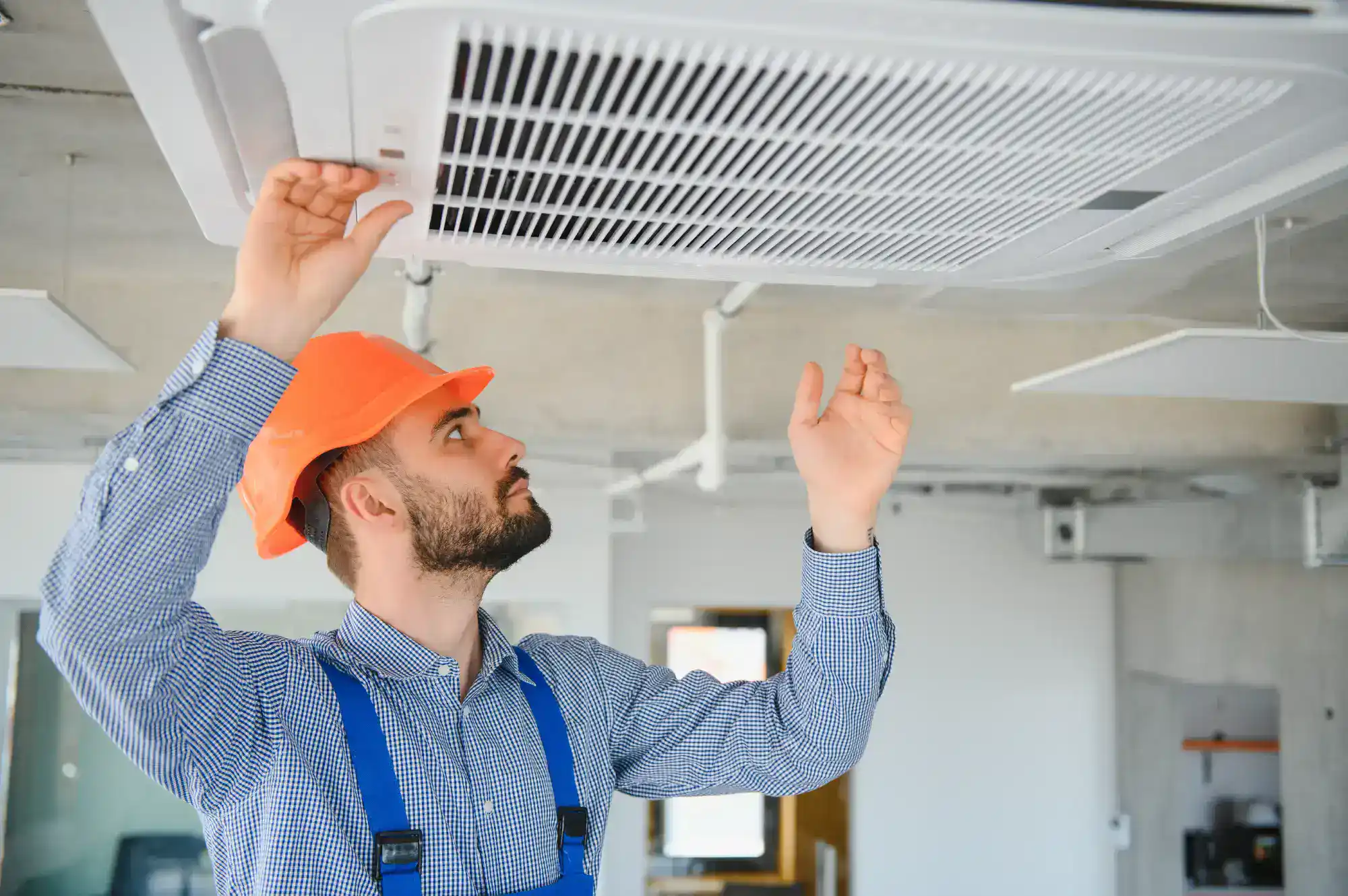
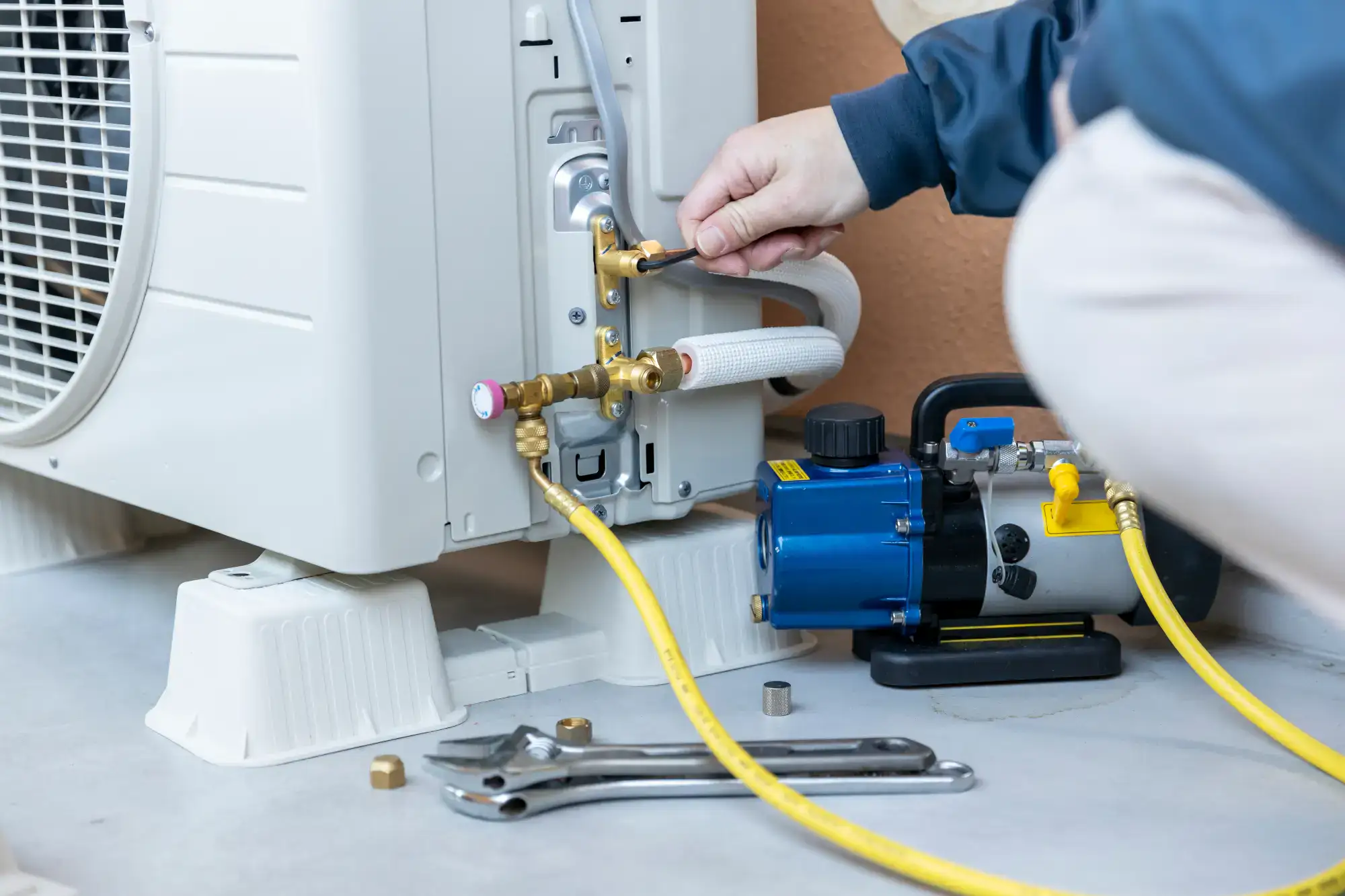
Most homes in Auburndale weren’t designed for central air. They were built in the 40s and 50s, back when window units were the only option. That means ductwork might not exist, electrical panels might need upgrades, and sizing calculations actually matter.
When your AC installation in Auburndale is done right, you’re not adjusting thermostats every hour or dealing with rooms that never cool down. You’re not calling someone back three weeks later because the unit’s freezing up or the humidity feels worse than before.
You get even temperatures in every room. Lower electric bills than running five window units. And a system that doesn’t quit the first week of July when everyone else is calling for emergency service.
We work in Auburndale and the surrounding Queens neighborhoods because we know what these homes need. We’re licensed, insured, and we don’t push equipment you don’t need.
Most of our work involves older homes—the kind with plaster walls, tight spaces, and electrical systems that need careful planning. We’ve handled enough HVAC system installations in Auburndale to know what works and what causes problems down the line.
You won’t get a pushy sales pitch. You’ll get a straight answer about what your home needs, what it’ll cost, and how long it’ll take.
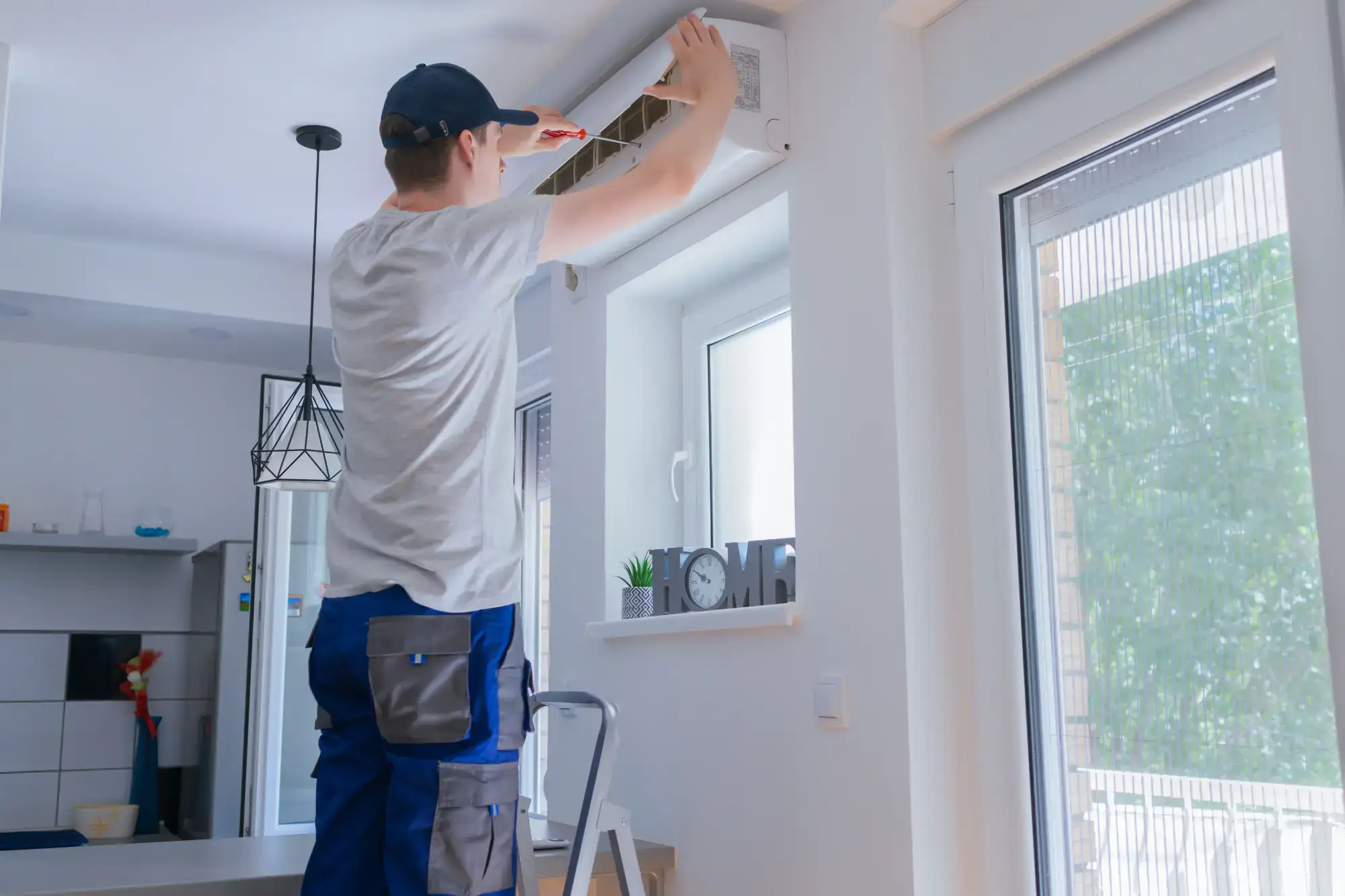
First, we measure your space and calculate the actual cooling load. That means accounting for sun exposure, insulation, windows, and how your home is laid out. Most homes in Auburndale need between 2 and 5 tons of cooling capacity—but guessing wrong means you’re either wasting money or staying uncomfortable.
Next, we walk you through your options. Central air if you have ductwork or space to add it. Ductless mini-splits if you don’t want to tear into walls. We explain what each system costs, how it’ll perform, and what makes sense for your situation.
Installation day, we show up on time with everything we need. We connect the indoor and outdoor units, handle all electrical work, test refrigerant levels, and make sure airflow is balanced. Most residential AC unit replacements in Auburndale take 6 to 12 hours depending on the setup.
Before we leave, we walk you through how to operate the system and what to watch for. Then we clean up, haul away your old unit, and leave you with a system that works.

Ready to get started?
Every air conditioning installation in Auburndale includes load calculations, equipment sizing, and a written estimate with no hidden fees. You’ll know exactly what you’re paying before any work starts.
We install the indoor and outdoor units, connect all electrical components, integrate with existing or new ductwork, and test every connection. Refrigerant levels get checked and adjusted. Airflow gets balanced so every room cools evenly.
You also get manufacturer warranties on the equipment—typically 5 to 10 years depending on the brand—plus our labor warranty on the installation work itself. And because so many homes here are older, we’re used to working around tight spaces, outdated wiring, and layouts that weren’t designed for modern HVAC systems.
Pricing depends on what you’re installing. Central air systems typically run $3,000 to $8,000. Ductless mini-splits run $2,000 to $5,000 per unit. If your home needs ductwork or electrical upgrades, we’ll tell you upfront so there are no surprises halfway through the job.
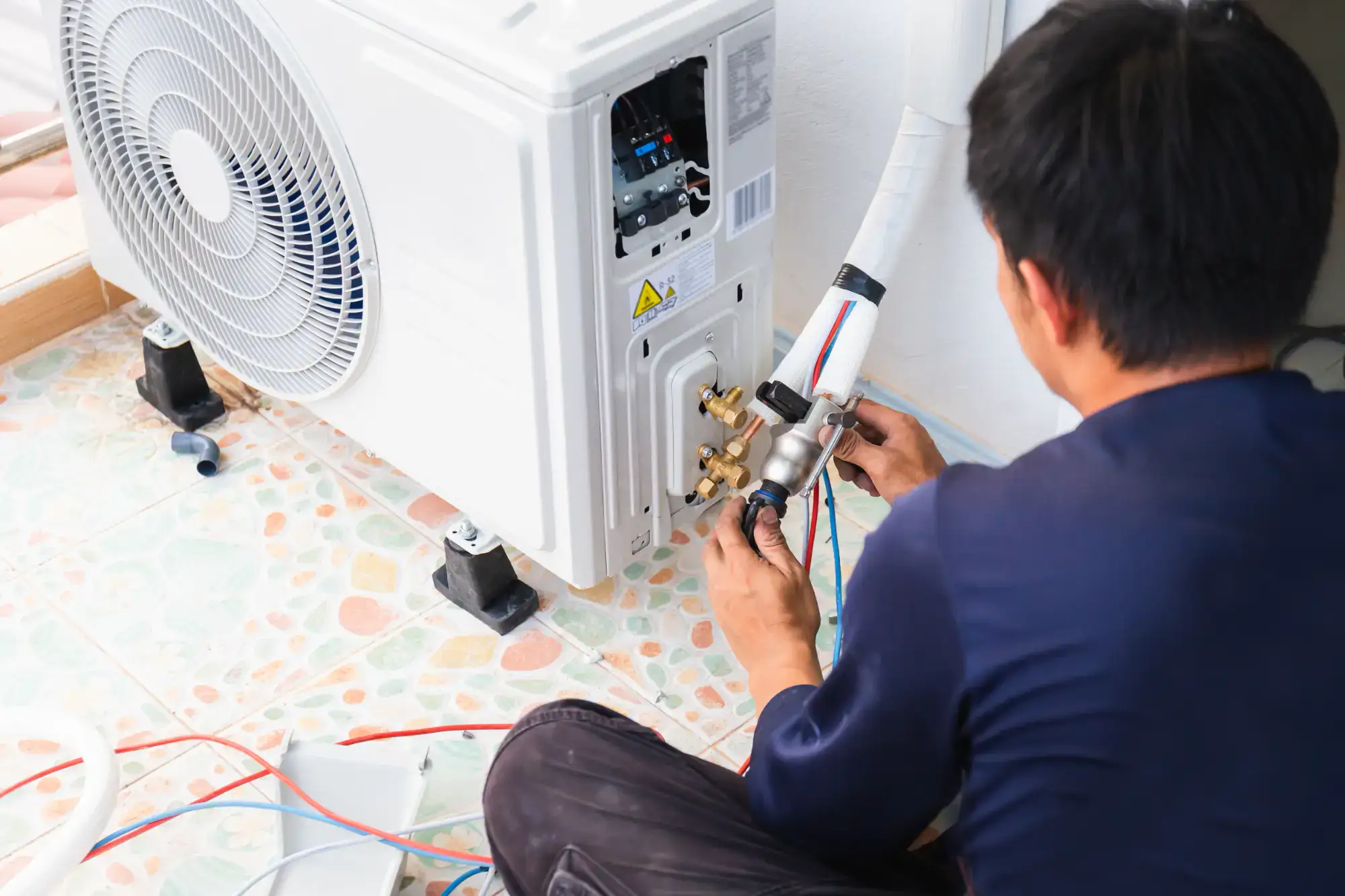
Sizing isn’t about square footage alone. It’s about heat load—how much cooling your home actually needs based on insulation, windows, sun exposure, ceiling height, and how many people live there.
Most homes in Auburndale need between 2 and 5 tons of cooling capacity. A unit that’s too small won’t keep up on hot days. A unit that’s too large will cycle on and off constantly, which wastes energy and leaves your home feeling humid.
We do a full load calculation before recommending equipment. That means measuring your space, checking insulation levels, noting which walls get direct sun, and factoring in your ductwork situation. It’s the only way to size a system correctly and avoid problems later.
Yes, but it depends on your home’s layout and how much you’re willing to invest. Adding ductwork means running metal channels through walls, ceilings, or attics—and in older Auburndale homes, that can get complicated.
If your home has a basement or accessible attic space, ductwork installation is more straightforward. If not, you’re looking at cutting into walls and ceilings, which adds cost and time.
Ductless mini-split systems are a solid alternative. They don’t require ducts—just small holes for refrigerant lines. You get individual units in each room or zone, and they’re often more efficient than central air. Installation is faster, less invasive, and you still get whole-home cooling without the renovation.
Most straightforward installations take 6 to 12 hours. That’s for homes with existing ductwork and electrical capacity that can handle the new system.
Older homes sometimes need extra work. If your electrical panel is outdated, we may need to upgrade it before installing a new AC unit. If ductwork needs to be added or modified, that extends the timeline.
Ductless systems are usually faster because there’s no ductwork involved. We mount the indoor units, run refrigerant lines through small holes in the wall, connect everything to the outdoor condenser, and test the system. You’re typically up and running the same day.
Replacing an AC unit means swapping out your old outdoor condenser and indoor evaporator coil with new ones—but keeping your existing ductwork and setup. It’s less invasive and usually costs less.
Installing a new system means you’re either adding central air where it didn’t exist before, or you’re upgrading to a different type of system like ductless mini-splits. This involves more planning, potentially new ductwork or electrical work, and a higher upfront cost.
If your current system is over 10 years old, struggles to keep up, or needs frequent repairs, replacement makes sense. If you’re still relying on window units or your home has never had central air, you’re looking at a full installation.
Central air systems typically run $3,000 to $8,000 depending on the size, brand, and complexity of the installation. Ductless mini-split systems cost $2,000 to $5,000 per unit, and most homes need two to four units for full coverage.
Costs go up if your home needs ductwork installed, electrical panel upgrades, or structural modifications. Older homes in Auburndale often require at least some additional work because they weren’t built with modern HVAC in mind.
We provide written estimates before starting any work. You’ll see exactly what’s included, what the equipment costs, and what labor runs. No surprise charges, no upselling equipment you don’t need—just a clear breakdown so you can make an informed decision.
Fall and spring are usually better times to install. Demand is lower, so you’ll get faster scheduling and sometimes better pricing. Summer installations are possible, but wait times are longer because everyone’s calling when their AC fails during a heatwave.
If your system is already struggling or you know it won’t make it through another summer, don’t wait. A failed AC unit in July means you’re competing with dozens of other emergency calls, and you might be waiting days for installation.
Off-season installations also give you time to research options, compare estimates, and make a decision without the pressure of sweating through 90-degree days. You’ll have your system ready before you actually need it, which is always the better position to be in.