

You’re not dealing with window units that barely cool one room anymore. You’re not sweating through July nights or worrying whether your system will make it through August. With a properly installed central air system, every room in your home gets consistent, reliable cooling when temperatures climb into the 80s and humidity makes everything feel worse.
Long Island summers don’t give you a break. When the heat hits, you need a system that’s been sized correctly for your square footage, installed by someone who knows what they’re doing, and efficient enough that your electric bill doesn’t double every month. That’s what central air installation in Hewlett, NY should deliver.
Today’s ENERGY STAR certified systems with high SEER ratings keep your monthly costs down while keeping your family comfortable. You’re not just buying equipment—you’re buying peace of mind that your home will stay cool when it matters most, without the constant worry of breakdowns or sky-high utility bills.
We’ve been installing HVAC systems in Nassau County long enough to know what works in Hewlett’s older homes and what doesn’t. We understand the challenges of homes that may lack modern ductwork or need electrical upgrades to support new systems. We’re not here to oversell you or push equipment you don’t need.
Our approach is straightforward: we assess your home, explain what’s required, give you an upfront estimate, and install your system correctly. We’re licensed, insured, and local. When you call, you’re talking to people who know this community and stand behind our work with real service warranties.
You won’t get a sales pitch from us. You’ll get honest advice about what your home needs, how much it costs, and how long it takes. That’s how we’ve built our reputation in Hewlett, NY—by doing what we say we’ll do.
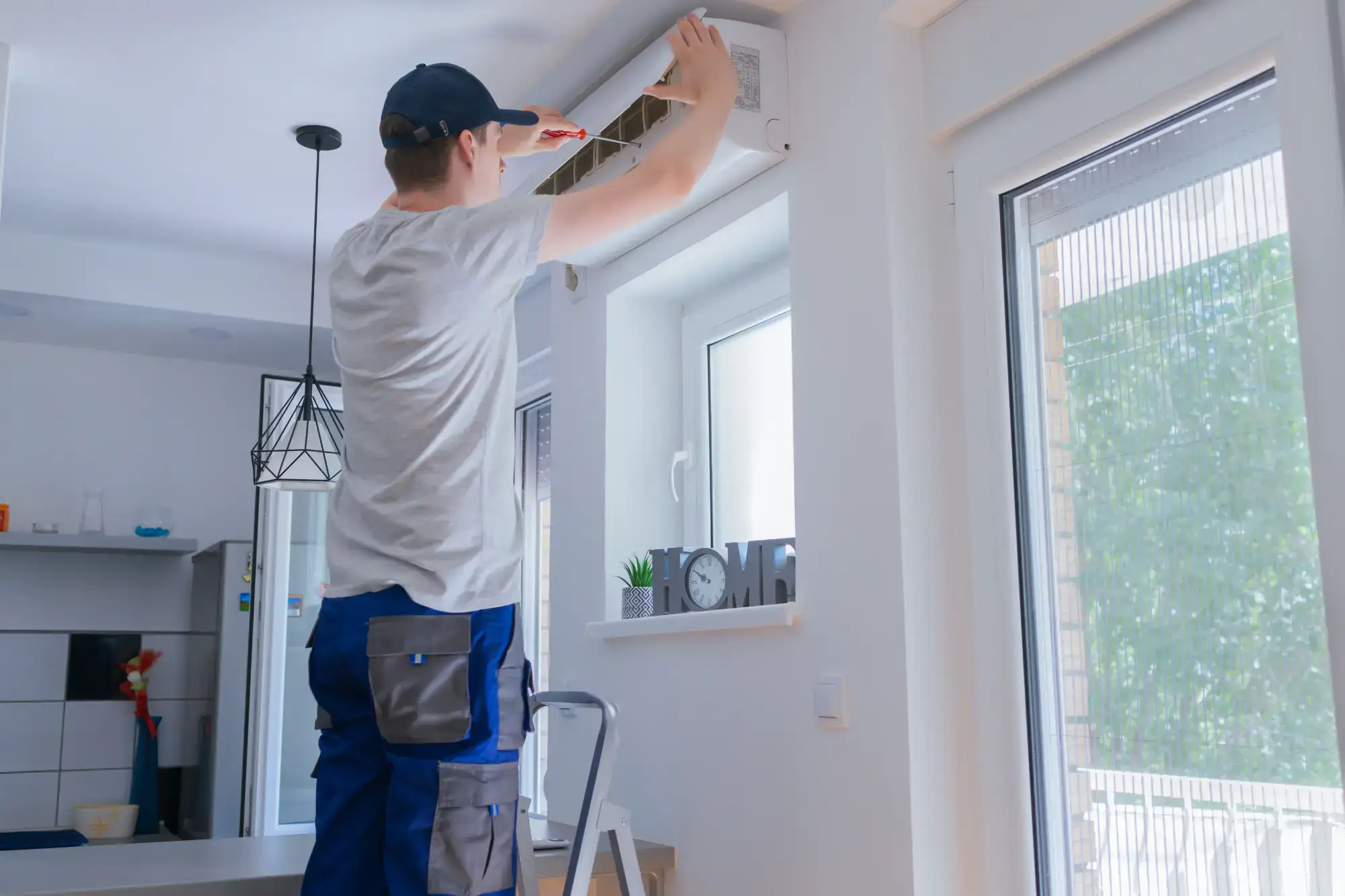
First, we come to your home and assess what you actually need. That means measuring your space, checking your existing ductwork if you have it, looking at your electrical system, and understanding how your home is laid out. We’re sizing the system properly—not guessing, not using a one-size-fits-all approach. Wrong sizing is one of the biggest mistakes in AC installation, and it costs you in comfort and energy bills.
Next, we walk you through your options and give you a clear estimate before any work starts. You’ll know what equipment we’re recommending, why we’re recommending it, and exactly what it costs. No surprises, no pressure.
Then we schedule the installation around your timeline. Our team handles everything: removing your old system if you’re replacing one, installing the new unit, connecting or modifying ductwork as needed, testing the system thoroughly, and making sure everything runs correctly before we leave. You’re not left guessing whether it’s working right.
After installation, we make sure you understand how to operate your new system and what to expect. If something comes up, you call us. We stand behind our work.

Ready to get started?
Your HVAC system installation in Hewlett, NY includes proper equipment sizing based on your home’s actual cooling load, not just square footage. You’re getting a system that matches your needs—whether that’s a standard central air setup or modifications for homes without existing ductwork.
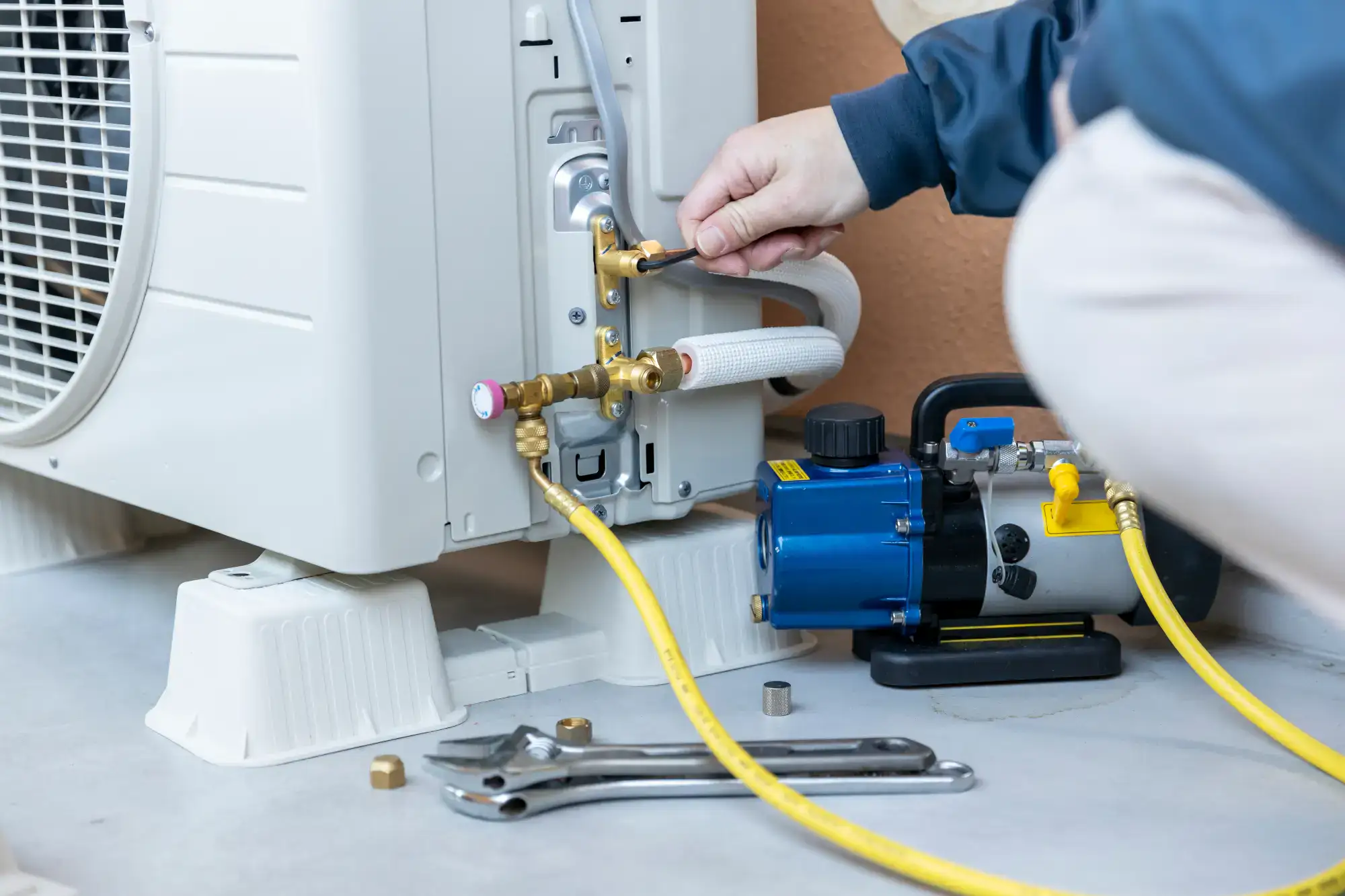
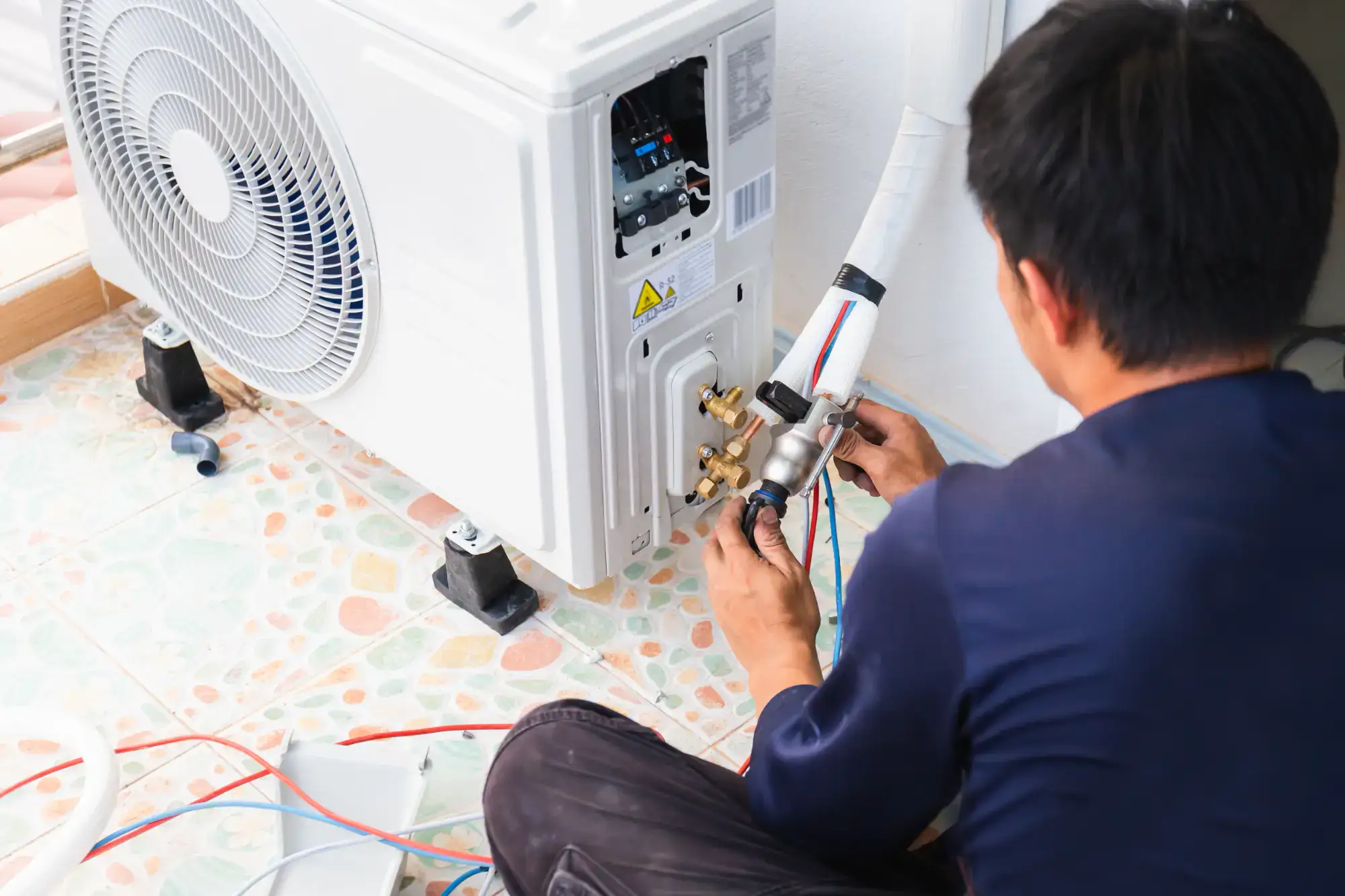
We handle the full installation: mounting the outdoor condenser unit, installing or connecting the indoor air handler, running refrigerant lines, connecting to your ductwork, upgrading electrical connections if needed, and testing everything to make sure it’s cooling efficiently. If your home needs ductwork modifications or doesn’t have ducts at all, we’ll discuss your options upfront—including ductless systems that can save you thousands compared to installing a full duct system.
Here’s something worth knowing: federal tax credits can cover up to 30% of your installation costs for energy-efficient systems, and local Nassau County rebates may be available too. We’ll point you toward those incentives so you’re not leaving money on the table. The net cost of an efficient system is often much lower than you’d expect once you factor in those savings plus lower monthly electric bills. Suffolk County residents spend about $302 per month on electricity—that’s $3,624 per year. An efficient system helps keep those costs from climbing even higher during summer.
The cost depends on what your home needs. A straightforward central air installation in a home with existing ductwork typically runs between $5,000 and $10,000, depending on the system size and efficiency rating you choose. If your home doesn’t have ductwork, you’re looking at an additional $10,000 to $18,000 to install a complete duct system—which is why many older Hewlett homes go with ductless systems instead.
Ductless mini-split systems can cost less overall and give you zone control, meaning you cool the rooms you actually use instead of the whole house. The upfront number matters, but so does what you’ll spend monthly on electricity and whether the system will last without constant repairs. Higher SEER-rated systems cost more initially but save you money every month on your electric bill.
We give you an upfront estimate after assessing your home so you know exactly what you’re paying before we start. And don’t forget about federal tax credits covering up to 30% of installation costs for qualifying energy-efficient systems—that can significantly reduce your actual out-of-pocket expense.
Most central air installations take one to three days, depending on what’s involved. If you’re replacing an existing system and the ductwork is already in place, we can usually complete the job in a day or two. If we’re installing new ductwork, adding electrical upgrades, or dealing with an older home that needs modifications, it takes longer.
We’ll give you a realistic timeline during the estimate so you can plan accordingly. We’re not going to rush through the job just to finish faster—proper installation matters more than speed. That means correctly sizing and mounting the outdoor unit, ensuring refrigerant lines are installed without leaks, connecting and sealing ductwork properly, and testing the system thoroughly before we consider the job done.
You’ll have cooling when we say you will. We schedule installations around your availability and keep you updated if anything changes. Most homeowners are surprised the process goes smoother than they expected when it’s done right from the start.
Not always, but it depends on the condition and design of your existing ducts. If your ductwork is relatively new, properly sized, and in good shape, we can usually work with what you have. But if your ducts are leaking, undersized, poorly designed, or haven’t been maintained, you might need repairs or modifications to get the performance you’re paying for.
Leaky or poorly insulated ducts can waste 20-30% of your cooling before it even reaches your rooms. That means you’re paying to cool your attic or crawl space instead of your living areas. We inspect your ductwork during the assessment and let you know if we see issues that will affect your new system’s performance.
Some older Hewlett homes don’t have ductwork at all. In those cases, installing a full duct system is expensive—often $10,000 to $18,000 on top of the AC unit itself. That’s when ductless mini-split systems make more sense. They’re easier to install, give you room-by-room control, and often cost less overall than adding ducts to a home that was never designed for them.
The right size depends on your home’s square footage, insulation, window placement, ceiling height, and how much heat your home gains during the day. We don’t guess or use rough estimates—we calculate your actual cooling load to determine the correct system size. Installing a unit that’s too small means it runs constantly and never cools properly. Installing one that’s too large means it short-cycles, wears out faster, and doesn’t remove humidity effectively.
Most Hewlett homes need systems ranging from 2 to 5 tons, but that’s just a general range. Your home might need more or less depending on its specific characteristics. A 2,000-square-foot home with poor insulation and west-facing windows needs a different approach than the same-sized home with good insulation and shade trees.
This is one of the most important parts of the installation process, and it’s where a lot of contractors cut corners. We take the time to size your system correctly because it directly affects your comfort, energy bills, and how long the equipment lasts. You’re not paying for guesswork—you’re paying for a system that’s matched to your home’s actual needs.
SEER stands for Seasonal Energy Efficiency Ratio—it measures how efficiently your AC converts electricity into cooling. Higher SEER ratings mean lower operating costs. A 16 SEER system uses significantly less electricity than a 13 SEER system to produce the same amount of cooling, which matters when you’re running it all summer in Long Island’s heat and humidity.
The minimum SEER rating for new systems is 14, but you can get units rated 16, 18, or even higher. The upfront cost increases with higher SEER ratings, but so do your monthly savings. If you’re planning to stay in your home for years, a higher-efficiency system usually pays for itself through lower electric bills—especially with Nassau County electricity costs running around $302 per month for the average household.
Higher SEER systems also qualify for better federal tax credits and local rebates, which can offset much of the price difference. We’ll show you the cost comparison between different efficiency levels so you can decide what makes sense for your budget and how long you plan to own the home. It’s not always about buying the highest SEER available—it’s about finding the right balance between upfront cost and long-term savings for your situation.
If your system is over 10-15 years old, needs frequent repairs, or struggles to keep your home comfortable, replacement usually makes more sense than continuing to pour money into repairs. Older systems are less efficient, use more electricity, and often rely on refrigerants that are being phased out and becoming expensive to refill.
Here’s a practical way to think about it: if the repair costs more than half the price of a new system, or if you’ve spent several hundred dollars on repairs in the past couple years, you’re better off replacing it. You’re not just avoiding future repair costs—you’re also cutting your monthly electric bills with a more efficient system and getting the reliability of new equipment with a warranty.
A new energy-efficient system can cut your cooling costs significantly compared to a 15-year-old unit, especially during Long Island’s hot summers when your AC runs constantly. Add in federal tax credits covering up to 30% of installation costs, and the math often favors replacement over limping along with an aging system. We’ll be straight with you about whether repair or replacement makes more sense for your specific situation—we’re not here to sell you something you don’t need.