

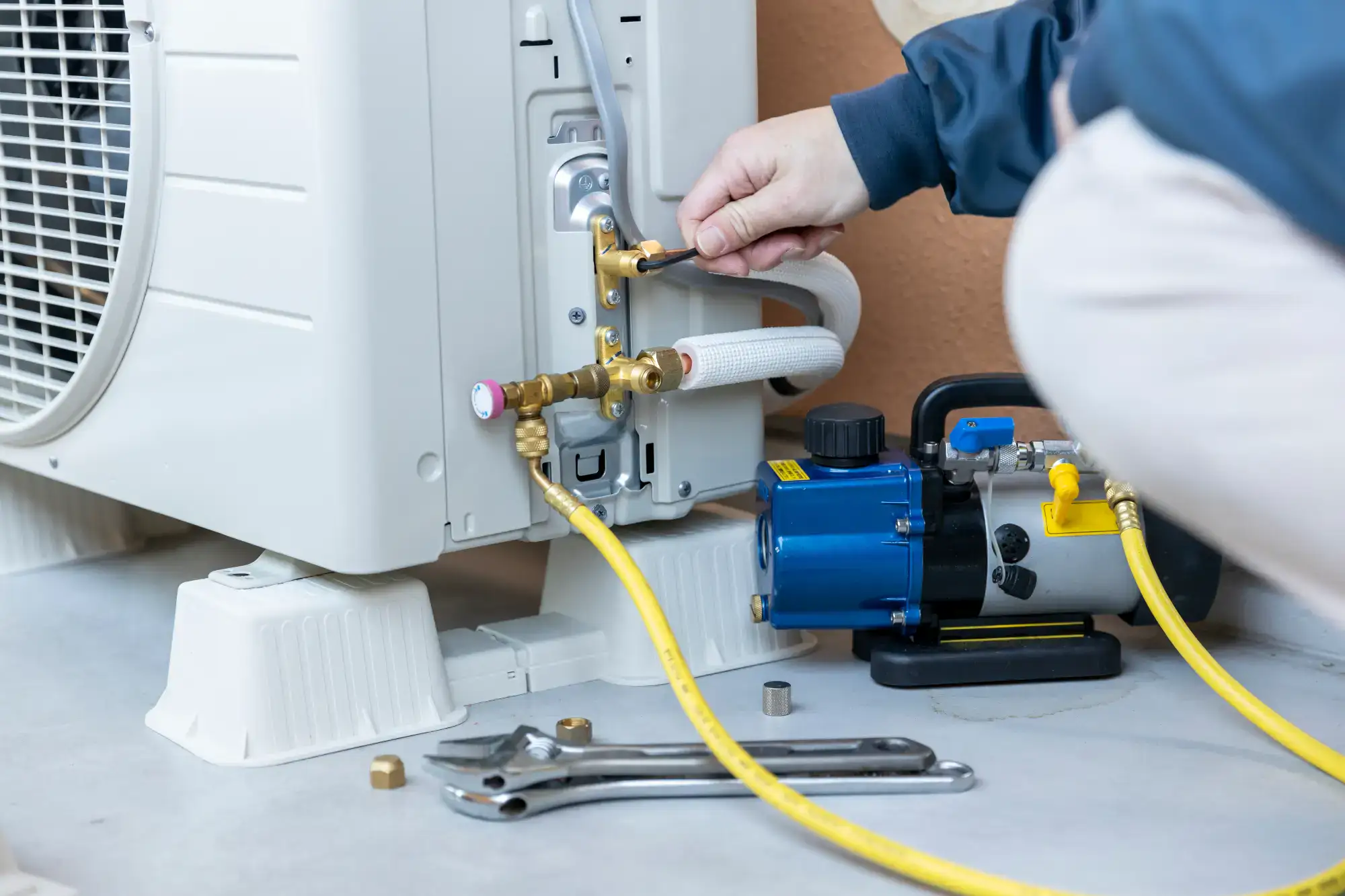
Your old system works harder every summer and cools less every year. When humidity hits 80% and your AC can’t keep up, you’re not just uncomfortable—you’re paying more to stay that way.
A properly installed central air system in Massapequa Park changes that. You get consistent temperatures in every room without constantly adjusting the thermostat. Modern units pull 30% less energy while removing the moisture that makes Long Island summers unbearable.
And when your system is sized correctly for your home, it doesn’t short-cycle or run constantly. That means fewer breakdowns, lower utility bills, and a home that actually feels cool when you walk through the door in July.
We’ve been installing HVAC systems across Nassau County for years. We understand how salt air affects outdoor units near the water and why older homes in Massapequa Park need careful ductwork planning.
You’re not getting a one-size-fits-all recommendation. We evaluate your home’s layout, insulation, and existing infrastructure before suggesting a system. That’s how you avoid the discomfort and inefficiency that come from guessing at tonnage or rushing through installation.
We use equipment from Trane and Carrier because quality matters when your system runs six months a year. And we give you an honest quote upfront—no surprises when the work is done.
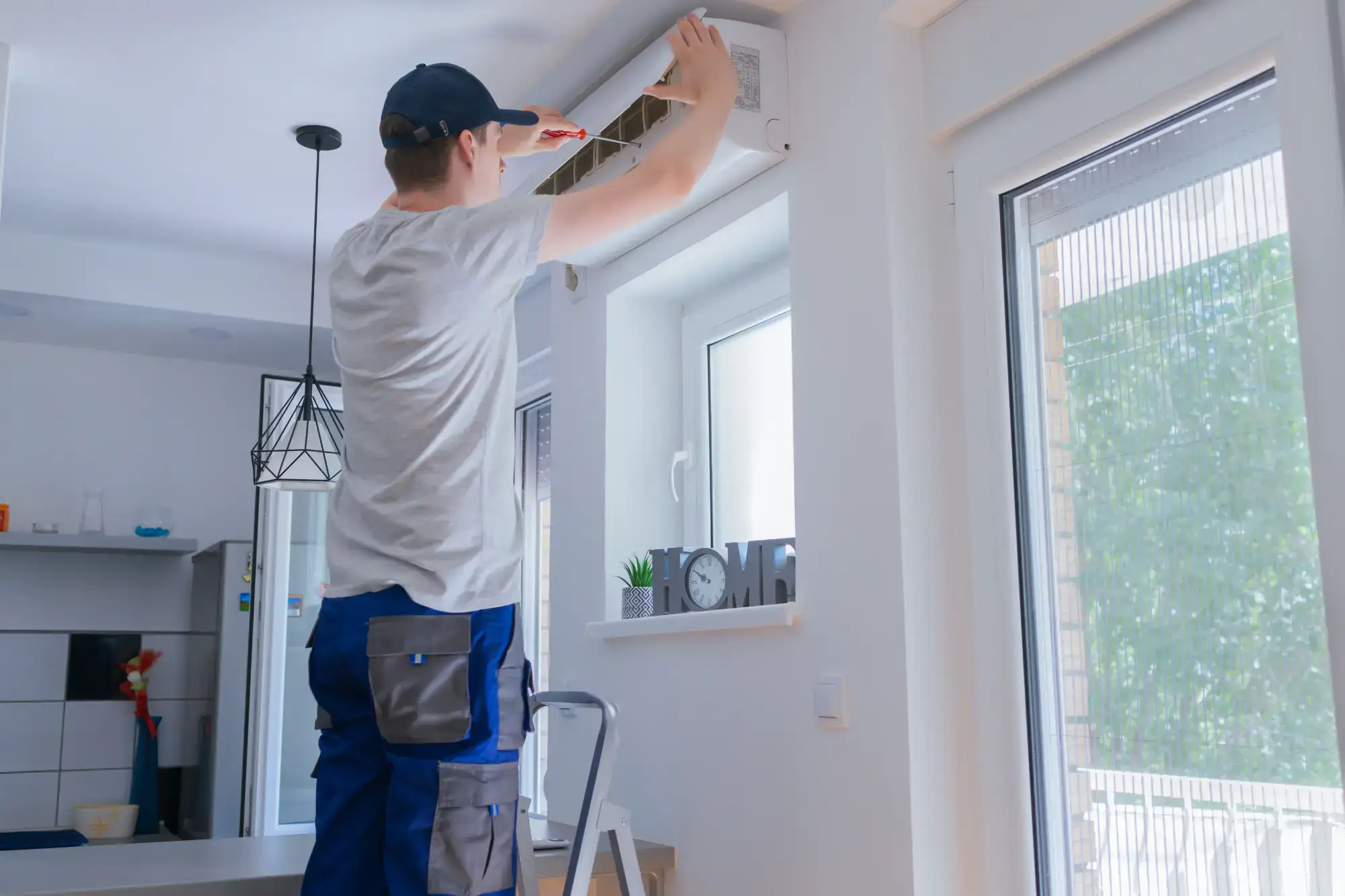
First, we come to your home and evaluate what you actually need. That means measuring your space, checking your ductwork, and asking about hot spots or humidity issues. We’re not selling you the biggest unit we can—we’re sizing it correctly so it runs efficiently.
Once you approve the quote, we schedule the installation. Most air conditioning installation projects in Massapequa Park take one to two days depending on whether we’re working with existing ducts or running new lines. We remove your old system, install the new unit, test airflow in every room, and walk you through the controls before we leave.
After that, your system is covered under manufacturer warranty, and we’re available if anything comes up. You’ll also want to schedule maintenance before next summer to keep efficiency high and catch small issues before they become expensive ones.

Ready to get started?
When you replace your old AC system in Massapequa Park, you’re getting more than a new outdoor unit. Modern systems include variable-speed compressors that adjust output based on demand instead of running full blast every time they kick on. That saves energy and reduces wear.
You also get better humidity control, which matters more here than in drier climates. Long Island summers aren’t just hot—they’re sticky. A properly installed central AC unit removes moisture from your indoor air while it cools, so your home doesn’t feel like a sauna even when the temperature drops.
And because we’re working in an area with older housing stock, we pay attention to ductwork. Leaky or undersized ducts waste energy and create uneven cooling. If your system needs duct modifications to perform correctly, we’ll tell you upfront—not after the install when it’s too late to fix it right.
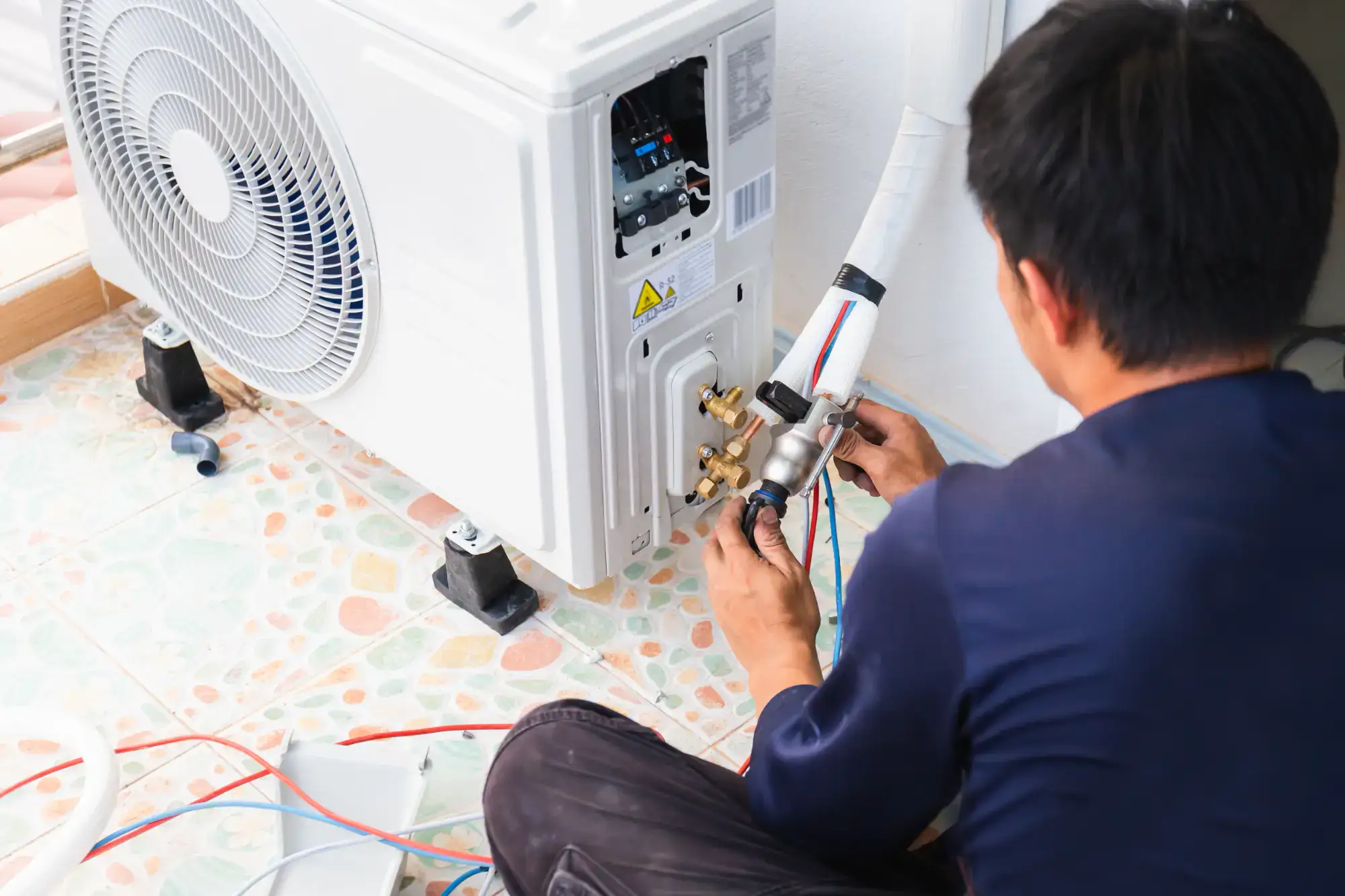
Most homeowners in Massapequa Park spend between $5,000 and $10,000 for a complete central air installation, but the actual cost depends on your home’s size, the system’s efficiency rating, and whether your ductwork needs modifications. A 1,500-square-foot home with existing ducts in good condition will cost less than a 2,500-square-foot home that needs new line sets or duct repairs.
Higher SEER ratings cost more upfront but save you money over time through lower energy bills. If you’re replacing a 15-year-old system, a modern unit with a SEER rating of 16 or higher can cut your cooling costs by 30% or more. That adds up fast during Long Island summers when your AC runs for months straight.
We give you a detailed estimate after evaluating your home so you know exactly what you’re paying for. No hidden fees, no surprises after the work is done.
Most AC installations in Massapequa Park take one to two days. If we’re swapping out an old system and your ductwork is in good shape, we can usually finish in a day. If we need to modify ducts, run new refrigerant lines, or work around older home construction, it might take two.
The timeline also depends on the complexity of your setup. Homes with multiple zones, finished basements, or tricky access to the attic take longer than straightforward installations. We’ll give you a realistic timeframe during the estimate so you can plan accordingly.
Once we’re done, your system is ready to run. We test it thoroughly, check airflow in every room, and make sure the thermostat is programmed correctly before we leave.
The right size depends on your home’s square footage, insulation, window placement, and how much heat your space generates. A system that’s too small won’t keep up on the hottest days. A system that’s too large will short-cycle, wasting energy and leaving your home humid because it doesn’t run long enough to remove moisture.
In Massapequa Park, most homes between 1,500 and 2,000 square feet need a 2.5 to 3-ton unit. Larger homes or homes with poor insulation might need 4 tons or more. But those are rough guidelines—not substitutes for a proper load calculation.
We measure your space, evaluate insulation and airflow, and calculate the exact tonnage your home needs. That’s how you avoid the discomfort and inefficiency that come from guessing at capacity.
If your system is over 15 years old and needs a major repair—like a compressor or coil replacement—you’re usually better off replacing it. Older systems are less efficient, use refrigerants that are being phased out, and tend to need more frequent repairs as they age. Spending $1,500 on a repair for a 17-year-old unit doesn’t make sense when it might fail again next summer.
On the other hand, if your system is under 10 years old and the repair is minor, fixing it is the smarter move. A capacitor replacement or refrigerant recharge costs a few hundred dollars and can buy you several more years of reliable cooling.
We’ll tell you honestly whether a repair makes sense or if you’re throwing money at a system that’s reached the end of its lifespan. Our goal is to help you make the right call for your situation—not sell you something you don’t need yet.
Yes, especially if you’re replacing a system that’s 15 years old or older. AC technology has improved significantly in the past decade. Units built before 2010 typically have SEER ratings between 10 and 13. Modern systems start at 14 and go up to 20 or higher.
That difference translates to real savings. If your current system has a SEER of 10 and you upgrade to a SEER 16 unit, you’re cutting your cooling costs by around 35%. For a home in Massapequa Park running AC from May through September, that can mean $400 to $600 in annual savings.
And because newer systems control humidity better, your home feels cooler at higher thermostat settings. That means you’re not cranking the AC down to 68 just to feel comfortable, which saves even more energy over the course of a summer.
We install Trane and Carrier systems because they’re built to last and backed by strong warranties. Both brands have proven track records in humid climates like Long Island, where AC units work harder and longer than they do in other parts of the country.
Trane units are known for durability and consistent performance. Carrier systems offer excellent efficiency ratings and advanced features like variable-speed compressors that adjust output based on your home’s needs. Both brands use quality components that hold up better over time than budget alternatives.
We don’t push the most expensive model just because we can. We recommend the system that fits your home’s needs and your budget, and we explain the differences between models so you understand what you’re paying for. Quality equipment installed correctly lasts longer and performs better—that’s what matters most.