

Your home stays comfortable when temperatures hit the mid-80s and humidity makes it feel like 100 degrees. You’re not adjusting the thermostat every hour or dealing with hot spots in upstairs bedrooms.
The system removes moisture from the air without running a separate dehumidifier. That matters here, where proximity to the Atlantic means humidity can climb fast and create mold problems if your AC isn’t pulling its weight.
You also stop worrying about whether your contractor actually knows what they’re doing. The unit is sized correctly for your square footage, the ductwork is placed where it should be, and the installation follows manufacturer specs so your warranty stays intact. When you need service later, you’re calling people who already know your system because we installed it.
We work with homeowners in Hewlett Bay Park who need central air installation that accounts for waterfront conditions and larger floor plans. Our team includes fully licensed electricians and NATE-certified technicians who handle everything from initial load calculations to final system testing.
We’re familiar with the challenges that come with installing HVAC systems in homes near the water—salt air exposure, higher humidity levels, and the need for equipment that can keep up during heat advisories when it feels like 100+ degrees outside. We’ve worked in this neighborhood long enough to know what systems hold up and which ones create callbacks.
If you want references from other Hewlett Bay Park homeowners, we’ll provide them. We’re not new to the area, and we’re not trying to upsell you on features that don’t match how you actually use your home.
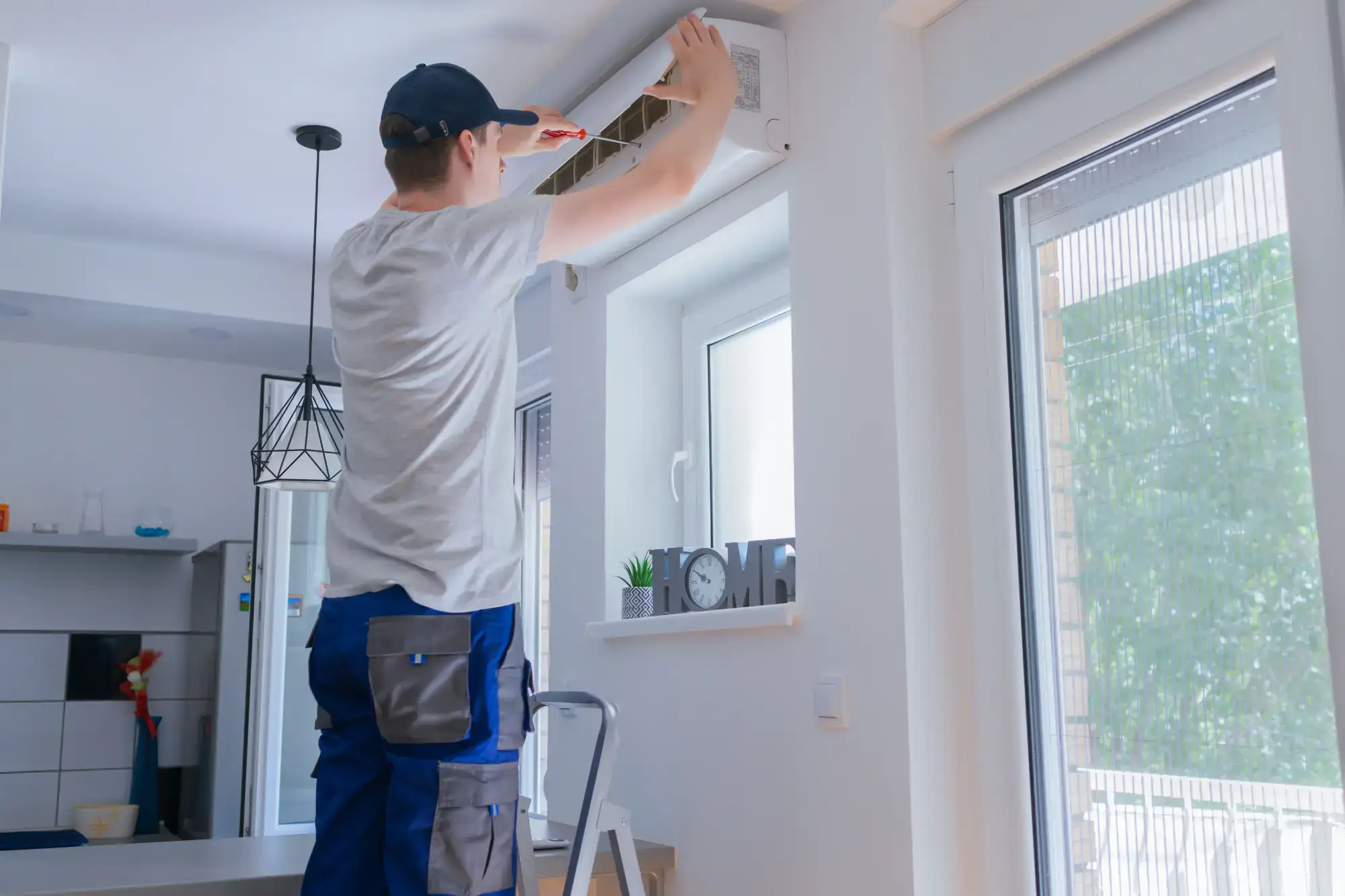
We start with a home inspection to calculate your actual cooling load. That means measuring square footage, checking insulation, accounting for window placement and sun exposure, and factoring in ceiling height. Skipping this step is how you end up with an oversized unit that cycles on and off too frequently or an undersized one that runs constantly and never quite gets the job done.
Once we know what size system you need, we walk you through equipment options that fit your budget and energy efficiency goals. We’re talking about SEER2 ratings, whether a variable-speed compressor makes sense for your usage patterns, and how different models handle humidity removal. You’ll know what you’re paying for before we start any work.
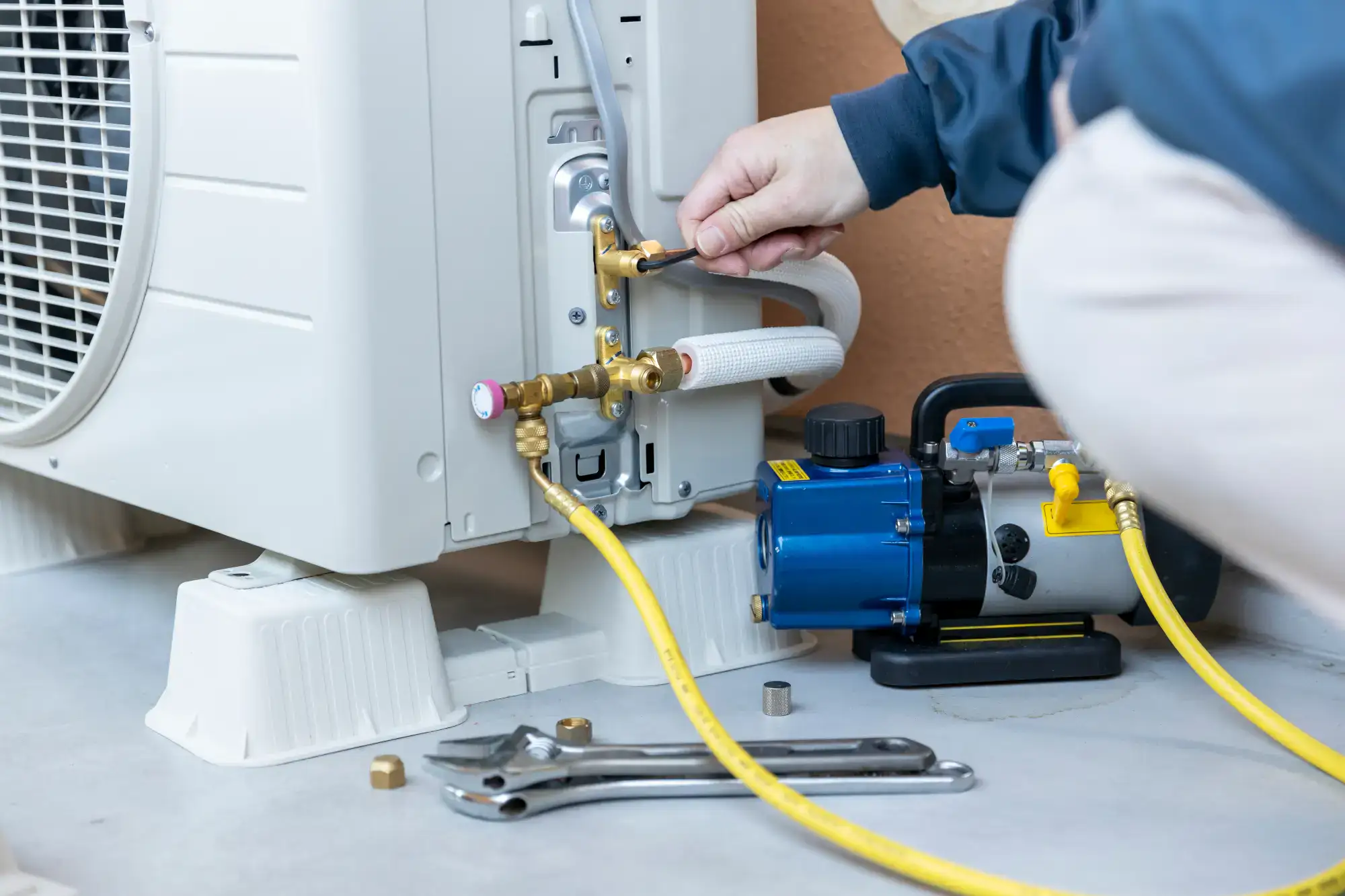
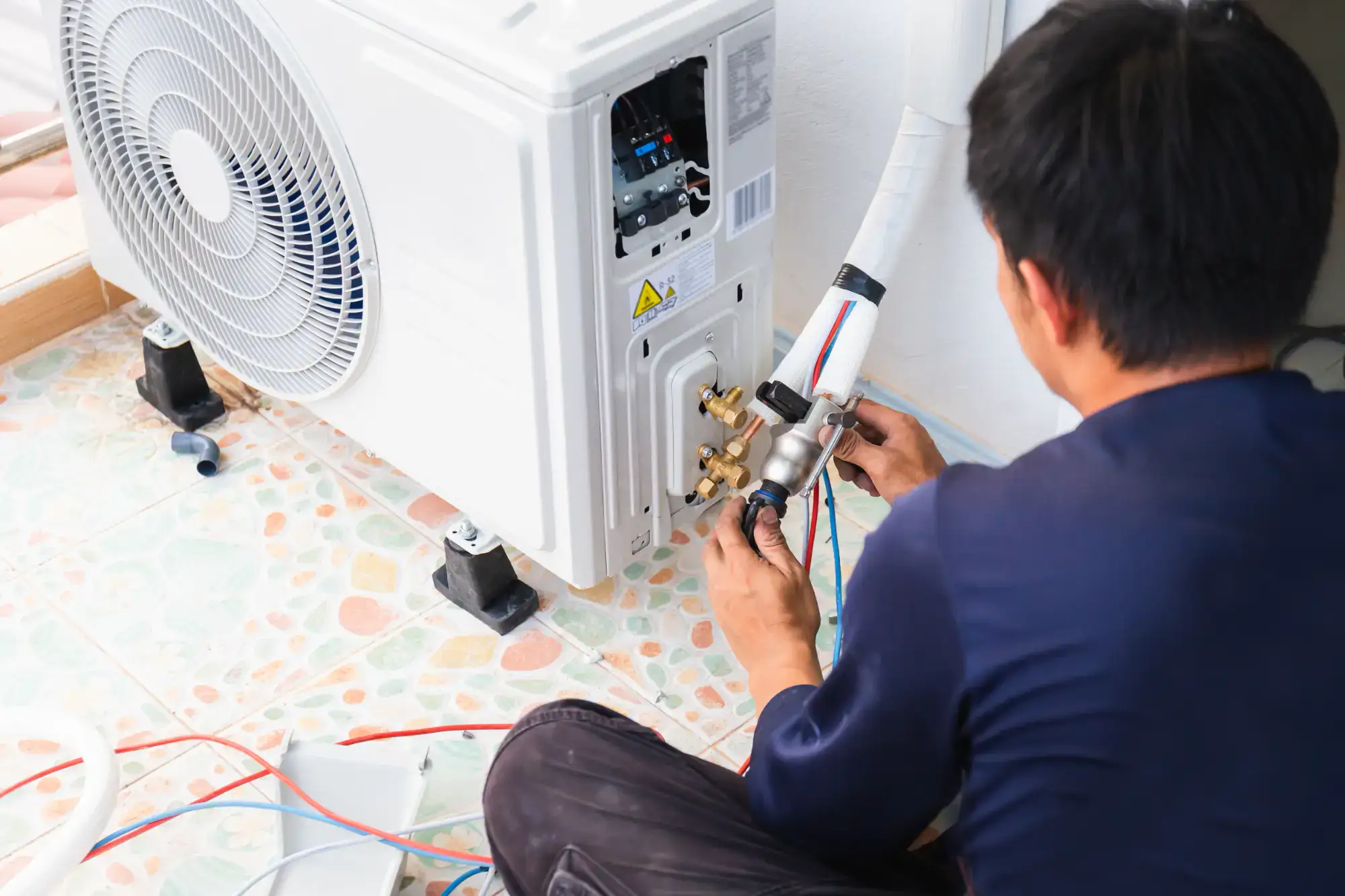
Installation day involves setting the outdoor condenser, running or modifying ductwork if needed, installing the indoor air handler, connecting refrigerant lines, and wiring everything to your electrical panel and thermostat. Our crews finish most installations in a day, and we test the system under load before we leave to make sure it’s cooling evenly and hitting the temperatures you set.

Ready to get started?
You’re getting a system that’s properly sized using Manual J load calculations, not guesswork based on your old unit. That matters because an oversized AC wastes energy and doesn’t dehumidify well, while an undersized one will struggle during heat waves when outdoor temps hit 90 degrees and humidity makes it feel worse.
The installation includes all refrigerant line sets, electrical connections, condensate drainage, thermostat wiring, and ductwork modifications if your existing ducts won’t support the new system’s airflow requirements. We’re also setting up the outdoor condenser on a level pad that accounts for drainage and clearance requirements, because improper placement leads to efficiency loss and premature failure.
For Hewlett Bay Park homes, we pay attention to coastal conditions. That means checking that your outdoor unit can handle salt air exposure and that your indoor components are positioned to manage the higher humidity levels you deal with compared to homes further inland. We also make sure your system qualifies for available rebates and tax credits—right now, high-efficiency heat pumps are eligible for a 30% federal tax credit up to $2,000 if installed before the end of 2025.
Central air installation in Hewlett Bay Park typically runs between $5,000 and $12,000 depending on system size, efficiency rating, and whether your home needs ductwork modifications. Larger homes—which are common here, with many properties on acre lots—require bigger systems with higher capacity, which increases equipment and installation costs.
The biggest cost variables are the SEER2 rating you choose and whether you’re replacing an existing system or installing central air for the first time. If you’re adding AC to a home that only had heating, you’re looking at additional ductwork and possibly electrical panel upgrades, which add to the total.
Higher-efficiency systems cost more upfront but qualify for rebates and reduce your cooling bills. With Long Island’s humid summers, where AC runs consistently from June through September, a more efficient system pays for itself faster than it would in a milder climate. We’ll give you a detailed quote after inspecting your home so you know exactly what you’re paying for.
Most central AC installations take one full day if you’re replacing an existing system with ductwork already in place. We’re talking about 6-8 hours from start to finish, including removing your old unit, setting the new equipment, making electrical and refrigerant connections, and testing the system.
If your home needs new ductwork or significant modifications to existing ducts, the timeline extends to two or three days. First-time installations in homes that never had central air take longer because we’re running ducts, upgrading electrical service if needed, and making sure airflow is balanced throughout the house.
Weather can affect outdoor work, and we won’t rush an installation just to meet a timeline if conditions aren’t right. You want the job done correctly, not quickly. Once we’re finished, we run the system through a full cooling cycle and check airflow at every register to make sure temperatures are even and the unit is performing to spec before we leave.
The right size depends on your home’s square footage, insulation quality, window placement, ceiling height, and how much heat your home gains during the day. We calculate this using Manual J load calculations during the initial inspection—it’s the industry standard method and the only way to size a system accurately.
Most Hewlett Bay Park homes fall in the 3-5 ton range, but that’s a rough estimate. A 2,000 square foot home with poor insulation and west-facing windows might need a bigger system than a 2,500 square foot home with good insulation and shade trees. Waterfront properties also deal with higher humidity, which affects sizing decisions because your AC needs enough capacity to remove moisture, not just lower the temperature.
Oversized units are just as problematic as undersized ones. If your system is too big, it cools the house quickly but shuts off before it’s removed enough humidity, leaving you with cold, clammy air. An undersized unit runs constantly, drives up your electric bill, and still doesn’t keep up during heat waves. We size systems based on your specific home, not rules of thumb.
Yes, we pull all necessary permits and schedule required inspections as part of the installation. HVAC work in New York requires permits for new installations and system replacements, and electrical work needs to be done by licensed electricians—which is why our installation teams include fully licensed electricians, not just HVAC techs.
The permit process covers electrical connections, refrigerant handling, and ensuring the installation meets local building codes. Inspections verify that everything is installed safely and correctly. Skipping permits might save money in the short term, but it creates problems when you sell your home or file an insurance claim after equipment failure.
We handle the paperwork and coordinate with local inspectors so you don’t have to. The permit cost is included in your installation quote—you won’t get surprised by additional fees later. Once the inspection is complete and signed off, you have documentation that the work was done to code, which protects your investment and keeps your homeowner’s insurance valid.
SEER2 is the updated efficiency rating system that replaced SEER in 2023. It measures how efficiently an AC unit cools your home under more realistic conditions than the old SEER test, which means SEER2 ratings are slightly lower than SEER ratings for the same equipment—but they’re more accurate.
The minimum efficiency for new AC units is now 13.4 SEER2 in the Northeast. Higher ratings mean lower operating costs. A 16 SEER2 system uses about 20% less electricity than a 13.4 SEER2 system, which adds up over a Long Island summer when you’re running AC consistently for three to four months.
High-efficiency systems (16 SEER2 and above) also qualify for federal tax credits and utility rebates. Right now, you can claim 30% of the equipment cost as a federal tax credit, up to $2,000, if you install a qualifying system before the end of 2025. Over the system’s 15-20 year lifespan, the energy savings and upfront rebates usually offset the higher purchase price, especially in climates like ours where cooling demand is high.
Yes, but we’ll need to inspect your existing ductwork first to see if it needs modifications or replacement. Older ductwork sometimes has leaks, poor insulation, or sizing that doesn’t match modern equipment’s airflow requirements. If your ducts are in decent shape, we can often work with them and just seal any leaks or add insulation where needed.
If the ductwork is undersized or badly deteriorated, we’ll recommend replacing sections or adding new runs to ensure proper airflow. Putting a new high-efficiency AC unit on old, leaky ducts wastes energy and reduces system performance—you’re paying for efficiency you’re not getting because conditioned air is escaping before it reaches your living spaces.
We’ll give you a clear assessment after the inspection. Sometimes ductwork modifications add a day to the installation timeline and increase costs by $1,500-$3,000 depending on what needs to be done. But it’s worth doing right—new equipment on bad ductwork leads to uneven cooling, higher energy bills, and shorter equipment life. We’d rather tell you upfront what your ducts need than install a system that underperforms from day one.