
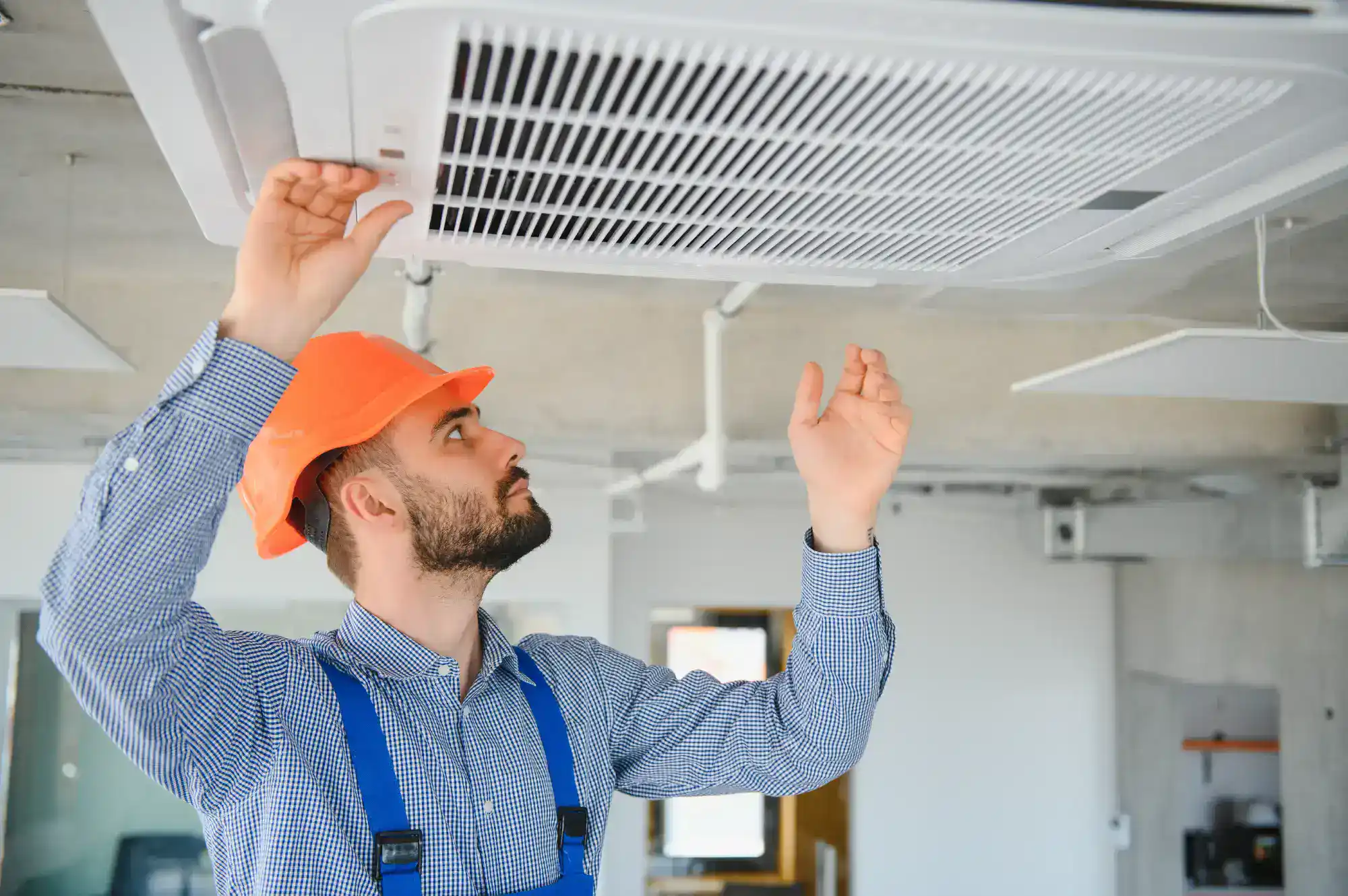
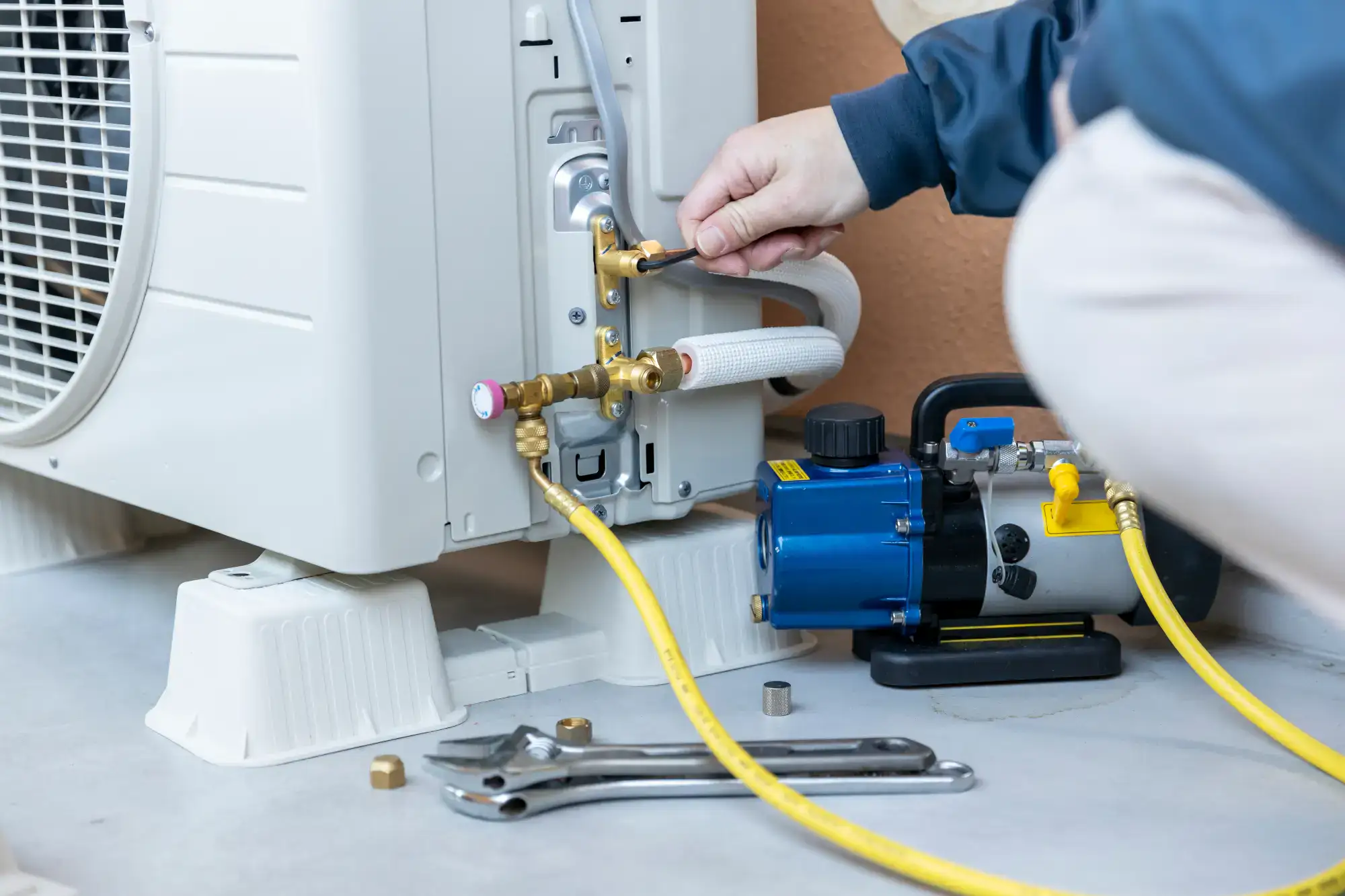
You’re not just buying an AC unit. You’re buying consistent temperatures in every room, lower energy bills, and the confidence that your system won’t quit during the first heat wave.
Most homes in Old Bethpage were built between 1950 and 1969. That means post-war construction with forced-air heating that may or may not handle modern cooling equipment without the right adjustments. A properly sized and installed central air system accounts for your home’s age, layout, insulation, and sun exposure.
When the installation is done correctly, your system removes humidity effectively—not just temperature. Long Island summers aren’t just hot. They’re sticky. A system that can’t pull moisture out of the air leaves your home feeling clammy even when the thermostat says 72.
You’ll also see the difference in your utility bills. Modern systems use about 30% less energy than units from even five years ago, but only if they’re sized right and installed without shortcuts. Oversized units cycle on and off too quickly, which wastes energy and wears out components faster.
We’ve been installing and servicing HVAC systems across Nassau County since the 1930s. We’re not new to Old Bethpage, and we’re not new to the kinds of homes you live in.
Most of our work involves Cape Cods and ranches built in the decades after World War II. We know how those homes are framed, where the ductwork runs, and what it takes to integrate a modern cooling system without tearing apart your walls or compromising airflow.
We’re a Carrier Factory Authorized Dealer, which means we meet their standards for training, installation quality, and customer service. Our technicians are licensed and insured. Every installation comes with a service warranty that backs the work we do—not just the equipment we sell.
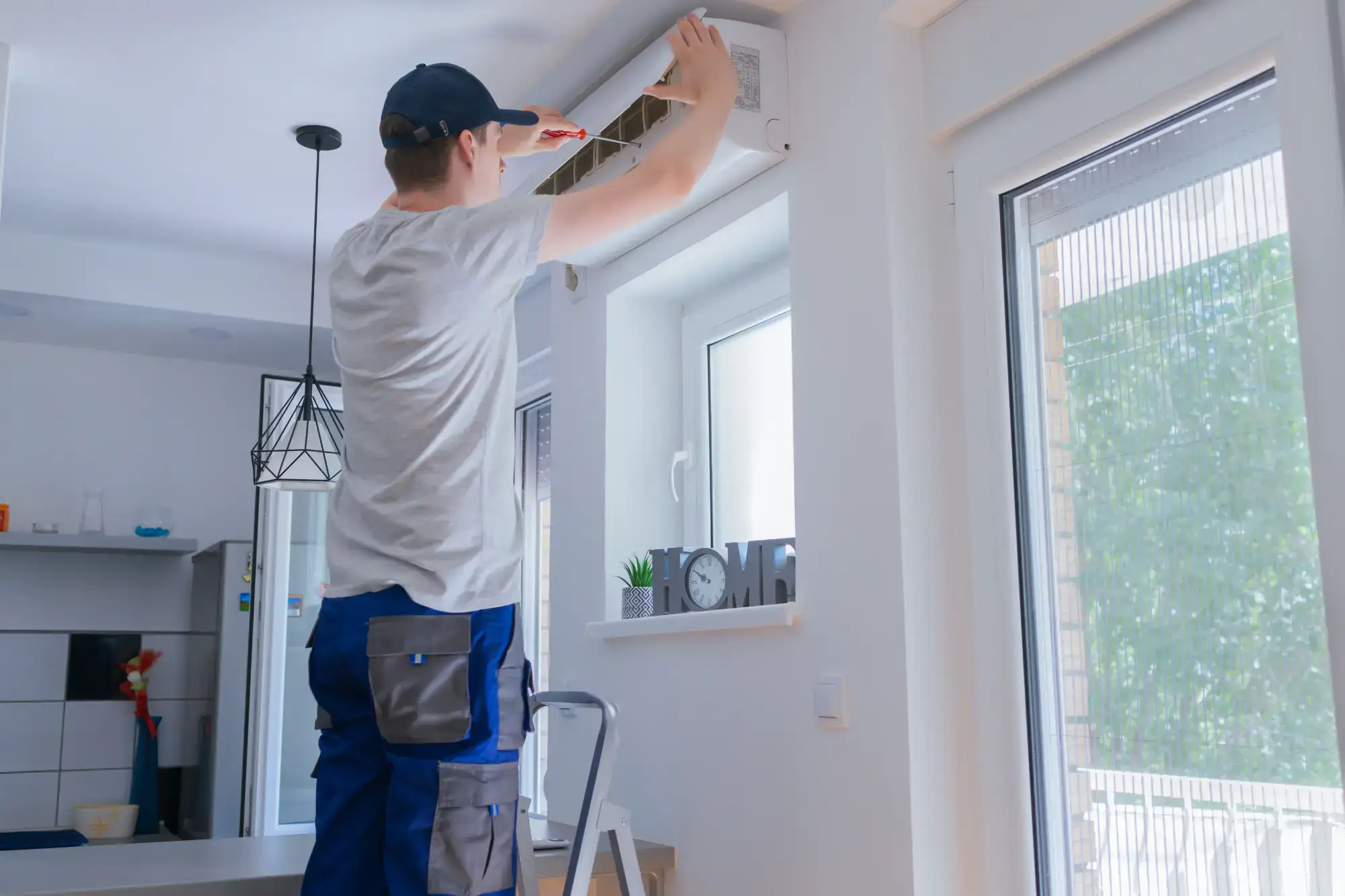
First, we come to your home and do a load calculation. That’s the part most companies skip. It’s a room-by-room assessment that accounts for square footage, insulation, window placement, ceiling height, and how much sun hits your house. Without it, you’re guessing at what size system you need—and guessing wrong costs you money every month.
Once we know the right size, we’ll walk you through equipment options. We work with Trane and Carrier because they build reliable systems, but we’re not going to upsell you on features you don’t need. If your home doesn’t require a two-stage compressor or a variable-speed air handler, we’ll tell you.
Installation day typically takes one full day, sometimes two depending on whether we’re working with existing ductwork or making modifications. We’ll remove your old system, install the new indoor and outdoor units, connect refrigerant lines, wire the thermostat, test airflow in every room, and make sure the system is running at the manufacturer’s specifications before we leave. You’ll get a walkthrough of how everything works and what to expect during the first few weeks of operation.

Ready to get started?
A complete central AC unit installation in Old Bethpage, NY includes the outdoor condenser, indoor evaporator coil, refrigerant lines, electrical connections, thermostat wiring, and a full system startup. If your ductwork needs modifications or repairs, we’ll handle that too—it’s part of making sure the system works the way it should.
We also check for proper drainage. The evaporator coil produces condensation, and if that water doesn’t drain correctly, you’ll end up with leaks or mold. It’s a small detail that causes big problems when it’s ignored.
You’ll qualify for federal tax credits if you’re installing a heat pump system—up to 30% of the total cost with no cap. For high-efficiency central air systems, you can claim up to $2,000. We’ll provide the documentation you need to file, but it’s worth talking to your accountant about how the credits apply to your situation.
Old Bethpage homeowners also benefit from systems with programmable or smart thermostats, especially if you spend part of the summer away from home. You can monitor your system remotely and get alerts if something isn’t working right. Given how hard systems work during Long Island’s humid summers, that kind of visibility can save you from coming home to a broken AC and a house that’s been sitting at 90 degrees for three days.
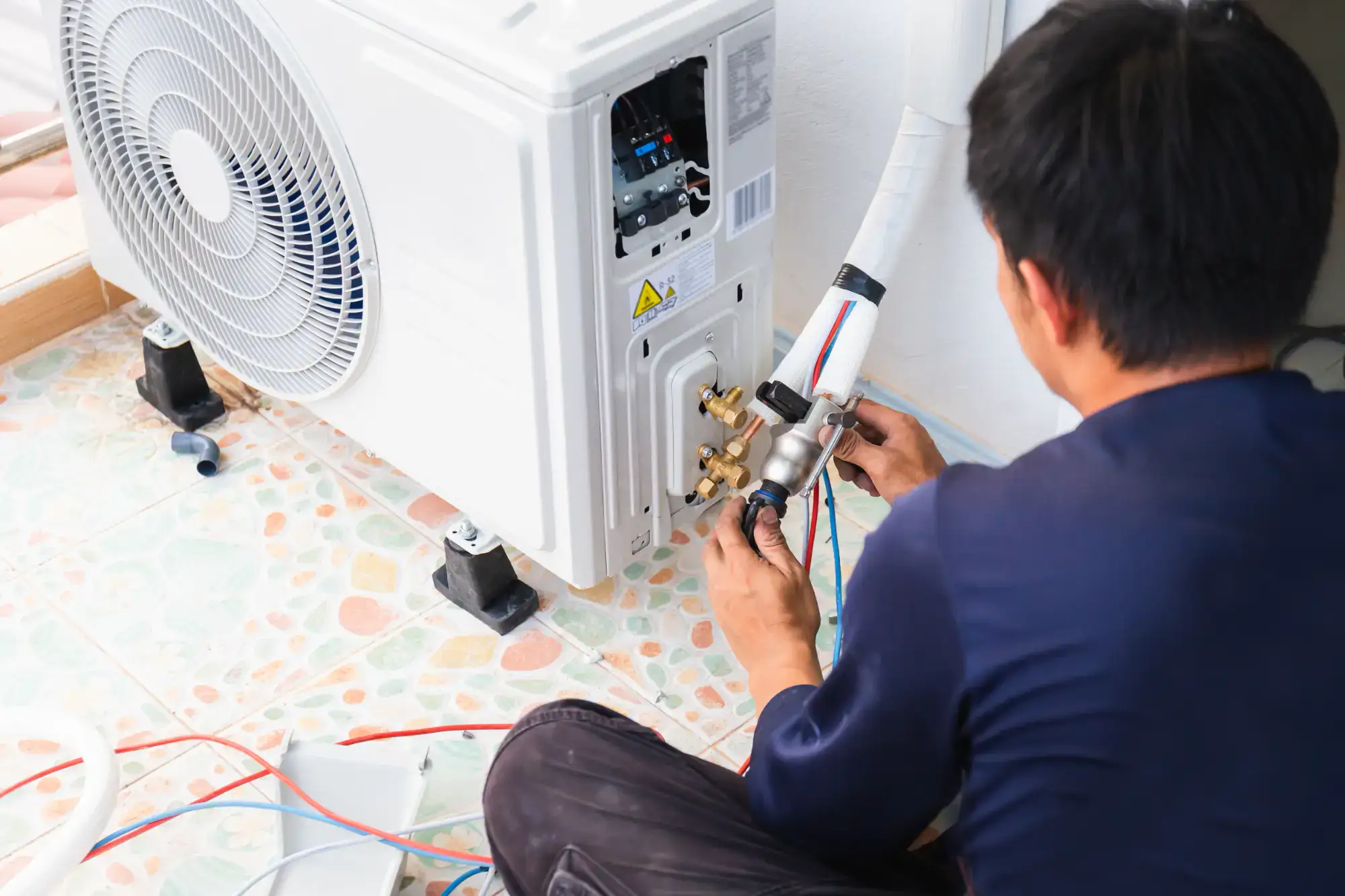
Most homeowners in Old Bethpage pay between $7,000 and $10,000 for a complete central air installation, but the range can go from around $3,100 to $15,600 depending on the size of your home, the equipment you choose, and whether your ductwork needs work.
A 2,000-square-foot ranch with existing ductwork in good shape will cost less than a 3,000-square-foot Cape Cod that needs duct modifications or a second zone. The brand matters too—Carrier and Trane systems cost more upfront but tend to last longer and need fewer repairs.
Don’t forget about federal tax credits. If you’re installing a qualifying system, you can get back 30% of the total installation cost for heat pumps or up to $2,000 for high-efficiency AC systems. That can bring your net cost down significantly. We’ll give you an upfront estimate after we assess your home, and we don’t tack on surprise fees once the work starts.
Size isn’t about square footage alone—it’s about heat load. A proper load calculation factors in your home’s insulation, window size and placement, ceiling height, how much sun exposure you get, and even how many people live there.
Most Old Bethpage homes need between 2.5 and 5 tons of cooling capacity, but that’s a rough range. A 1,500-square-foot ranch with good insulation and trees for shade will need less capacity than the same-sized home with poor insulation and west-facing windows. Installing a unit that’s too large is just as bad as one that’s too small—it’ll cycle on and off constantly, waste energy, and won’t remove humidity effectively.
We do a Manual J load calculation before recommending equipment. It’s the industry standard, and it’s the only way to size a system correctly. If a contractor gives you a quote without visiting your home or doing the math, they’re guessing—and you’re the one who’ll pay for it in higher energy bills and shorter equipment life.
If your system is 13 years or older, replacement usually makes more sense than sinking money into repairs. AC units lose efficiency as they age, and parts for older models get harder to find. You’re also dealing with refrigerant changes—older systems use R-22, which is being phased out and costs a fortune to refill.
A new system will use about 30% less energy than one that’s even five years old, which adds up fast during a Long Island summer when your AC is running nonstop. If your current system needs a major repair—compressor, evaporator coil, or condenser—you’re looking at $1,500 to $3,000 in parts and labor. At that point, you’re better off putting that money toward a new system that comes with a warranty and won’t need another expensive fix in six months.
We’ll be straight with you about whether a repair makes sense or if you’re just delaying the inevitable. Sometimes a small fix buys you another season. Other times, it’s throwing good money after bad.
Most installations take one full day, occasionally two if we’re modifying ductwork or installing a multi-zone system. We’re not rushing through it—there’s a right way to do this, and it takes the time it takes.
The process includes removing your old equipment, mounting the new outdoor condenser, installing the indoor evaporator coil, running refrigerant lines, making electrical connections, wiring the thermostat, checking ductwork for leaks, testing airflow in every room, and doing a full system startup to make sure everything is running at spec. If your ducts need sealing or modifications, that adds time.
We’ll give you a clear timeline before we start, and we don’t leave until the system is working correctly and you understand how to operate it. If something unexpected comes up—rotted ductwork, outdated electrical panels, structural issues—we’ll talk through it with you before doing any additional work. No surprises, no upselling on the spot.
Yes. If your system fails during a heat wave and it’s not repairable, we can prioritize your installation and get you up and running faster than our standard schedule allows. We keep common equipment in stock and have relationships with suppliers that let us get units quickly when needed.
That said, emergency installs cost more because they require rearranging our schedule and potentially paying premium prices for expedited equipment delivery. If your system is old and struggling, it’s smarter to replace it in the spring before peak summer demand hits. You’ll get better pricing, more equipment options, and won’t be stuck waiting in a 90-degree house while we source parts.
We also offer 24/7 emergency service for breakdowns. Sometimes a repair can get you through until we can schedule a full replacement. If you’re dealing with a failing system and aren’t sure whether to repair or replace, call us. We’ll assess it honestly and give you options that make sense for your situation and budget.
We install Carrier and Trane systems. Both brands build equipment that lasts, performs well in humid climates, and has good parts availability if something needs service down the road. We’re a Carrier Factory Authorized Dealer, which means we meet their training and installation standards.
Carrier and Trane aren’t the cheapest options, but they’re not the most expensive either. They sit in the range where you’re getting solid engineering and reliability without paying for luxury features that don’t improve performance. Their warranties are strong, and we can get parts quickly when needed.
We don’t push one brand over the other—we’ll recommend what fits your home and budget. Some situations call for a single-stage system. Others benefit from two-stage or variable-speed equipment. We’ll explain the differences in plain terms and let you decide what makes sense. You’re not going to get a sales pitch about features you don’t need or won’t use.