

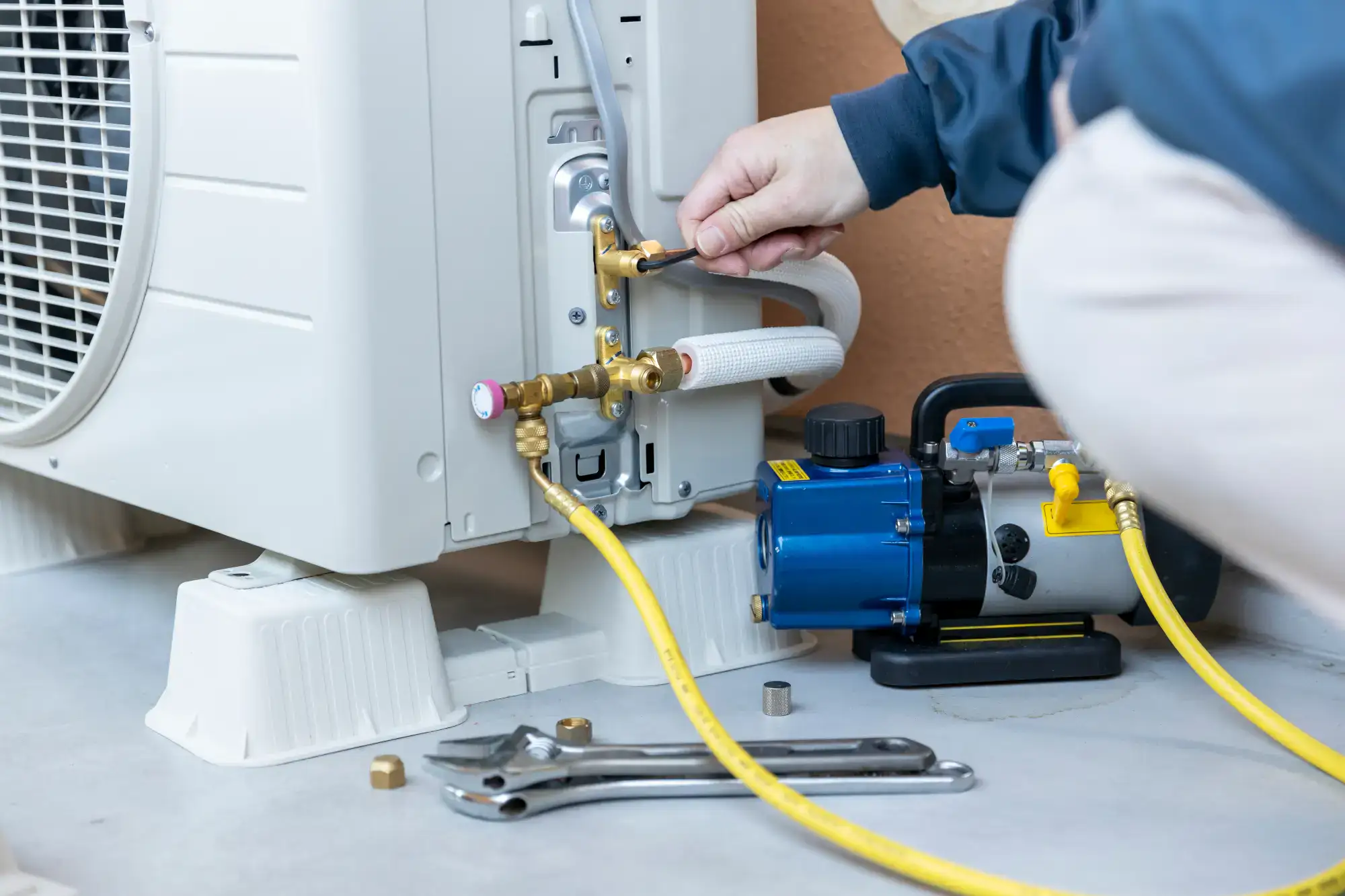
You’re not just getting a box mounted on your wall. You’re getting a system that’s properly sized for your home’s layout, insulation, and the way Queens humidity actually behaves in older buildings.
That means rooms that cool evenly without one feeling like an icebox while another stays muggy. It means energy bills that drop by 30-50% compared to running multiple window units or nursing along an oversized system that cycles on and off every ten minutes.
When your air conditioning installation in Cedar Manor, NY is done right from the start, you’re not calling for repairs every summer or wondering why your electric bill keeps climbing. You’re just comfortable, and the system works quietly in the background like it should.
We’re a local HVAC contractor serving Nassau and Queens County, and we know Cedar Manor’s housing stock. Most homes here were built between 1940 and 1969, which means electrical panels that need evaluation, tight spaces that require creative routing, and building codes that don’t always match what worked in newer construction.
Our technicians are licensed and insured, and we’ve built relationships with local inspectors because we handle permits the right way. We’re BBB accredited, and our customers mention Glenn and the team by name in reviews because the work gets done right and the explanations are straightforward.
You won’t get a sales pitch for equipment you don’t need. You’ll get an honest assessment, a clear quote, and installation that protects your warranty and your investment.
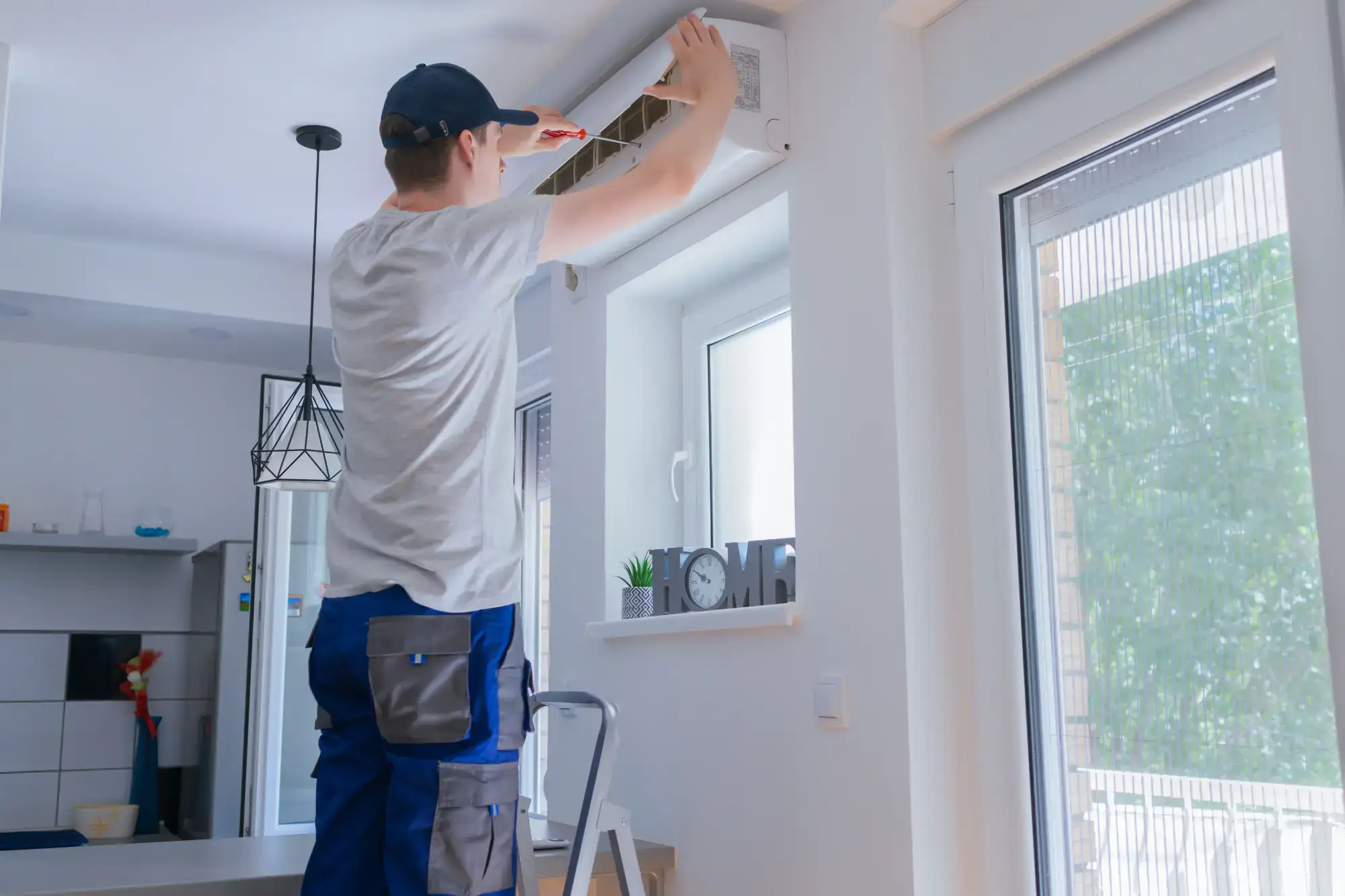
First, we calculate your actual cooling load. That’s based on your home’s square footage, insulation quality, window placement, ceiling height, and how Cedar Manor’s urban density affects heat retention. This step determines whether you need a 2-ton unit or a 4-ton unit, and getting it wrong costs you money for years.
Next, we handle permits and coordinate inspections. Cedar Manor falls under local building codes that require permits for central AC unit installation, and we manage that process so you’re not stuck figuring out paperwork or waiting on approvals.
Installation day, we protect your floors, run refrigerant lines, make electrical connections, modify or install ductwork if needed, and test the system under load before we leave. Most installations finish the same day. You’ll know how to operate the system, what the warranty covers, and when to schedule maintenance.
If you’re replacing an old AC system with a new unit, we remove and dispose of the old equipment properly, including refrigerant recovery that meets EPA standards.

Ready to get started?
Your AC unit replacement in Cedar Manor, NY includes load calculation, equipment recommendation from brands like Carrier, Trane, Lennox, Rheem, or Goodman, permit filing, and professional installation with all necessary components. That’s the outdoor condenser, indoor air handler or furnace coil, refrigerant lines, electrical connections, thermostat setup, and ductwork modifications if your existing ducts need adjustments.
For homes without ductwork, ductless mini-split systems are often the better choice. They’re ideal for Cedar Manor’s older buildings where adding ducts isn’t practical, and they deliver 30-50% energy savings compared to window units. You get zone control, quiet operation, and installation that doesn’t require tearing into walls.
We also handle homes with unique layouts, small apartment buildings, and properties where electrical service needs upgrading to support modern HVAC equipment. If your panel can’t handle the load, we’ll tell you upfront and coordinate with electricians to get it sorted.
Starting January 2025, new refrigerant regulations take effect under the AIM Act, which phases out older HFCs. We’re installing systems with compliant refrigerants now, so you’re not dealing with obsolete equipment or expensive retrofits down the line. And if your system qualifies, you can claim up to 30% back in federal tax credits for high-efficiency heat pumps or up to $2,000 for qualifying central air systems.
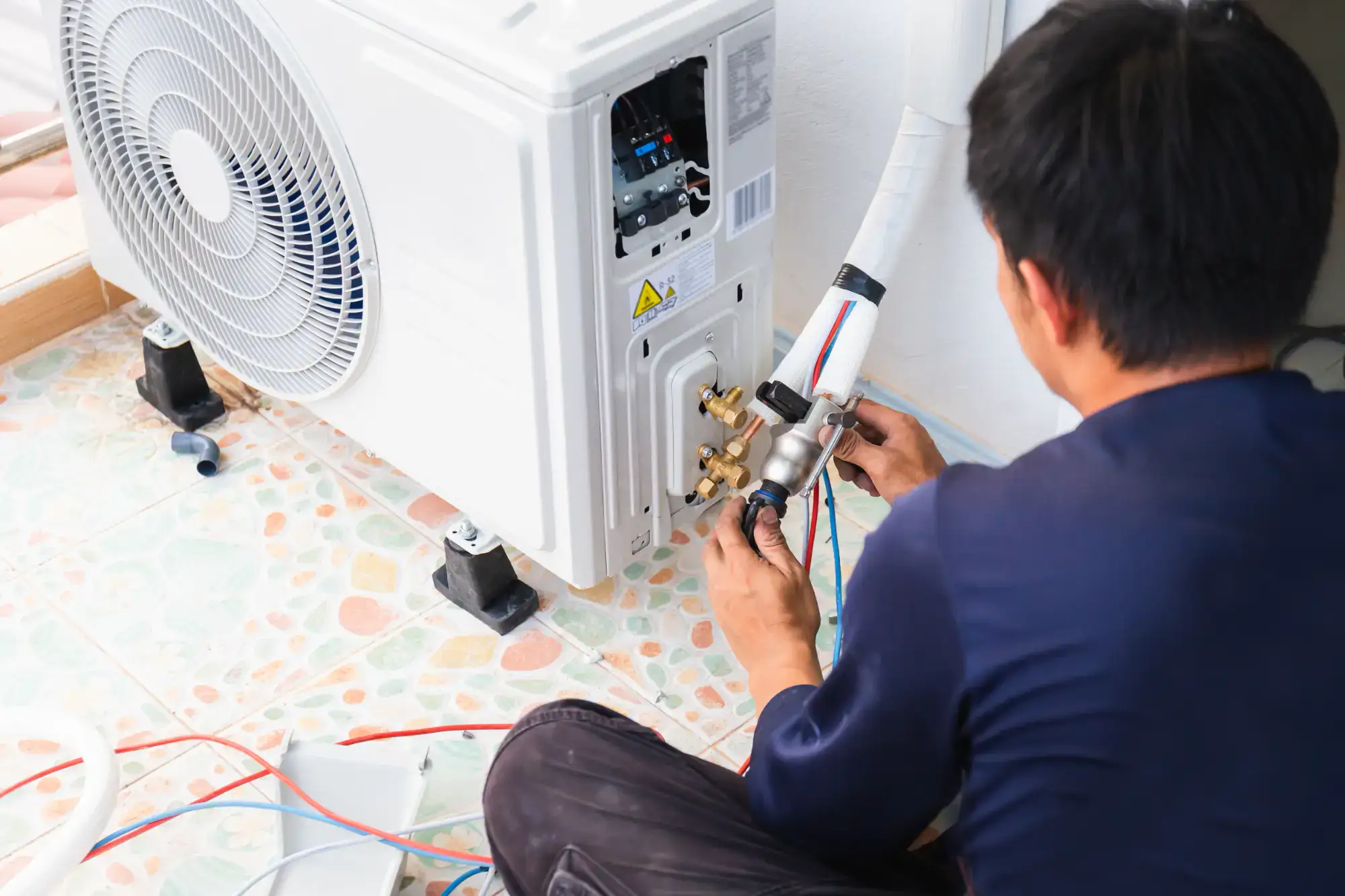
Cost depends on system type, home size, and whether you need ductwork. Central air installation in Cedar Manor typically ranges from $5,000 to $10,000 for a complete system in a standard single-family home. Ductless mini-splits run $3,000 to $8,000 depending on how many zones you’re cooling.
Older homes often need electrical upgrades, which adds to the total. If your panel is maxed out or you’re still running 100-amp service, that’s an additional cost but necessary for safety and code compliance.
We give you a written quote after evaluating your home. No hidden fees, no surprises when the job’s done. And if there are federal tax credits available for the equipment you’re installing, we’ll point those out so you can claim them when you file.
Yes. HVAC installations in Cedar Manor require permits to meet local building codes and safety standards. That includes electrical work, refrigerant handling, and any structural modifications for ductwork or equipment placement.
We handle the permit process for you. That means filing the paperwork, scheduling inspections, and making sure everything passes the first time. Skipping permits might save money upfront, but it voids your equipment warranty, creates liability if something goes wrong, and causes problems when you sell your home.
Inspectors check that refrigerant lines are properly insulated, electrical connections are load-appropriate, and drainage is routed correctly. It’s not just bureaucracy. It’s verification that your system is safe and installed to manufacturer specs.
Most installations finish in one day, often within four to six hours for straightforward replacements. If you’re adding central air to a home that’s never had it, or if ductwork needs significant modification, it might take two days.
Ductless mini-split installations are usually faster because there’s no ductwork involved. We mount the indoor units, run refrigerant lines through small holes in the wall, connect to the outdoor condenser, and test the system. You’re cooling your home that same afternoon.
Delays happen if we discover issues during installation—undersized electrical service, rotted framing around the old unit, or ductwork that’s collapsed or disconnected. We’ll flag those before we start if possible, but sometimes you don’t know until you open things up. When that happens, we explain what needs fixing and why, and we don’t move forward until you approve the additional work.
Size depends on your home’s square footage, insulation, window count and orientation, ceiling height, and how many people live there. A proper load calculation gives you the right answer. Guessing or using rules of thumb like “one ton per 500 square feet” leads to oversized or undersized systems that waste energy and break down faster.
Oversized units cool the air quickly but shut off before they remove humidity, leaving your home clammy. Undersized units run constantly and never catch up on hot days, wearing out components and driving up your electric bill.
We use Manual J load calculations, which account for Cedar Manor’s climate, urban heat island effect from surrounding buildings and pavement, and your home’s specific construction. If you’ve added insulation or replaced windows since the last system was installed, that changes the math. We measure and calculate instead of guessing, and that’s why the systems we install perform the way they should.
If you already have ductwork in decent shape, central air is usually the simpler and more cost-effective choice. If you don’t have ducts, or if your home has additions, finished attics, or rooms that never get cool, ductless mini-splits make more sense.
Ductless systems give you zone control, so you’re not cooling rooms nobody’s using. They’re more efficient because there’s no duct leakage, and they work well in Cedar Manor’s older homes where adding ductwork means tearing into plaster walls and ceilings. Installation is less invasive, and you can add zones over time if your budget doesn’t cover the whole house at once.
Central air gives you whole-home cooling from one thermostat, and if you’re replacing an old system with a new unit, the infrastructure is already there. Modern high-efficiency central systems also qualify for federal tax credits if they meet efficiency standards, which offsets some of the upfront cost. We’ll recommend what fits your home’s layout and your budget, and we’ll explain the tradeoffs so you can decide what works best.
We install Carrier, Trane, Lennox, Rheem, and Goodman systems. All of them offer solid warranties, good parts availability, and reliable performance when installed correctly. The brand matters less than proper sizing, installation quality, and regular maintenance.
Some brands cost more upfront but include features like variable-speed compressors or advanced humidity control. Others are budget-friendly and deliver straightforward cooling without extra complexity. We’ll recommend options based on your priorities—whether that’s maximum efficiency, lowest upfront cost, or specific features like smart thermostat compatibility.
We don’t push one brand because we get a better commission. We recommend what makes sense for your home, your budget, and how you use your cooling system. And because we’re factory-trained on the equipment we install, we can service it properly if you ever need repairs.