
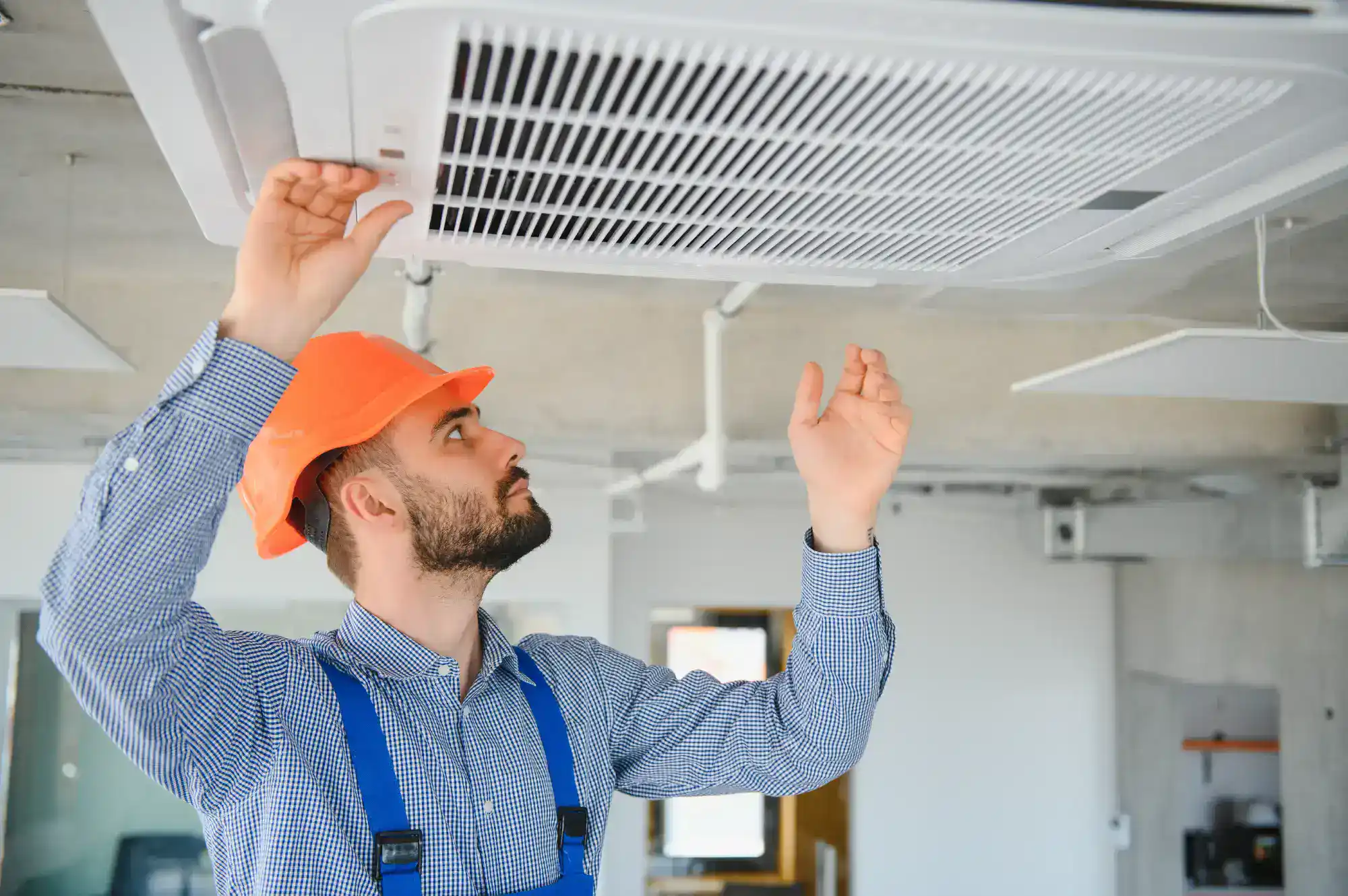
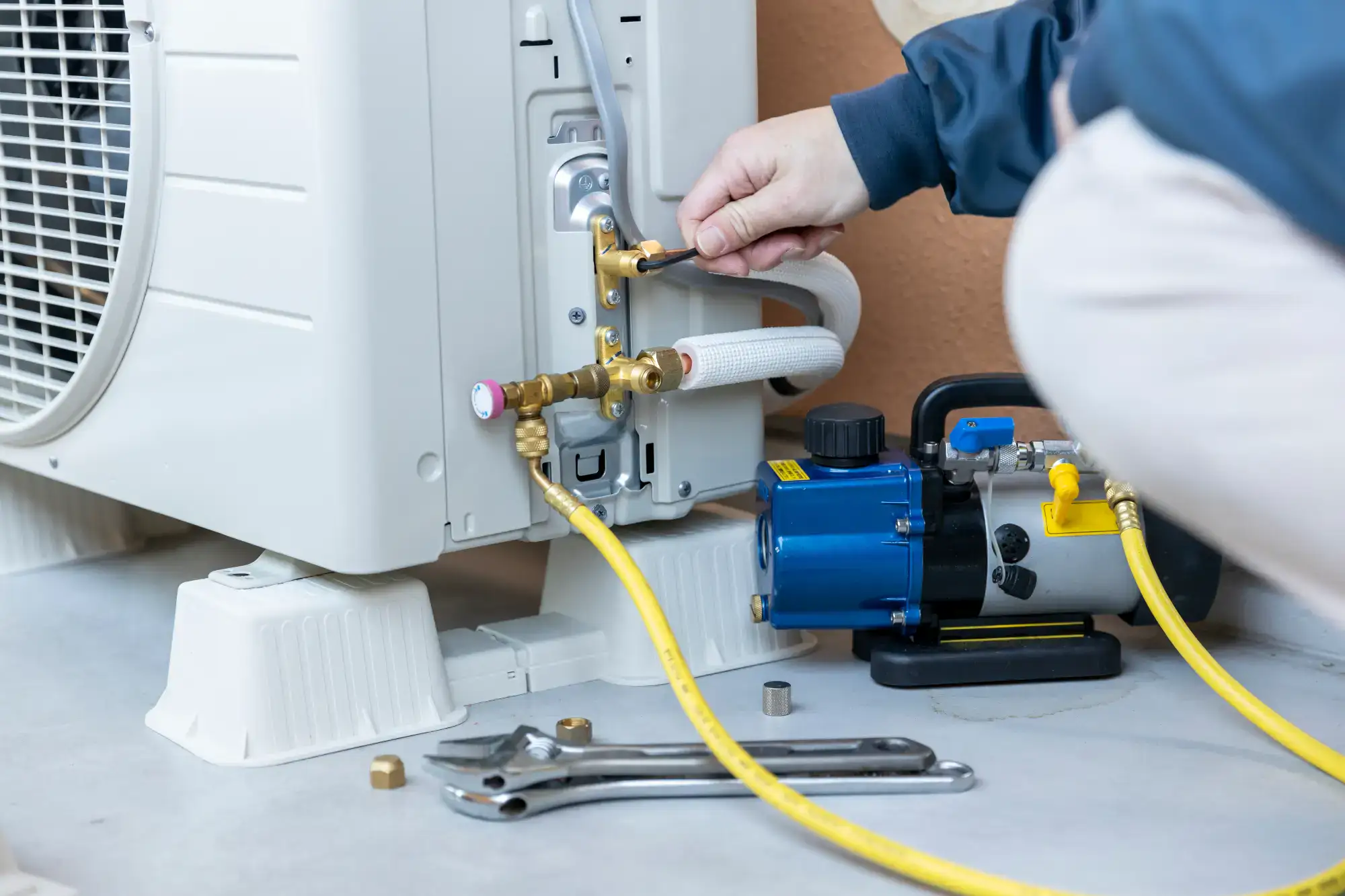
You’re not sweating through July because someone guessed at your system size. Your AC installation in Bay Terrace starts with actual load calculations—measuring your home’s specific cooling needs based on insulation, windows, sun exposure, and layout. That means your system runs efficiently without short-cycling or struggling to keep up.
Your energy bills stay predictable because the equipment matches your space. Oversized units waste electricity and create humidity problems. Undersized systems run constantly and die early. You get neither of those headaches when the math is done upfront.
Your installation includes proper permits and NYC building code compliance. That matters when you sell your home or file an insurance claim. You’re not dealing with unpermitted work that creates problems down the road because we handle the paperwork and inspections from the start.
We handle HVAC system installation in Bay Terrace with full licensing and insurance. We know the housing stock here—older colonials, ranches, and Cape Cods that weren’t built with central air. That means assessing your electrical capacity, finding space for equipment, and working around the quirks that come with homes from the 1950s and 60s.
Bay Terrace sits under NYC building regulations. Most central air installations require permits. We coordinate with inspectors, handle the scheduling, and make sure everything passes. You’re not chasing down paperwork or wondering if the work was done legally.
Your installation gets the same attention whether you’re in a co-op near the Bay Terrace Shopping Center or a single-family home closer to the water. We’re local, we’re licensed, and we don’t rush the job to get to the next one.
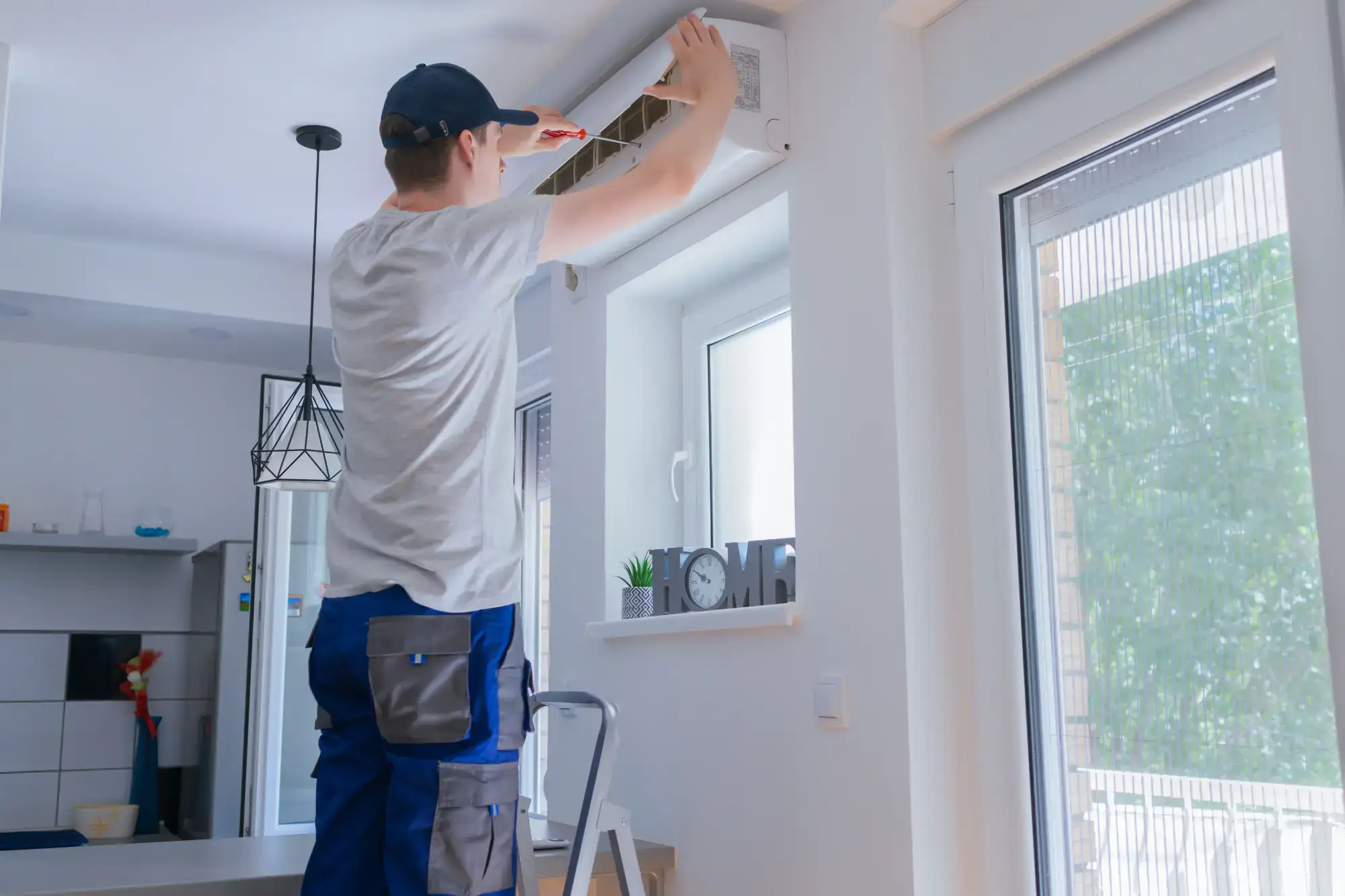
Your air conditioning installation in Bay Terrace starts with an assessment of your space. We measure rooms, check insulation levels, evaluate window sizes and sun exposure, and look at your existing electrical system. That information feeds into load calculations that determine the right system size for your home.
You get options based on your property. Central air works if you have ductwork or space to add it. Ductless mini-splits make sense for homes without ducts or where running them isn’t practical. We explain what each option costs, how it performs, and what installation involves.
Once you choose a system, we handle the permit application with NYC’s Department of Buildings. Most residential central AC installations require permits, and we manage that process so you’re not dealing with city agencies. Installation day typically takes four to eight hours depending on system type and any electrical upgrades needed.
After installation, we test the system, program your thermostat, and walk you through operation. You get manufacturer warranties on equipment and our guarantee on the installation work. We’re available for questions after we leave and provide ongoing maintenance when you need it.

Ready to get started?
Your central AC unit installation in Bay Terrace covers equipment, labor, permits, and testing. We don’t quote you one price and then add fees for things that should have been included from the start. You know what you’re paying before work begins.
Equipment selection matters in this market. New York’s electricity rates hit 23.4 cents per kilowatt-hour—higher than most of the country. That makes efficiency upgrades more valuable here than in cheaper energy markets. Systems installed in 2025 meet minimum SEER2 ratings of 15 and use new refrigerants with lower environmental impact. You’re getting current technology that meets EPA requirements that took effect this year.
Bay Terrace’s housing stock creates specific installation challenges. Many homes here were built before central air was standard. That means evaluating whether your electrical panel can handle the load, finding space for outdoor condensers in smaller yards, and sometimes upgrading wiring. Your installation accounts for these realities instead of forcing equipment into spaces that can’t support it properly.
You’re not dealing with subcontractors who don’t know your property. Our technicians handle the work from start to finish, and we’re local enough that follow-up service doesn’t mean waiting weeks for someone to drive out from another borough.
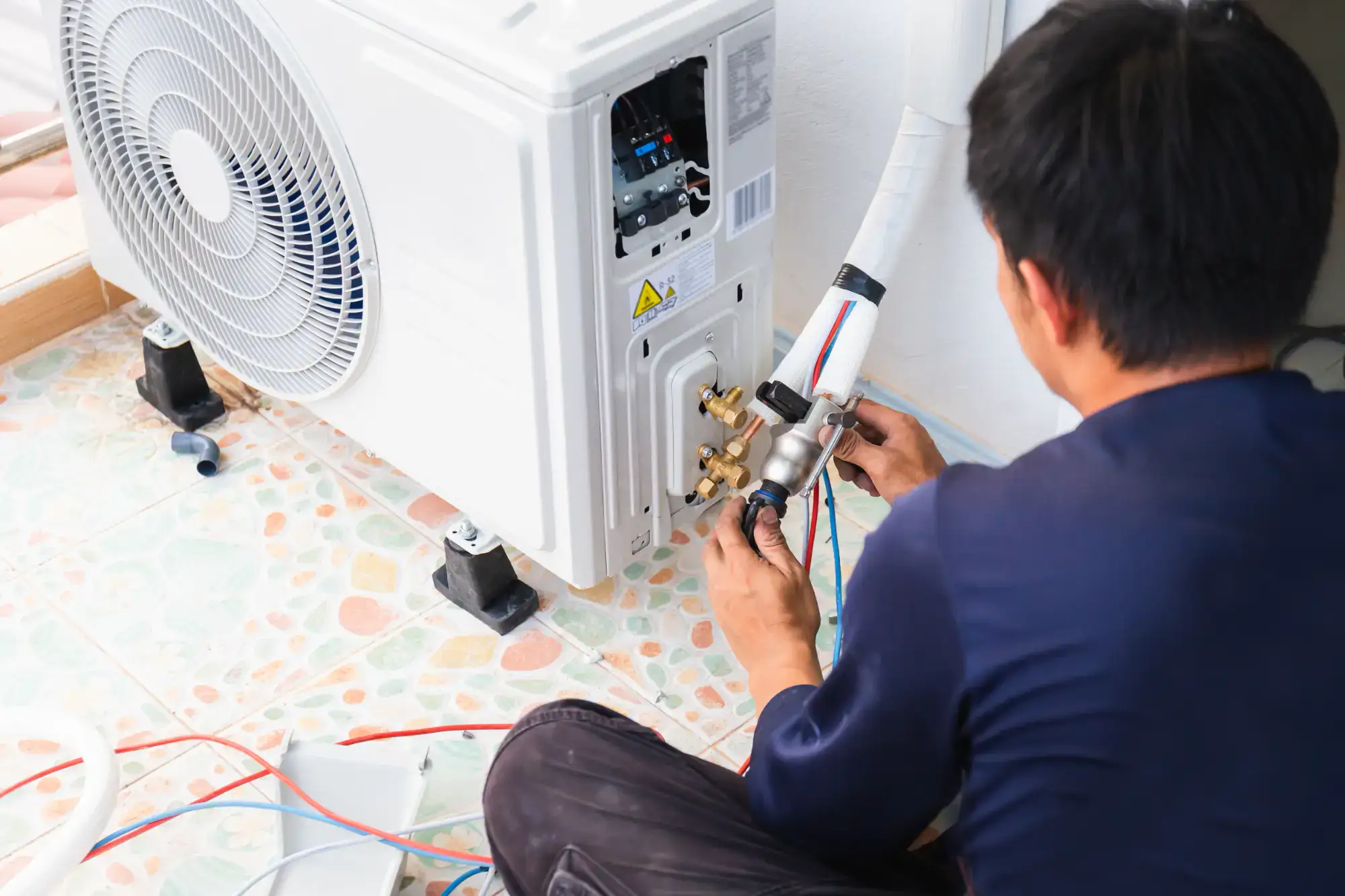
Central air installation in Bay Terrace typically runs between $4,200 and $14,400, with most homeowners paying around $6,600 to $7,200. That range exists because your actual cost depends on system size, equipment brand, whether you need electrical upgrades, and how much ductwork modification is required.
A straightforward replacement where you already have ducts and adequate electrical capacity costs less than a new installation in a home that’s never had central air. If your electrical panel needs upgrading to handle the load or if we’re running new ducts, that adds to the total.
We provide written estimates that break down equipment costs, labor, permit fees, and any necessary modifications. You’re not getting a vague number that changes once work starts. The estimate reflects what your specific property needs based on our assessment, not a generic price pulled from a website.
Most central air installations in Bay Terrace require permits from NYC’s Department of Buildings. Bay Terrace falls under New York City building regulations, which are stricter than what you’d find in suburban areas outside the five boroughs.
Window units under three tons (36,000 BTU/hr) generally don’t need permits. But if you’re installing a central air system or a larger ductless setup, you’re filing for a permit. That’s not optional, and skipping it creates problems when you sell your home or need to file insurance claims.
We handle permit applications, coordinate with inspectors, and manage the scheduling. You’re not spending your time dealing with city agencies or trying to figure out what forms to file. The permit process adds time to your project timeline, but it protects you legally and ensures the work meets code. Unpermitted work isn’t cheaper in the long run when it has to be redone or causes issues down the road.
Most residential AC installations in Bay Terrace take four to eight hours once we’re on site. That’s for a straightforward central air replacement where ductwork exists and your electrical system can handle the load. More complex installations take longer.
If you’re adding central air to a home that’s never had it, expect a full day or possibly two days of work. We’re running new ducts, potentially upgrading electrical panels, mounting outdoor condensers, and making sure everything integrates properly with your existing systems. Older Bay Terrace homes sometimes have surprises—outdated wiring, limited attic access, or structural considerations that require additional time.
Ductless mini-split installations are usually faster than central air because there’s no ductwork involved. But every property is different, and we won’t know your exact timeline until we assess your space. The estimate we provide includes a realistic timeframe based on what your specific installation requires, not an optimistic guess that doesn’t account for your home’s realities.
Your home needs whatever size the load calculations say it needs—not a guess based on square footage alone. We measure your space, evaluate insulation levels, count and measure windows, assess sun exposure, and factor in ceiling heights. That data determines the cooling capacity required to keep your home comfortable without wasting energy.
Oversized systems are a common problem. Contractors sometimes install bigger units thinking more capacity is better, but oversized ACs short-cycle—they cool the air quickly, shut off, then start again repeatedly. That wastes electricity, wears out components faster, and doesn’t remove humidity effectively. You end up with a cold, clammy house and high energy bills.
Undersized systems run constantly and struggle to maintain temperature during heat waves. They work harder, die sooner, and never quite keep up when you need them most. Proper sizing avoids both problems. Your system runs in longer, more efficient cycles, maintains consistent temperature, and lasts longer because it’s not constantly starting and stopping or running nonstop. The math matters, and we do it before recommending equipment.
Yes, we regularly install central air in older Bay Terrace properties that were built before AC was standard. But it requires assessing your electrical system, finding space for ductwork, and sometimes making modifications that newer homes don’t need.
Many Bay Terrace homes date back to the 1950s and 60s. Electrical panels from that era often need upgrading to handle central air loads. We evaluate your current capacity and let you know if an upgrade is necessary before installation. Running new ducts in homes without existing ductwork means working around your layout—sometimes using attic space, sometimes basement runs, sometimes creative routing that doesn’t tear up your entire house.
Ductless mini-splits are an alternative worth considering for older homes. They don’t require ductwork, they’re less invasive to install, and they let you control temperature in individual rooms. They cost more upfront than window units but provide better efficiency and whole-home comfort without the construction involved in adding ducts. We explain both options and what makes sense for your specific property and budget.
We install quality equipment from manufacturers like Trane, Carrier, Lennox, Rheem, and Goodman. Brand matters less than proper installation and sizing—the best equipment performs poorly if it’s installed incorrectly or sized wrong for your space.
That said, different brands offer different warranty coverage, efficiency ratings, and price points. Higher-end brands typically include longer warranties and higher SEER2 ratings, which means better energy efficiency. That matters more in New York where electricity costs are above the national average. A more efficient system costs more upfront but saves money over its lifespan through lower operating costs.
We don’t push one brand because we’re getting kickbacks or trying to move inventory. We recommend equipment based on your budget, your home’s requirements, and what provides the best value for your specific situation. You get options with clear explanations of what you’re paying for and what performance differences actually mean in real-world use. The goal is a system that keeps you comfortable for the next 15 to 20 years, not whatever’s easiest for us to install.