

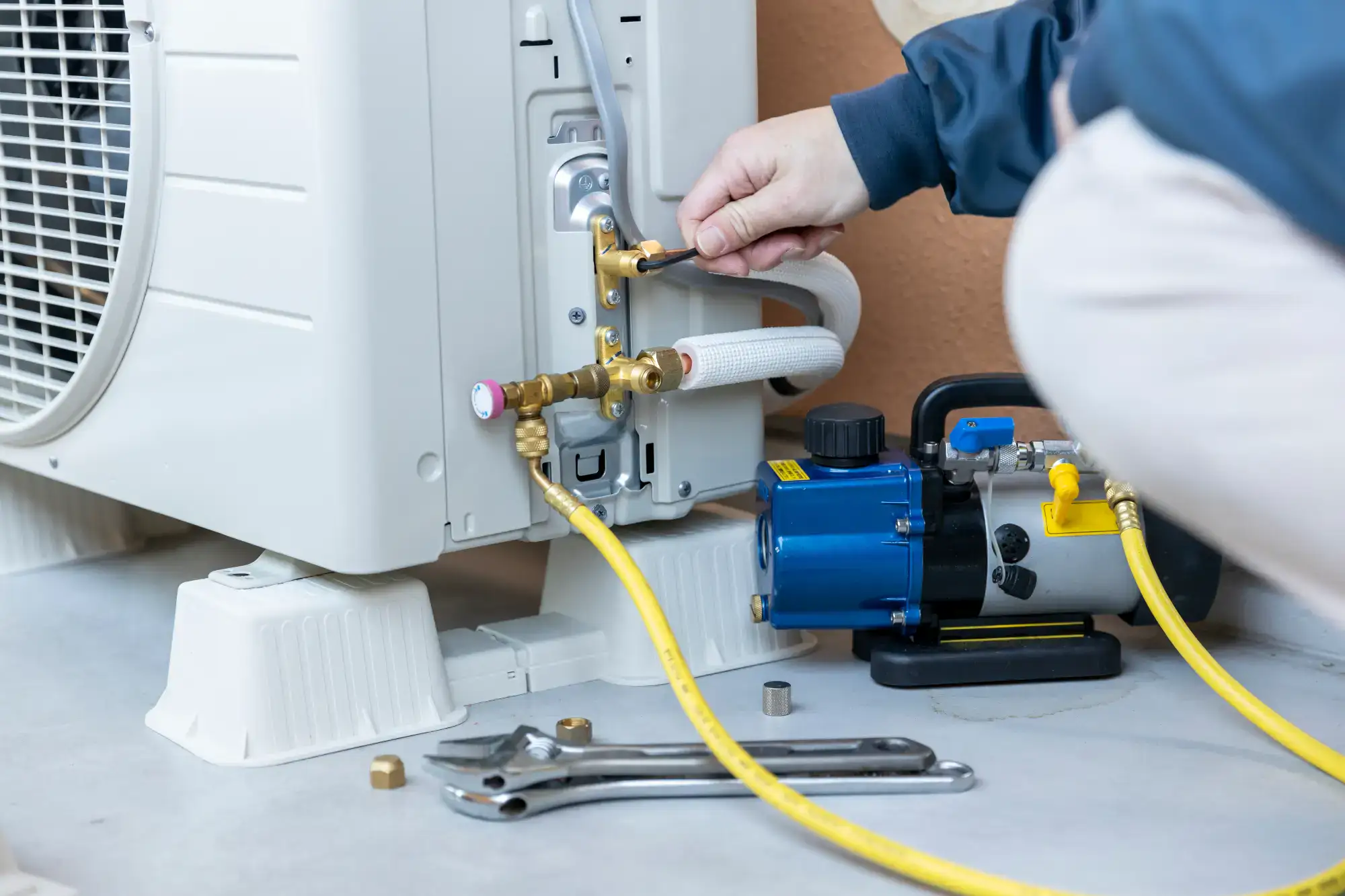
You’re not just getting a new AC unit. You’re getting consistent cooling in every room, energy bills that don’t spike every summer, and a system that’s actually sized right for your space.
Most Astoria homes deal with uneven cooling because the previous install was rushed or the unit was never sized correctly. Oversized systems cycle on and off constantly, wasting energy and leaving humidity behind. Undersized systems run nonstop and still can’t keep up on the hottest days.
A proper air conditioning installation in Astoria, NY starts with load calculations based on your square footage, insulation, window placement, and sun exposure. That’s how you end up with a system that runs efficiently, lasts longer, and keeps your space comfortable without working itself to death.
We’ve been handling HVAC system installation in Astoria, NY long enough to know that every building here has its own personality. Pre-war walkups with tight stairwells and no central ductwork. Co-ops with strict alteration agreements. Rowhouses with finished basements and limited exterior access.
We’re licensed, insured, and we pull permits for every job. That’s not optional. It protects you if something goes wrong, and it keeps your install up to code so you don’t run into issues when you sell or refinance.
You’re not getting a crew that cuts corners to save time. You’re getting technicians who’ve done hundreds of installs in buildings just like yours.
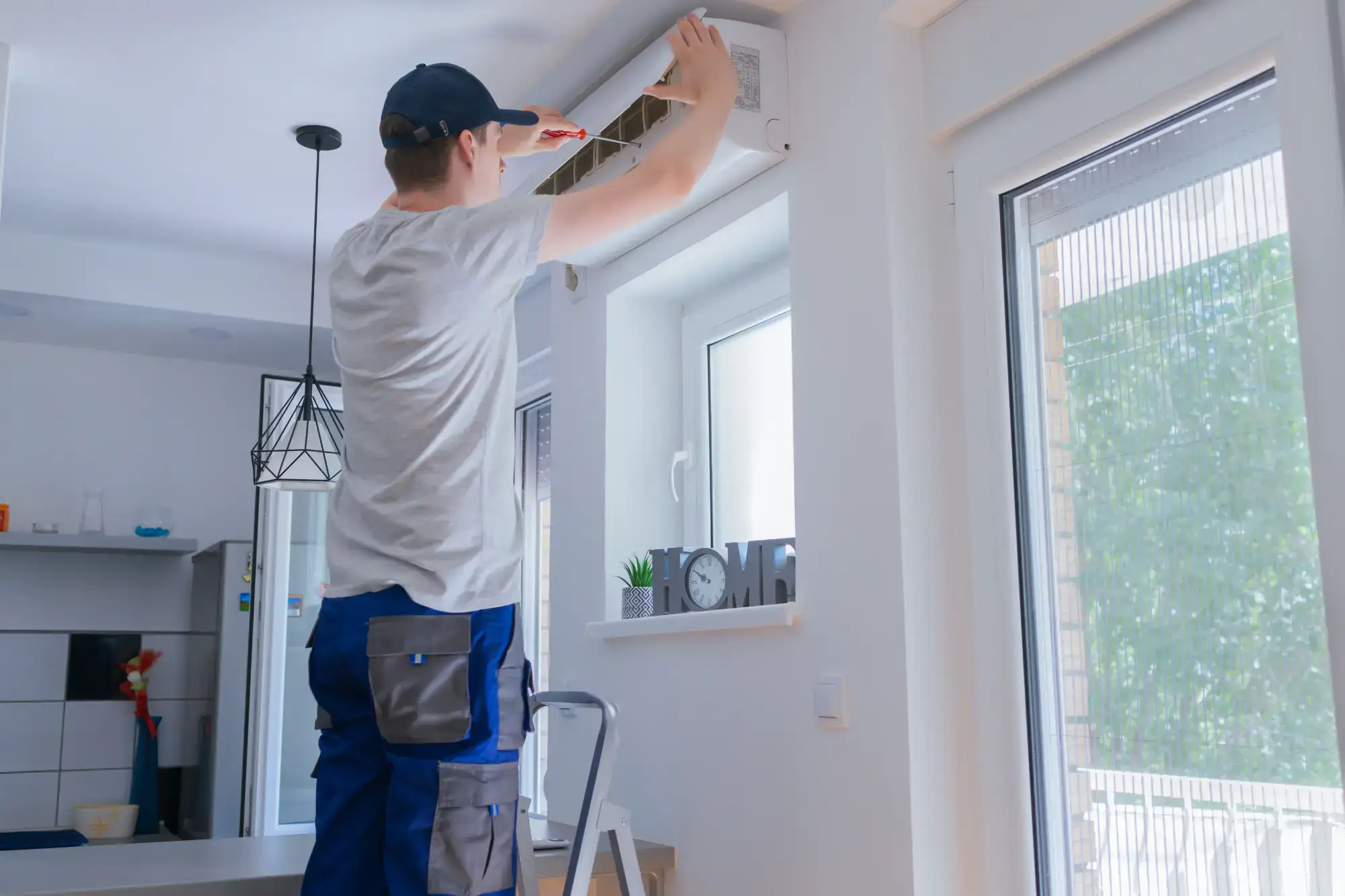
First, we come out and assess your space. We’re looking at your current setup, your electrical panel, your layout, and any building restrictions. If you’re in a co-op or condo, we’ll work with your board’s requirements.
Next, we run a load calculation to determine the right system size. This isn’t guesswork. It’s based on your square footage, insulation levels, window types, and how much sun hits your building. From there, we give you a written estimate that includes the equipment, labor, permits, and any electrical work that’s needed.
Once you approve, we handle the permit application and schedule the install around your availability. On install day, we protect your floors and furniture, run the refrigerant lines, mount the units, upgrade electrical if needed, and test everything before we leave. After the install, we walk you through how to use the system and schedule the required inspection. You get copies of all permits and warranties.

Ready to get started?
Every central AC unit installation in Astoria, NY includes a full site assessment, proper load calculations, all necessary permits, professional installation by licensed technicians, electrical upgrades if required, system testing, and a walkthrough of your new equipment.
Astoria’s building mix means we install a lot of ductless mini-splits. They’re ideal for homes without existing ductwork, and they let you control temperatures in different rooms independently. That’s a big deal in multi-story homes or spaces where one side gets more sun than the other. Mini-splits also use up to 40% less energy than traditional systems, which adds up over a New York summer.
If you’ve got ductwork already, a central air installation in Astoria, NY might make more sense. We’ll inspect your ducts for leaks, seal anything that’s losing air, and make sure your system is balanced so every room gets the airflow it needs. Either way, you’re getting a system that’s matched to your space and installed to last.
For a ductless mini-split system in Astoria, you’re typically looking at $3,000 to $5,000 depending on the number of zones and the complexity of the install. Central air systems range from $4,200 to $14,400, with most homes landing around $6,600.
The variables that affect cost include your building type, whether you need electrical upgrades, how many floors we’re covering, and what kind of access we have for running lines. A single-zone mini-split in a first-floor apartment is straightforward. A multi-zone system in a three-story rowhouse with limited exterior access takes more time and materials.
We give you a written estimate upfront that breaks down equipment, labor, permits, and any additional work. No surprises, no padding. If your electrical panel can’t handle the new load, we’ll tell you that before we start, not halfway through the job.
Yes. Any HVAC system installation in Astoria, NY requires a permit, and skipping that step can cause serious problems down the line. If you ever sell your home, a buyer’s inspector will check for permits on major work. If they’re missing, you could be forced to rip out the system and reinstall it properly, or the sale falls through.
Permits also ensure the work meets local code, which protects you if something goes wrong. If a contractor tells you permits aren’t necessary or offers a discount to skip them, walk away. That’s a red flag.
We handle the entire permit process. We submit the application, coordinate the inspection, and make sure everything passes. You don’t have to deal with the city or worry about whether the work is compliant. It’s part of the service.
Most residential AC installations in Astoria take one to two days, depending on the system type and your building’s layout. A single-zone ductless mini-split in a straightforward space can often be done in a day. Multi-zone systems or central air installations with ductwork modifications take longer.
If we need to upgrade your electrical panel or run new circuits, that adds time. Same goes for buildings with difficult access or co-op boards that restrict work hours. We’ll give you a realistic timeline during the estimate so you can plan accordingly.
We don’t rush jobs to squeeze in more appointments. Every install gets the time it needs to be done right. That means proper mounting, clean refrigerant line runs, secure electrical connections, and thorough testing before we leave.
The right size depends on your square footage, insulation, ceiling height, window types, and sun exposure. There’s no universal formula. A 1,200-square-foot apartment with old single-pane windows facing south needs more cooling capacity than the same square footage with new windows and northern exposure.
We run a Manual J load calculation to determine the exact size. This accounts for all the variables that affect your cooling needs. It’s the industry standard, and it’s the only way to size a system correctly.
Bigger is not better. An oversized AC cools your space too quickly, shuts off before it removes humidity, and cycles on and off constantly. That wastes energy and wears out components faster. An undersized system runs nonstop and never quite gets the job done. Proper sizing means the system runs efficiently, maintains consistent temperatures, and lasts as long as it’s supposed to.
It depends on the building. If you’ve already got ductwork from a forced-air heating system, adding central air is usually straightforward. If there’s no existing ductwork, installing it can be invasive and expensive, especially in finished spaces.
That’s where ductless mini-splits come in. They’re designed for exactly this situation. We mount an outdoor condenser and run refrigerant lines to indoor units in each room or zone. The lines are small, so we can route them through existing chases, closets, or along exterior walls without tearing up your home.
Astoria has a lot of pre-war buildings, co-ops, and rowhouses where ductless systems make the most sense. They’re efficient, they give you room-by-room control, and the installation is far less disruptive than adding ductwork. We’ll assess your space and recommend the option that makes the most sense for your building and your budget.
Central air uses ductwork to distribute cool air throughout your home from a single indoor unit. Ductless mini-splits use individual indoor units in each room or zone, connected to an outdoor condenser by refrigerant lines. No ducts required.
Mini-splits give you more control. You can set different temperatures in different rooms, which is useful if one side of your home gets more sun or if you don’t need to cool every room all the time. They’re also more efficient because there’s no duct leakage. Central air loses 20-30% of its cooling capacity through leaky ducts in most homes.
Central air makes sense if you already have ductwork in good condition and you want a single thermostat controlling the whole house. Mini-splits make sense if you don’t have ducts, if you want zone control, or if you’re looking for maximum efficiency. We install both, and we’ll recommend whichever fits your building and your priorities.