Summary:
Strange Noises Coming From Your Boiler
Your boiler shouldn’t sound like it’s hosting a percussion concert in your basement. While these systems aren’t completely silent, certain sounds signal serious problems that need immediate attention.
Banging, whistling, or hissing sounds can signal issues that may lead to system failure, and gurgling noises could indicate trapped air, mineral deposits, or mechanical malfunctions. Unexpected loud sounds and strange noises demonstrate the presence of a serious problem, and a strange hissing sound can be caused by a partial system breakdown that requires expert examination before severe damage occurs.
The key is knowing which sounds require immediate action versus those that can wait for your next scheduled maintenance visit.
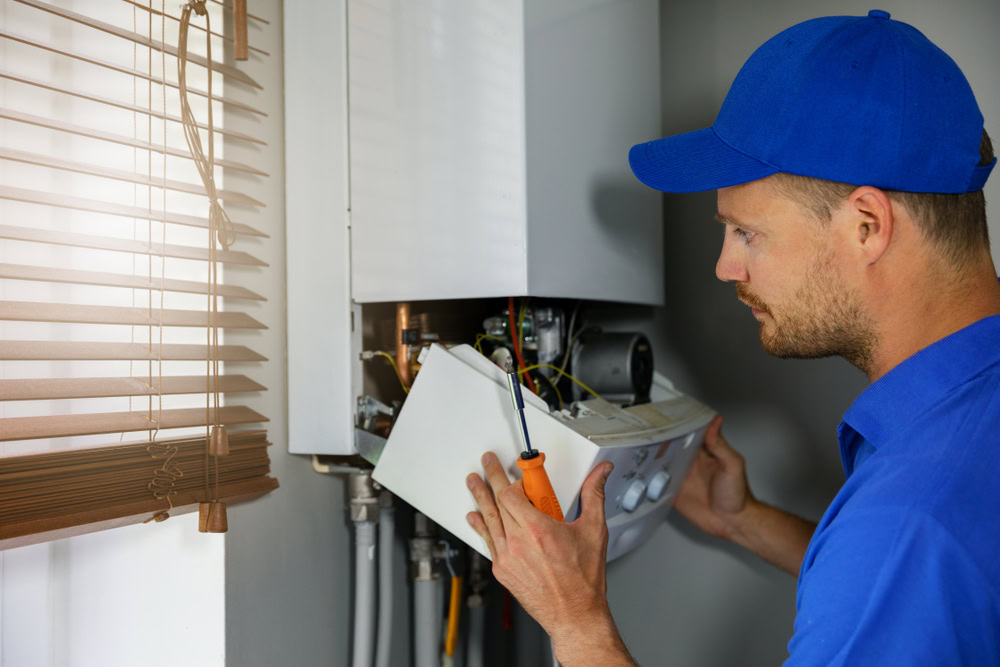
What Different Boiler Noises Actually Mean
Each type of noise your boiler makes tells a different story about what’s happening inside your system. Understanding these sounds can help you communicate more effectively with your repair technician and determine how urgent the situation really is.
Rumbling noise is the most common sound homeowners experience from their boilers, often indicating mineral buildup or air trapped in the system. This usually develops gradually and can be addressed during regular maintenance rather than requiring emergency service.
Banging sounds, however, are a different story entirely. These typically occur when water temperature fluctuates rapidly or when there’s a pressure imbalance in your system. Banging, whistling, or hissing sounds can signal issues and may lead to system failure, making them worth investigating sooner rather than later.
Whistling often points to airflow restrictions or pressure issues. Strange noises like banging, whistling, or gurgling could indicate trapped air, mineral deposits, or mechanical malfunctions that need to be addressed. While not always an immediate emergency, these sounds suggest your system is working harder than it should to maintain proper operation.
Hissing sounds deserve your immediate attention. A strange hissing sound can be caused by a partial system breakdown and an expert should examine that system before severe or irreparable damage is done. This could indicate a pressure relief valve issue or even a small leak that’s allowing steam to escape where it shouldn’t.
The bottom line: if your boiler suddenly starts making noises it’s never made before, don’t wait to see if they go away on their own. Most boiler problems get worse over time, not better.
When Boiler Noises Become Emergency Situations
Not every boiler noise requires an emergency service call, but certain sounds indicate problems that could leave you without heat or even pose safety risks. Knowing the difference can save you from both unnecessary service charges and potentially dangerous situations.
Any loud, sudden banging that seems to shake your entire system warrants immediate professional attention. This could indicate a serious pressure problem or component failure that might damage other parts of your boiler if left unchecked. Unusual noises like banging can signal issues and may lead to system failure, especially when they’re accompanied by other warning signs.
Continuous hissing or steam-like sounds also fall into the emergency category. A strange hissing sound can be caused by a partial system breakdown and an expert should examine that system before severe or irreparable damage is done. These sounds often indicate that pressure is escaping from your system in ways it shouldn’t, which can lead to complete system failure.
High-pitched squealing or screeching sounds, particularly if they’re constant, suggest bearing problems or motor issues that could cause your boiler to shut down completely. While these problems might not pose immediate safety risks, they can leave you without heat during the coldest days of the year.
On the other hand, occasional light rumbling or gentle gurgling sounds during startup or shutdown are often normal, especially in older systems. This rumbling noise is the most common sound homeowners experience from their boilers and usually doesn’t require emergency intervention.
The key question to ask yourself: is this a sound you’ve heard before, or is it something new and concerning? When in doubt, especially during Long Island’s harsh winter months, it’s better to have a professional assess the situation than risk a complete breakdown when you need heat most.
Uneven Heating and Performance Issues
When some rooms feel like saunas while others feel like walk-in freezers, your boiler is trying to tell you something important. Uneven heating where some areas of your home are warmer than others could indicate a problem with your boiler’s hot water or steam distribution.
Rooms that are too cold or too hot suggest your boiler isn’t circulating heat evenly, which could be due to internal wear, mineral buildup, or faulty parts. This isn’t just about comfort—it’s about efficiency and long-term system health.
Understanding why your boiler struggles to maintain consistent temperatures helps you address the root cause rather than just treating the symptoms.
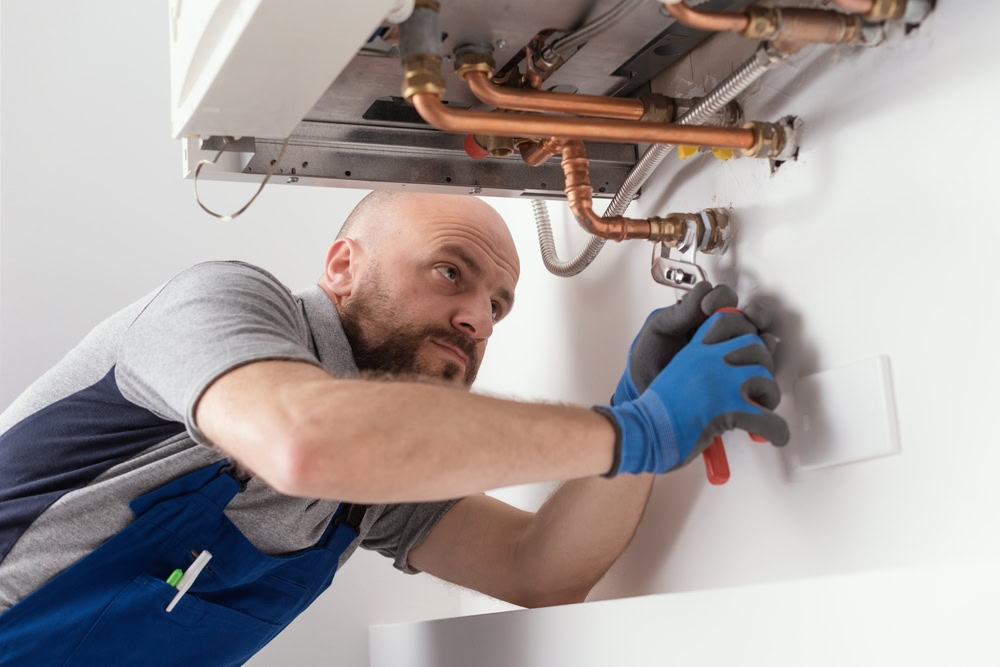
Why Your Boiler Isn't Heating Evenly
Uneven heating rarely happens overnight. It’s usually the result of several factors working together to disrupt your system’s ability to distribute heat effectively throughout your home. Understanding these causes helps you communicate better with repair technicians and make informed decisions about repairs.
Air in a boiler system usually makes it out of the boiler and into the pipes, eventually reaching radiators where it becomes locked in positions where no water can flow, causing sections to become cold and give off no heat. This is one of the most common causes of uneven heating and often develops gradually over time.
Mineral buildup presents another significant challenge. Sludge that builds up over time can cause radiators that feel cooler than others or heat up at the bottom only, usually requiring flushing with a chemical agent. This problem is particularly common in areas with hard water, where minerals accumulate more quickly in your system.
Circulation pump problems also contribute to uneven heating. Your circulator pump is responsible for moving heated water throughout your system, and when it starts failing, certain areas of your home won’t receive adequate heat. Your circulator pump is responsible for circulating heated water through the radiator and pipes, making it a critical component for even heat distribution.
Valve issues can create similar problems. If the warmth of your radiators is inconsistent throughout your home, they may not be balanced and your plumber will need to check and adjust the valves. This is often a relatively simple fix but requires professional expertise to ensure proper system balance.
System pressure problems round out the common causes of uneven heating. Low pressure after having radiators bled is common, and during normal cycles, pressure should be between one and two bars—if it drops below one bar, you have a problem.
Signs Your Boiler's Efficiency Is Declining
Your boiler’s efficiency doesn’t just affect your comfort—it directly impacts your wallet. When your energy bill is suddenly climbing, your boiler might be struggling to keep up, working harder and using more fuel to produce the same amount of heat you’re used to.
A sudden spike in heating costs often points to an inefficient system, and replacing your boiler can improve efficiency by 20-30% or more. However, before considering replacement, it’s worth understanding whether maintenance or repairs might restore your system’s efficiency.
Frequent cycling where your boiler turns on and off frequently, or sudden spikes in heating bills with no corresponding increase in usage, are sure signs that your boiler needs repair. These symptoms often appear together and indicate that your system is working much harder than it should to maintain your desired temperature.
It’s common for boilers to become increasingly inefficient as they get older, often manifesting as a gradual rise in heating costs over the years that many homeowners attribute to rising fuel prices, but can actually signal that the boiler’s lifespan is nearing its end.
The challenge with declining efficiency is that it often happens gradually, making it easy to overlook until the problem becomes severe. Keep track of your heating costs from year to year, and pay attention to how often your system cycles on and off during typical weather conditions.
If you don’t properly maintain your boiler, its performance will be reduced and energy bills could go up due to wasted energy—minor adjustments can save up to 10% on your bills, which can add up to hundreds of dollars per year. This means that what seems like a minor efficiency problem could be costing you significantly more than you realize.
Professional gas boiler maintenance can often restore much of your system’s lost efficiency, especially if the decline is due to buildup, minor component wear, or calibration issues rather than major mechanical problems.
Taking Action When Your Boiler Shows Warning Signs
Detecting problems before they become serious issues will save you time and money, and addressing small issues early helps you avoid costly repairs and the inconvenience of an emergency service call. The warning signs we’ve covered—strange noises, uneven heating, declining efficiency—all give you the opportunity to address problems before they leave you without heat during Long Island’s coldest days.
A single emergency service call can easily cost $300 to $800, making annual maintenance a smart financial decision. More importantly, emergency boiler repair is very common when there’s no heating during extremely cold weather conditions, and your house should always be kept warm when it’s freezing outdoors.
When you notice any of these warning signs, don’t wait to see if they resolve themselves. By maintaining your boiler system, you can help it achieve peak performance and save money on future energy bills and repair costs. Contact us at Excellent Air Conditioning and Heating Service to have your system evaluated by professionals who understand Long Island and Queens heating challenges.