Summary:
Central Air vs Ductless Mini Split Systems in Nassau County
The two main AC installation options for Nassau County and Queens homes each solve different problems. Central air conditioning uses your existing ductwork to deliver consistent cooling throughout your entire home from a single outdoor unit and indoor air handler.
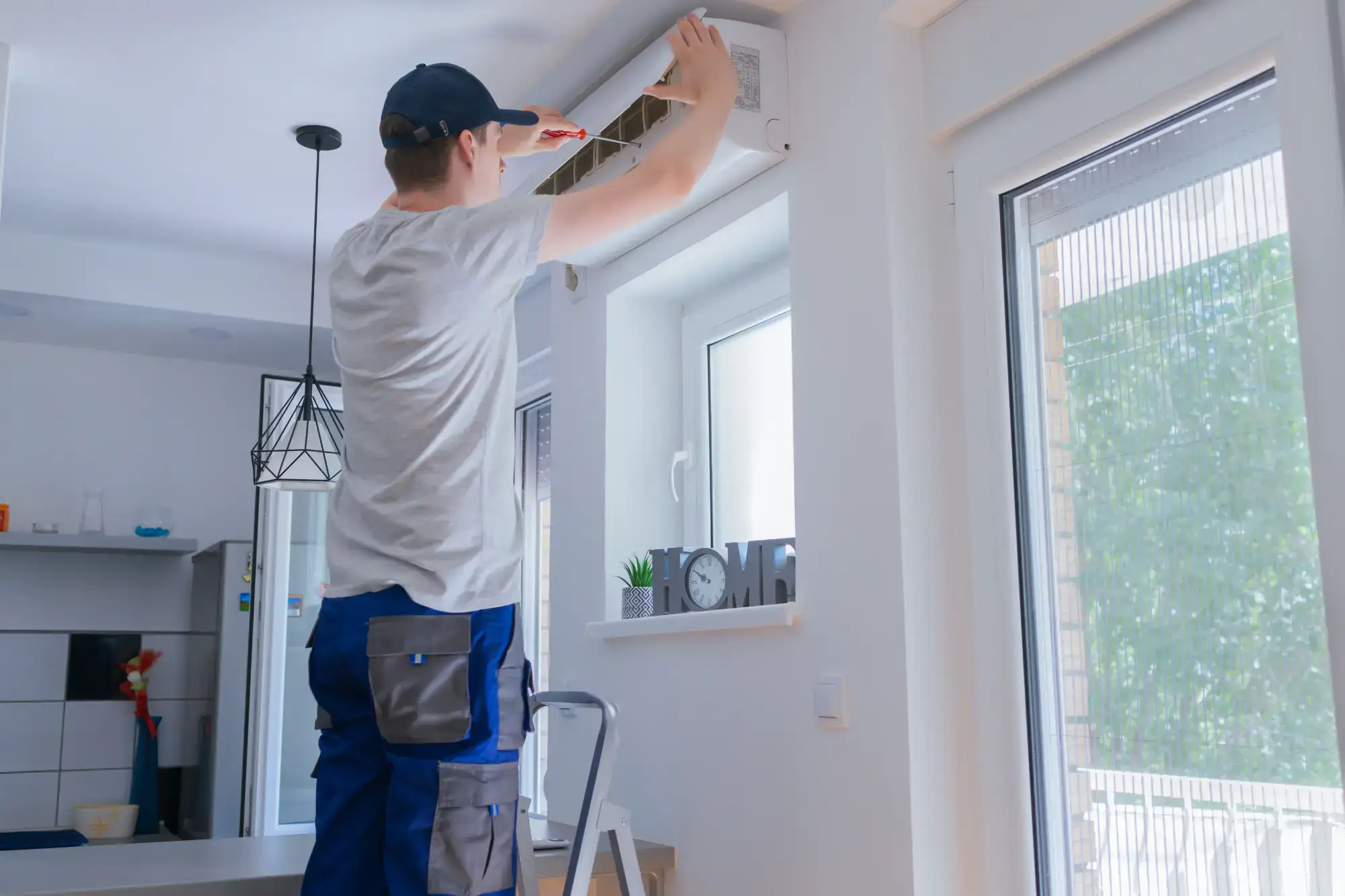
Ductless mini-split systems take a different approach. Instead of relying on ducts, they use individual indoor units connected to an outdoor compressor via refrigerant lines. Each indoor unit can be controlled independently, giving you room-by-room temperature control.
Your choice between these systems often comes down to your home’s existing infrastructure, your cooling priorities, and your budget for both installation and long-term operation.

When Central Air Installation Makes Sense for Your Home
Central air installation works best when your Nassau County or Queens home already has ductwork in good condition. If you currently have a furnace or had central AC before, the existing ducts can often handle a new system with minimal modifications.
The biggest advantage of central air is simplicity. One thermostat controls your entire home’s temperature, and the indoor equipment stays hidden in your basement, utility closet, or garage. You get consistent cooling throughout every room without multiple wall-mounted units visible in your living spaces.
Central air also excels at whole-house air filtration. The system circulates all your home’s air through a central filter, which can be upgraded to capture smaller particles, allergens, and pollutants more effectively than individual room units.
However, central air installation becomes significantly more expensive if your home lacks ductwork. Installing a complete duct system can add $10,000 to $18,000 to your project cost, which is why many older Long Island homes without existing ducts choose ductless systems instead.
Energy efficiency with central air depends heavily on your ductwork condition. Even well-designed duct systems typically lose 20-30% of conditioned air through leaks, poor insulation, or running through hot attics and crawl spaces. This energy loss directly impacts your monthly cooling costs.
Why Ductless Mini Split Installation is Popular in Queens and Nassau
Ductless mini-split installation has become increasingly popular in Nassau County and Queens, especially for older homes that were built before central air was standard. These systems eliminate the need for ductwork entirely, connecting indoor and outdoor units through small refrigerant lines that pass through a 2.5-3 inch hole in your wall.
The efficiency advantages are significant. Without ductwork to lose energy through, ductless systems can achieve SEER ratings of 18-30+, compared to typical central air systems that range from 14-16 SEER. This translates to roughly 30% lower energy consumption for the same cooling output.
Room-by-room control is where ductless systems really shine. You can keep your bedroom at 68 degrees while letting unused guest rooms stay warmer, or cool your home office during the day without conditioning the entire house. This targeted cooling can dramatically reduce your energy bills, especially in larger homes.
Installation is typically faster and less disruptive than central air. Most single-zone systems can be installed in a day, while multi-zone systems usually take 1-2 days. There’s no need to cut into walls for ductwork or deal with weeks of construction mess.
The main trade-offs are upfront cost and aesthetics. Ductless systems typically cost 30% more than central air when you’re not factoring in ductwork installation. And while modern indoor units are sleek and quiet, they are visible on your walls rather than hidden away like central air components.
For income property owners in Queens and Nassau County, ductless systems offer particular advantages. Each apartment can have its own system for individual climate control and utility billing, and installation rarely disrupts tenants’ daily routines.
AC Installation Costs and Rebates in Nassau County NY
AC installation costs in Nassau County and Queens vary significantly based on system type, home size, and existing infrastructure. Understanding both upfront costs and available rebates helps you make an informed decision that fits your budget.
Basic single-zone ductless mini-split installation typically ranges from $3,900 to $5,400, including the wall unit, outdoor condenser, and connecting lines. Multi-zone systems cost more, with each additional indoor unit adding to the total price.
Central air installation costs depend heavily on whether you have existing ductwork. With ducts in good condition, expect to pay $5,000 to $7,000 for most average-sized homes. Without existing ductwork, add $10,000 to $18,000 for duct installation, making ductless systems often more cost-effective for older homes.
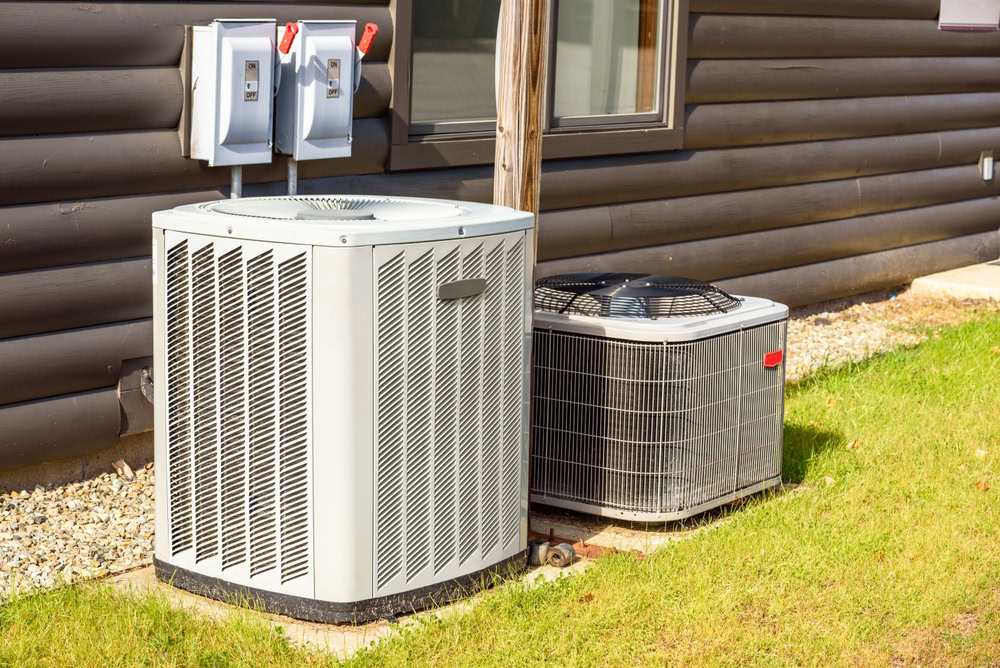
Federal Tax Credits and Local Rebates for Energy Efficient Systems
The federal government offers substantial incentives for energy-efficient AC installation through the Inflation Reduction Act. You can claim a 30% tax credit on your total installation costs, including equipment and labor, with no upper limit for heat pump systems.
For high-efficiency air conditioners and other HVAC equipment, the credit is capped at $600 per unit. Heat pump systems, including ductless mini-splits that provide both heating and cooling, qualify for up to $2,000 in federal tax credits.
PSEG Long Island customers can access additional rebates for qualifying equipment. Smart thermostats earn $85 rebates when installed with central air systems. Various energy-efficient equipment rebates are available through PSEG’s marketplace, with some offering instant discounts at participating retailers.
Nassau County residents may also qualify for New York State’s Clean Heat Program, which offers rebates covering up to 70-100% of heat pump installation costs based on household income. This program specifically targets air-source heat pumps, which include most ductless mini-split systems.
The key to maximizing your savings is combining multiple incentive programs. You can typically stack federal tax credits with local utility rebates and state programs, significantly reducing your net installation cost. However, rebate amounts are calculated after applying other discounts, so your tax credit percentage applies to your out-of-pocket costs.
Working with a contractor familiar with local rebate programs ensures you don’t miss available incentives and that your equipment qualifies for all applicable programs.
Long Term Energy Savings and Return on Investment
While AC installation requires a significant upfront investment, energy-efficient systems typically pay for themselves through reduced utility bills over their 15-20 year lifespan. The exact payback period depends on your current cooling costs, system efficiency, and local electricity rates.
Ductless mini-split systems often provide the fastest payback in Nassau County and Queens homes. Their higher efficiency ratings and ability to cool only occupied spaces can reduce summer cooling costs by 30-50% compared to older window units or inefficient central systems.
Central air systems with SEER ratings of 16 or higher also deliver substantial savings compared to older equipment. If you’re replacing a system that’s 10+ years old, your energy savings alone might cover a significant portion of your installation costs within the first few years.
Beyond direct energy savings, properly installed AC systems add value to your home. In Nassau County’s competitive real estate market, central air or ductless systems are often expected by buyers, especially in higher-end neighborhoods.
Maintenance costs should factor into your long-term calculations. Ductless systems typically require less maintenance than central air, with simple filter cleaning every few weeks and annual professional service. Central air systems need regular duct cleaning, filter changes, and more complex maintenance due to their additional components.
Consider financing options if upfront costs are a concern. Many HVAC contractors offer zero-percent financing for qualified buyers, allowing you to start saving on energy costs immediately while spreading installation costs over several years. When your monthly loan payment is less than your energy savings, the system essentially pays for itself from day one.
Choosing the Right AC Installation for Your Nassau County Home
The right AC installation transforms your Nassau County or Queens home from a summer survival challenge into a comfortable retreat. Whether you choose central air for whole-house simplicity or ductless mini-splits for targeted efficiency, professional installation ensures your system performs reliably for years to come.
Your decision should balance upfront costs, long-term energy savings, and your home’s specific needs. Homes with existing ductwork often benefit from central air’s simplicity and air filtration capabilities. Older homes without ducts, or those wanting room-by-room control, typically find ductless systems more cost-effective and efficient.
Don’t forget to factor in available rebates and tax credits when calculating your investment. With federal incentives covering up to 30% of installation costs and local rebates potentially covering even more, the net cost of energy-efficient AC installation is often much lower than the sticker price suggests.
When you’re ready to beat the Long Island heat with reliable, efficient cooling, we can help you choose and install the perfect system for your home’s unique needs.