
Queens summers hit hard. The heat radiates off the streets, humidity rolls in from the bays, and your family needs relief that doesn’t quit halfway through July.
When your air conditioning installation in Astoria Heights is done right, you’re not adjusting the thermostat every hour or calling for repairs by August. You’re getting consistent cooling in every room, lower energy bills than you expected, and a system that handles the humidity without turning your home into an icebox.
The difference comes down to proper sizing and installation. Your home’s insulation, window placement, ceiling height, and the way Queens weather works all factor into the calculation. Get it wrong and you’re either freezing one room while another stays muggy, or you’re running the system constantly and watching your electric bill climb. Get it right and everything just works.
We know Astoria Heights. We know the older homes, the electrical panels that need upgrades, and the permit process that trips up contractors who don’t work here regularly.
Every technician is licensed and insured. We use equipment from Trane and Carrier because quality matters when you’re investing thousands of dollars. And we don’t sell you things you don’t need—no pushy sales tactics, no hidden fees, just honest quotes and work that’s guaranteed.
You’re dealing with people who’ve handled hundreds of HVAC system installations in Astoria Heights and throughout Queens. We pull the permits, coordinate the inspections, and make sure your installation meets local building codes the first time.
First, we calculate the load. That means measuring your space, checking insulation, counting windows, and factoring in ceiling height. This determines the right tonnage for your home—not a guess based on square footage alone.
Next, we assess your electrical system. Older Astoria Heights homes often need panel upgrades to handle modern AC power requirements. If that’s the case, we handle it as part of the installation so you’re not dealing with tripped breakers or safety issues later.
Then we pull permits. AC installation in Astoria Heights requires electrical and HVAC permits. We file the applications, schedule inspections, and make sure everything passes code.
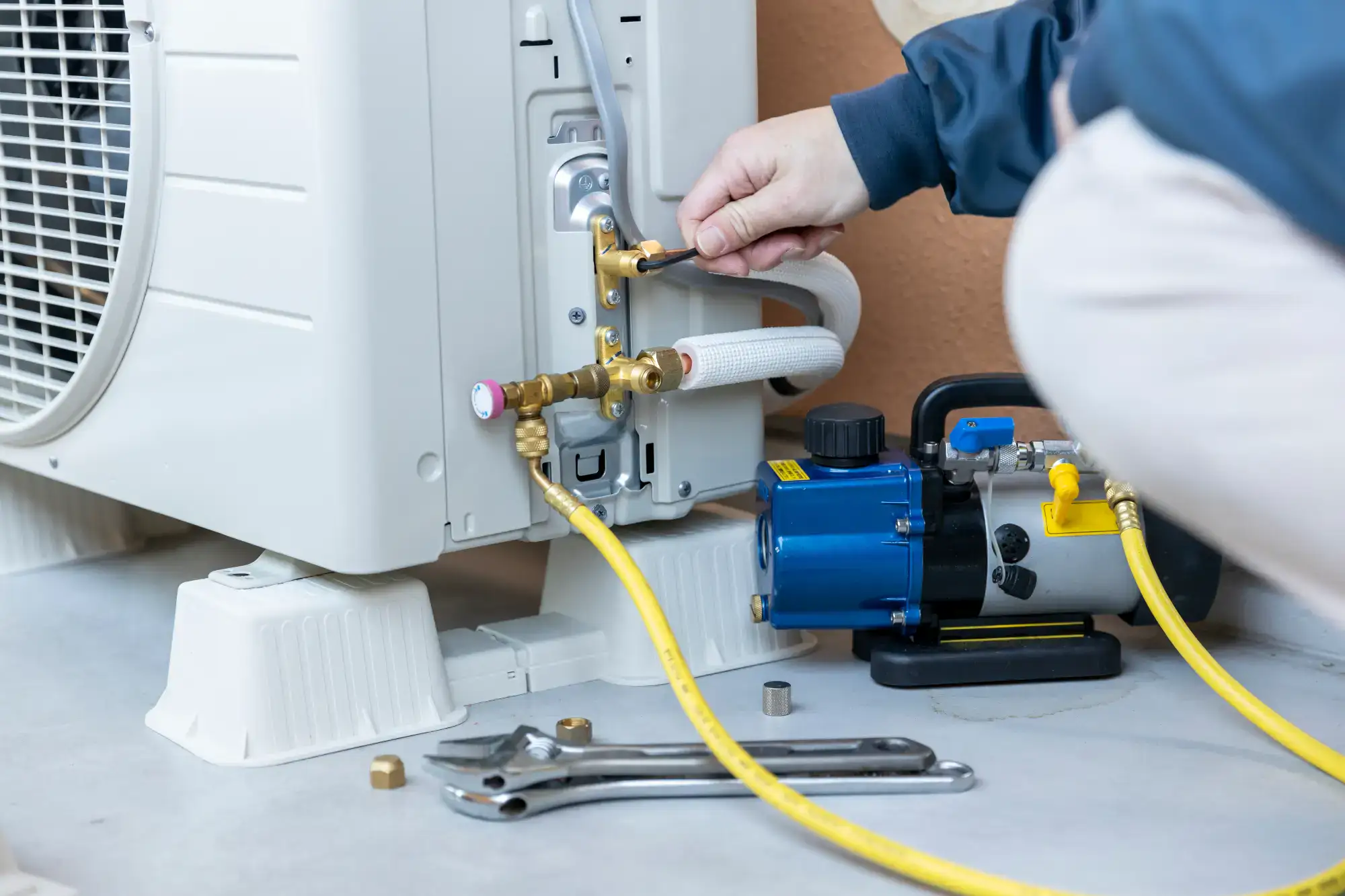
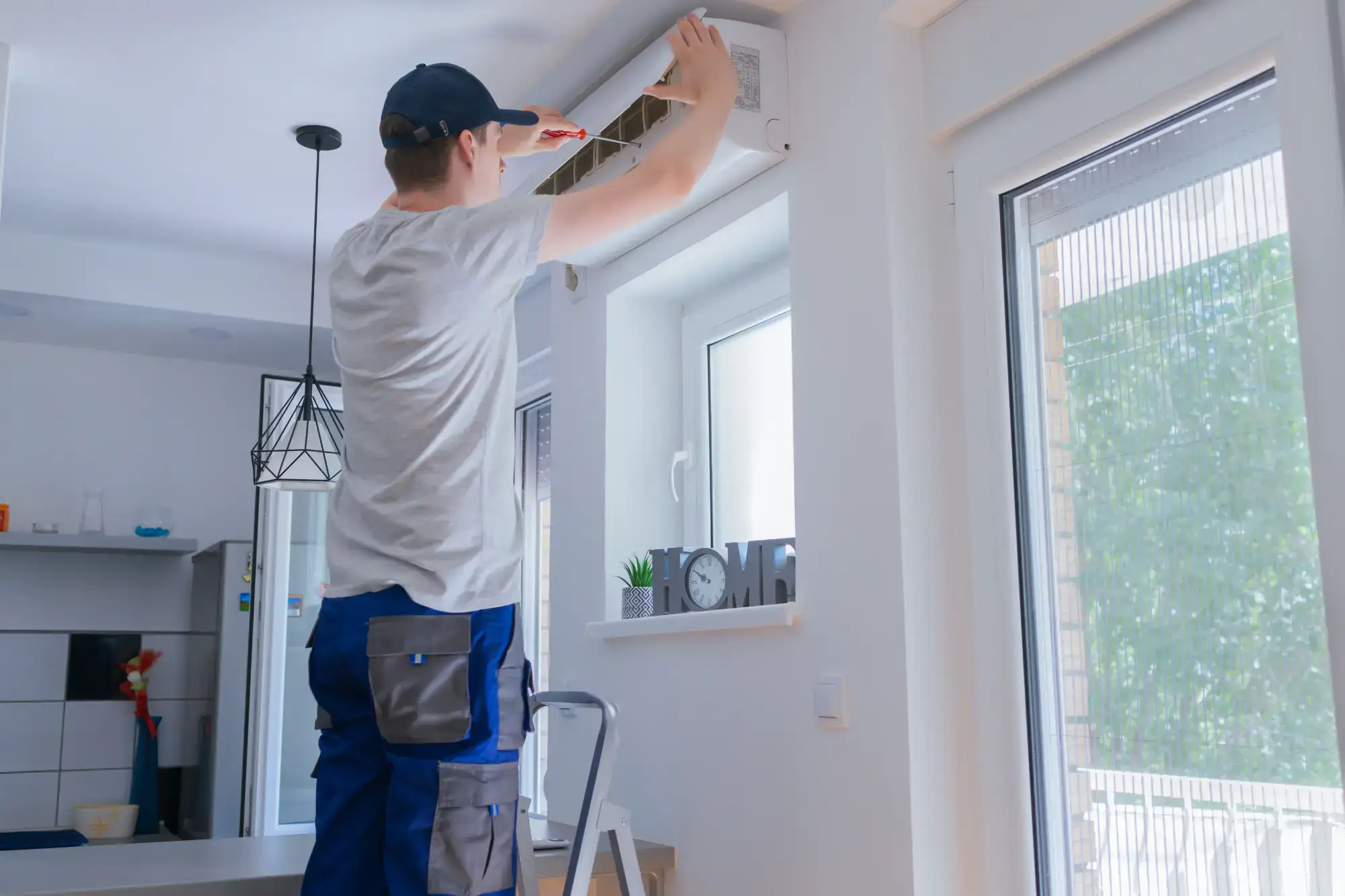
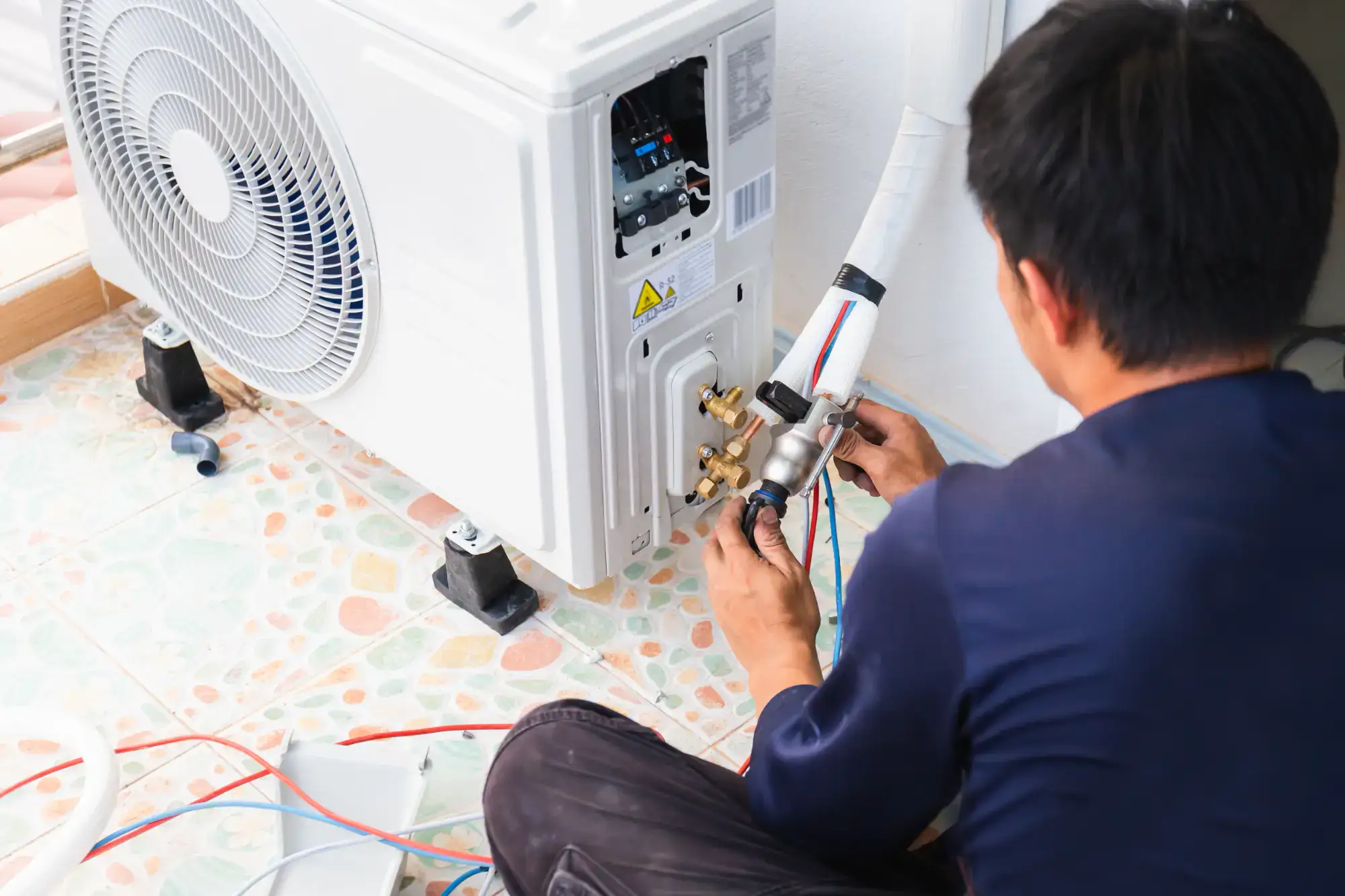
Installation day involves setting the outdoor unit, connecting refrigerant lines, installing or connecting to ductwork (or setting up ductless mini-split heads if your home doesn’t have ducts), wiring everything properly, and testing the system under load. You get a walkthrough of how everything works, and we don’t leave until you’re comfortable operating your new system.

Ready to get started?
Your home AC installation in Astoria Heights includes the load calculation, all electrical work (including circuit upgrades if needed), permit applications and inspections, the equipment itself, refrigerant lines, condensate drainage, thermostat installation, and full system startup and testing.
For homes without existing ductwork, ductless mini-split systems are often the best option. These systems cool efficiently without tearing into walls or ceilings. They’re popular in older Queens homes because installation is straightforward and you get zone control—meaning you can cool the rooms you’re actually using instead of the whole house.
If you’re replacing an old AC system with a new unit, we remove and dispose of the old equipment properly. We also check for any underlying issues—like undersized ductwork or air leaks—that might reduce your new system’s efficiency.
And if you qualify, you can stack rebates and tax credits. The federal IRA offers up to $2,000 in tax credits for qualifying heat pump systems, and Con Edison provides rebates up to $1,000 for high-efficiency equipment. We’ll let you know what applies to your situation.
Most homeowners in Astoria Heights pay between $5,000 and $12,000 for central AC unit installation. The average falls around $6,000 for a standard 3-ton system, which fits most homes.
Your actual cost depends on system size, equipment brand, whether your electrical panel needs upgrading, and how complex the installation is. Homes with thick brick walls, limited access, or outdated electrical systems can add $500 to $1,000 to the total. Queens installations generally cost less than Manhattan projects, where tight street access and building management requirements drive prices up 10-20%.
We give you an honest quote upfront—no hidden fees. And we’ll tell you about available rebates and tax credits that can offset your cost by $1,000 to $3,000 depending on the equipment you choose.
Yes. AC installation in Astoria Heights requires permits—both electrical permits for new circuits and HVAC permits for the equipment itself.
The permit process ensures your installation meets local building codes and safety standards. It also protects you if you ever sell your home, since unpermitted work can cause problems during inspections or appraisals.
We handle permit applications and coordinate required inspections. We file everything, schedule the inspections, and make sure your installation passes. You don’t have to deal with the paperwork or worry about whether something was done correctly.
Absolutely. Many Astoria Heights homes were built before central air conditioning was common, but they can definitely accommodate modern systems.
For homes without existing ductwork, ductless mini-split systems offer excellent cooling without major renovations. These systems are popular in older Queens homes because they’re efficient, quiet, and don’t require tearing into walls or ceilings to install. You get individual heads in each room or zone, and you can control temperatures independently.
If your home does have ductwork (or space to add it), traditional central air works great. The main consideration is your electrical system—older homes often need panel upgrades to handle AC power requirements. We assess that during the estimate and include any necessary electrical work in your quote.
The right size depends on multiple factors beyond just square footage. Your home’s insulation, window size and placement, ceiling height, and local climate all affect the calculation.
A proper load calculation considers these variables to determine the correct tonnage. Too small and your system runs constantly without cooling effectively. Too large and it short-cycles—turning on and off repeatedly without removing humidity, which leaves your home feeling clammy even when the temperature drops.
We perform load calculations on every installation. It takes more time upfront, but it’s the only way to ensure your system actually works the way you expect. Most Astoria Heights homes need between 2 and 4 tons of cooling capacity, but your specific home might fall outside that range depending on its characteristics.
Central air uses ductwork to distribute cool air throughout your home from a single indoor unit. Ductless mini-splits use individual heads mounted in each room or zone, connected to an outdoor unit by refrigerant lines.
Central air works well if you already have ductwork or space to install it. It’s a single-zone system, meaning one thermostat controls the whole house. Ductless mini-splits work better for homes without ducts, and they give you zone control—you can set different temperatures in different rooms and only cool the spaces you’re using.
In Astoria Heights, we install both types depending on your home’s layout and your preferences. Ductless systems are often more efficient because you’re not losing cooled air through duct leaks, and installation is less invasive. Central air tends to cost less upfront if you already have ductwork in good condition.
Most AC installations take one to two days once permits are approved. Straightforward replacements where we’re swapping an old system for a new one in the same location usually finish in a day. New installations or complex jobs involving electrical upgrades or ductwork modifications can take two days or slightly longer.
The permit approval process adds time before installation starts—typically one to two weeks depending on how backed up the local building department is. We handle all the permit paperwork and scheduling, so you don’t have to track it yourself.
Once we start work, we complete the installation in one continuous push. You’re not waiting days between phases or dealing with an unfinished job. We set the equipment, connect everything, test the system thoroughly, and walk you through operation before we leave.