
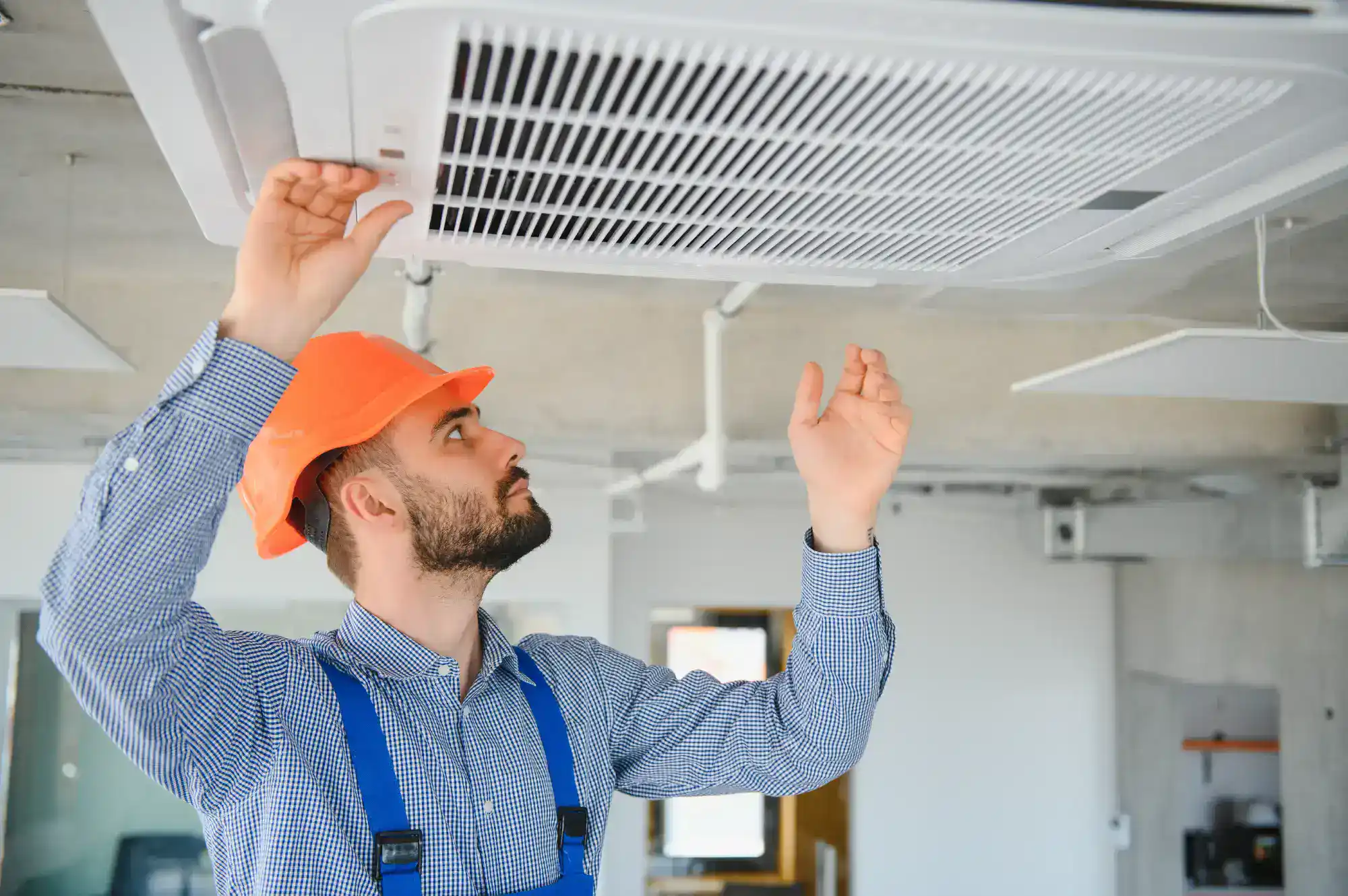
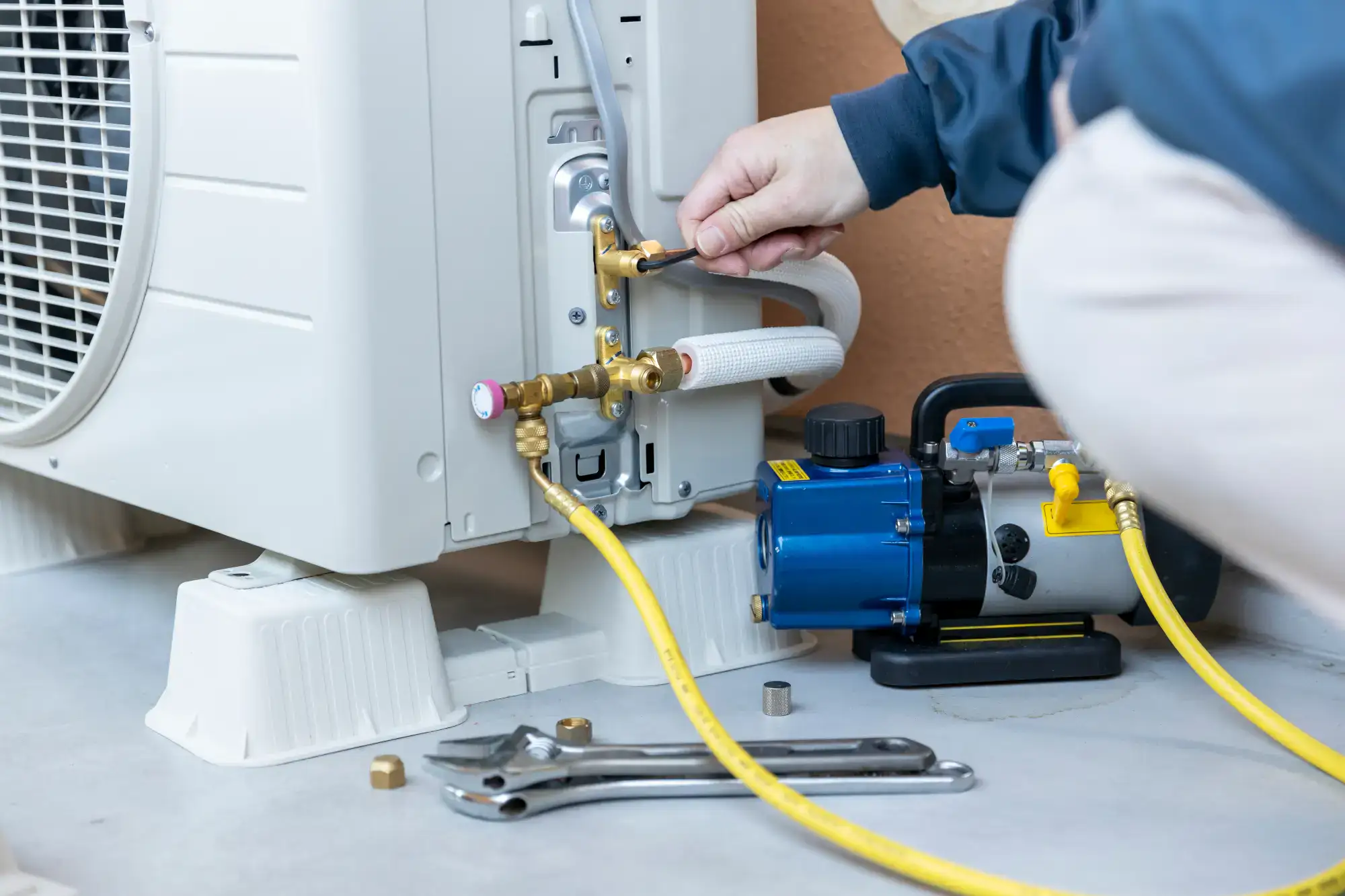
You’re not just getting a new AC unit. You’re getting consistent cooling in every room, lower energy bills because the system isn’t fighting itself, and humidity control that actually works in a coastal climate.
When we handle your home AC installation in Atlantic Beach, you’re also getting someone who pulls the right permits, coordinates inspections, and doesn’t leave you dealing with the town or your insurance company later. That’s the part most people don’t think about until it becomes a problem.
The equipment we install is sized for your actual square footage and humidity load—not guessed at or based on what the old unit was. That means it runs efficiently, lasts longer, and doesn’t cycle on and off every ten minutes because it’s oversized.
We work throughout Atlantic Beach and the surrounding Long Island area. We know what salt air does to outdoor units, how humidity affects cooling loads, and what Nassau County inspectors look for during final checks.
We’re licensed, insured, and we’ve installed central air systems in homes from beachfront properties on the barrier island to inland neighborhoods closer to Reynolds Channel. Every installation comes with manufacturer warranty coverage plus our guarantee on the work itself.
You’re hiring local professionals who show up when we say we will, do the work without cutting corners, and give you a straight answer when you ask a question.
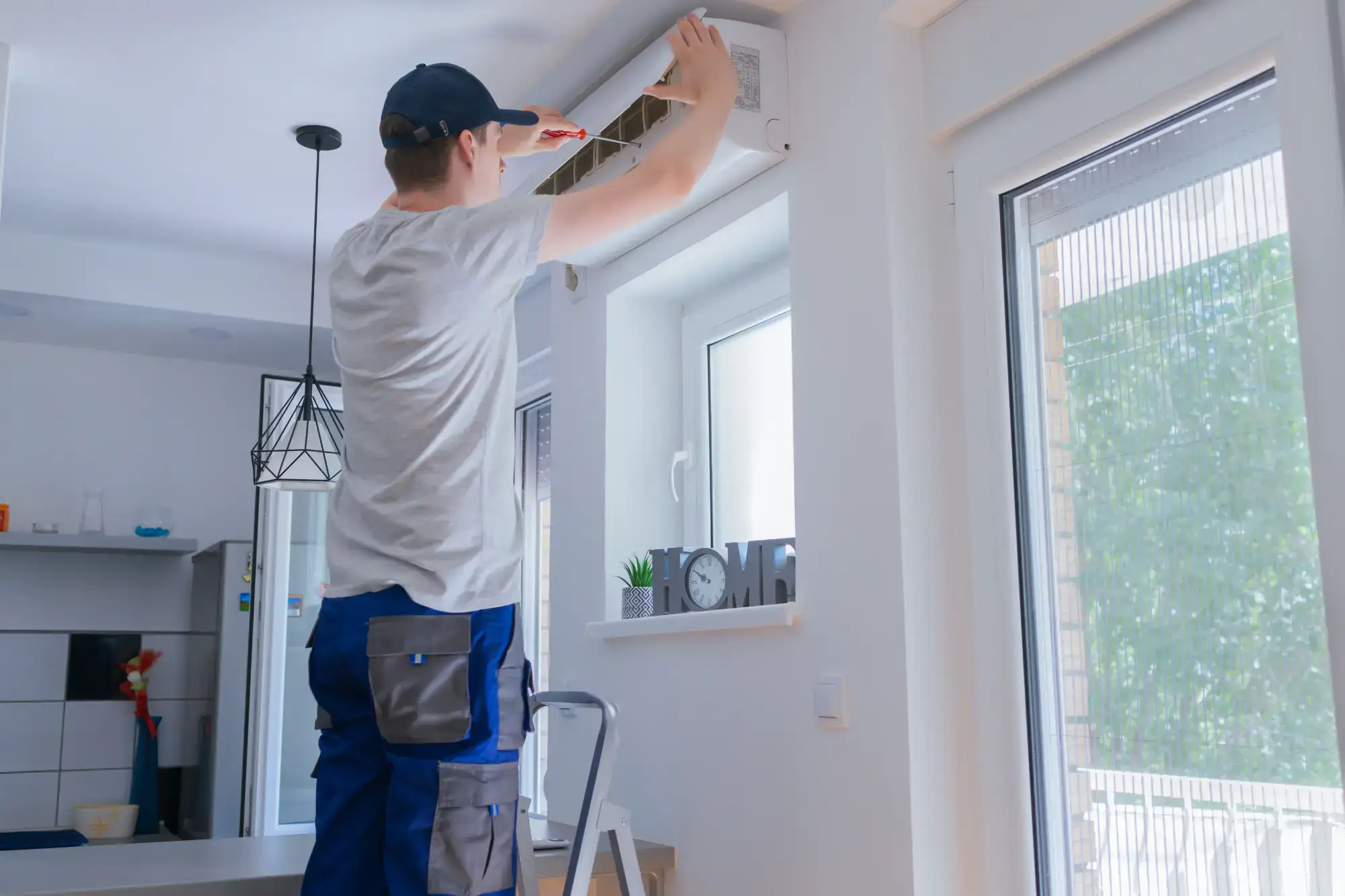
First, we come out to assess your home. We’re looking at square footage, insulation, window placement, existing ductwork, and electrical capacity. If you’re in an older Atlantic Beach home, we’re also checking whether your electrical panel can handle a new system or if you’ll need an upgrade before we install anything.
Once we know what your home needs, we give you a written estimate that breaks down equipment costs and labor. No surprises later. If you move forward, we handle the permit applications with the town and schedule the installation.
Most residential AC installations take six to eight hours for a straightforward central AC unit installation or replacement. If we’re adding ductwork or upgrading electrical, it takes longer—we’ll tell you that upfront. We install the equipment, test everything, coordinate the required inspection, and walk you through how to operate and maintain your new system.
After we’re done, we clean up and haul away your old unit. You’re left with a system that works, paperwork that’s filed correctly, and our contact information if anything comes up.

Ready to get started?
Every AC unit replacement in Atlantic Beach starts with proper load calculations. We’re not guessing at tonnage based on your old system—we’re calculating what your home actually needs based on its specific characteristics and the coastal humidity you deal with year-round.
We handle all permit applications and inspections as part of the service. Atlantic Beach requires electrical permits for AC installations, and depending on the scope of work, you may need a building permit too. We’re familiar with what the town requires, and we work directly with local inspectors so you don’t have to.
If your home needs electrical upgrades to support the new system, we’ll tell you before we start. Older homes in Atlantic Beach sometimes need panel upgrades or dedicated circuits. We’d rather address that upfront than halfway through the job.
We also consider coastal-rated equipment when it makes sense. Systems designed for salt air exposure include corrosion-resistant coatings and materials that hold up better long-term. It’s not always necessary, but if you’re close to the water, it’s worth discussing.
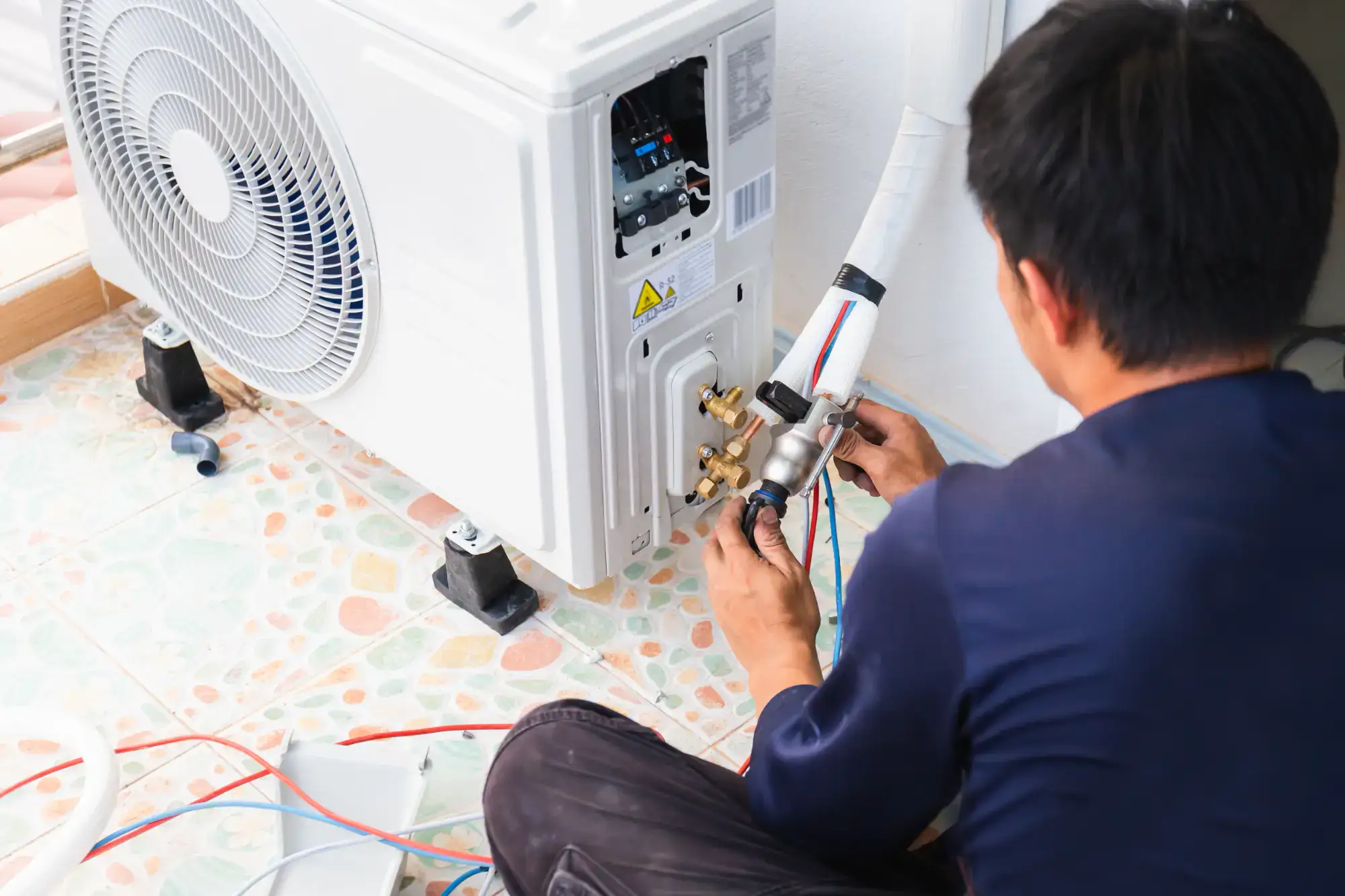
Most residential air conditioning installations in Atlantic Beach take between six and eight hours if we’re replacing an existing system with ductwork already in place. That’s for a straightforward central air installation where the electrical is adequate and we’re swapping out the indoor and outdoor units.
If your home needs ductwork modifications, electrical upgrades, or if we’re installing a system where there wasn’t one before, it takes longer—usually one to two full days. Older Atlantic Beach homes sometimes need creative ductwork solutions or panel upgrades to handle the electrical load of a new AC system.
We’ll give you a realistic timeframe during the initial assessment. We’re not going to tell you six hours if we know it’s going to take two days. Weather can also affect outdoor work, especially during summer storms common to coastal areas, but we’ll keep you updated if anything changes the schedule.
Yes, you need at least an electrical permit for AC installation in Atlantic Beach, and depending on the scope of work, you may also need a building permit. The electrical permit covers the power connections and ensures everything meets code. If we’re modifying ductwork or making structural changes, a building permit is required.
We handle all permit applications and coordinate the required inspections as part of our service. We’re familiar with Atlantic Beach’s specific requirements and work directly with local inspectors, so you don’t need to worry about the paperwork or scheduling inspections yourself.
Skipping permits might seem like it saves time or money, but it creates problems later—especially if you ever sell your home or file an insurance claim. Unpermitted work can hold up a sale or give your insurance company a reason to deny a claim. It’s not worth the risk, and handling it correctly from the start protects your investment.
The right size AC unit for your Atlantic Beach home depends on square footage, insulation quality, window placement, ceiling height, and how coastal humidity affects your cooling load. We calculate this using a load calculation—not by looking at what your old system was or guessing based on square footage alone.
Units that are too small won’t cool your home effectively, especially during peak summer heat. Oversized units cycle on and off too frequently, which wastes energy and fails to remove humidity properly. In a coastal climate like Atlantic Beach, humidity control is just as important as temperature control.
We measure your home, assess insulation and airflow, and factor in how many windows you have and which direction they face. If you’re in an older home with minimal insulation or single-pane windows, that affects sizing too. The goal is a system that runs efficiently, keeps you comfortable, and doesn’t work harder than it needs to because it’s the wrong size for your space.
Salt air can absolutely affect AC equipment in Atlantic Beach, especially if you’re close to the water. Salt particles settle on outdoor units and cause corrosion over time, which impacts efficiency and shortens the lifespan of your system if it’s not designed to handle coastal conditions.
We recommend coastal-rated equipment for homes near the beach. These systems include corrosion-resistant coatings—usually polymer or epoxy layers—and components made from stainless steel or all-aluminum materials that hold up better in salt air. It costs a bit more upfront, but it’s a better long-term investment if you’re in a high-exposure area.
Even with coastal-rated equipment, regular maintenance helps. Rinsing the outdoor unit periodically to remove salt buildup and scheduling annual maintenance keeps everything running efficiently. If you’re further inland, standard equipment usually holds up fine, but we’ll talk through your specific situation during the assessment and recommend what makes sense for your location.
Central air installation in Atlantic Beach uses ductwork to distribute cooled air throughout your home from a single indoor unit connected to an outdoor condenser. Ductless mini-splits use individual indoor units mounted in each room or zone, connected to an outdoor condenser without ductwork.
Central air makes sense if you already have ductwork in place or you’re cooling your entire home. It’s a single system controlled by one thermostat, and it’s usually more cost-effective for whole-home cooling. Ductless systems work well for homes without existing ductwork, additions where extending ducts isn’t practical, or if you want zone control to cool specific rooms independently.
In older Atlantic Beach homes, ductless can be a good option if adding ductwork means tearing into walls or ceilings. It’s also useful if you have rooms that get hotter than others and you want independent control. We install both systems and can walk you through which option makes more sense for your home’s layout, your cooling needs, and your budget during the consultation.
AC installation costs in Atlantic Beach vary based on system type, equipment brand, your home’s size, and whether you need ductwork or electrical upgrades. A straightforward central AC unit replacement typically runs between $5,000 and $10,000 for most residential homes. Ductless mini-split systems range from $3,000 to $6,000 per indoor unit installed.
If your home needs new ductwork, electrical panel upgrades, or significant modifications, costs go up from there. Coastal-rated equipment designed to handle salt air exposure also costs more than standard systems, but it lasts longer in Atlantic Beach’s environment.
We provide detailed written estimates that break down equipment costs and labor before any work starts. No hidden fees or surprise charges after we begin. The estimate includes permit costs, equipment, installation labor, and our warranty on the work. If we find something during the assessment that affects pricing—like an electrical issue or ductwork problem—we’ll tell you before you commit to anything.