
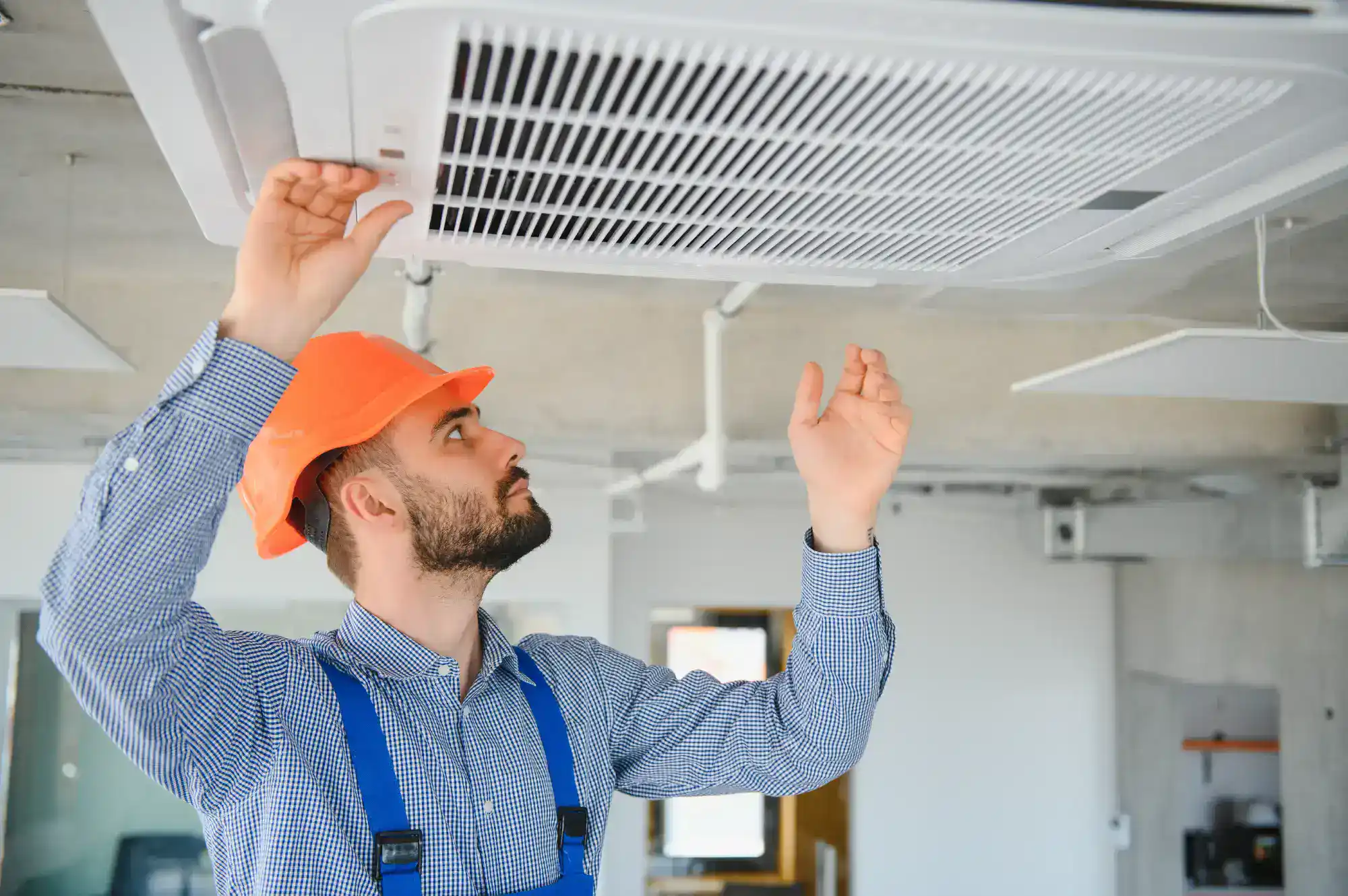
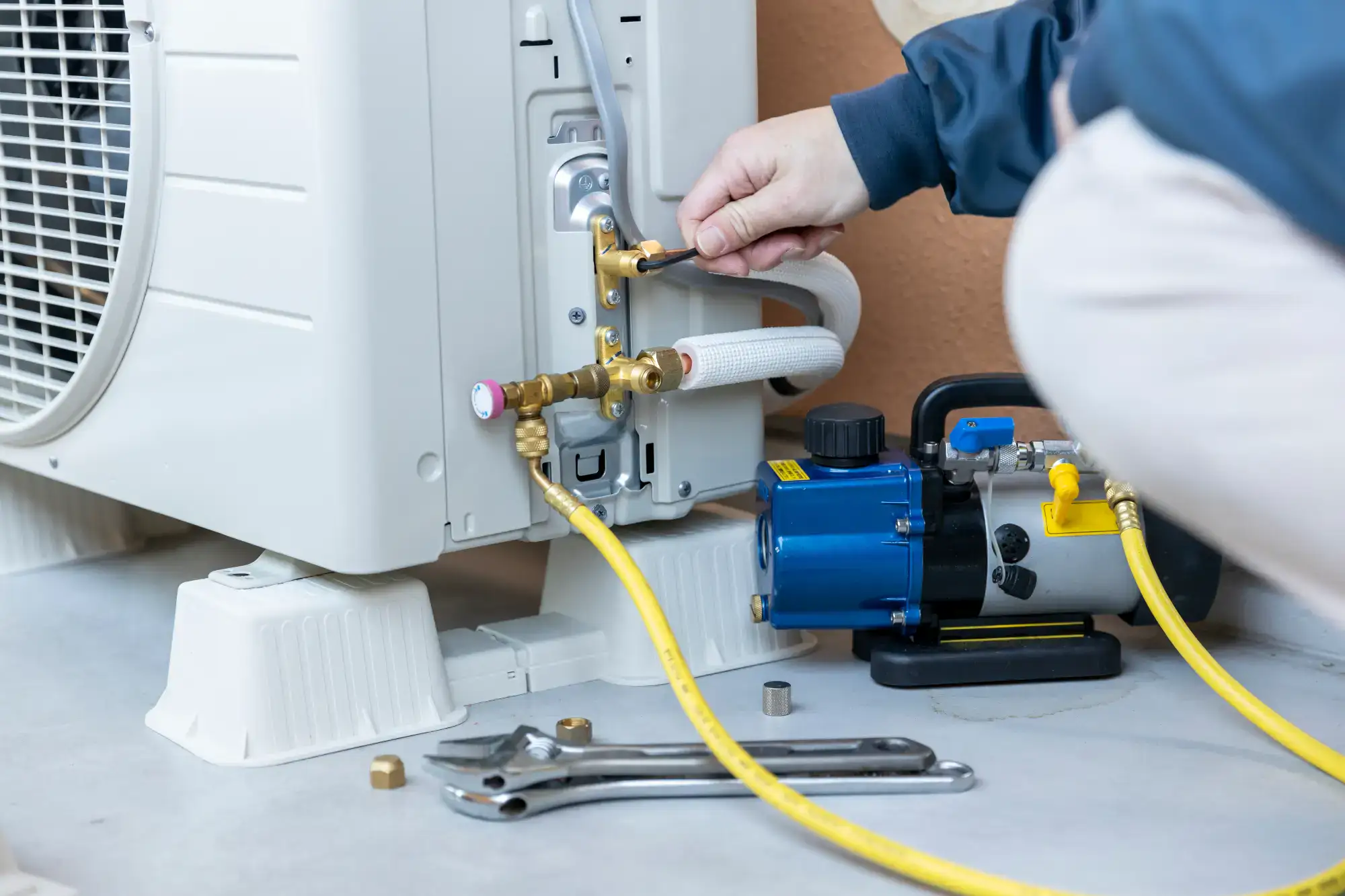
You’re not just replacing an old AC unit with a new one. You’re getting a system that’s actually sized for your home, installed correctly the first time, and efficient enough to cut your summer energy bills.
Most homes in Bellerose were built in the 1940s and 50s. That means your electrical panel might need an upgrade before we can install a modern central AC unit. We assess that upfront, coordinate with electricians if needed, and handle the permits so you’re not juggling multiple contractors.
The result is a system that keeps your home comfortable during those sticky July afternoons when temperatures hit the high 80s and the humidity makes it feel even worse. Modern high-efficiency units pull moisture out of the air better than older systems, which matters here on Long Island where humidity is as much of a problem as heat.
Excellent Air Conditioning and Heating Service is an owner-operated company serving Nassau County. Glen handles consultations personally and takes time to explain what your home actually needs, not what makes us the most money.
We’re rated 5.0 on Angi with a 4.7-star average across 39 reviews. Customers mention our technicians being polite, professional, and responsive when problems come up. We specialize in brands like Fujitsu and Mitsubishi for ductless systems, and we know how to work with the older housing stock common throughout Bellerose.
When you call us, you’re getting someone who understands that your 1952 Cape Cod has different needs than a new construction home. We’ve done enough HVAC system installation in Bellerose to know what works and what doesn’t.
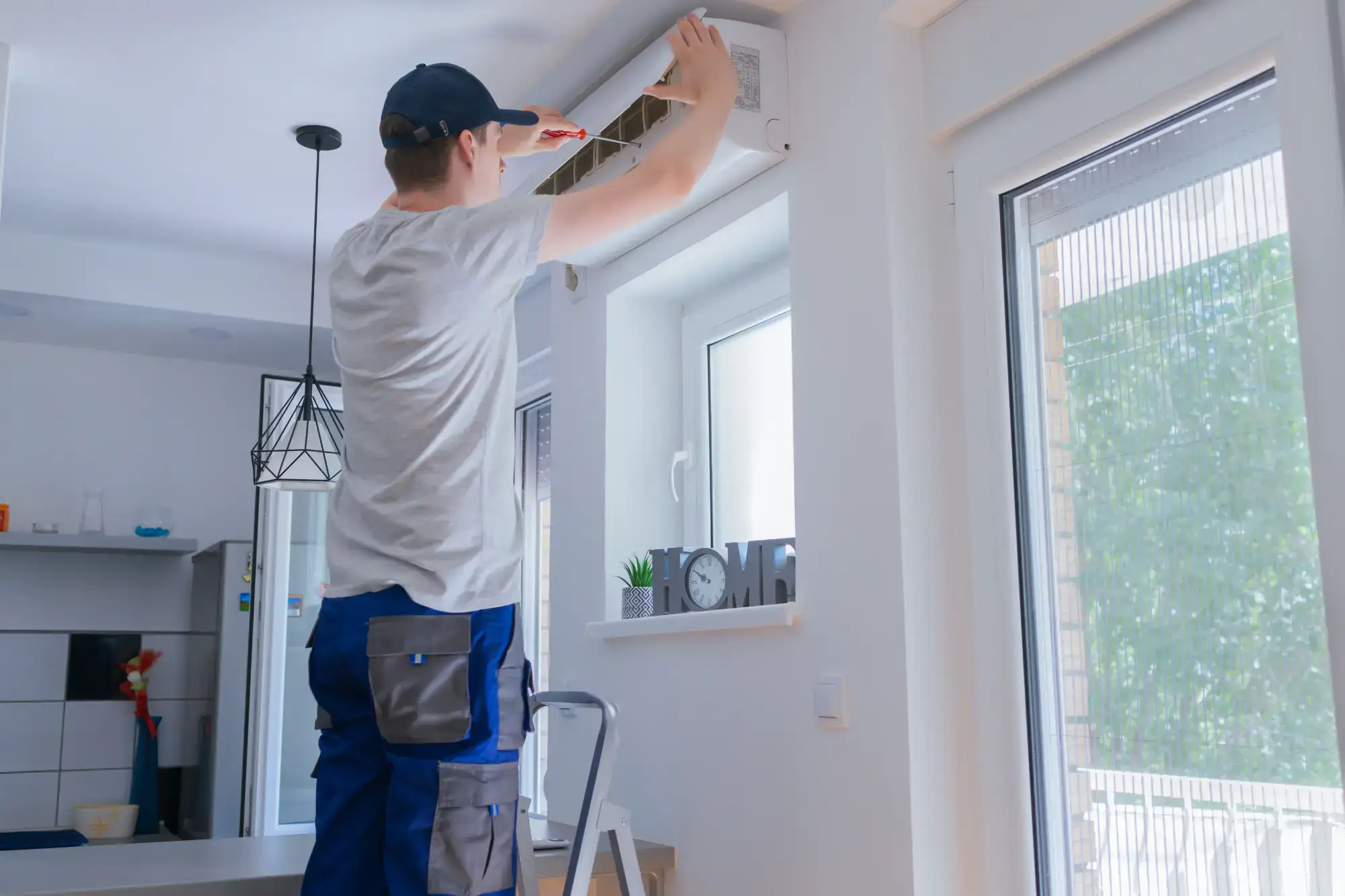
First, we come out to assess your home’s cooling needs and electrical capacity. We measure square footage, check insulation, look at your electrical panel, and figure out what size system you actually need. Oversized units cycle on and off too frequently and don’t remove humidity well. Undersized units run constantly and never quite cool the house.
Once we know what equipment fits your home, we pull the necessary permits through Nassau County and schedule the installation around your availability. Most residential central air installations take one to two days. Ductless mini-split systems usually finish in a single day.
We protect your floors and furniture during the work, install the equipment according to manufacturer specs, and make sure everything passes inspection. All debris gets hauled away when we’re done. You get manufacturer warranties on the equipment—typically five to ten years—plus our workmanship guarantee. We also advise you not to let other contractors touch the unit during the warranty period, because that can void coverage.

Ready to get started?
Every central AC unit installation in Bellerose includes a full assessment of your home’s electrical system. Many homes here need a dedicated 240-volt circuit for modern air conditioning equipment. If your panel can’t handle it, we coordinate with licensed electricians to get the upgrade done before we install your system.
We handle all permit applications and required inspections. Nassau County has specific code requirements for HVAC installations, and we know what inspectors look for. That means your installation passes the first time without delays or callbacks.
You also get proper system sizing based on your home’s actual cooling load. We account for Long Island’s humidity levels, your home’s age and insulation, and how many windows you have. The average AC replacement cost in New York runs around $7,249, but pricing varies based on system size, efficiency rating, and whether you need electrical work. We give you a clear quote upfront with no surprises.
Equipment prices have been climbing due to supply chain issues and increased demand for high-efficiency systems. Heat pumps now outsell gas furnaces by 25%, and the mini-split market has grown from $45.2 billion in 2020 to $68.9 billion in 2025. Installing now locks in current pricing before costs rise further.
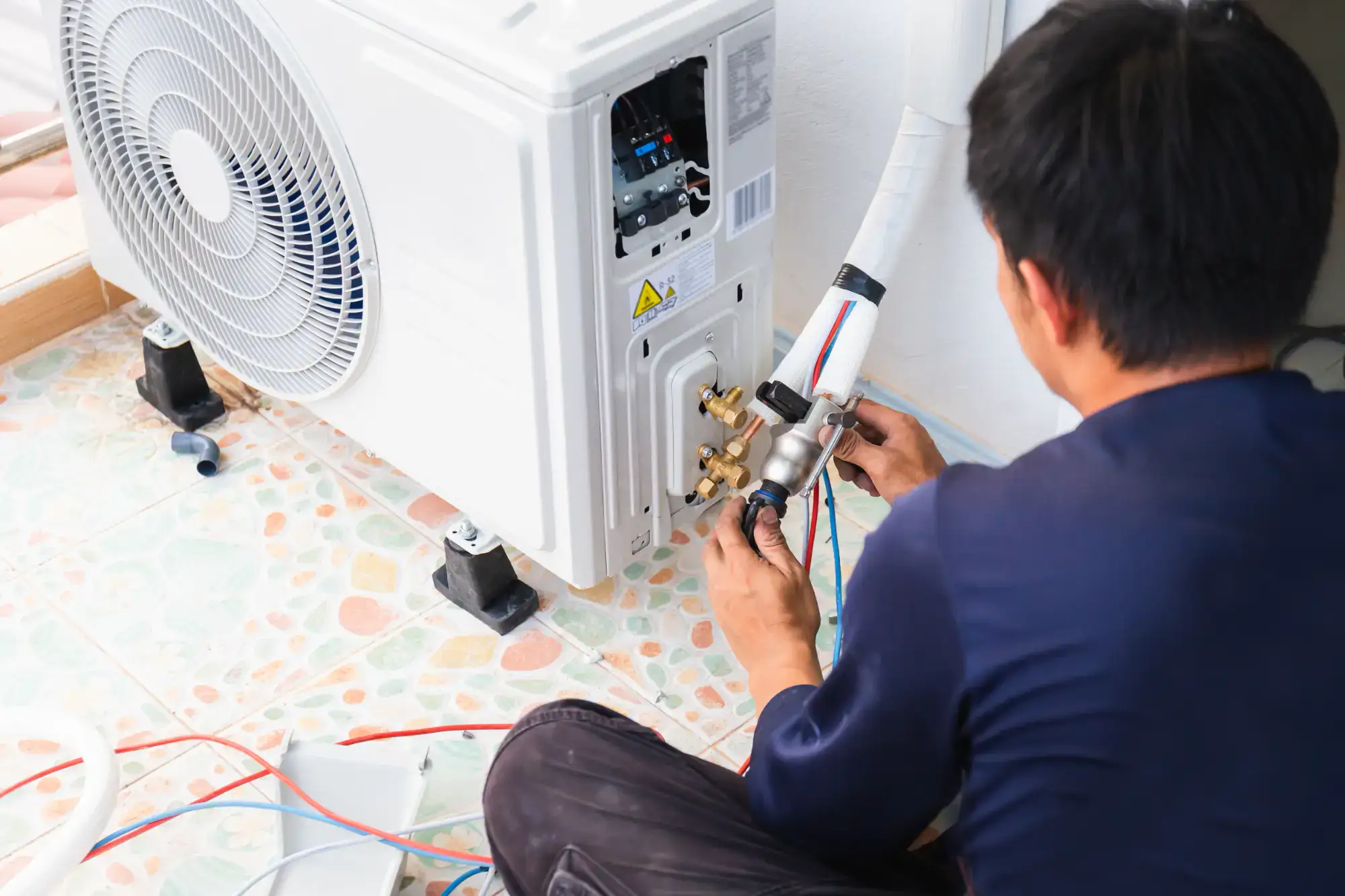
Most residential central air installations take one to two days from start to finish. Ductless mini-split systems usually wrap up in a single day since there’s no ductwork involved.
The timeline depends on whether your home needs electrical upgrades first. If your panel can’t support a modern AC system’s power requirements, we coordinate with an electrician to handle that before we start the installation. That adds time but prevents problems down the road.
We schedule around your availability and show up when we say we will. All materials come with us on day one, so we’re not making multiple trips or leaving your home torn apart overnight. Once the system is in, we test everything, make sure it passes inspection, and clean up before we leave.
Many do. With a median construction year of 1952 and nearly half of homes built before 1949, most of Bellerose’s housing stock wasn’t designed for modern central air conditioning. Older electrical panels often can’t handle the dedicated 240-volt circuit that today’s AC units require.
We check your electrical capacity during the initial assessment. If your panel needs an upgrade, we coordinate with licensed electricians to get that done before we install your system. It’s an extra step, but it’s necessary for safety and to meet code requirements.
Skipping this step causes problems. Undersized electrical service leads to tripped breakers, reduced system performance, and potential fire hazards. We manage the whole process so you’re not dealing with multiple contractors on your own.
It depends on your home’s square footage, insulation, window count, and how many people live there. We calculate cooling load during the initial visit using precise measurements, not guesswork.
Oversized systems are a common problem. Contractors sometimes install bigger units thinking more power equals better cooling, but oversized AC systems cycle on and off too frequently. That wastes energy, drives up your bills, and doesn’t remove humidity effectively. In Bellerose’s humid summers, moisture removal matters as much as temperature control.
Undersized systems run constantly without ever quite reaching the temperature you set. They wear out faster and cost more to operate. Proper sizing means the system runs efficiently, maintains consistent temperatures, and handles Long Island’s humidity levels without overworking itself.
The typical AC replacement cost in New York averages $7,249, but your actual price depends on system size, efficiency rating, and whether you need electrical upgrades. Central air installation costs generally range from $3,300 to $7,800 for residential projects.
Higher-efficiency systems cost more upfront but save money on monthly energy bills. With Bellerose’s median household income at $229,107 and median property values around $862,600, most homeowners here choose mid to high-efficiency equipment that protects their investment and reduces operating costs.
If your home needs electrical panel upgrades, that adds to the total cost. We give you a detailed quote after assessing your home so you know exactly what you’re paying for. Equipment prices have been rising due to supply chain issues and increased demand, so installing now costs less than waiting until next year.
Nassau County requires permits for HVAC system installation in Bellerose, and installations must pass inspection before they’re considered complete. The permit process ensures your system meets local building codes and safety standards.
We handle all permit applications and schedule the required inspections. You don’t need to visit the county office or deal with paperwork. We know what Nassau County inspectors look for, so installations pass the first time without delays or callbacks.
Skipping permits creates problems if you ever sell your home. Unpermitted work shows up during home inspections and can kill deals or force you to bring the installation up to code at your expense. We do it right from the start so you don’t have issues later.
If your current system is more than ten years old, struggling to keep up during summer, or driving up your energy bills, replacing it now makes more sense than waiting. Equipment prices continue rising due to global supply issues and increased demand for high-efficiency systems.
Older AC units also use refrigerants that are being phased out, making repairs more expensive as parts become scarce. Modern systems use newer refrigerants, run more efficiently, and include better humidity control—important for Long Island’s sticky summers.
Installing before peak season also means better availability. We’re not as backed up in spring and fall, so you get faster scheduling and aren’t stuck waiting weeks for an opening. And if your system fails during a July heat wave when temperatures hit the high 80s, you’re looking at emergency service calls and limited equipment options.