
You stop sweating through July nights when the temperature outside refuses to drop below 75. Your bedroom actually cools down. The kids sleep through the night instead of complaining about being hot.
Your energy bills drop because the new system isn’t working three times harder to do half the job. Modern units with higher SEER2 ratings use significantly less power than whatever’s been struggling in your home for the past decade. If your current system is over 10 years old, you’re likely spending 40% more on cooling than you need to.
The constant worry goes away. No more listening for strange sounds. No more calling for emergency repairs during heat waves when every HVAC company in Nassau County is booked solid. You get years of reliable cooling from equipment that’s properly sized and correctly installed the first time.
We’re based right here on Long Island, and we’ve been installing air conditioning systems in Bellmore homes for years. We know these neighborhoods because we live and work here. We understand what it takes to keep a 2,500-square-foot home comfortable when humidity hits 80% and the temperature pushes 90.
Most homes in Bellmore were built during the mid-century suburban expansion on those standard 60×100 lots. We’ve worked in hundreds of them. We know the ductwork challenges, the electrical considerations, and how to size systems correctly for the way these houses are laid out.
You’ll work with licensed technicians who show up on time, explain what’s happening, and give you honest answers about what your home actually needs. No upselling. No pressure. Just straightforward information so you can make the right call.
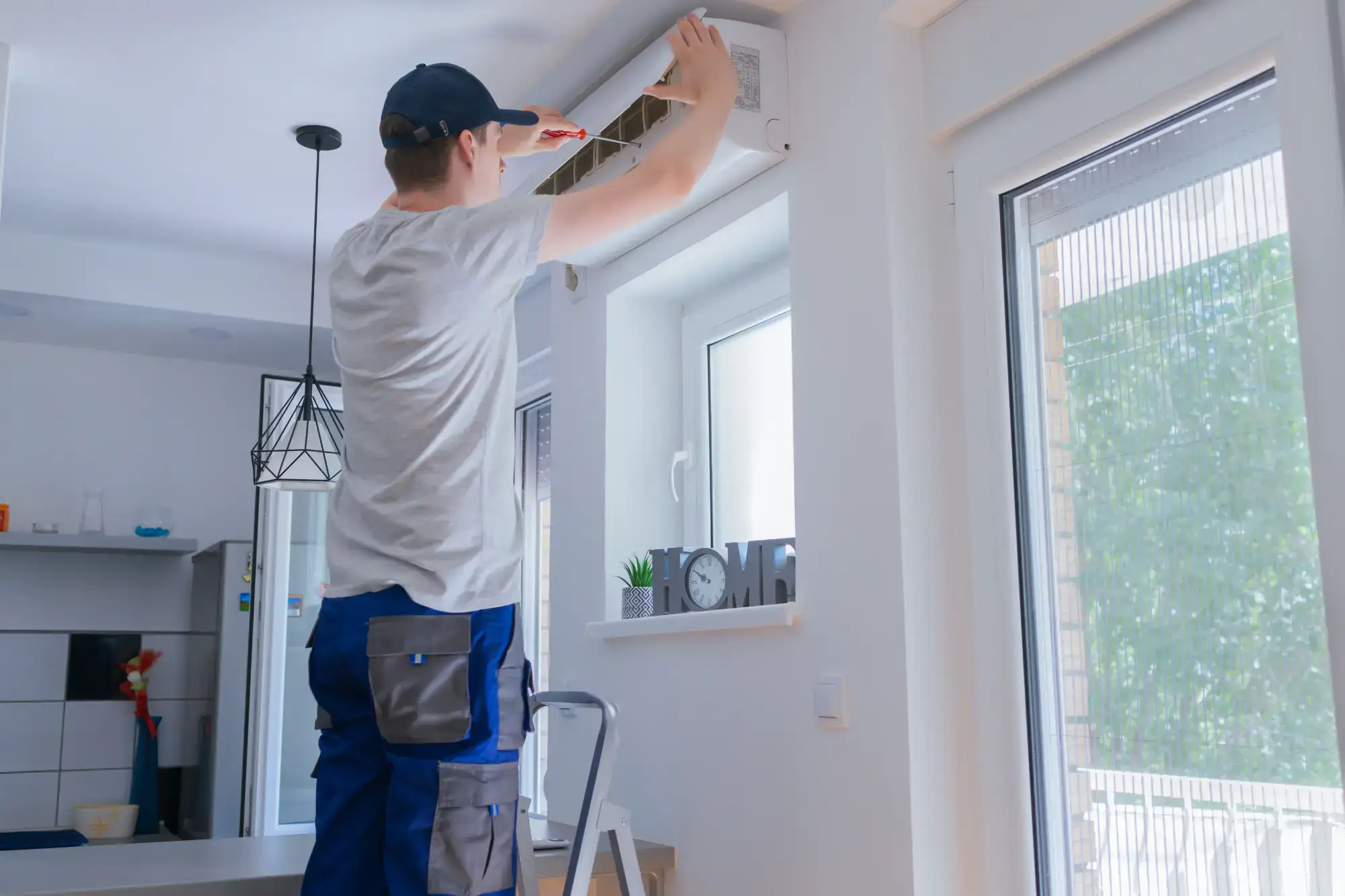
First, we come out and look at your home. Not a five-minute glance—an actual assessment. We measure your space, check your existing ductwork, look at your electrical panel, and figure out what size system will actually cool your home efficiently. Undersized units run constantly and never quite get the job done. Oversized units cycle on and off too frequently and don’t remove humidity properly.
Once we know what you need, you get a clear quote. No hidden fees, no surprises later. We’ll walk you through equipment options—different efficiency levels, brands we trust like Trane and Carrier, and what makes sense for your budget and your home.
Installation typically takes one to two days depending on whether we’re replacing an existing system or installing central air for the first time. We remove your old equipment, install the new indoor and outdoor units, connect everything properly, test the system thoroughly, and make sure it’s running at peak efficiency before we leave. You’ll get a complete walkthrough of your new system and how to maintain it.

Ready to get started?
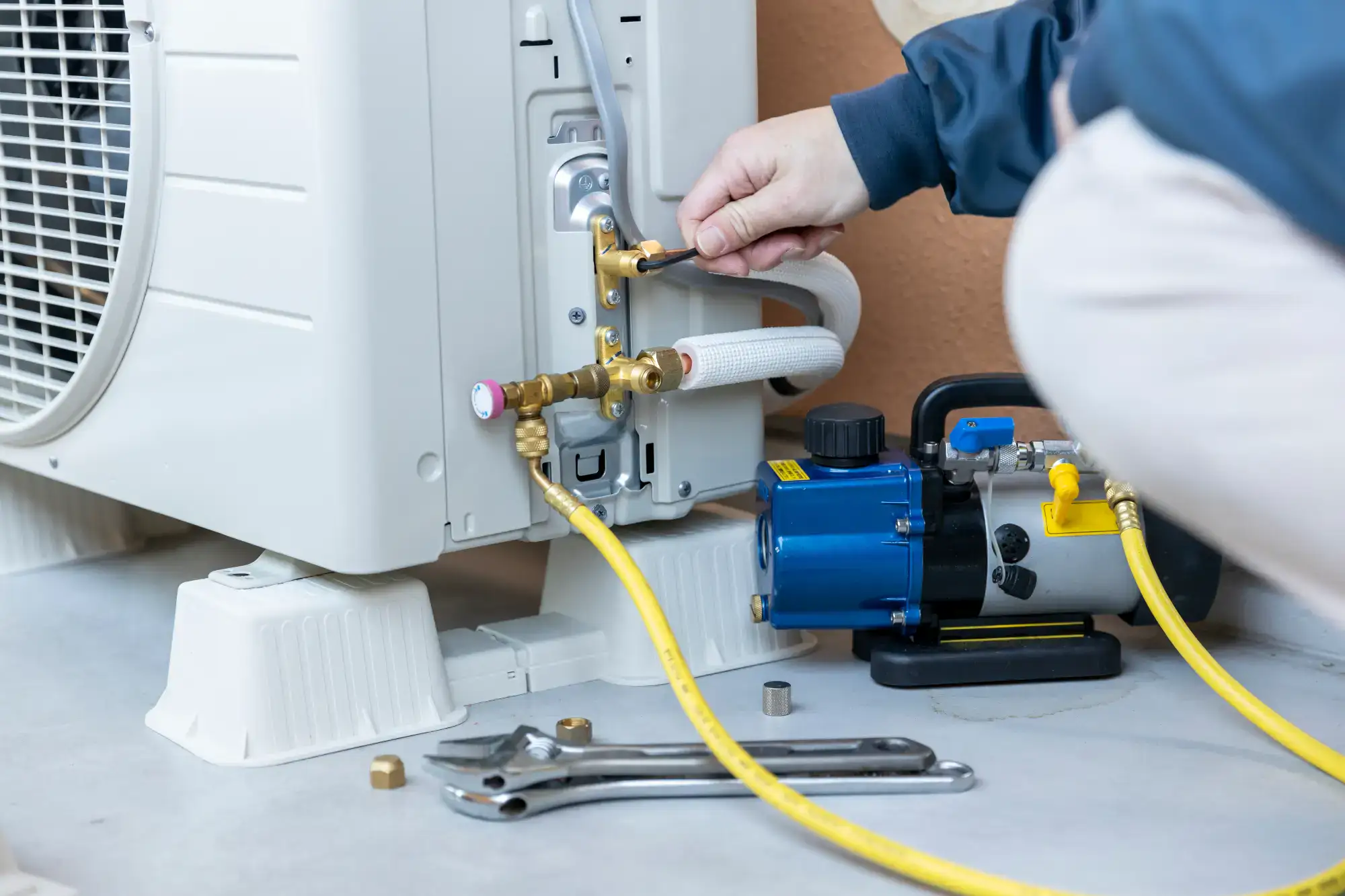
You get a complete air conditioning installation in Bellmore, NY that’s sized correctly for your home’s square footage and layout. We handle the removal and disposal of your old system, install the new indoor air handler and outdoor condenser unit, and make sure all refrigerant lines and electrical connections meet code.
We test everything with digital combustion analysis to verify your system is operating at the efficiency it’s supposed to. You’ll see the actual numbers—not just someone saying “looks good.” This matters in Bellmore where energy costs are higher than most of the country and every percentage point of efficiency shows up on your bill.
Your installation includes a thorough system check for proper airflow, correct refrigerant charge, and accurate thermostat operation. We also check for carbon monoxide and other safety concerns because your family’s safety isn’t negotiable. If we spot any issues with your ductwork or electrical setup that could affect performance, we’ll tell you about it upfront.
Long Island’s humid subtropical climate puts specific demands on cooling systems. We account for that when we install your equipment. The goal is a system that handles both the heat and the humidity that makes summers here feel so oppressive.
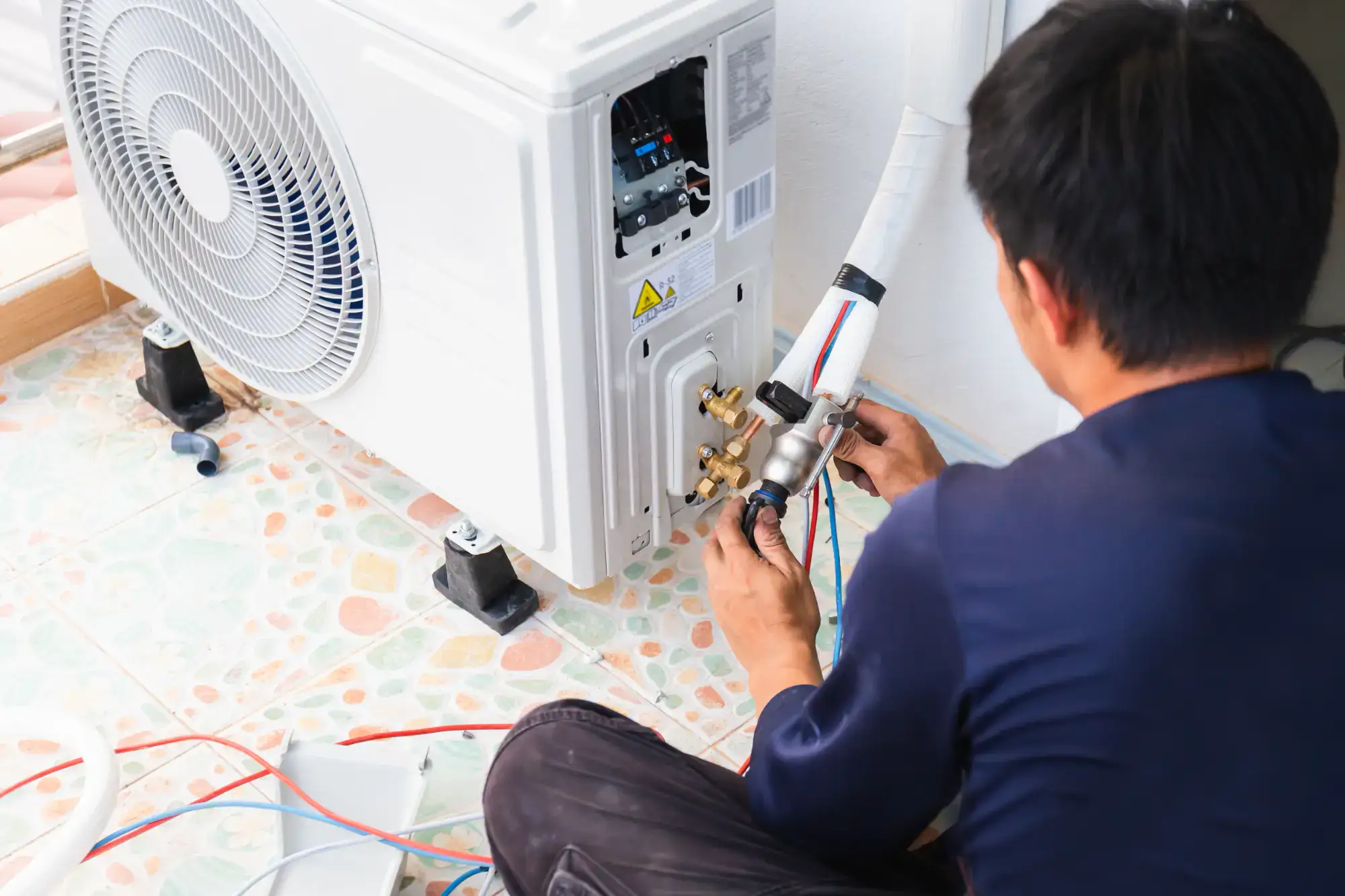
Most homeowners in Bellmore pay between $5,000 and $12,000 for a complete central air installation, though your actual cost depends on your home’s size, the equipment you choose, and whether your existing ductwork needs modifications. New York installation costs run about 32% higher than the national average due to higher labor rates and cost of living on Long Island.
A basic system for a smaller home might land on the lower end of that range. Larger homes—especially those 2,500 to 3,000 square feet that are common in Bellmore—typically need more powerful equipment and fall toward the middle or upper end. High-efficiency systems with SEER2 ratings of 16 or higher cost more upfront but can cut your cooling costs significantly over the system’s lifespan.
The only way to get an accurate number is to have someone look at your specific home. Square footage matters, but so does your home’s insulation, window situation, ductwork condition, and a dozen other factors that affect what size system you actually need.
A straightforward AC unit replacement in Bellmore typically takes one full day if your ductwork is in good shape and we’re swapping out an existing system. More complex installations—like adding central air to a home that’s never had it—usually take two days, sometimes three if we’re running new ductwork or upgrading electrical service.
The timeline depends on what we’re working with. If your home has accessible ductwork, a clear path for refrigerant lines, and adequate electrical capacity, things move faster. Older Bellmore homes sometimes need electrical panel upgrades or ductwork modifications, which adds time but ensures your new system operates safely and efficiently.
We don’t rush installations. Proper refrigerant charging, correct airflow balancing, and thorough testing take time. Cutting corners during installation leads to efficiency problems, premature breakdowns, and comfort issues that cost you more money down the road. You’re better off with an extra day of installation than years of problems from a rushed job.
Most 1,500-square-foot homes in Bellmore need a 2.5 to 3-ton system, while 2,500 to 3,000-square-foot homes typically require 3.5 to 4 tons. But square footage alone doesn’t tell the whole story. Your home’s insulation, ceiling height, window count and orientation, and how many people live there all affect the calculation.
An HVAC contractor who knows what they’re doing will perform a Manual J load calculation—the industry-standard method for sizing equipment correctly. This accounts for your home’s specific characteristics and Bellmore’s climate conditions, including those humid summer months when heat index values climb well above actual temperatures.
Installing a system that’s too small means it runs constantly and never quite keeps up during heat waves. Too large and it cycles on and off rapidly, failing to remove humidity properly and wearing out components faster. Either mistake costs you comfort and money. Proper sizing from the start prevents both problems and ensures your system performs the way it should for its entire lifespan.
If your system is over 12 years old and repair costs are approaching $1,500 to $2,000, replacement usually makes more financial sense. Air conditioners typically last 15 to 20 years with proper maintenance, but efficiency drops significantly in the final years. You’re paying more to cool your home while reliability decreases.
Here’s a practical way to think about it: multiply the repair cost by your system’s age. If that number exceeds $5,000, replacement is probably the smarter move. A 14-year-old system needing a $1,200 compressor repair gives you a calculation of $16,800—well above the replacement threshold. You’re putting significant money into equipment that’s near the end of its useful life anyway.
Newer systems also offer substantially better efficiency. If your current unit has a SEER rating of 10 or 11, upgrading to a modern system with a SEER2 rating of 16 or higher could cut your cooling costs by 30% to 40%. Over a Long Island summer where you’re running AC from June through September, those savings add up quickly. Factor in fewer repair calls and better reliability, and replacement often pays for itself within several years.
Yes, AC installation in Bellmore requires permits from the Town of Hempstead. Any work involving electrical connections, refrigerant lines, or structural modifications needs proper permitting and inspection. This protects you by ensuring the installation meets local building codes and safety standards.
A licensed contractor handles the permit process as part of the installation. We pull the necessary permits, schedule required inspections, and make sure everything passes. You shouldn’t have to deal with the paperwork or worry about whether the work meets code requirements. That’s part of what you’re paying for when you hire a professional.
Skipping permits might seem like a way to save money, but it creates serious problems down the road. Unpermitted work can affect your home insurance coverage, create issues when you sell your home, and leave you liable if something goes wrong. Insurance companies sometimes deny claims related to unpermitted HVAC work. It’s not worth the risk when proper permitting is straightforward and protects your investment.
We install Trane, Carrier, and Rheem systems—brands with proven track records for reliability and performance in Long Island’s climate. These manufacturers back their equipment with solid warranties and have extensive parts availability, which matters when you eventually need service or repairs years down the road.
Different brands offer different efficiency levels and features at various price points. Trane systems are known for durability and consistent performance. Carrier offers excellent humidity control, which is valuable during Bellmore’s muggy summers. Rheem provides reliable equipment at competitive prices. We’re authorized contractors for these brands, which means we’re trained on proper installation procedures and have direct access to technical support.
The brand matters less than proper installation and sizing. A correctly installed mid-tier system will outperform a premium system that’s improperly sized or poorly installed every single time. We focus on matching the right equipment to your home’s needs and your budget, then installing it correctly so it performs the way the manufacturer intended. That combination gives you the reliability and efficiency you’re paying for.