

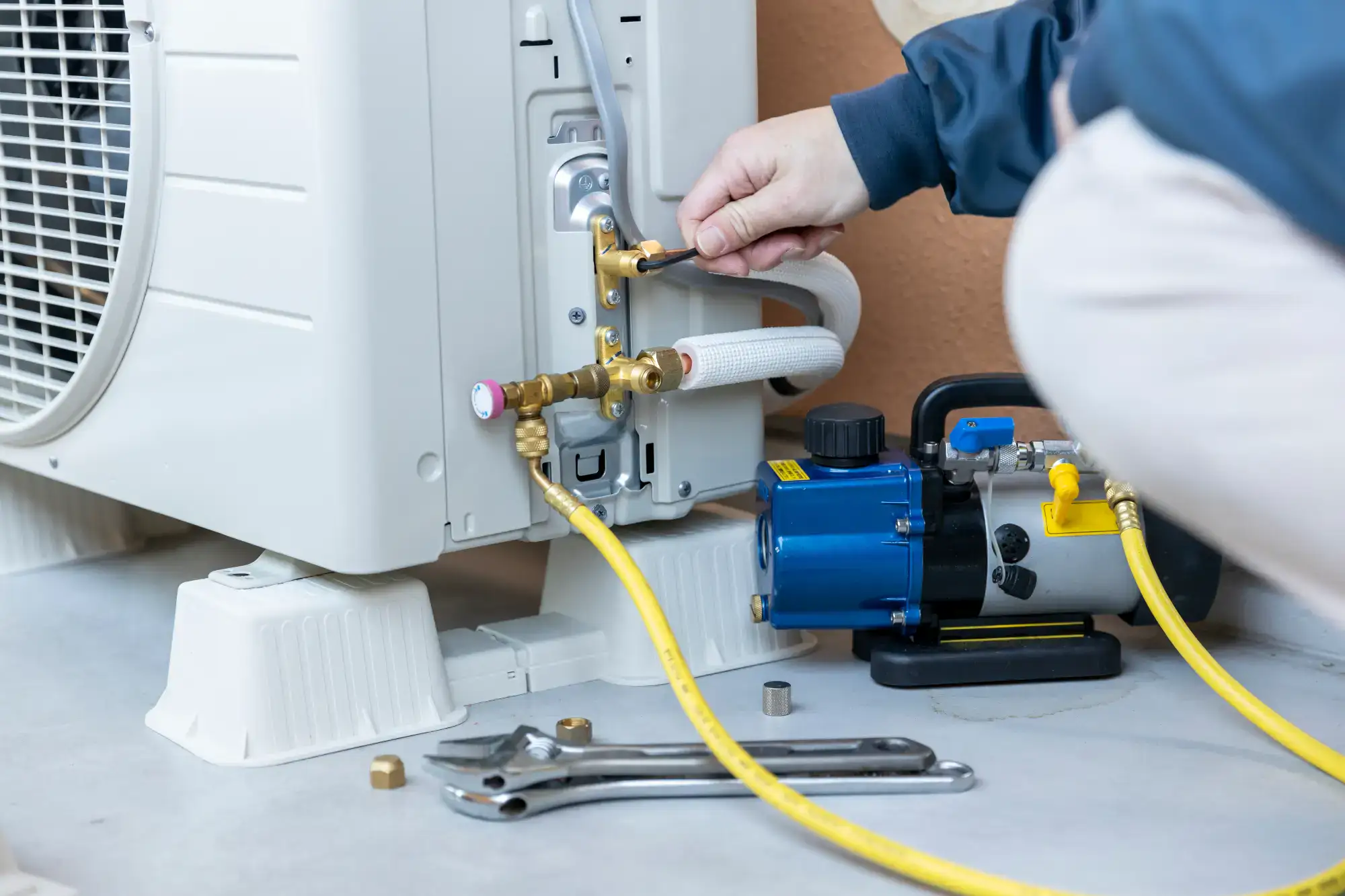
You’re done fighting with window units that can’t keep up. Done with one room freezing while another feels like a sauna. Done wondering if your energy bill is high because your system is working too hard or just installed wrong.
A properly sized and installed central AC system in Carle Place, NY changes how your home feels from June through September. Rooms cool evenly. Your thermostat actually does what you set it to do. And when we say a system will lower your energy bills by around 30%, that’s not marketing talk—that’s what happens when equipment matches your home’s actual cooling load and gets installed by someone who knows what they’re doing.
Nassau County’s coastal climate isn’t easy on HVAC systems. Salt air, humidity spikes after storms, and temperature swings put stress on equipment that wasn’t designed for it. That’s why the air conditioning installation process here matters more than in other places. You need a licensed AC contractor in Carle Place, NY who understands what works in this specific environment and what fails six months in.
Excellent Air Conditioning and Heating Service has been serving Nassau County and Queens for years, and we’ve seen what happens when systems get installed by contractors who don’t understand Long Island’s climate. We’ve replaced plenty of units that should’ve lasted 15 years but failed in five because they were sized wrong or installed without accounting for coastal conditions.
We’re not the biggest HVAC company on Long Island, and we’re fine with that. What we are is local, licensed, and focused on doing the job right instead of doing it fast. We use equipment from Trane and Carrier because quality matters when you’re investing thousands of dollars. And we give you a complete digital combustion analysis with a printout showing exactly how your system is performing—not because it’s required, but because you deserve to know what you’re paying for.
When your AC goes down in the middle of a heat wave, we show up. That’s not a tagline. That’s how we operate in Carle Place, NY and the surrounding areas.
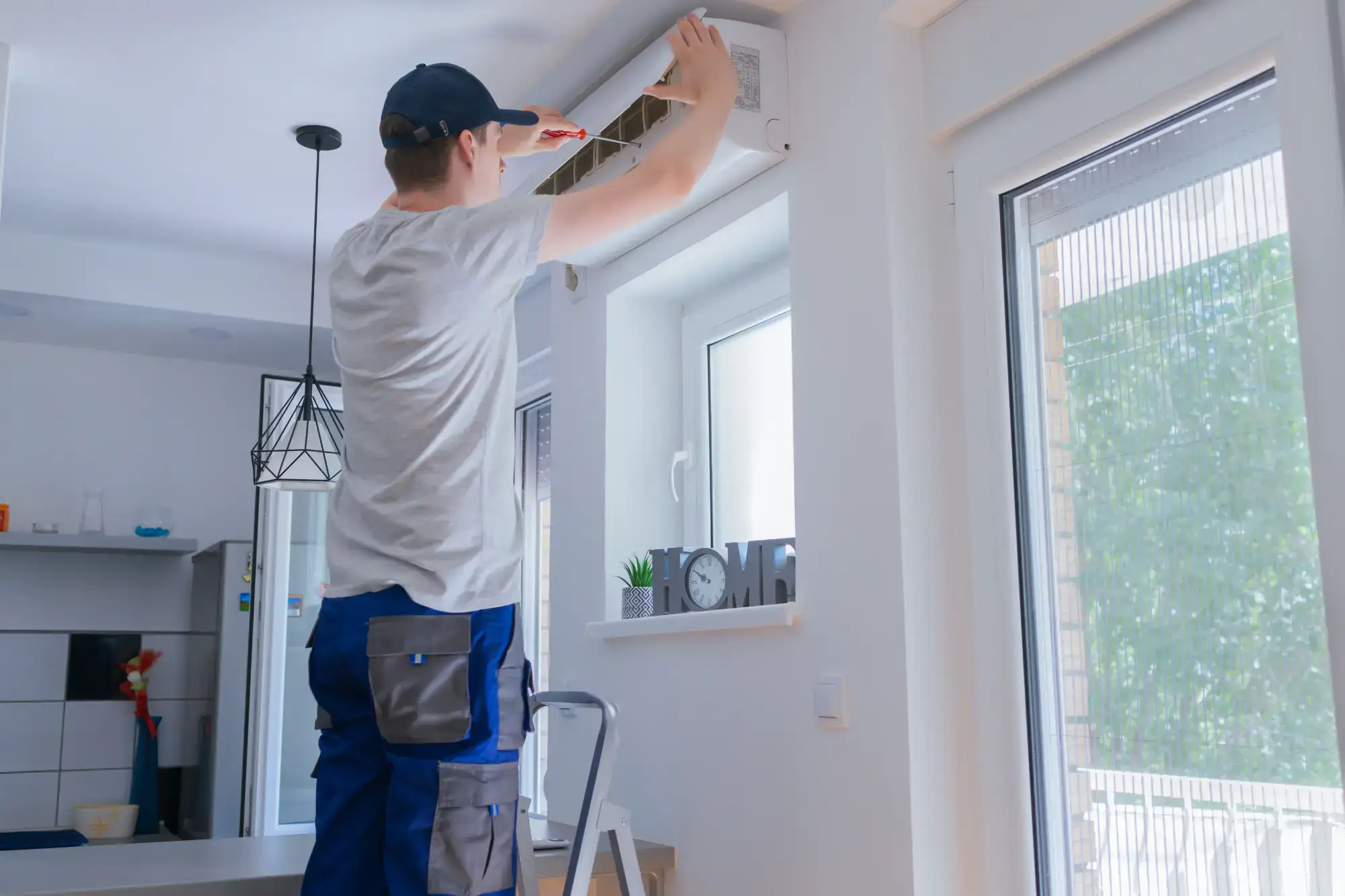
First, we figure out what size system your home needs. Not what you think you need or what the last guy said—what the actual cooling load calculation says. We measure your home, account for insulation, windows, sun exposure, and how many people live there. This step determines whether your system works efficiently or fights itself for the next decade.
Once we know the right size, we walk you through equipment options. We’ll tell you what a higher SEER rating actually saves you in Carle Place, NY (we recommend 15 or higher for this climate), and we’ll explain the difference between a standard system and a ductless mini-split if your home doesn’t have existing ductwork. You’ll get honest pricing with no hidden fees, and we’ll tell you if financing makes sense for your situation.
Installation day is when everything comes together. We remove your old system if you’re doing an AC unit replacement, install the new equipment, connect it properly to your ductwork or set up new lines if needed, and test everything before we leave. You’ll see the digital combustion analysis results, and we’ll show you how to use your new system. If something doesn’t work right, we come back—no runaround, no excuses.

Ready to get started?
When you schedule a home AC installation in Carle Place, NY with us, you’re getting more than just equipment hookup. You’re getting a complete system analysis that most contractors skip because it takes time. We perform load calculations to size your system correctly. We inspect your existing ductwork to make sure it can handle the new unit. And we test everything after installation to confirm it’s running at the efficiency level you paid for.
Nassau County homes face specific challenges. The average AC installation cost in Carle Place, NY runs between $6,794 and $9,319, but that number moves depending on your home’s size, the system you choose, and whether your ductwork needs updates. We’ve seen installations as low as $3,005 for smaller spaces and as high as $15,029 for larger homes with complex layouts. We’ll tell you where yours falls before we start.
Here’s what matters: a new HVAC system can increase your home’s value by $2,500 to $3,000, and in some cases up to 7% depending on the overall energy efficiency upgrades you make. But only if it’s installed right. Poor installation kills efficiency, shortens equipment life, and costs you more in repairs down the road. That’s why we focus on doing it correctly the first time instead of doing it quickly.
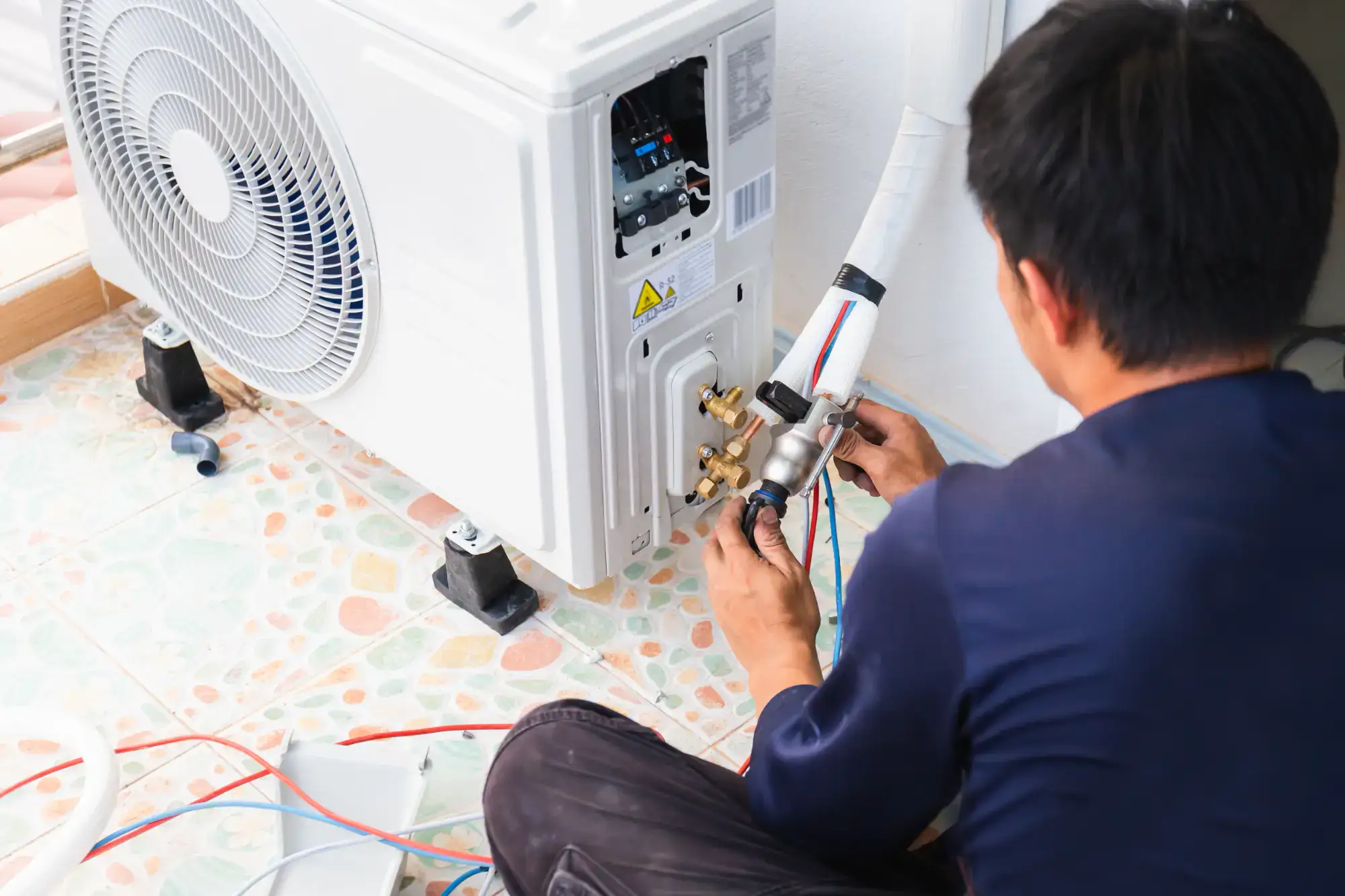
Most central air installations take one to three days depending on your home’s setup. If you already have ductwork and we’re replacing an old system with a new one, we can usually finish in a day. If we’re installing ductwork for the first time or your home needs modifications to accommodate the new equipment, plan on two to three days.
We don’t rush installations to hit a timeline. Coastal climate conditions in Nassau County mean we need to take extra care with outdoor unit placement, refrigerant line protection, and making sure your system is sealed properly against humidity and salt air. Cutting corners to save a few hours costs you years of system life.
You’ll have cooling the same day we finish. We test everything before we leave, and we’ll walk you through how to use your new system so you’re not guessing at settings or wondering if something’s wrong when it’s actually working exactly as designed.
It depends on your home’s square footage, insulation, window placement, and how many people live there. A 1,500 square foot home might need a 2.5-ton unit, while a 2,500 square foot home could need 4 tons. But those are rough estimates—the only way to know for sure is to run a proper load calculation.
Oversized systems are just as bad as undersized ones. If your AC is too big, it cools your home too quickly without removing enough humidity. You end up with a cold, clammy house and higher energy bills because the system keeps cycling on and off. If it’s too small, it runs constantly and never quite gets your home comfortable, especially during Long Island’s humid summer days.
We measure everything during the estimate. You’ll know exactly what size system your home needs and why. No guessing, no “this is what we usually install in homes like yours.” Just accurate numbers based on your specific situation.
If your system is over 10 years old and repair costs are adding up, replacement usually makes more sense. AC systems lose efficiency as they age, and older units use refrigerants that are being phased out—which means repairs get more expensive every year.
Here’s a simple way to think about it: if the repair costs more than half of what a new system would cost, and your unit is past the 10-year mark, you’re better off replacing it. You’ll get better efficiency (modern systems use about 30% less energy), more reliable cooling, and you won’t be stuck with another expensive repair six months from now.
We’ll give you honest advice either way. If your system has a few good years left and the repair is minor, we’ll tell you. If you’re throwing money at a system that’s going to keep failing, we’ll tell you that too. The goal is to help you make the right financial decision for your situation, not to sell you something you don’t need yet.
Yes. We know that spending $7,000 to $9,000 on a new HVAC system isn’t something most people have sitting in their checking account. Financing lets you get the cooling you need now and spread the cost over time instead of suffering through another summer with a system that barely works.
We work with financing partners who specialize in home improvement projects. You’ll get clear terms, and we’ll walk you through the options before you commit to anything. Some homeowners prefer to finance the full amount, others use it to cover part of the cost—it’s flexible based on what works for your budget.
The application process is straightforward, and approval usually happens quickly. We’re not loan officers, but we can point you in the right direction and answer basic questions about how financing works for HVAC installations. The main thing is that you have options beyond paying everything upfront.
A standard central air system uses ductwork to move cool air throughout your home. One outdoor unit connects to an indoor air handler, and ducts distribute the air to each room. A ductless mini-split skips the ducts entirely—you get individual air handlers mounted in each room or zone, all connected to an outdoor unit.
Ductless systems work well in older Carle Place, NY homes that were built before central air became standard. If you don’t have existing ductwork, installing it can be expensive and invasive. A mini-split gives you the same cooling without tearing into walls and ceilings. You also get zone control, which means you can cool bedrooms without wasting energy on rooms you’re not using.
The downside is that ductless systems cost more upfront per zone, and some people don’t like the look of wall-mounted units. But if your home doesn’t have ducts and you want efficient cooling without a major renovation, a ductless mini-split is worth considering. We’ll show you both options and let you decide what makes sense for your home and budget.
Ask for their license number and verify it with New York State. Licensed contractors have met specific training and insurance requirements, and they’re accountable if something goes wrong. If someone hesitates to show you their license or says they’re “working on it,” walk away.
Beyond licensing, look for contractors who do complete system analysis instead of just eyeballing your home and giving you a price. Any contractor worth hiring will perform load calculations, inspect your ductwork, and explain what size system you need and why. If they skip those steps, they’re guessing—and you’re the one who pays for it when the system doesn’t work right.
Check how long they’ve been serving Nassau County. Local experience matters because HVAC work here is different than in other climates. Coastal conditions, humidity, salt air—these things affect how systems perform and how long they last. A contractor who understands Long Island’s specific challenges will install your system differently than someone who just follows the manual.