

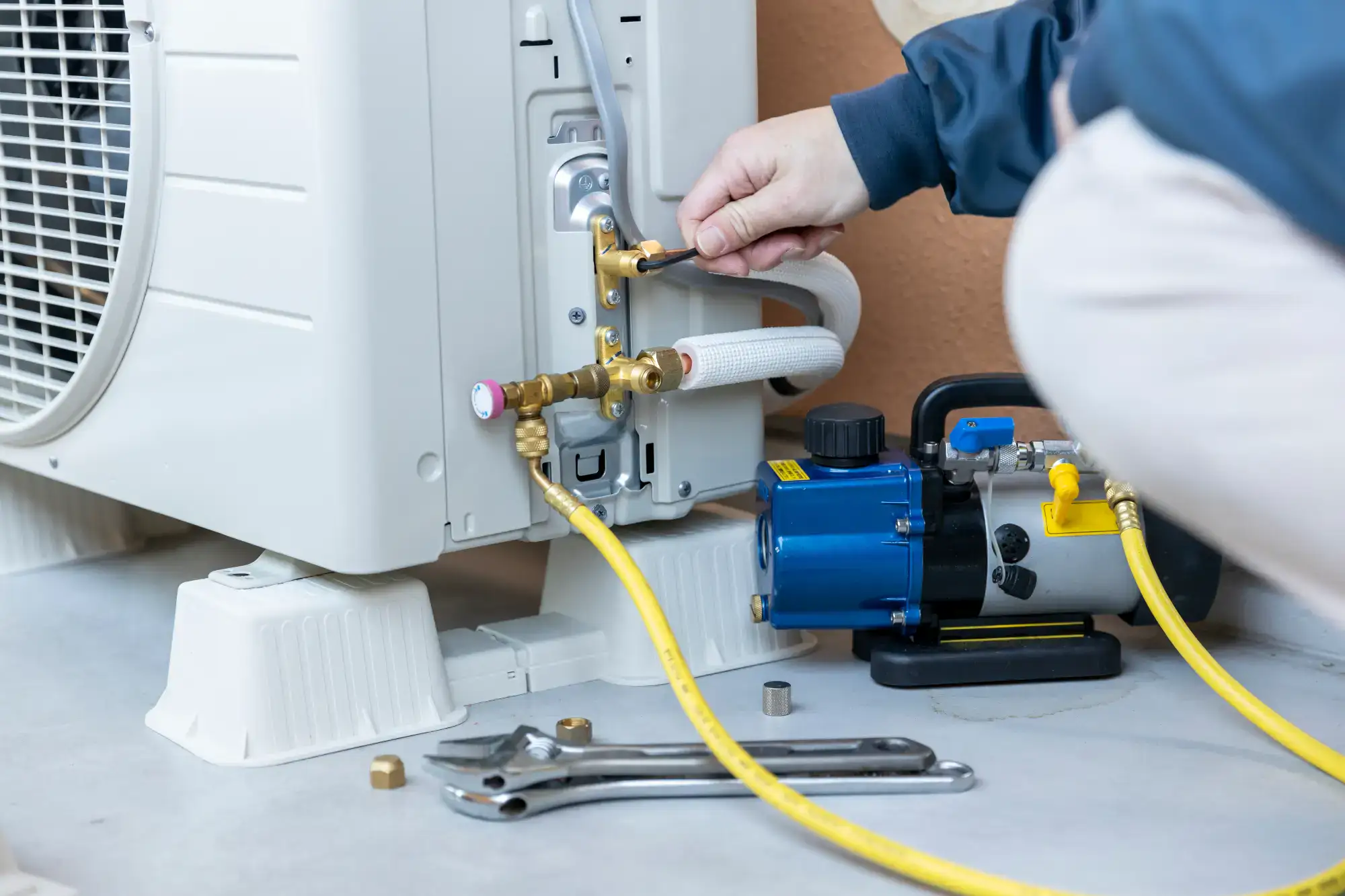
When your AC installation in College Point is done right, you don’t get hot spots in the back bedroom or a system that cycles on and off every ten minutes. You get consistent cooling that doesn’t spike your electric bill or wake you up at night.
Most residential systems in Queens fail because they’re either the wrong size for the space or installed without proper attention to ductwork and airflow. That means higher energy costs, more repairs, and a unit that dies years before it should. A typical New York City residential customer already pays around $141 monthly from June to September—you shouldn’t be paying more because someone rushed the install.
We size your system based on your actual square footage, insulation, and layout. We handle the permits through the NYC Department of Buildings. And we make sure your new unit doesn’t just cool your home—it does it efficiently, quietly, and for the long haul.
Excellent Air Conditioning and Heating Service has been handling HVAC system installation in College Point and across Queens for years. We’re local, licensed, and insured—and we’ve spent enough time fixing other contractors’ mistakes to know exactly what not to do.
College Point has its own quirks. Older homes without ductwork. Co-op boards with specific requirements. Tight spaces that make central AC unit installation tricky. We’ve worked in enough buildings here to know what to expect before we even show up.
You’re not hiring someone who’s going to disappear after the install. You’re hiring a team that understands the local codes, the summer humidity, and what it takes to keep a system running in a neighborhood where HVAC units work overtime.
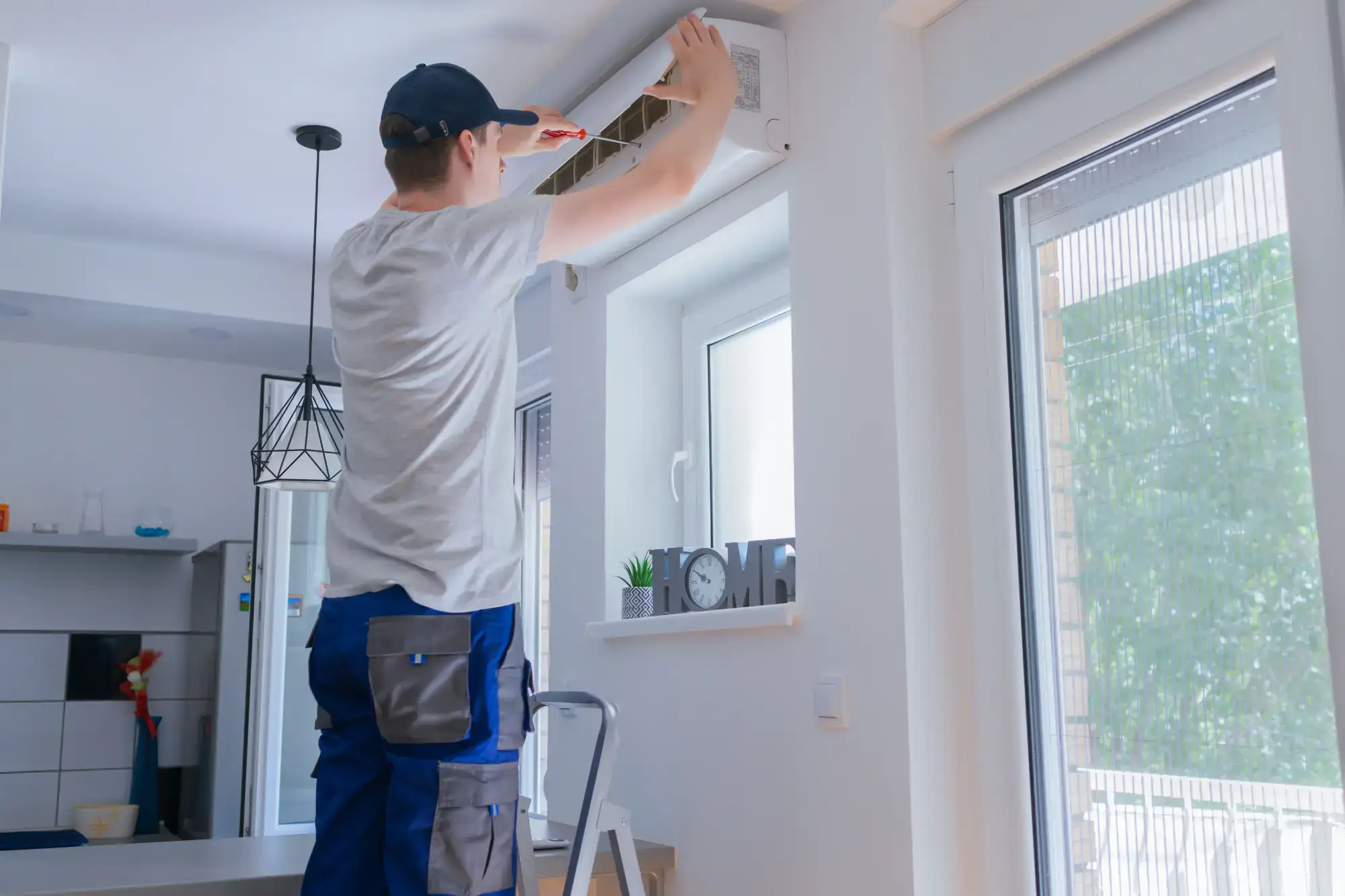
First, we evaluate your space. That means measuring square footage, checking insulation, looking at your existing ductwork if you have it, and figuring out what size unit actually fits your cooling load. This step matters more than most people realize—about 90% of HVAC systems are installed incorrectly, and sizing is usually the culprit.
Next, we handle the permits. In College Point, that means working with the NYC Department of Buildings and making sure everything is up to code before we touch a wrench. No shortcuts. No hoping the inspector doesn’t notice.
Then we install the system. For most homes, that’s a full day—six to eight hours for a complete central air installation in College Point. If you’re replacing an existing unit with similar ductwork, it’s closer to four to six hours. Ductless mini-split systems take about three to four hours since there’s no ductwork involved.
After the install, we test everything. Airflow, refrigerant levels, thermostat accuracy. We walk you through how to use the system and what to watch for. And we make sure your warranty is registered so you’re covered if anything goes sideways down the road.

Ready to get started?
Every air conditioning installation in College Point includes a full evaluation of your space, proper load calculation to size the unit, and all necessary permits filed with the city. We don’t guess at what you need—we calculate it.
You also get a licensed and insured installation team that knows Queens building codes. That matters when you’re working in older homes or buildings with co-op boards that require specific documentation. We’ve done this enough times to know what paperwork needs to be filed and when.
If you’re replacing an old AC system with a new unit, we remove and dispose of the old equipment. If you’re adding central air for the first time, we assess whether your existing ductwork can handle it or if you need a ductless option. Ductless mini-splits are common in College Point because a lot of homes here weren’t built with central air in mind.
Every install comes with warranty coverage on both the equipment and our labor. We also give you maintenance recommendations so your system lasts the full 15 to 20 years it’s supposed to. And because we’re local, we’re around if you need us—not three towns over hoping you don’t call back.
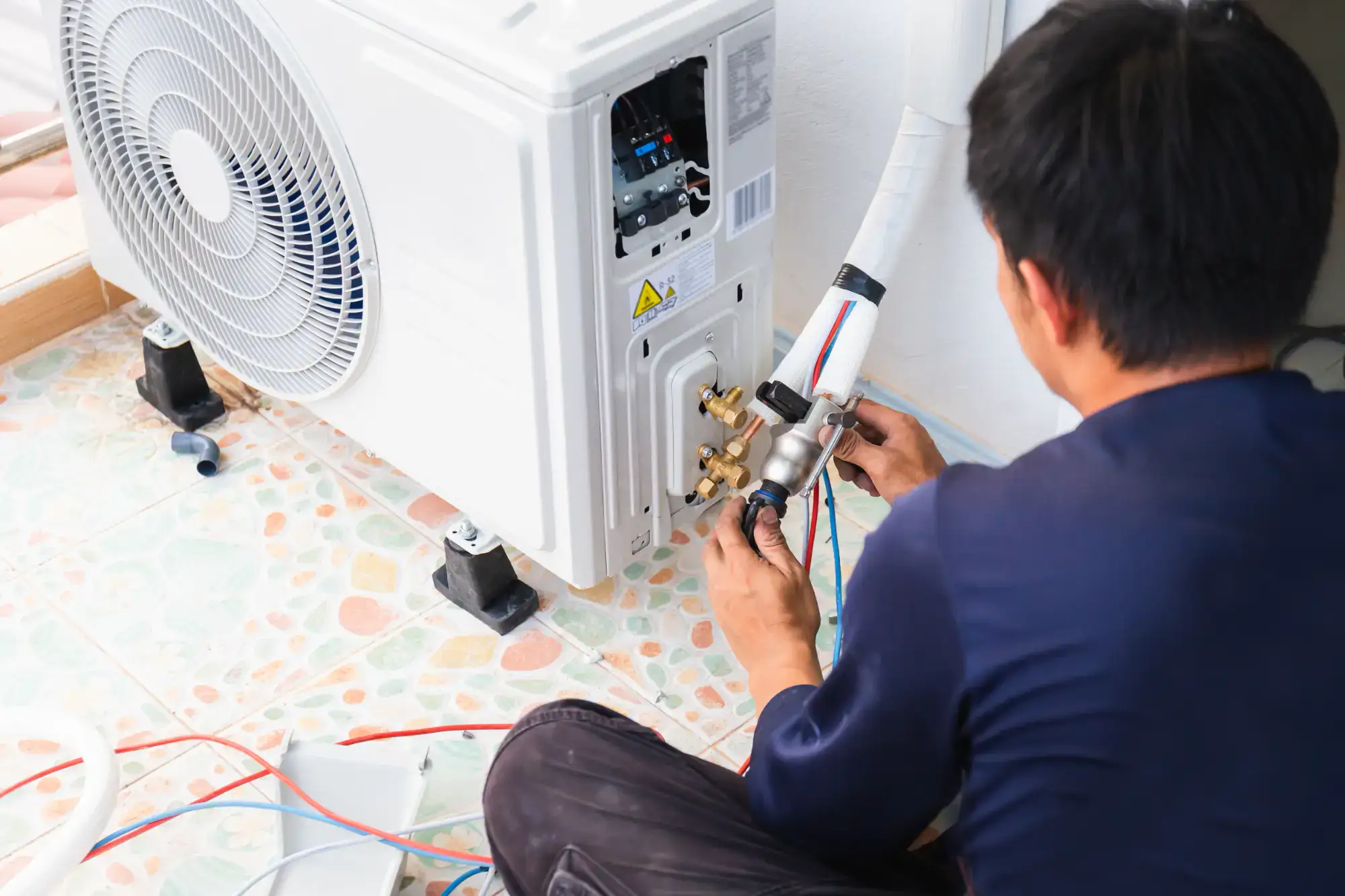
Most residential AC installations in College Point take six to eight hours for a full system replacement. That includes removing your old unit, installing the new one, connecting it to your ductwork or setting up a ductless system, and testing everything to make sure it’s running right.
If you’re just swapping out an existing unit and your ductwork is in good shape, it’s usually closer to four to six hours. Ductless mini-split installations are faster—around three to four hours—because there’s no ductwork to deal with. We’re running refrigerant lines through small holes in the wall, mounting the indoor units, and connecting everything to the outdoor compressor.
The timeline can stretch if we run into issues with your electrical panel, need to upgrade ductwork, or hit a permitting delay. But for a straightforward central air installation in College Point, you’re looking at a single day from start to finish.
Yes. Any HVAC system installation in College Point requires a permit from the NYC Department of Buildings. That’s not optional, and it’s not something you want to skip.
Installing an AC unit without a permit can lead to fines, problems when you try to sell your home, and insurance headaches if something goes wrong. If you file a claim related to your HVAC system and the insurance company finds out it was installed without a permit, they can deny the claim entirely.
We handle all the permit paperwork as part of the installation process. That includes filing with the city, scheduling inspections, and making sure everything is documented correctly. It’s one less thing you have to worry about, and it keeps you on the right side of local building codes.
The right size depends on your home’s square footage, insulation, window placement, ceiling height, and how much sun exposure you get. There’s no one-size-fits-all answer, and guessing wrong costs you money.
An oversized unit cools your home too quickly, which sounds good until you realize it’s short cycling—turning on and off constantly without removing humidity. That makes your home feel clammy, wears out the compressor faster, and drives up your energy bills. An undersized unit runs nonstop trying to keep up, which also kills efficiency and lifespan.
We calculate the load before recommending a unit. That means measuring your space, checking insulation levels, and factoring in things like ductwork condition and airflow. It takes longer than eyeballing it, but it’s the only way to make sure you’re not overpaying for cooling you don’t need or underpaying for a system that can’t handle August in Queens.
Yes, but it depends on whether your home has existing ductwork. A lot of older homes in College Point were built before central air was standard, so they either have no ducts or ducts that were added later for heating only.
If you have ductwork that’s in decent shape, we can usually connect a new central AC system without major construction. If your ducts are undersized, leaking, or poorly routed, we’ll need to upgrade them—otherwise your new system won’t perform the way it should.
If you don’t have ductwork at all, ductless mini-split systems are a solid option. They don’t require tearing into walls or ceilings. We mount indoor units in the rooms you want cooled, run refrigerant lines through small holes to an outdoor compressor, and you’re done. It’s faster, less invasive, and works well in homes where adding ductwork isn’t practical.
It depends on what you’re installing and what condition your home is in. A straightforward AC unit replacement in College Point where we’re swapping an old system for a new one with existing ductwork costs less than a full central air installation that requires new ducts or electrical upgrades.
Ductless mini-split installations usually fall somewhere in the middle. You’re paying for the equipment and the labor, but you’re not paying for ductwork or major construction. The trade-off is that ductless systems cost more per unit upfront, but they’re more efficient and give you zone control.
The best way to get an accurate number is to have us look at your home. We need to see your current setup, measure your space, check your electrical panel, and figure out what permits and upgrades are required. Once we know what we’re working with, we can give you a real price—not a range pulled from a website.
If you’re replacing an old, inefficient unit, yes—you’ll see a difference. For every increase in SEER rating, you can expect about a 4% to 6% reduction in annual cooling costs. High-efficiency units with inverter technology can cut electricity use by 20% to 40% compared to older models.
But efficiency only matters if the system is installed correctly. An improperly sized unit or one with leaky ductwork will waste energy no matter how high the SEER rating is. That’s why load calculation and proper installation matter just as much as the equipment you choose.
A typical New York City residential customer already pays around $141 per month during the summer. If your current system is oversized, undersized, or just old, you’re probably paying more than that. A new, properly installed system won’t just cool your home better—it’ll do it without running up your electric bill every time the temperature hits 85.