

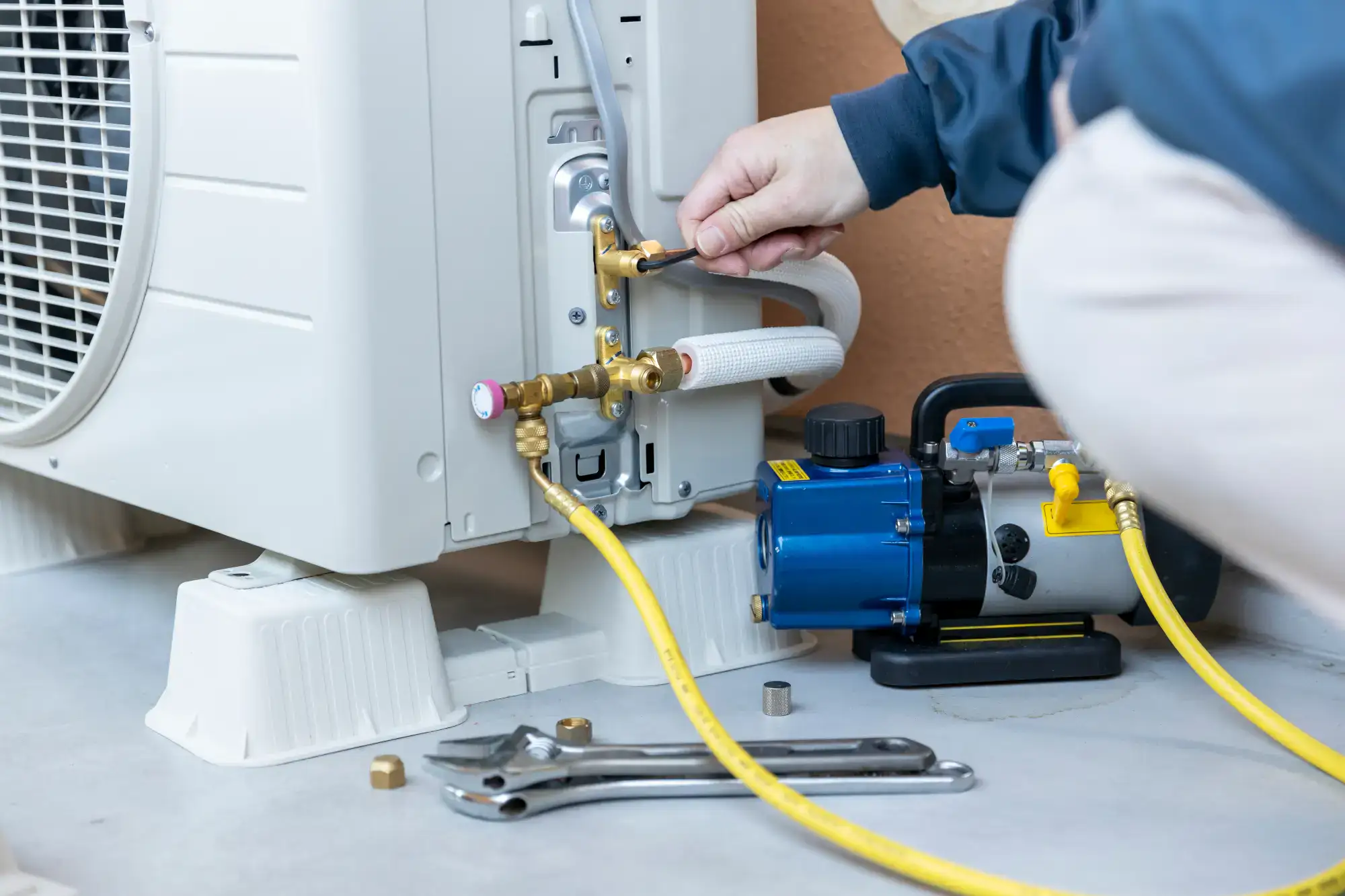
Salt spray coats your outdoor unit every time the wind shifts. Within two years, aluminum fins start pitting. Copper lines corrode. Standard installations fail faster here than they do ten miles inland.
Proper AC installation in East Atlantic Beach means corrosion-resistant components, elevated mounting to reduce salt exposure, and load calculations that factor in humidity levels most contractors ignore. Your cooling costs drop. Your system lasts longer. You’re not replacing failed parts every summer or dealing with emergency breakdowns during heatwaves.
Homes here average $813,000. The last thing you need is a $12,000 system that quits in year three because someone treated your coastal property like it was in the suburbs.
We’ve handled enough beachfront properties to know what fails and why. Older homes in East Atlantic Beach weren’t built for central air. That means creative ductwork routing, electrical panel upgrades, and working around layouts that don’t make installation easy.
We’re licensed and insured for residential and commercial HVAC system installation in East Atlantic Beach. We pull permits, coordinate inspections, and make sure everything meets Nassau County codes before we leave. You’re not getting a system that works for six months and then becomes your problem.
This isn’t our first coastal install. You’ll know that when we talk through your options.
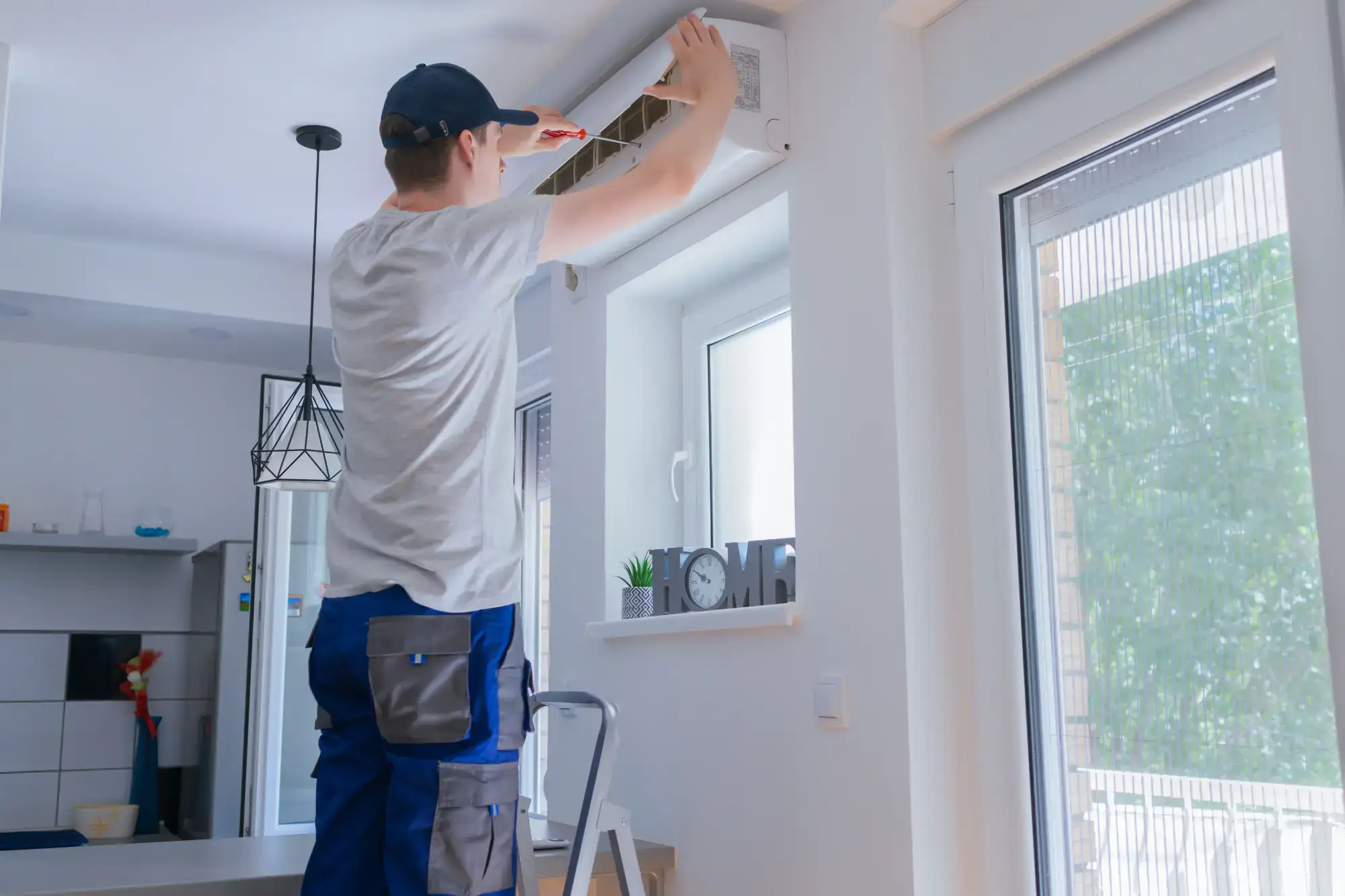
We start with a load calculation. That means measuring your home, checking insulation, accounting for sun exposure and humidity levels specific to East Atlantic Beach. Most contractors skip this and just match tonnage to square footage. That’s how you end up with an oversized system that short-cycles and never dehumidifies properly.
Once we size the system correctly, we walk you through equipment options. You’ll see the difference between builder-grade units and models designed for coastal conditions. We explain what you’re paying for and why it matters here.
Installation day involves pulling permits, upgrading electrical if needed, running or modifying ductwork, mounting the outdoor unit where salt exposure is minimized, and setting up the indoor components. We test airflow, refrigerant charge, and thermostat operation before cleanup. Then we handle the inspection and remove your old equipment. You’re not dealing with county paperwork or hauling scrap metal.

Ready to get started?
Every AC unit replacement in East Atlantic Beach includes permit coordination, which matters more than most people realize. Nassau County requires inspections. If your contractor doesn’t pull permits, you’re liable when you sell the house or file an insurance claim after storm damage.
We handle electrical upgrades if your panel can’t support the new system. Older homes here often need 220V circuits added or breaker boxes replaced. That’s part of the job, not an upsell. We also modify or install ductwork as needed, seal connections properly, and insulate lines to prevent condensation issues common in humid climates.
You get a system sized for your actual cooling load, not a guess based on square footage. We account for coastal humidity, sun exposure, insulation quality, and window efficiency. That’s how you avoid the short-cycling and high energy bills that come from oversized units. Cleanup and old equipment removal are included. So is a walkthrough of your new system and thermostat settings that actually make sense for East Atlantic Beach weather patterns.
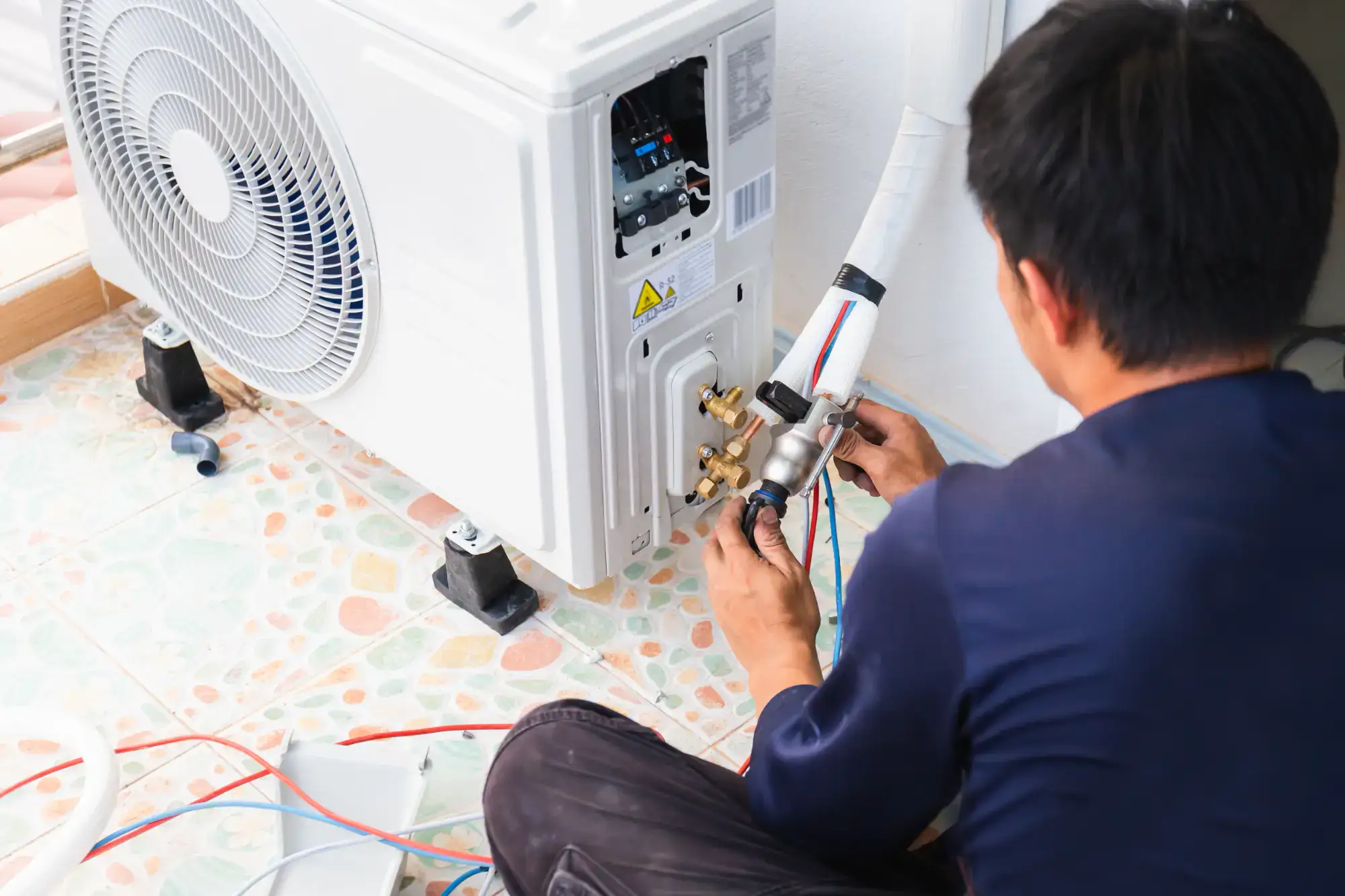
Most central air installation in East Atlantic Beach takes two to three days for older homes. Day one usually involves electrical work and ductwork modifications. Many homes here were built in the 1950s and 60s without central air, so we’re often adding duct runs through closets, soffits, or attics with limited clearance.
Day two is equipment installation—mounting the outdoor unit, setting the indoor air handler or furnace, running refrigerant lines, and making all connections. Day three covers startup, testing, and county inspection. Weather can add a day if we’re working outdoors during a coastal storm.
If your electrical panel needs upgrading or we’re installing ductwork from scratch, add another day or two. We’ll give you a realistic timeline after seeing your home. Rushing installations leads to problems you’ll pay for later.
Sizing an HVAC system installation in East Atlantic Beach requires a Manual J load calculation. We measure your home’s square footage, insulation levels, window types, sun exposure, and typical occupancy. Then we factor in coastal humidity, which increases your cooling load compared to inland homes of the same size.
A 2,000-square-foot home here might need a 3-ton unit or a 4-ton unit depending on those variables. Contractors who just use a square footage chart usually oversize the system. That causes short-cycling—your AC runs for ten minutes, shuts off, then runs again twenty minutes later. It never dehumidifies properly, your home feels clammy, and you’re replacing parts more often because the compressor is starting and stopping all day.
Undersizing is just as bad. Your system runs constantly on hot days and never reaches the set temperature. Proper sizing matters more in coastal areas where humidity control is half the job.
Yes. Standard AC units corrode faster in East Atlantic Beach because of salt spray from the ocean. Aluminum fins on outdoor coils develop white rust within two years. Copper refrigerant lines pit and eventually leak. Cabinet screws and fasteners corrode until panels rattle loose.
Coastal-rated equipment uses coated coils that resist salt corrosion, stainless steel fasteners, and cabinets with better seals against moisture intrusion. Some manufacturers offer specific coastal packages. Others require you to spec the right components during ordering.
We also recommend elevated mounting pads to keep the outdoor unit above ground-level salt spray, and we apply additional corrosion protection to refrigerant line connections. It costs more upfront. But replacing a corroded unit in year four costs a lot more than doing it right the first time. Most homeowners here see coastal-rated systems last eight to twelve years instead of four to six.
Yes. Nassau County requires permits for any HVAC system installation in East Atlantic Beach that involves electrical work, refrigerant handling, or ductwork modifications. That covers almost every installation. The permit costs a few hundred dollars and requires an inspection after the work is complete.
Some contractors skip permits to save time or avoid inspection requirements. That’s a problem when you sell your home—unpermitted work shows up during title searches and home inspections. Buyers will either walk away or demand you bring everything up to code, which means paying for the work twice.
Permits also matter for insurance claims. If storm damage affects your AC and the insurance adjuster finds unpermitted installation, they can deny your claim. We pull permits for every job, coordinate the inspection, and make sure everything passes before you pay the final invoice. It’s not optional.
Most homeowners in East Atlantic Beach pay between $8,000 and $16,000 for complete central air installation, depending on system size, equipment quality, and how much ductwork or electrical work is needed. A straightforward replacement in a home with existing ductwork and adequate electrical service runs $8,000 to $11,000 for a mid-grade system.
Older homes needing ductwork installation, electrical panel upgrades, or coastal-rated equipment push costs toward $13,000 to $16,000. Ductless mini-split systems for homes where ductwork isn’t feasible range from $6,000 to $12,000 depending on how many zones you’re cooling.
Coastal-rated components add 15% to 25% to equipment costs compared to standard units. But you’re extending system life from four or five years to ten or twelve years, which makes the math work. We’ll give you a fixed quote after evaluating your home. No surprises, no “we found something” calls halfway through the job.
Yes. Many older homes in East Atlantic Beach were built before central air became standard. If your home has no ductwork, you have two options: install ducts or go with a ductless mini-split system.
Installing ductwork means running supply and return ducts through attics, crawlspaces, closets, or soffits. It’s more invasive and costs more, but you get true central air with even temperatures throughout the house. Expect $10,000 to $16,000 depending on your home’s layout and how much demo and drywall work is involved.
Ductless mini-splits avoid ductwork entirely. We mount indoor units on walls in each room or zone you want cooled, then run refrigerant lines to an outdoor condenser. Installation is less invasive, and you get independent temperature control in each room. Costs run $6,000 to $12,000 for most homes. The tradeoff is visible indoor units instead of hidden vents. We’ll walk you through both options and explain what makes sense for your home and budget.