

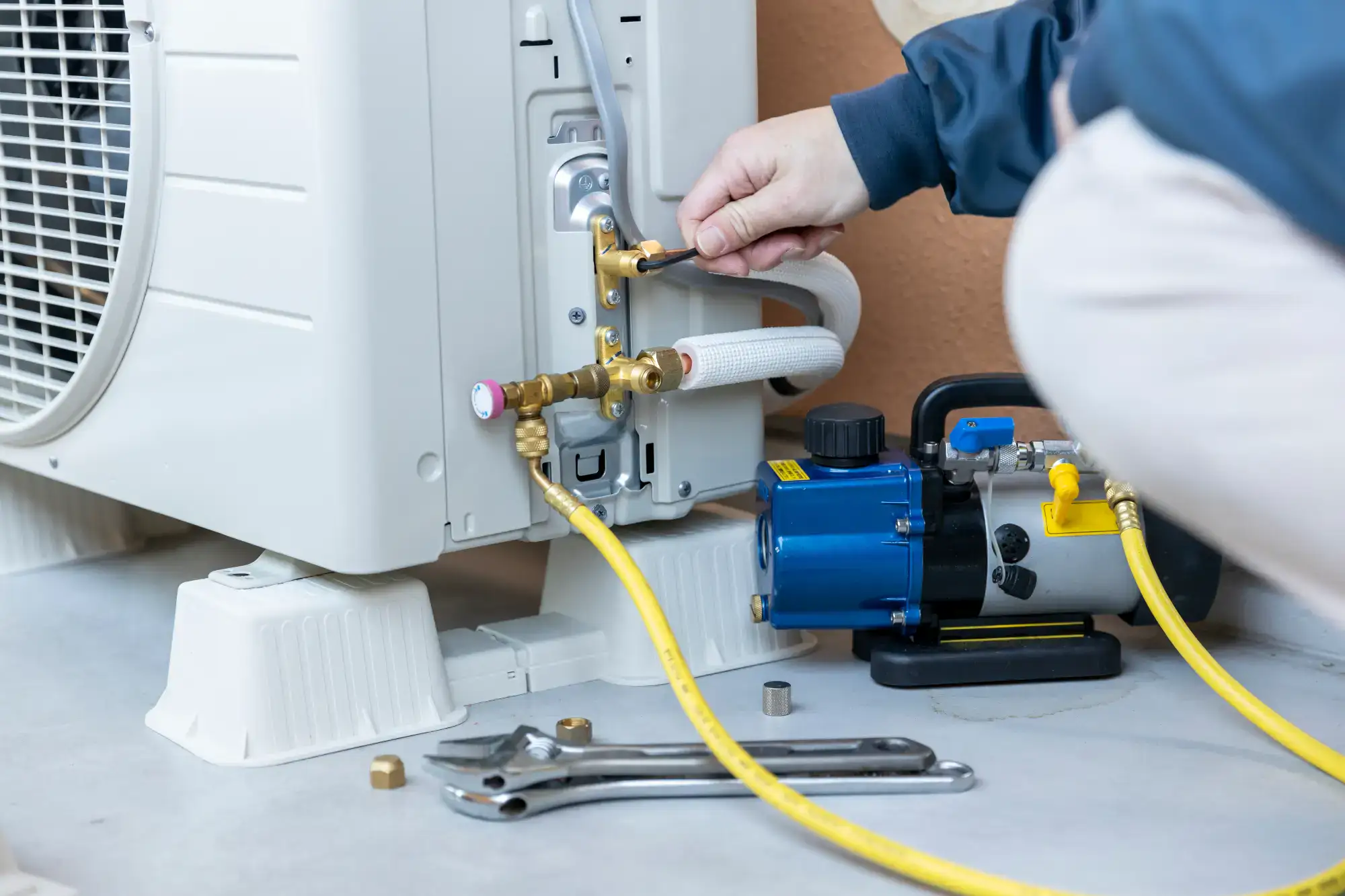
You get consistent cooling in every room, not just the ones closest to the unit. Your energy bills stay predictable because the system runs efficiently instead of working overtime to compensate for poor installation. You avoid the callbacks, the adjustments, and the “we’ll come back next week” conversations that eat up your time.
When your air conditioning installation in East Norwich is done right, your system lasts the full 10-15 years it’s designed for. You’re not replacing components early or dealing with refrigerant leaks that could’ve been prevented. The equipment works as intended because it was sized correctly for your home’s actual cooling load, not guessed at.
Your permits clear without issues. Your home insurance stays intact. And when you eventually sell, there’s no scramble to explain unpermitted work or fix installation shortcuts that show up during inspection.
We’ve been handling central air installation in East Norwich for years, working in homes where the property values average $796,200 and homeowners expect installations that match that investment. Our crews live and work on Long Island, so we know the local building codes, the permit process, and what inspectors look for.
You’re not getting a sales pitch. You’re getting honest answers about what your home needs, what it doesn’t, and why. We show up when we say we will, we explain what we’re doing, and we clean up when we’re done.
East Norwich homeowners have high standards. We meet them by doing the work correctly and standing behind it.
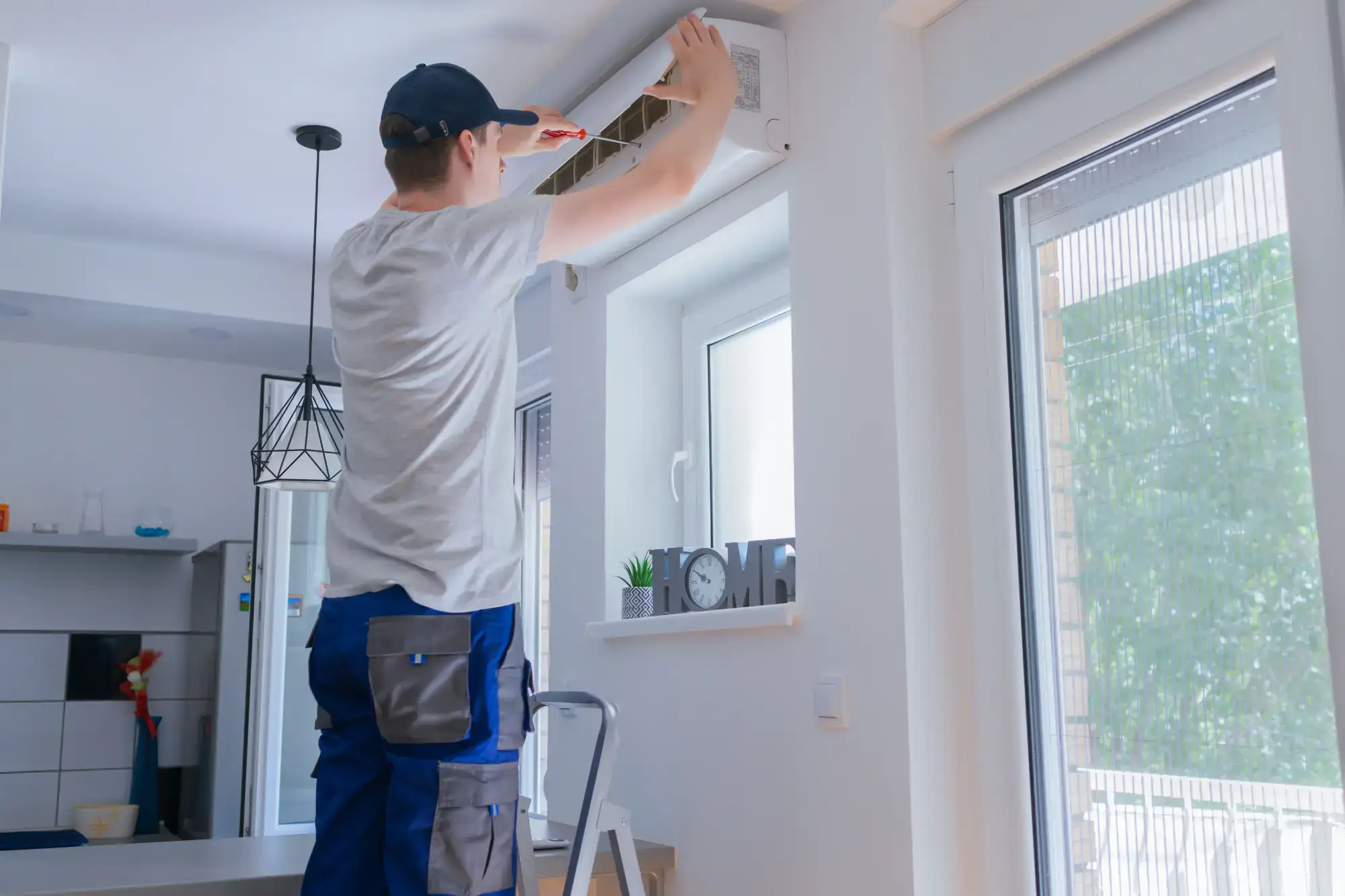
We start with a load calculation. That’s the engineering work that determines exactly what size system your home needs based on square footage, insulation, window placement, and airflow. This step prevents the oversized or undersized units that cause comfort problems and high energy bills.
Next, we pull the permits. In East Norwich, that means coordinating with local building departments and making sure everything meets New York’s 2025 Building Energy Code requirements. You don’t handle any of that. We do.
Installation day, we remove your old system if you’re replacing one, set the new equipment, connect refrigerant lines, wire the thermostat, and test everything. Most home AC installation in East Norwich takes one to two days depending on whether we’re working with existing ductwork or installing new lines. You’ll know the timeline before we start.
After installation, the inspector comes out. We’re there for that appointment. Once it passes, you get your final documentation and warranty information. Then you’re done.

Ready to get started?
You get the full permit process handled from application to final inspection. That includes coordinating with East Norwich building officials and scheduling inspector visits. You also get proper load calculations using Manual J standards, so your system is sized for your actual home, not a generic estimate.
We install the outdoor condenser unit, the indoor air handler or furnace connection, all refrigerant lines, electrical connections, thermostat wiring, and condensate drainage. If your ductwork needs modifications or repairs to improve airflow, we handle that too. Everything gets tested for proper refrigerant charge, airflow balance, and thermostat operation before we consider the job complete.
With 98.2% of East Norwich residents owning their homes and median property values over $796,000, your HVAC system installation in East Norwich needs to be done right. Sloppy work shows up fast in homes this valuable, and it costs more to fix than it would’ve cost to do correctly the first time. You get documentation of all work performed, warranty registration, and a walkthrough of your new system’s operation.
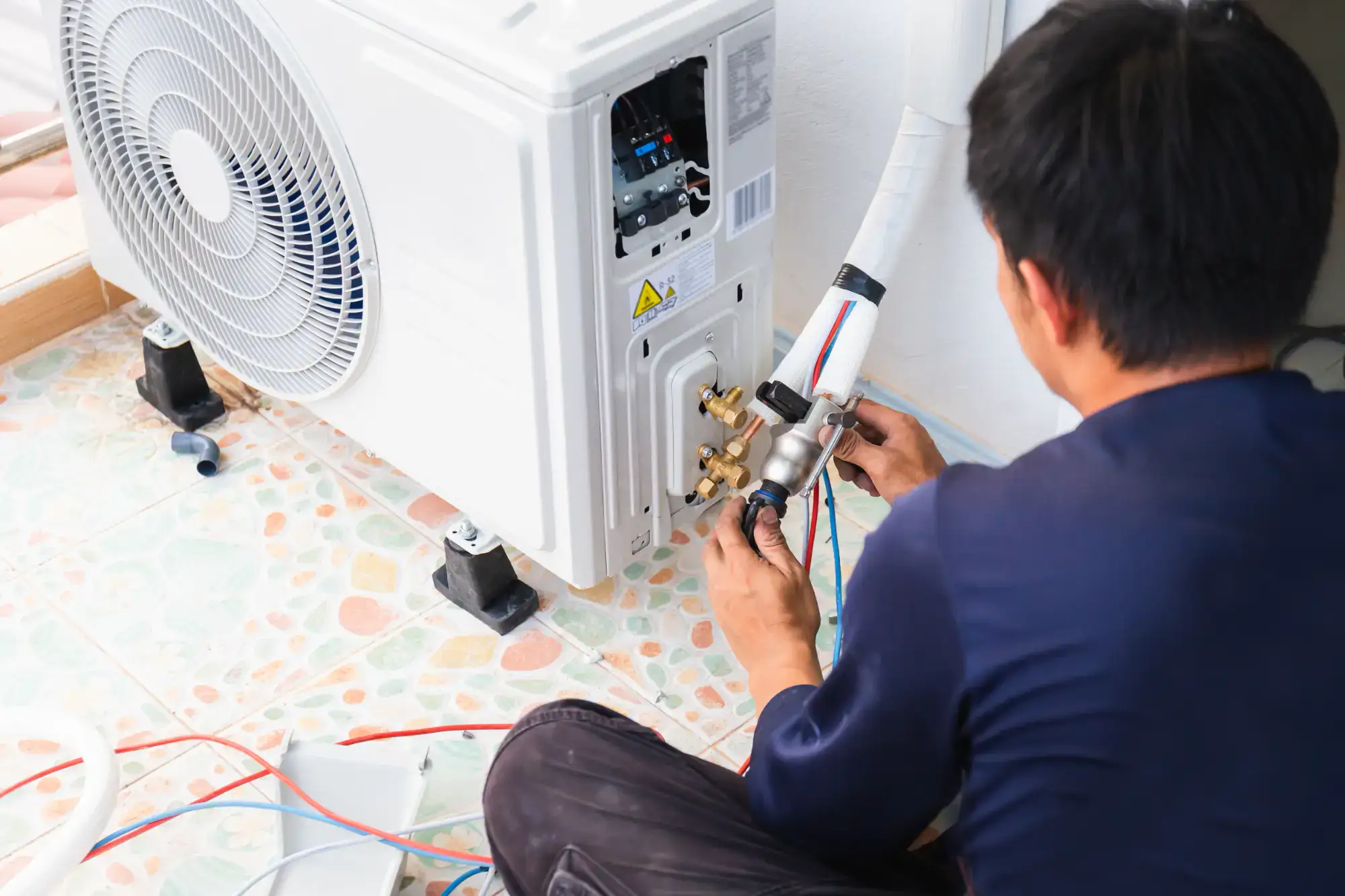
Most residential AC unit replacement in East Norwich takes one to two days. If you’re swapping an old central air system for a new one and the ductwork is in good shape, you’re usually looking at a single day. The crew removes the old outdoor condenser and indoor coil, installs the new equipment, connects refrigerant lines, wires everything, and tests the system.
Two-day installations happen when there’s ductwork to modify, electrical panels to upgrade, or when we’re converting from a different type of system. If your home has an older fuse box instead of a breaker panel, that adds time because modern AC units need proper electrical capacity and grounding.
Weather can push timelines too. We don’t set outdoor condensers in heavy rain or work on electrical in wet conditions. But you’ll know the realistic schedule before we start, and we don’t leave your home without cooling unless there’s a specific reason we’ve discussed with you.
Yes. East Norwich requires permits for HVAC system installation, and skipping that step creates problems you don’t want. When you sell your home, unpermitted work shows up during the buyer’s inspection. You’ll either need to get retroactive permits, which is a headache, or you’ll negotiate a lower sale price to account for the issue.
Your homeowner’s insurance can also deny claims related to unpermitted work. If there’s ever an electrical fire or equipment failure tied to your AC system, and the insurance company finds out the installation wasn’t permitted, you’re covering those costs yourself.
Permits aren’t bureaucratic nonsense. They ensure your installation meets electrical codes, refrigerant handling standards, and safety requirements. The inspector checks that your system is installed correctly, which protects you. We handle the entire permit process as part of your installation, so you’re not dealing with building departments or scheduling inspections. It’s done right, documented, and legal.
That depends on your home’s cooling load, which we calculate using your square footage, insulation levels, window sizes and placement, ceiling heights, and how much sun exposure your home gets. There’s no universal “this size home needs this size AC” answer, despite what some contractors might tell you.
Oversized systems cool too quickly and shut off before removing enough humidity, leaving your home clammy. They also cycle on and off more frequently, which wears components faster and drives up energy costs. Undersized systems run constantly trying to keep up, never quite reaching the temperature you set, and burning out prematurely from overwork.
We use Manual J load calculations, which is the industry standard for proper sizing. It takes about an hour to measure and calculate, and it’s the difference between a system that works well for 15 years and one that causes problems from day one. In East Norwich, where homes average $796,200 in value, guessing at system size isn’t acceptable. You need the right equipment for your specific home, and that requires actual engineering, not estimates.
Most central air installation in East Norwich runs between $5,000 and $12,000 depending on system size, equipment brand, and whether you need ductwork modifications or electrical upgrades. A straightforward replacement where we’re swapping old equipment for new using existing ducts and electrical sits on the lower end. Full installations with new ductwork, panel upgrades, or high-efficiency equipment with smart thermostats cost more.
You’re not just paying for the equipment. You’re paying for proper sizing calculations, permit fees, licensed installation labor, refrigerant, electrical work, inspection coordination, and warranties on both equipment and workmanship. Cheap installations skip steps, use unlicensed labor, or cut corners on materials. That shows up later as comfort problems, failed inspections, or equipment that doesn’t last.
We give you an honest quote after seeing your home and understanding what you actually need. No hidden fees, no surprise charges, no “oh, we forgot to mention” conversations after we’ve started. You know what you’re paying and what you’re getting before any work begins.
Yes. If your East Norwich home doesn’t have ductwork, you have two main options: install ducts and a traditional central air system, or go with a ductless mini-split system. Both work, but they fit different situations and budgets.
Installing ductwork means running supply and return ducts through your attic, basement, or crawl space to reach each room. It’s more invasive and costs more upfront, but it gives you true central air with even temperatures throughout your home. If you’re planning to stay long-term and want whole-home cooling, this makes sense.
Ductless mini-splits mount individual air handlers in the rooms you want to cool, connected to an outdoor condenser by small refrigerant lines. Installation is faster and less invasive since we’re not cutting into walls to run full duct systems. You control temperatures room by room, which some homeowners prefer. The tradeoff is visible wall-mounted units instead of discreet vents.
We’ll walk through both options with you, explain costs and timelines, and let you decide what fits your home and budget. No pressure either way.
You call us, and we come back to fix it. Every installation includes a workmanship warranty covering our labor, and your equipment comes with a manufacturer’s warranty covering parts and components. If something’s not working right, we troubleshoot it and make it right.
Most post-installation issues are minor: thermostat settings that need adjustment, airflow balancing between rooms, or questions about how to use new features. We handle those quickly, usually same-day or next-day depending on when you call. Actual equipment failures are rare with new systems, but if something does fail, the manufacturer’s warranty covers replacement parts.
What we don’t cover is damage from lack of maintenance, like clogged filters that restrict airflow and cause coils to freeze, or outdoor units that get buried in debris and overheat. Regular filter changes and keeping your outdoor unit clear prevent most problems. But if there’s an installation issue or equipment defect, we’re fixing it. You’re not getting stuck with a system that doesn’t work after spending thousands on installation.