

You’re not just getting a new AC unit. You’re getting a system that’s properly sized for your home’s actual cooling load, not guessed at or oversold.
That means your equipment runs efficiently instead of cycling on and off constantly. It means humidity gets pulled out of the air instead of just circulating. And it means you’re not calling for repairs every summer because something was installed wrong from day one.
Glen Cove’s coastal location creates challenges most HVAC contractors overlook. Salt air corrodes outdoor units faster. Humidity levels stay in the mid-70s year-round. Older homes—especially those built between the 1940s and 1960s—weren’t designed for modern central air. When you replace your old AC system with a new unit, these factors matter. A proper air conditioning installation in Glen Cove, NY accounts for your home’s age, your proximity to the water, and how your space actually uses energy.
We work throughout Nassau County, and we know Glen Cove’s housing stock inside and out. We’ve installed central air in waterfront estates, historic downtown homes, and everything in between.
You’re working with a local crew who understands what Glen Cove properties need. We know which equipment holds up to salt air. We know how to work around older ductwork or homes without any ducts at all. And we know the permitting process in Nassau County, so your HVAC system installation in Glen Cove, NY gets done right and passes inspection the first time.
We’re not the cheapest option, and that’s intentional. You’re paying for accurate load calculations, quality equipment, and an installation that doesn’t cut corners. That’s what keeps your system running longer and your energy bills lower.
We start with a Manual J load calculation. That’s the industry-standard method for determining exactly how much heating and cooling capacity your home needs based on insulation levels, window types, sun exposure, square footage, and layout. It’s not a guess. It’s math.
Once we know your load, we recommend equipment that matches it. Oversized units waste energy and don’t dehumidify well. Undersized units run constantly and never catch up. We size it right so your home AC installation in Glen Cove, NY performs the way it should.
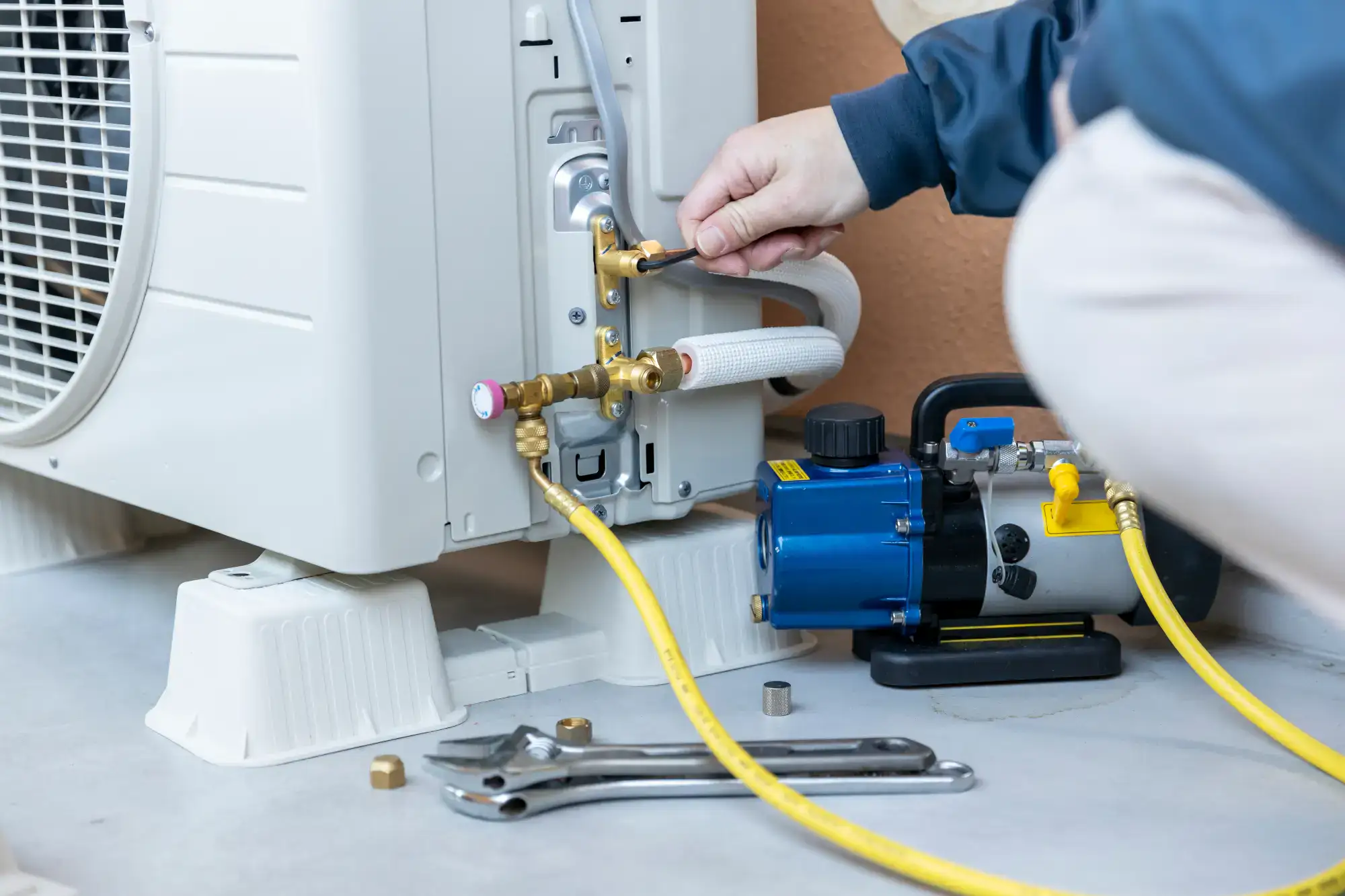
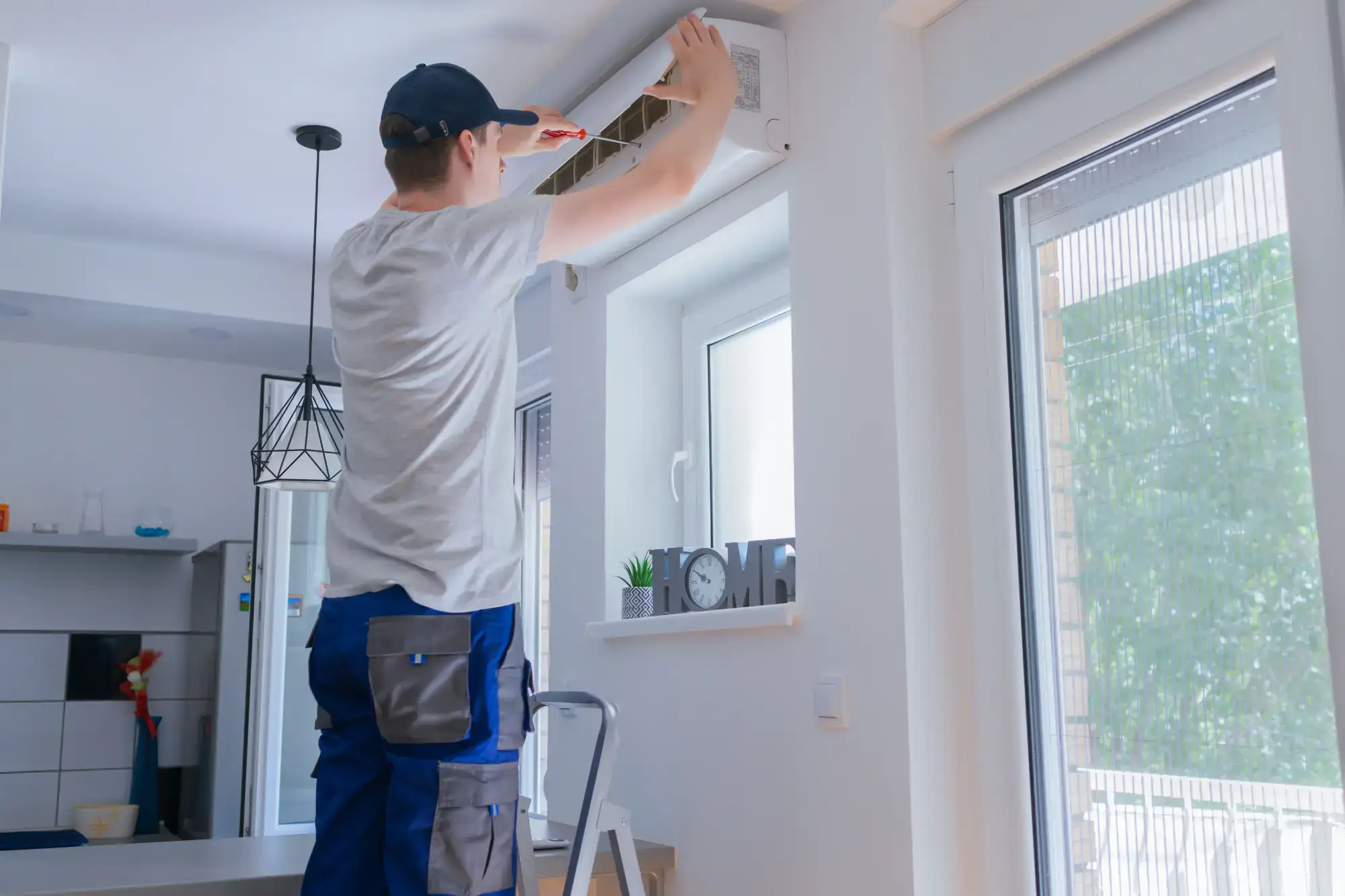
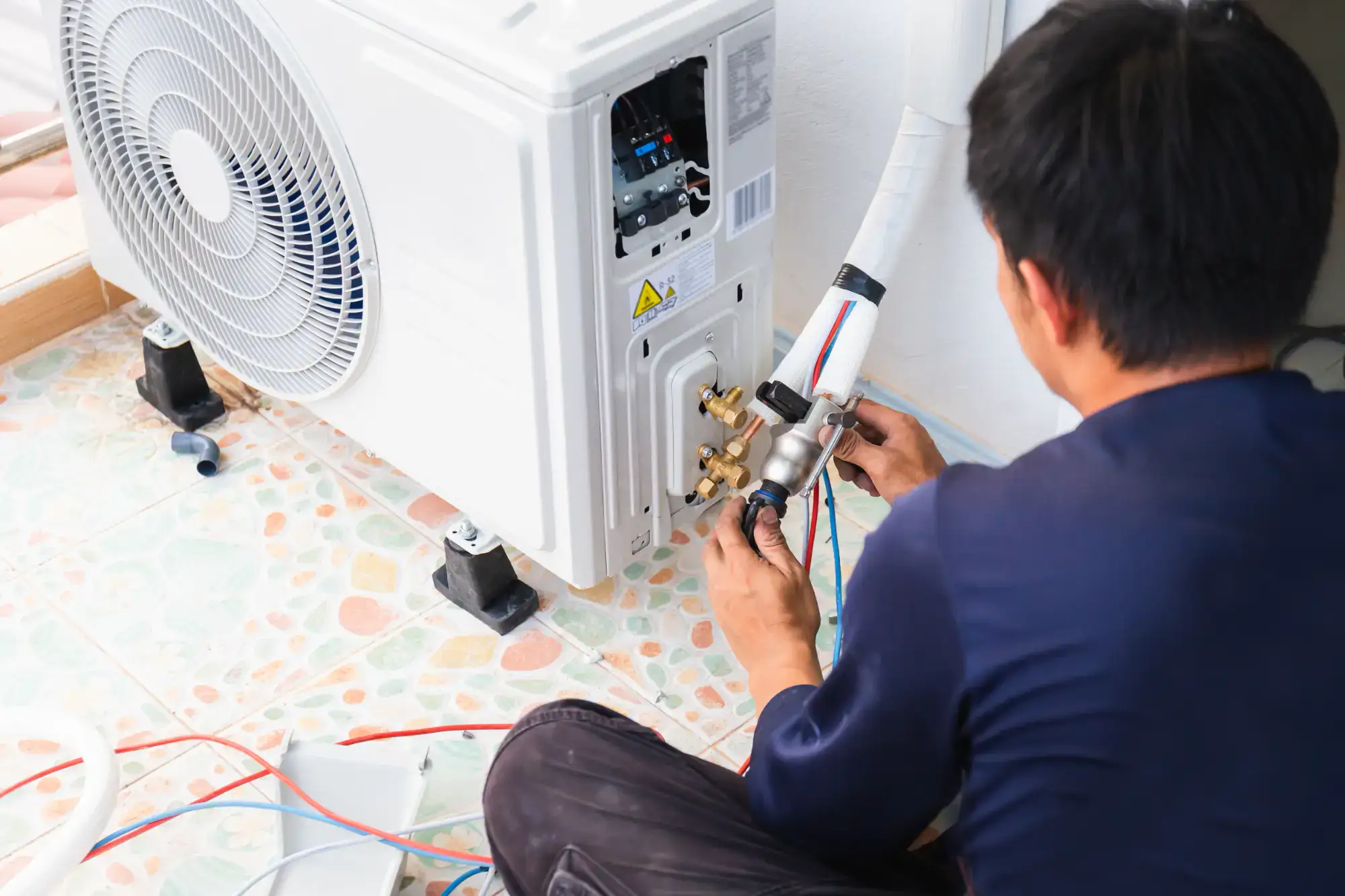
Installation day involves setting the outdoor condenser, connecting refrigerant lines, installing or modifying ductwork if needed, mounting the indoor air handler or furnace coil, running electrical and control wiring, and pressure-testing everything. After the equipment is in, we commission the system—that means checking refrigerant charge, measuring airflow, testing safety controls, and calibrating your thermostat. You don’t get a handshake and a bill until we’ve verified the system works exactly as designed.

Ready to get started?
Every central AC unit installation in Glen Cove, NY we do includes load calculation and equipment sizing, removal and disposal of your old system, installation of the outdoor condenser with proper pad or mounting, refrigerant line installation with insulation, indoor coil or air handler installation, electrical wiring and disconnect, thermostat installation or upgrade, full system commissioning and testing, and verification of airflow and refrigerant charge.
If your home needs it, we also handle ductwork modifications or sealing, upgraded electrical panels or circuits to meet code, condensate drain line installation with proper slope and trap, and equipment selection with corrosion-resistant coatings for coastal exposure. Glen Cove sits right on Long Island Sound, and that salt air is tough on outdoor units. We recommend coil coatings and stainless components when it makes sense for your location.
You’ll also get a walkthrough of your new system, an explanation of warranty coverage, and a maintenance plan option if you want it. We’re not disappearing after installation. You’ll have our number when you need it.
Most central air installation projects in Glen Cove run between $5,000 and $12,000 depending on system size, equipment brand, and whether ductwork needs modification. You’re looking at the lower end if you’re replacing an existing system with similar capacity and your ducts are in good shape. You’re looking at the higher end if you’re adding central air to a home that never had it, upgrading to a high-efficiency heat pump, or dealing with extensive duct repairs.
Glen Cove’s older housing stock often means surprises once we open walls or access ductwork. Homes built before 1970 might have undersized ducts, no ducts at all, or insulation that needs updating before we install new equipment. We give you an honest estimate up front, but we also flag potential issues so you’re not caught off guard.
If you’re considering financing, ask about federal tax credits. High-efficiency systems installed between 2023 and 2025 qualify for a 30% federal tax credit up to $2,000, which can offset a significant portion of your installation cost.
Most installations take one to three days depending on the complexity of the job. A straightforward replacement where we’re swapping out an old condenser and coil for new ones usually takes one full day. Adding central air to a home without existing ductwork can take two to three days or longer.
Glen Cove’s mix of housing styles affects timelines. A ranch home with accessible ductwork in the basement goes faster than a multi-story Victorian with limited attic access and plaster walls. We’ll give you a realistic timeline during the estimate so you can plan accordingly.
We don’t rush installations to hit a schedule. Your system needs to be installed correctly, which means proper refrigerant charge, sealed duct connections, level condenser pad, and calibrated controls. Cutting corners to save an hour costs you years of performance and efficiency. We’d rather take the time to do it right.
It depends on your home’s cooling load, which we determine through a Manual J calculation. That calculation factors in your home’s square footage, insulation levels, window size and orientation, ceiling height, air leakage, and occupancy. A 2,000-square-foot home might need a 2.5-ton unit or a 4-ton unit depending on those variables.
Glen Cove’s climate adds another layer. Homes near the water deal with higher humidity, which affects how your system needs to be sized. Older homes with minimal insulation and single-pane windows have higher cooling loads than newer, tighter homes. If your home was built in the 1940s through 1960s—which describes nearly half of Glen Cove’s housing stock—you likely need more capacity than a comparable newer home.
Oversizing is a common mistake. Contractors sometimes install a bigger unit thinking it’ll cool faster, but oversized systems short-cycle. They cool the air quickly but shut off before removing humidity, leaving your home clammy and uncomfortable. Proper sizing matters more than you’d think, and it’s one of the things we don’t compromise on.
Yes, coastal exposure affects equipment longevity. Salt air accelerates corrosion on outdoor condenser coils, cabinets, and refrigerant lines. If your home is within a mile or two of Long Island Sound, we recommend units with coated coils or stainless steel components designed for coastal installations.
Standard equipment will work, but it won’t last as long. You’ll see rust and corrosion within a few years, and that leads to refrigerant leaks, reduced efficiency, and premature failure. Spending a bit more up front on corrosion-resistant equipment saves you from replacing your condenser in ten years instead of fifteen or twenty.
We also pay attention to drainage and condensate management. Glen Cove’s humidity means your AC will pull a lot of moisture out of the air, and that water needs to drain properly. Poor drainage leads to mold, water damage, and system shutdowns. It’s a small detail that makes a big difference in how your system performs long-term.
Yes, but it requires either adding ductwork or installing a ductless mini-split system. Adding ducts to a home that never had them is possible if you have accessible attic space, basement, or crawlspace. We run insulated ducts through those areas and install registers in each room. It’s more invasive and expensive than a standard replacement, but it gives you true central air.
If your home doesn’t have space for ducts—common in older Glen Cove homes with finished basements and limited attic access—ductless mini-splits are a solid alternative. These systems use individual air handlers mounted in each room, connected to an outdoor condenser by small refrigerant lines. You get zone control, high efficiency, and no ductwork required.
Many Glen Cove homeowners with historic properties choose mini-splits because they avoid tearing into plaster walls and original woodwork. You lose some of the aesthetic of hidden vents, but you gain flexibility and efficiency. We’ll walk you through both options and help you decide what makes sense for your home and budget.
A properly installed system cools evenly, removes humidity, runs quietly, and doesn’t cycle on and off every few minutes. You should feel consistent temperatures in every room, and your indoor humidity should stay below 60% even on the muggiest days. If your system is short-cycling, leaving some rooms warmer than others, or failing to control humidity, something’s wrong.
Common installation mistakes include incorrect refrigerant charge, undersized or leaking ductwork, improper airflow across the indoor coil, and skipped load calculations. Refrigerant charge is critical—too much or too little reduces efficiency and can damage the compressor. Airflow issues cause frozen coils and poor performance. These aren’t things you can easily check yourself, which is why working with a licensed AC contractor in Glen Cove, NY who does it right the first time matters.
After we finish an installation, we give you a commissioning report showing refrigerant pressures, airflow measurements, and system performance data. You’ll know exactly how your system is running, and you’ll have documentation if you ever need warranty service. That level of detail isn’t standard everywhere, but it should be.