

You’re not just buying cold air. You’re buying consistent temperatures in every room, humidity control that actually works, and a system that doesn’t quit when you need it most.
Most AC installations in Hewlett Harbor, NY fail because the system wasn’t sized correctly or the installer cut corners. When we run a proper load calculation and match equipment to your home’s actual needs, you avoid the constant cycling, uneven cooling, and surprise breakdowns that come with guesswork.
The difference shows up in your monthly bill and how often you call for repairs. A quality central air installation means your system runs efficiently, your family stays comfortable during heat waves, and you’re not replacing equipment every few years because it was never right to begin with.
We’ve been installing HVAC systems across Nassau County for over 30 years. That means we’ve worked in homes built in the 1950s with no ductwork, waterfront properties dealing with salt air corrosion, and everything in between.
Hewlett Harbor homes come with specific challenges. Coastal humidity makes your AC work harder to dehumidify before it can cool. Older electrical systems sometimes need upgrades to handle modern equipment. We handle the permits, the inspections, and the details that matter when you’re investing in a system that needs to last.
You’re hiring licensed, insured technicians who use brands like Trane and Carrier because quality parts matter. We’re not the cheapest option, and we don’t try to be. You’re paying for installation that’s done right the first time.
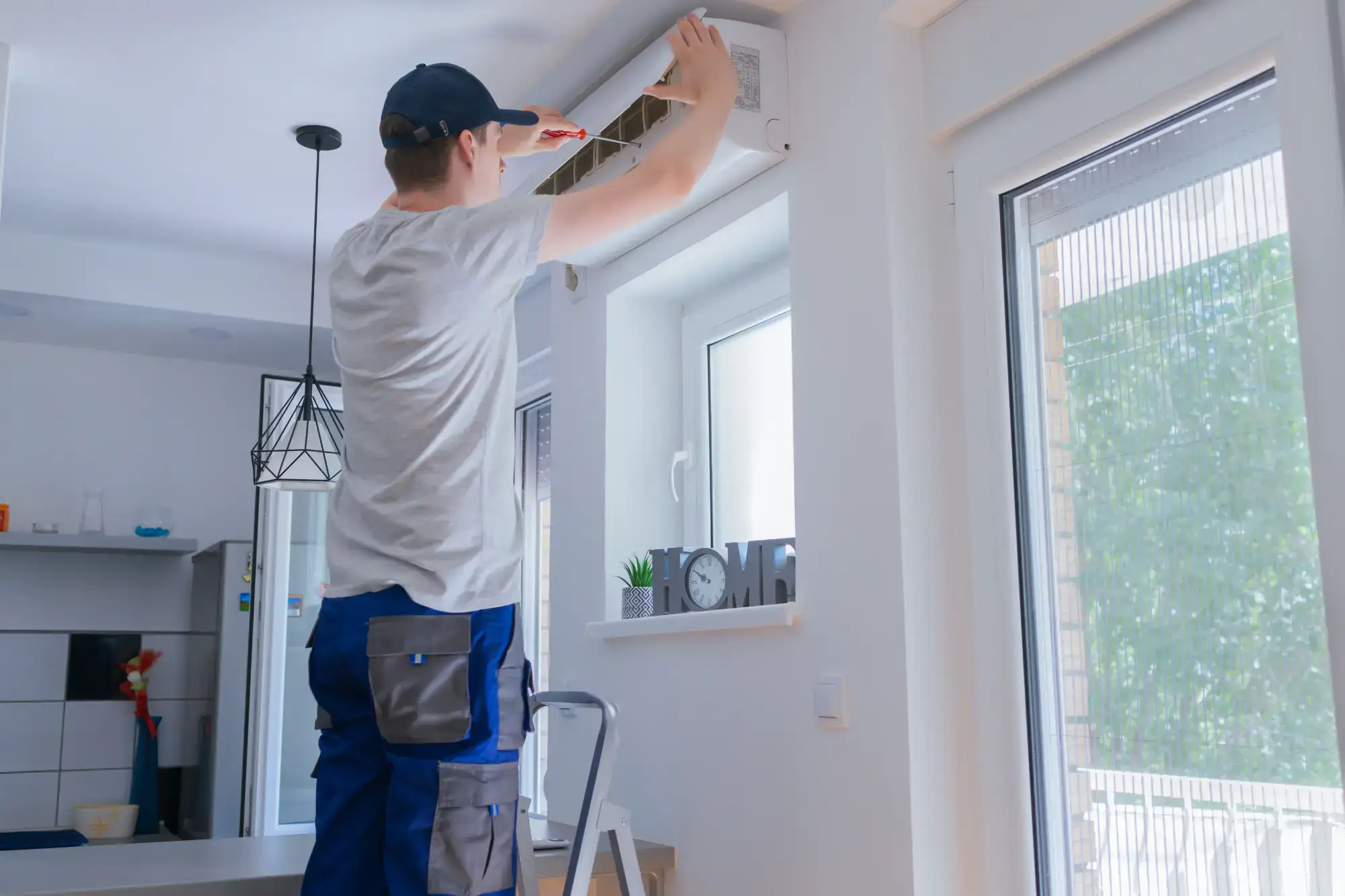
First, we calculate your home’s actual cooling load. That means measuring square footage, checking insulation, accounting for windows and sun exposure, and factoring in Long Island’s humidity levels. This determines the right size system for your space.
Next, we provide an upfront estimate with no hidden fees. You’ll know what equipment we’re installing, what permits we’re pulling, and whether your electrical panel needs an upgrade. If your home doesn’t have ductwork, we’ll walk through ductless mini split options that give you zone control and energy savings.
Installation typically takes one full day. Central air systems run 6-8 hours, ductless systems take 4-6 hours. We aim to have your system running by the end of the scheduled day. That includes cleanup, a walkthrough of your new equipment, and making sure you understand how everything works before we leave.

Ready to get started?
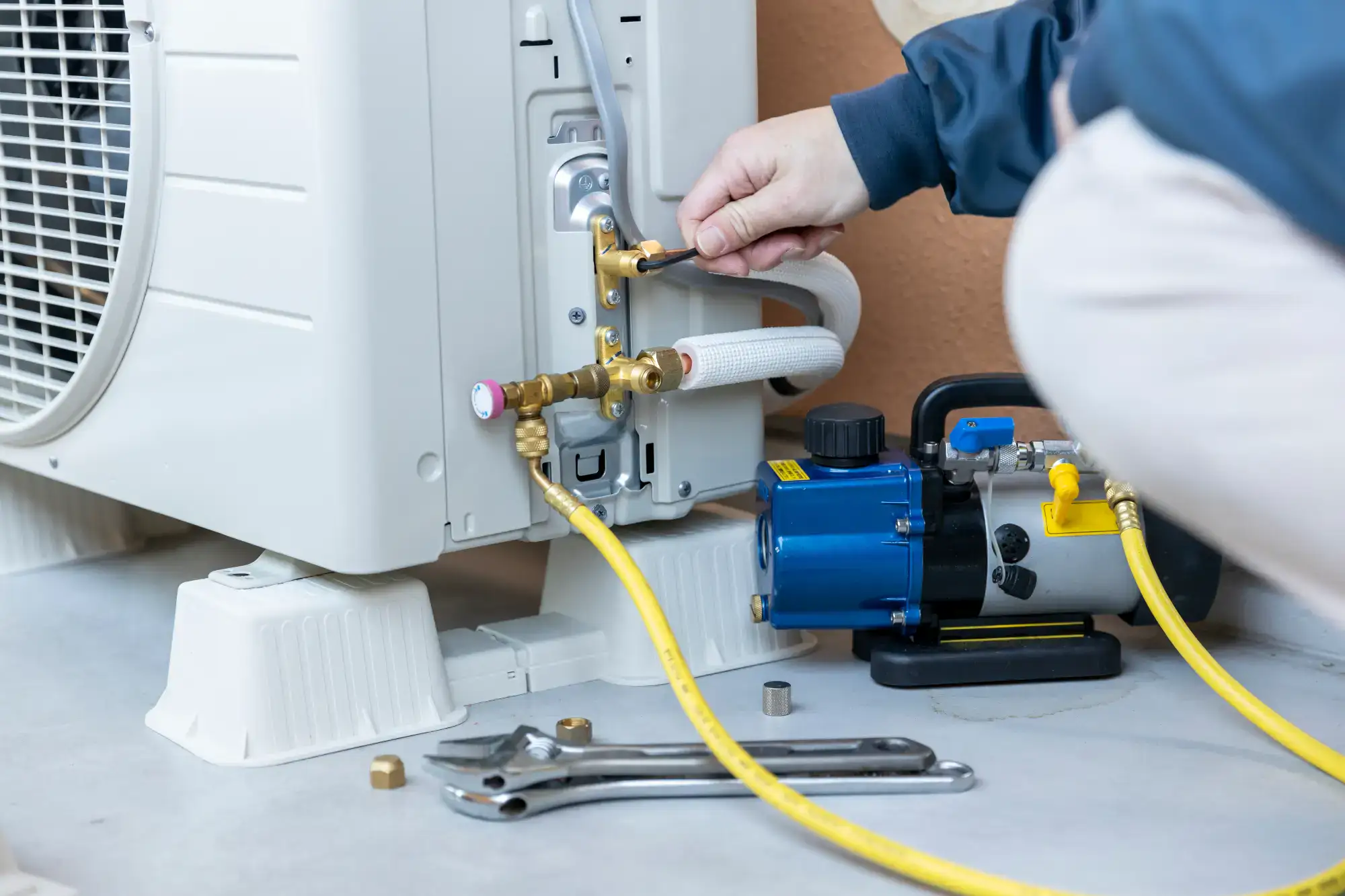
Every AC unit replacement in Hewlett Harbor, NY includes permit handling, electrical assessment, and proper refrigerant line installation. We’re familiar with Nassau County building codes and inspection requirements, so you don’t have to worry about compliance issues down the road.
You’re also getting equipment matched to coastal conditions. Long Island’s humidity and salt air wear down systems faster than inland areas. We install corrosion-resistant components and recommend maintenance schedules that extend equipment life in this climate.
Hewlett Harbor is facing a 128% increase in days over 95°F over the next 30 years. Right now, you see about 8 extremely hot days per year. That number is climbing to 16. Your AC isn’t just about comfort anymore—it’s about safety during heat waves. A properly installed system keeps your family safe when temperatures spike and gives you reliable performance when everyone else is calling for emergency repairs.
The Inflation Reduction Act offers a 30% tax credit on energy-efficient HVAC installations. PSEG Long Island also provides rebates on heat pumps and smart thermostats. We’ll walk you through what qualifies and how to claim those savings.
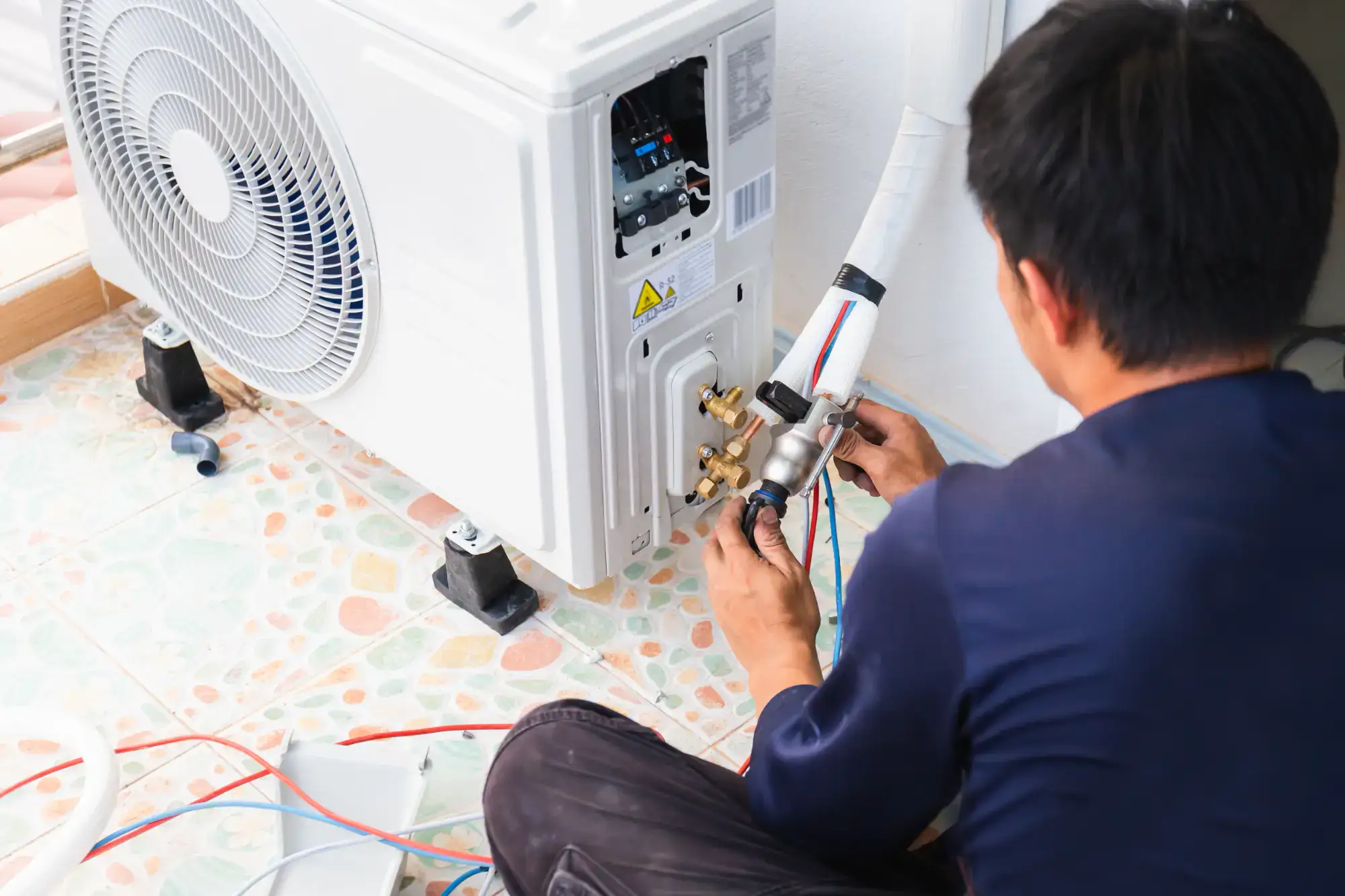
Most installations finish in one full day. Central air installation typically takes 6-8 hours from start to finish. Ductless mini split systems run faster, usually 4-6 hours depending on how many zones you’re installing.
The timeline changes if your home needs electrical upgrades or ductwork modifications. Older homes in Hewlett Harbor—many built in the 1950s—sometimes require panel upgrades to handle modern AC loads. We’ll identify those needs during the estimate so there are no surprises on installation day.
We aim to have your system running before we leave. That means you’re not waiting overnight for cool air, and you’re not dealing with a half-finished job that drags into the next day.
It depends on your home’s cooling load, not just square footage. We run a load calculation that factors in insulation levels, window placement, sun exposure, ceiling height, and how many people live in the space. Long Island’s coastal humidity also affects sizing because your AC has to dehumidify air before it can cool it.
An oversized unit cycles on and off too frequently, which wastes energy and leaves your home feeling clammy. An undersized unit runs constantly and never reaches the temperature you set. Both scenarios cost you money and comfort.
The right size system runs efficiently, maintains consistent temperatures, and lasts longer because it’s not overworking. That’s why we don’t estimate based on rough square footage. You need precise calculations for a system that actually fits your home.
Yes. Nassau County requires permits for HVAC installations, and Hewlett Harbor follows those regulations. Permits ensure your installation meets building codes, electrical standards, and safety requirements. Skipping permits can cause problems when you sell your home or file an insurance claim.
We handle all permit applications and coordinate inspections. You don’t need to visit town hall or deal with paperwork. We’re familiar with local building codes and what inspectors look for, so installations pass without delays.
Some contractors skip permits to save time or cut costs. That leaves you liable if something goes wrong. We pull permits on every job because it protects you and ensures the work is done to code.
If your home already has ductwork in good condition, central air makes sense. It uses your existing infrastructure and cools the whole house from one outdoor unit. If your ducts are leaking, poorly insulated, or nonexistent, ductless mini splits are often the better choice.
Ductless systems give you zone control, which means you’re not cooling rooms you don’t use. That saves energy and lowers your monthly bill. They’re also easier to install in older homes where adding ductwork would mean tearing into walls and ceilings. Many Hewlett Harbor homes fall into this category.
PSEG Long Island offers rebates on ductless heat pumps, which can offset installation costs. We’ll walk through both options during your estimate and explain what makes sense for your home’s layout, your budget, and how you actually use your space.
Installation costs vary based on system type, home size, and whether you need electrical upgrades or ductwork modifications. Central air installations typically run higher upfront but use existing ducts. Ductless systems cost more per indoor unit but save money if you’re avoiding ductwork installation.
We provide upfront estimates before starting work. You’ll see equipment costs, labor, permit fees, and any additional work your home needs to support the new system. No hidden charges, no surprise fees after the job is done.
You’re also eligible for a 30% federal tax credit on energy-efficient systems, plus PSEG rebates that can reduce your total cost. We’ll explain what qualifies and how to claim those savings. Cheaper installations usually mean undersized equipment, skipped permits, or shortcuts that cost you more in repairs down the road. You’re paying for quality installation that lasts.
We install Trane and Carrier systems. Both brands are known for reliability, efficiency, and performance in coastal climates. Quality equipment matters when you’re dealing with Long Island’s humidity and salt air, which wear down cheaper systems faster.
The brand is only part of the equation. Installation quality determines how well your system performs and how long it lasts. A premium unit installed incorrectly will fail just as fast as a budget model. We focus on proper sizing, correct refrigerant charging, and clean installations that meet manufacturer specs.
You’re also getting equipment backed by solid warranties. We stand behind our work, and these brands stand behind their products. That combination gives you coverage if something goes wrong and peace of mind that you’re not replacing your system in five years.