

You know the drill. It’s 2 a.m., you’re flipping the pillow for the fourth time, and the air in your bedroom feels thick enough to chew. Opening the window doesn’t help because the air outside is just as brutal.
That’s what happens when you’re running a window unit that can’t keep up, or worse, when you’ve got nothing at all. Central air installation in Kensington, NY changes that—completely. You walk into a home that’s actually comfortable, not just slightly less miserable than the street.
Modern systems pull humidity out of the air while they cool, so you’re not just dropping the temperature, you’re making the space livable. Your energy bills stop spiking every July because newer units run more efficiently than anything installed before 2010. And when the system’s sized right and installed by someone who knows what they’re doing, it runs quieter and lasts longer.
You’re not patching together another summer with duct tape and hope. You’re setting up a home that works.
We’ve been handling HVAC system installation in Kensington, NY since before most people were Googling their contractors. That’s more than 20 years of working in older homes, dealing with tight spaces, and figuring out how to run ductwork without tearing apart your walls.
We’re not a national chain. We’re local, licensed, and we actually answer the phone when you call. Our techs are trained on the systems we install—Trane, Rheem, Goodman, Fujitsu—and they’ve seen every curveball these older Brooklyn buildings can throw.
Kensington’s full of pre-1960s construction, which means most homes here weren’t designed for central air. That’s our specialty. We assess your space, recommend what actually fits, and install it without the surprise fees or the runaround.
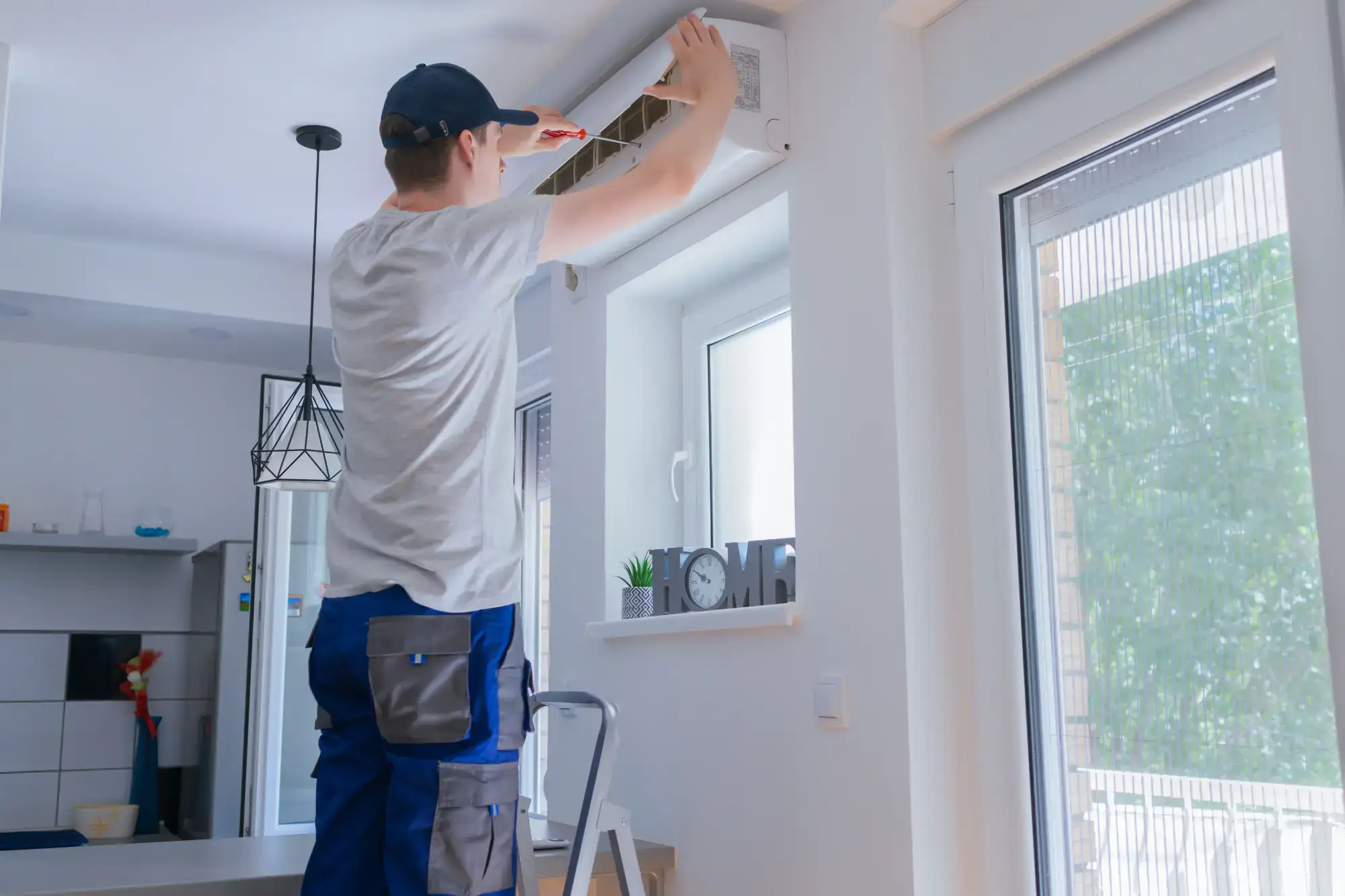
First, we come out and look at your home. Not just the square footage—we’re checking your electrical panel, your existing ductwork if you have any, your insulation, and whether your layout makes sense for central air or if a ductless system is the smarter move.
Then we size the system correctly. Oversized units cycle on and off too much, which wears them out faster and leaves your home humid. Undersized units run constantly and never catch up. We calculate the load based on your actual space, not a guess.
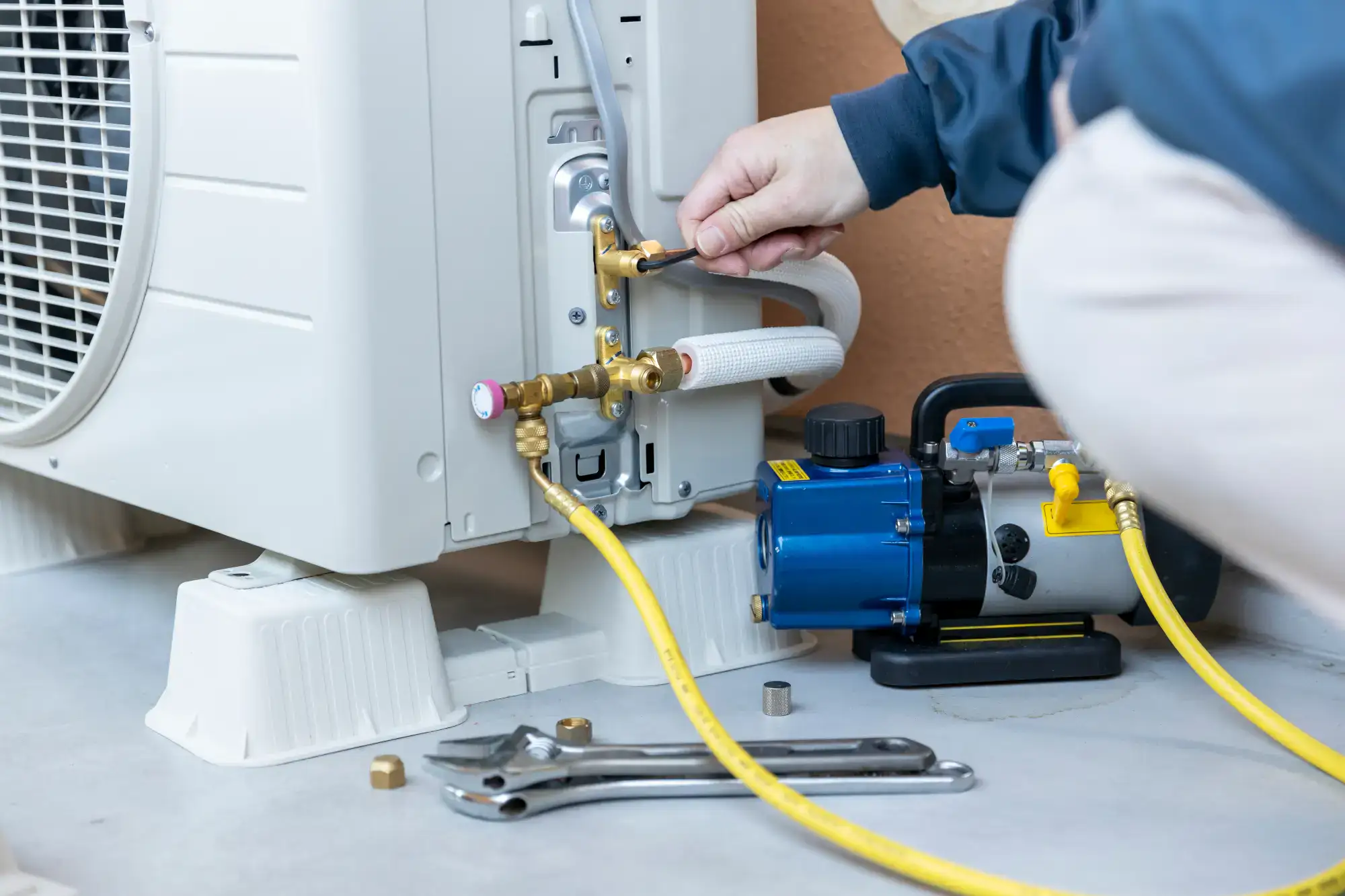
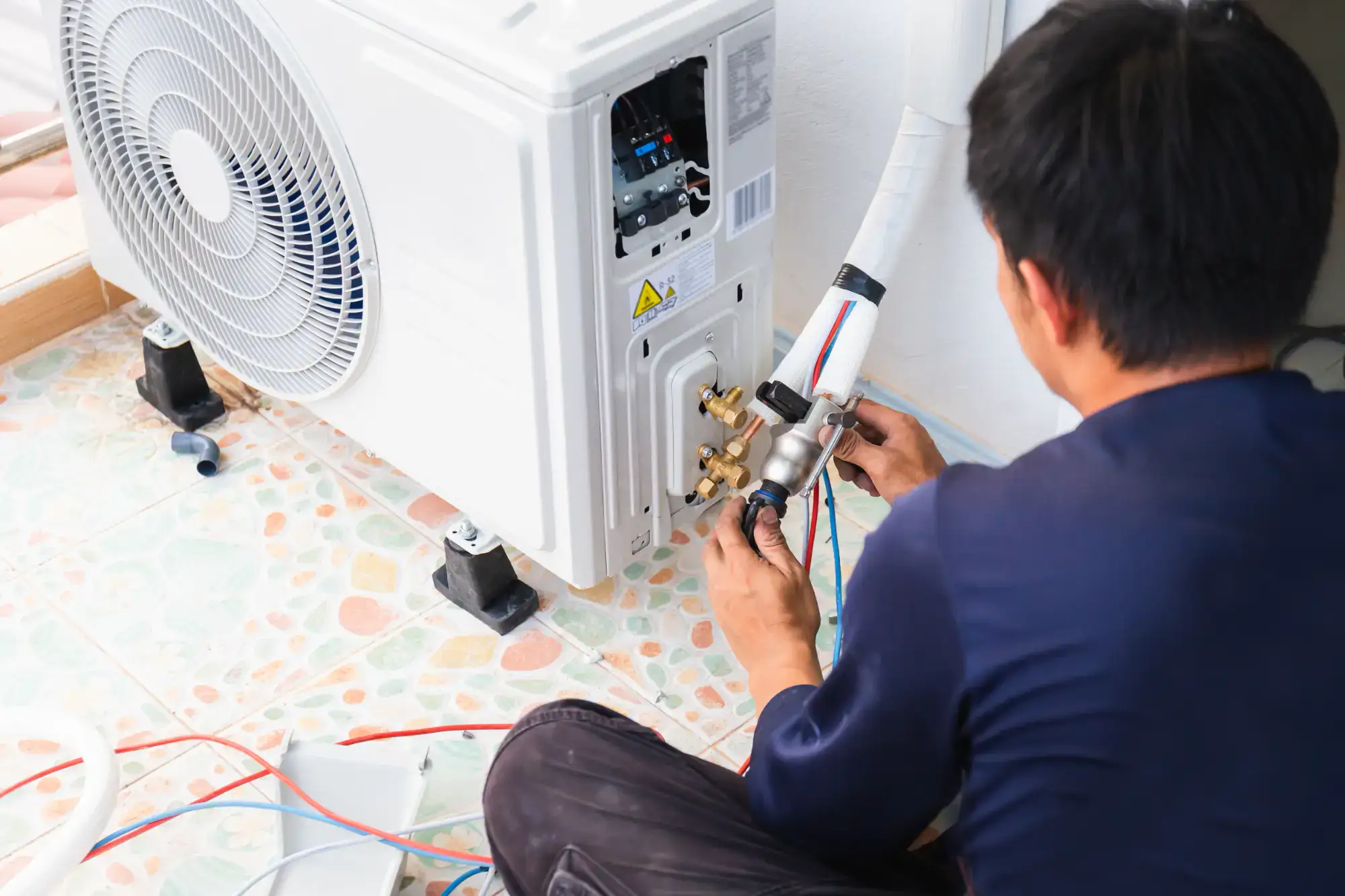
Once you approve the estimate, we schedule the install. For most homes, that’s a one- to two-day job depending on whether we’re adding ductwork or going ductless. We handle the electrical work, the refrigerant lines, the thermostat setup, and the final testing to make sure everything’s running at the right pressure and temperature.
Before we leave, we walk you through how to use the system and what to expect. You get documentation, warranty info, and a number to call if anything comes up. That’s it—no upsells, no pressure, just a system that works.

Ready to get started?
When you’re replacing an old AC system with a new unit in Kensington, NY, you’re getting more than just a box that blows cold air. You’re getting a system that’s matched to your home’s specific needs, installed by licensed professionals who’ve done this hundreds of times.
That includes a full load calculation to size the unit correctly, which most fly-by-night installers skip. It includes proper refrigerant charging, which affects efficiency and longevity. It includes ductwork inspection or installation if needed, and sealing any leaks that waste energy.
You’re also getting access to rebates and incentives. New York State runs energy efficiency programs through NYSERDA, and Con Edison offers rebates on qualifying equipment. We help you navigate that paperwork so you’re not leaving money on the table. With the federal tax credits under the Inflation Reduction Act, you can claim up to 30% back on qualifying systems.
And because Kensington’s building stock is older, we’re experienced at working around the quirks—tight basements, limited attic access, old wiring that needs upgrading. We don’t just install the unit and leave. We make sure it integrates with your home the right way.
It depends on what you’re installing and what your home needs to support it. A basic central air system for a smaller home with existing ductwork might run $4,000 to $7,000. If you’re adding ductwork or upgrading electrical, you’re looking at $8,000 to $12,000 or more.
Ductless mini-split systems are often cheaper upfront if you don’t have ducts and don’t want to add them. A single-zone unit might cost $3,000 to $5,000 installed, while a multi-zone setup for a whole home can hit $10,000+.
The biggest cost variables are the size of the system, the brand you choose, and whether we’re working with existing infrastructure or building from scratch. We give you a free estimate after we see your space, and we break down exactly what you’re paying for—no surprise fees, no padding. Financing’s available if you need it, and we’ll help you apply for any rebates you qualify for.
Yes, but it’s not always the best move. Adding ductwork to a home that wasn’t built for it means running ducts through walls, ceilings, or floors. That’s expensive, disruptive, and sometimes impossible depending on your layout.
If your home doesn’t have ducts, a ductless mini-split system is usually the smarter option. You get the same cooling power without tearing up your walls. We mount an outdoor compressor and connect it to indoor units in the rooms you want cooled. It’s efficient, quiet, and way less invasive.
That said, if you’re already doing a major renovation or if your home has attic or basement space we can use, adding ducts might make sense. We’ll assess your specific situation during the consultation and tell you what’s realistic. We’re not going to sell you ductwork if it doesn’t make sense for your home.
A properly installed and maintained central air system lasts 10 to 15 years on average. Ductless systems can push 15 to 20 years if you stay on top of maintenance.
The key word there is “maintained.” If you’re not changing filters, cleaning coils, and getting annual tune-ups, you’re shortening the lifespan. Dirty systems work harder, break more often, and die sooner.
The other factor is installation quality. If the system’s undersized, oversized, or improperly charged with refrigerant, it’s going to wear out faster no matter how much you maintain it. That’s why we size everything correctly and test it thoroughly before we call the job done. You’re not just buying equipment—you’re buying years of reliable performance if it’s done right from the start.
SEER stands for Seasonal Energy Efficiency Ratio. The higher the number, the less electricity the system uses to cool your home. A 14 SEER unit is the minimum allowed by federal law. An 18 SEER unit uses about 22% less energy to do the same job.
That efficiency costs more upfront—sometimes $1,500 to $3,000 more depending on the size. But if you’re running AC from May through September in Kensington, NY, that difference adds up on your electric bill. Over the life of the system, a higher SEER unit can pay for itself, especially with energy prices where they are.
Higher SEER systems also qualify for bigger rebates through NYSERDA and Con Edison, which can offset some of that upfront cost. We’ll show you the math during your estimate so you can decide what makes sense for your budget and how long you plan to stay in the home.
Maybe. Most central air systems need a dedicated 240-volt circuit, and if your panel’s already maxed out or it’s an older 60- or 100-amp service, you might need an upgrade.
We check your electrical situation during the consultation. If your panel has space and capacity, we’re good to go. If it doesn’t, we’ll let you know what needs to happen before we can safely install the system. Sometimes that’s just adding a circuit. Sometimes it’s upgrading the whole panel, which adds cost but also makes your home safer and more capable of handling modern loads.
A lot of Kensington homes still have old panels that were never designed for central air, dishwashers, and electric dryers all running at once. If that’s your situation, the upgrade’s worth doing anyway—it’s not just about the AC, it’s about your whole home’s electrical safety.
If it’s not peak summer and we have the equipment in stock, we can usually schedule you within a week or two. During a heat wave in July, it might take longer—everyone’s calling at once.
The install itself takes one to two days for most homes. If we’re adding ductwork or doing major electrical work, it could stretch to three or four days depending on the scope.
We don’t rush jobs to squeeze in more customers. We’d rather do it right and have you comfortable for the next 15 years than cut corners to hit a deadline. If you’re planning ahead—say, you know your system’s on its last legs and you want to replace it before summer hits—call us in spring. You’ll get better availability, and you won’t be sweating through a heat wave while you wait for the install.