

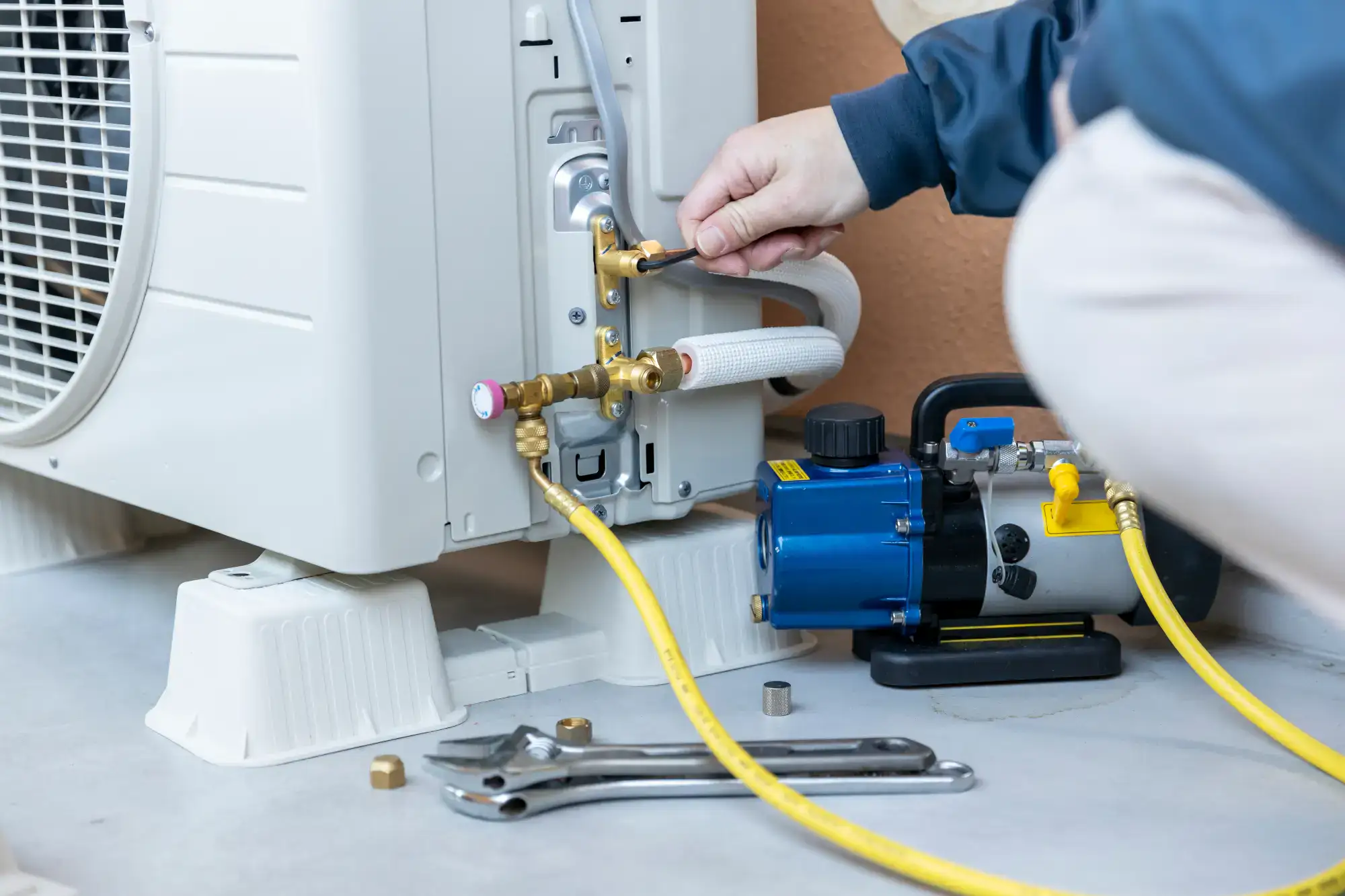
A properly installed AC system doesn’t just cool your home. It runs quieter, uses less power, and keeps every room comfortable without cranking the thermostat.
You’re not dealing with hot spots in the bedroom or a unit that cycles on and off every ten minutes. Load calculations match your home’s actual needs—not the tonnage from whatever system was there before. Ductwork gets inspected for leaks, restrictions, and balance issues that kill efficiency before the compressor ever turns on.
The result is straightforward: you stay comfortable, your utility bills drop, and the system lasts longer because it’s not fighting poor airflow or undersized returns. That’s what happens when the installation quality matches the equipment quality.
We’ve been handling HVAC system installation in Lakeview, NY and across Long Island for over 30 years. That’s thousands of homes, hundreds of older building types, and every brand of equipment you can name.
You’re working with licensed, insured technicians who’ve seen what happens when installations get rushed or shortcuts get taken. We’ve also seen what works—and that’s what you get. No franchise markup, no rotating crews, just local experience and an A+ BBB rating that didn’t come from cutting corners.
Lakeview homes range from post-war Cape Cods to newer construction, and each one has different duct layouts, electrical capacity, and cooling loads. We account for that before we ever pull a permit.
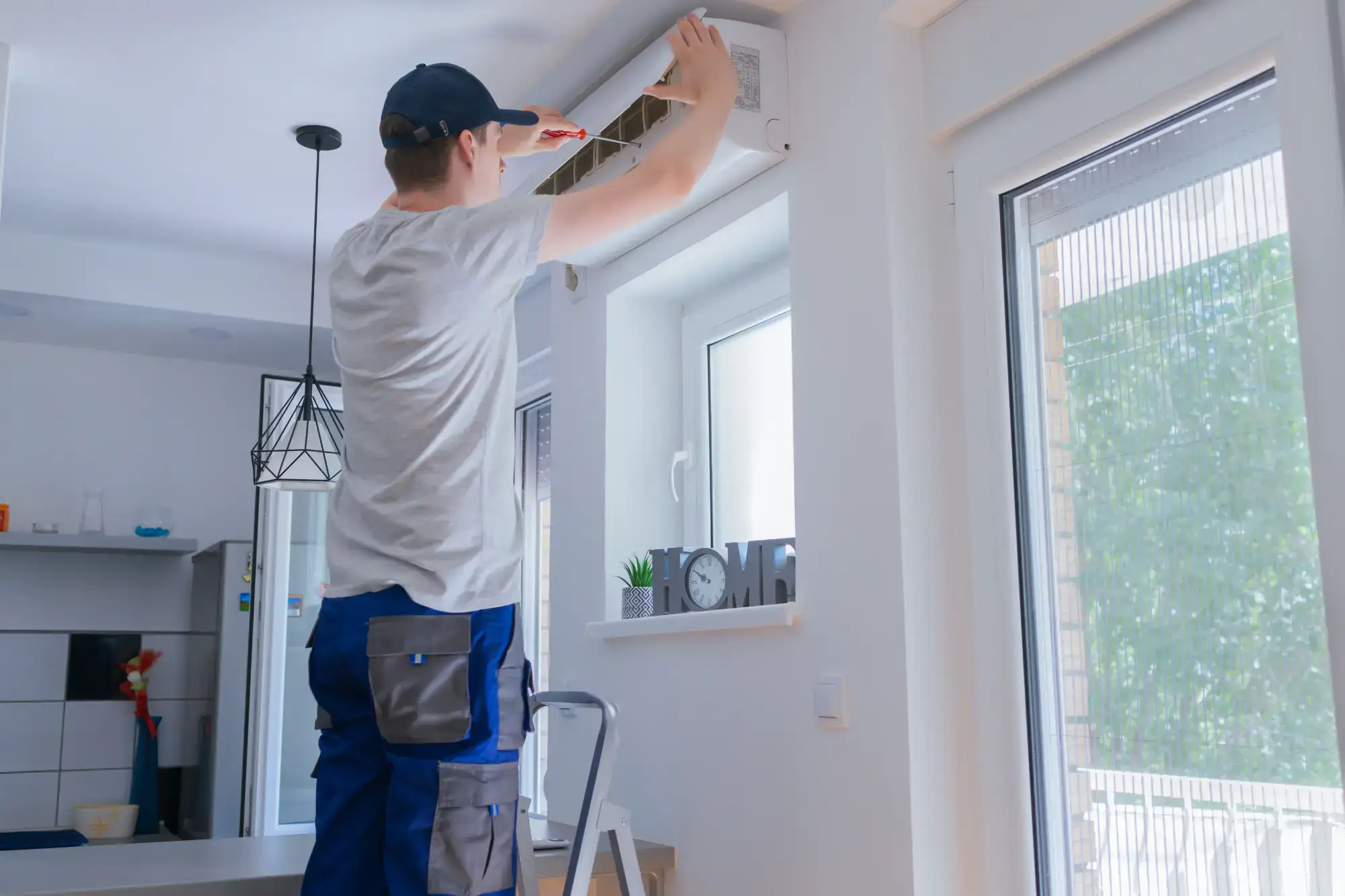
First, we calculate your actual cooling load. That means measuring your home, checking insulation, accounting for windows and sun exposure—not just reusing the old system’s tonnage. This step determines whether you need a 2-ton unit or a 4-ton unit, and getting it wrong costs you money every month.
Next, we inspect your ductwork and electrical system. Crushed flex ducts, undersized returns, and leaky joints kill performance no matter how good the equipment is. If your electrical panel can’t handle a modern AC unit—common in older Lakeview homes—we address that before installation day.
Installation includes pulling the required permit (mandatory for units over 3 tons in New York), setting the outdoor condenser on a level pad, mounting the indoor air handler, connecting refrigerant lines, and running final tests. We check airflow at every register, verify refrigerant charge, and make sure your thermostat is programmed correctly.
You’re left with documentation, warranty information, and a system that’s been commissioned properly. No surprises, no callbacks for issues that should’ve been caught on day one.

Ready to get started?
Every central AC unit installation in Lakeview, NY includes load calculations, duct inspection, permit acquisition, professional installation, and system commissioning. You’re also getting upfront pricing—no hidden fees or surprise charges after we’re halfway through the job.
We install all major brands: Carrier, Trane, Lennox, Rheem, Goodman, York. Equipment comes with manufacturer warranties ranging from 1 to 5 years on parts, and our labor warranty covers the installation itself. If something goes wrong because of how it was installed, we fix it.
Lakeview’s housing stock includes plenty of homes built before central air was standard. That means older electrical systems, tight attic spaces, and ductwork that may not exist at all. We handle those challenges daily—whether it’s upgrading your electrical panel, fabricating custom duct runs, or recommending a ductless mini-split system when traditional ducting isn’t feasible.
You’ll also get a walkthrough of your new system: how to change filters, what sounds are normal, when to schedule maintenance, and how to use your thermostat efficiently. Most service calls we see could’ve been avoided with a five-minute explanation on installation day.
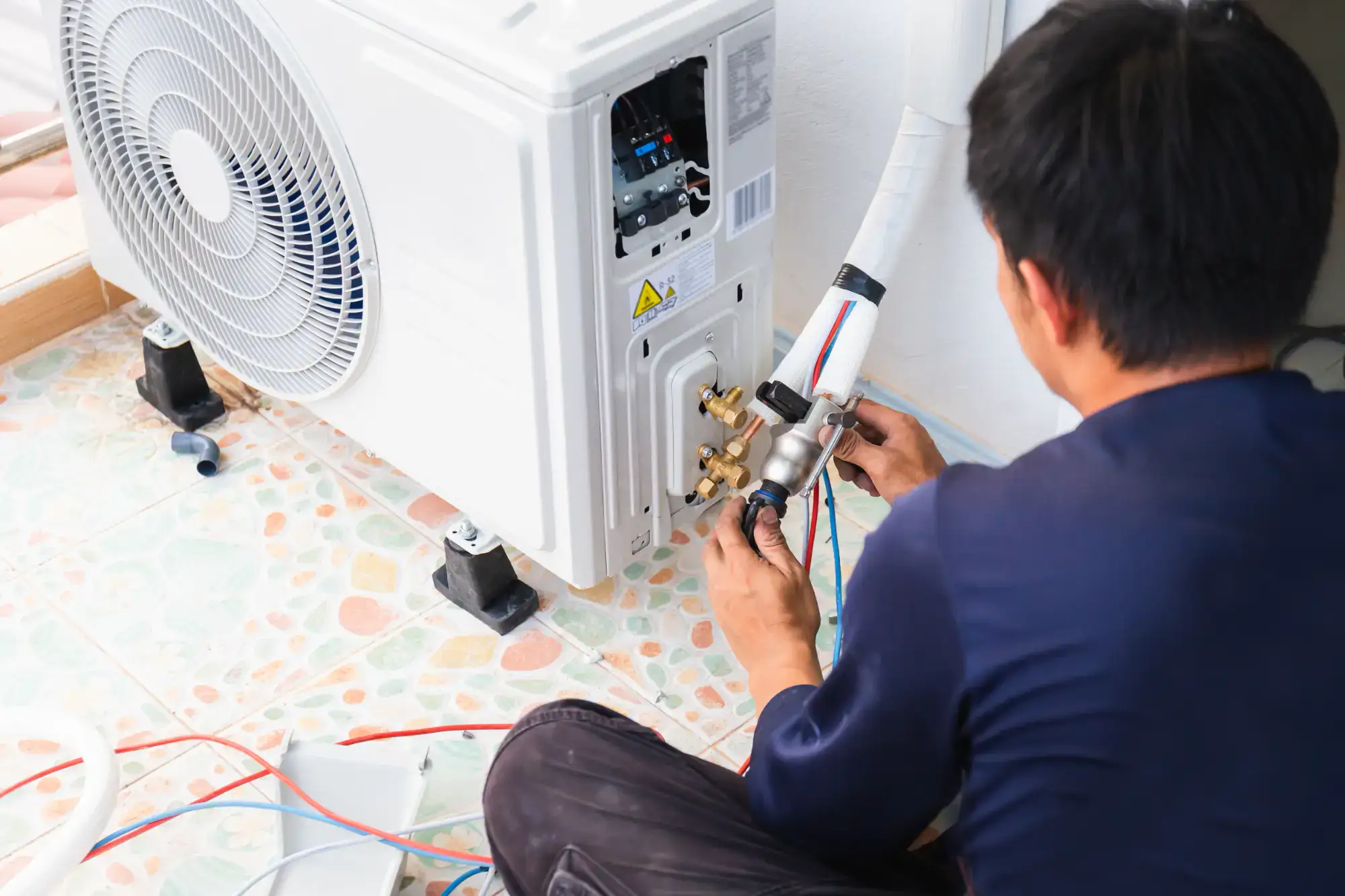
Most homeowners in Lakeview pay between $3,500 and $7,500 for a complete central air installation, depending on system size, brand, and whether ductwork modifications are needed. A straightforward replacement on existing ducts with adequate electrical capacity sits at the lower end. A full install with new duct runs, panel upgrades, or structural modifications runs higher.
The price includes the equipment, labor, permits, and commissioning. We give you the full number upfront—not an estimate that changes once we’re halfway done. If your home needs electrical work or duct repairs, we identify that during the initial assessment, not after we’ve already started tearing things apart.
Financing options are available if you’d rather spread the cost out. But the bigger cost is installing it wrong and paying for it in higher utility bills, premature failures, and comfort issues for the next 10 years.
Most installations take one to two days. A straightforward AC unit replacement in Lakeview, NY where we’re swapping an old system for a new one on existing ductwork usually wraps up in a single day. More complex jobs—adding central air to a home that never had it, rerouting ductwork, upgrading electrical panels—can take two days or longer.
We’re not rushing to hit some arbitrary timeline. If the ductwork needs adjustments or the refrigerant lines need custom bends to fit your home’s layout, that takes the time it takes. Cutting corners to finish faster just means you’re calling us back in six months when the system isn’t cooling properly.
You’ll have cooling by the end of the job, and we don’t leave until the system is running correctly and you understand how to operate it.
Yes. Any AC unit over 3 tons (36,000 BTU/hr) requires a work permit in New York, and all installations must meet local building and safety codes. We pull the permit as part of the installation process—it’s included in your quote.
Skipping the permit might save a few bucks upfront, but it creates problems later. If you ever sell your home, unpermitted work can delay or kill the sale. If something goes wrong and your homeowner’s insurance finds out the system wasn’t installed to code, they may deny your claim.
Permits also ensure the work gets inspected. That’s a good thing. It means a third party verifies the installation meets safety standards, the electrical work is sound, and the system is installed correctly. You want that documentation.
It depends on your home’s square footage, insulation, window placement, ceiling height, and sun exposure—not just the size of the old unit. A proper load calculation tells us exactly what capacity you need. Most Lakeview homes fall between 2 and 4 tons, but guessing based on square footage alone is how you end up with an oversized system that short-cycles and wastes energy.
An oversized unit cools the air quickly but shuts off before it removes humidity, leaving your home clammy and uncomfortable. An undersized unit runs constantly, struggles to keep up on hot days, and wears out faster. Both scenarios cost you money.
We run the load calculation before recommending equipment. It takes about 30 minutes and saves you from years of problems. If your home has had insulation upgrades, window replacements, or additions since the last system was installed, your cooling needs have changed—and your new system size should reflect that.
Yes. If your home doesn’t have ductwork—common in older Lakeview properties built before central air became standard—you have two main options: install new ductwork or go with a ductless mini-split system.
Installing ductwork involves running supply and return ducts through your attic, basement, or crawl space. It’s more invasive and takes longer, but it gives you true central air with vents in every room. Ductless mini-splits skip the ducts entirely—an outdoor condenser connects to indoor wall-mounted units via small refrigerant lines. Each indoor unit cools a specific zone, and you control them independently.
Ductless systems work well in homes where adding ducts isn’t practical due to layout, lack of attic space, or historic preservation concerns. They’re also more energy-efficient because you’re not losing cooled air through duct leaks. The tradeoff is aesthetic—you’ll have wall units visible in each room instead of discreet vents. We’ll walk you through both options and recommend what makes sense for your home’s layout and your budget.
Most central air systems last 12 to 15 years with regular maintenance. If your system is approaching that age and you’re seeing higher utility bills, frequent repairs, or uneven cooling, replacement makes more sense than dumping money into an aging unit.
Newer systems are significantly more efficient than models from even 10 years ago. A 16-SEER unit uses noticeably less electricity than a 14-SEER model, and modern systems include features like variable-speed compressors and smart thermostats that older units lack. The energy savings alone can offset a portion of the replacement cost over the system’s lifespan.
If your current system uses R-22 refrigerant (Freon), replacement is especially worth considering. R-22 is being phased out, making repairs increasingly expensive as the refrigerant becomes scarce. Replacing old AC systems with new units that use modern refrigerants protects you from future repair costs and gives you better efficiency, quieter operation, and more consistent comfort.