

You walk into a home that feels cool in every room, not just the one closest to the unit. Your energy bills stay predictable because the system isn’t running nonstop trying to catch up. You’re not calling for repairs three months after installation because someone cut corners.
When you replace an old AC system with a new unit that’s properly sized and installed, you get years of reliable cooling. Not constant thermostat adjustments. Not hot spots in the bedrooms. Just consistent comfort when you need it.
Most homes in Little Neck were built between the 1940s and 1970s. That means older electrical systems, unique layouts, and specific installation requirements. A system that works in a newer home might overload your circuit breaker or never cool properly because it wasn’t matched to your space. Getting it right the first time means understanding what your home actually needs.
We’re licensed, insured, and trained on equipment from every major manufacturer. We’ve handled AC installations throughout Little Neck and the surrounding area long enough to know what works in these homes and what doesn’t.
When you’re dealing with older homes that need electrical upgrades or ductwork modifications, experience matters. We coordinate with licensed electricians when your panel needs an upgrade. We pull the right permits and schedule inspections so everything meets local building codes.
You’re not getting a national chain that sends different crews every time. You’re working with people who live and work in this community, and our reputation depends on doing the job correctly.
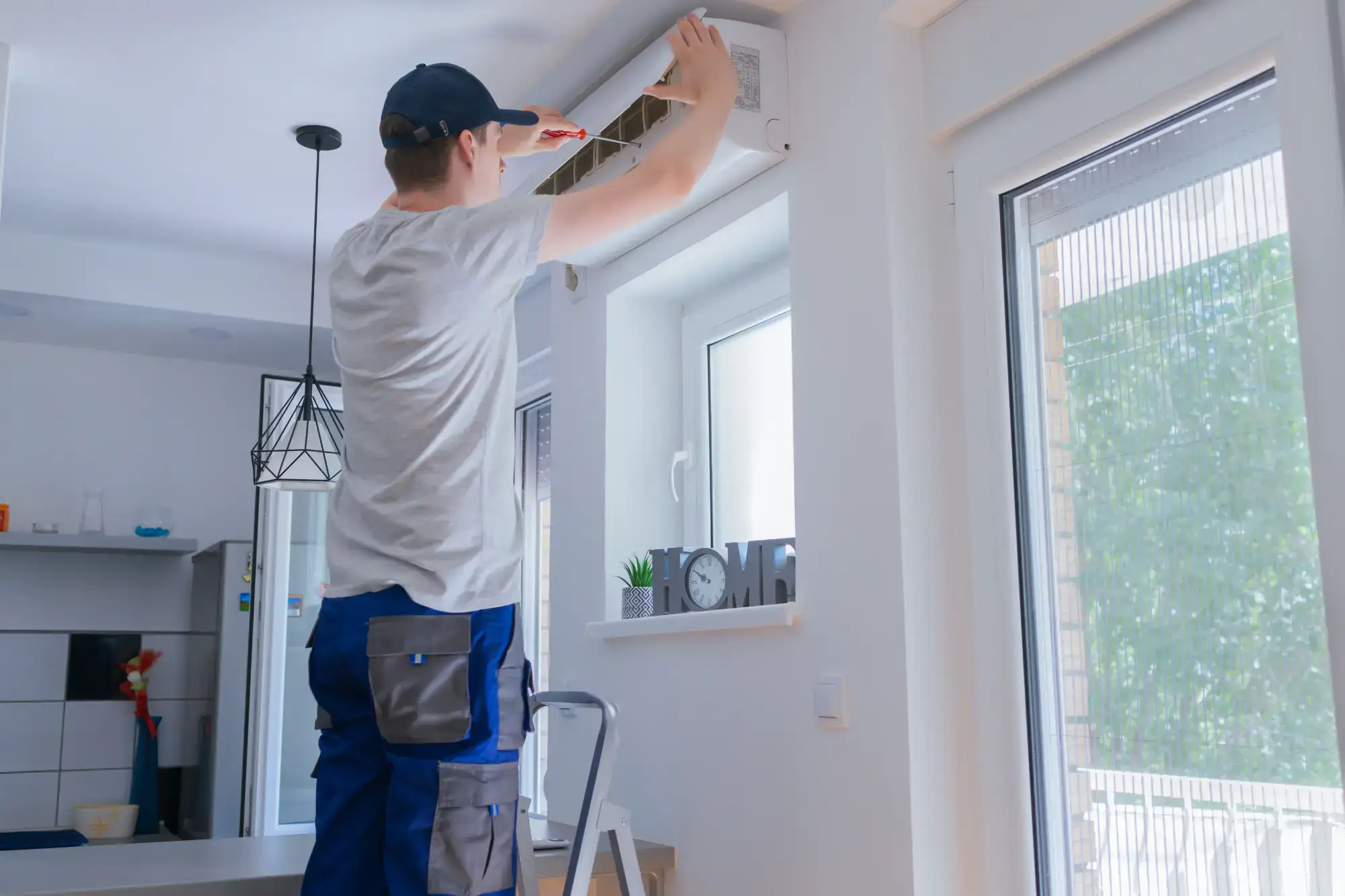
We start with an assessment of your home. That means looking at square footage, insulation, window placement, and your current electrical capacity. If your home was built before 1970, there’s a good chance your electrical panel will need an upgrade to safely handle a modern central air system.
Once we know what your home needs, we recommend the right system size and type. Undersized units run constantly and never cool properly. Oversized units cycle on and off too quickly, leaving you with humidity problems and uneven temperatures. Proper sizing matters more than most people realize.
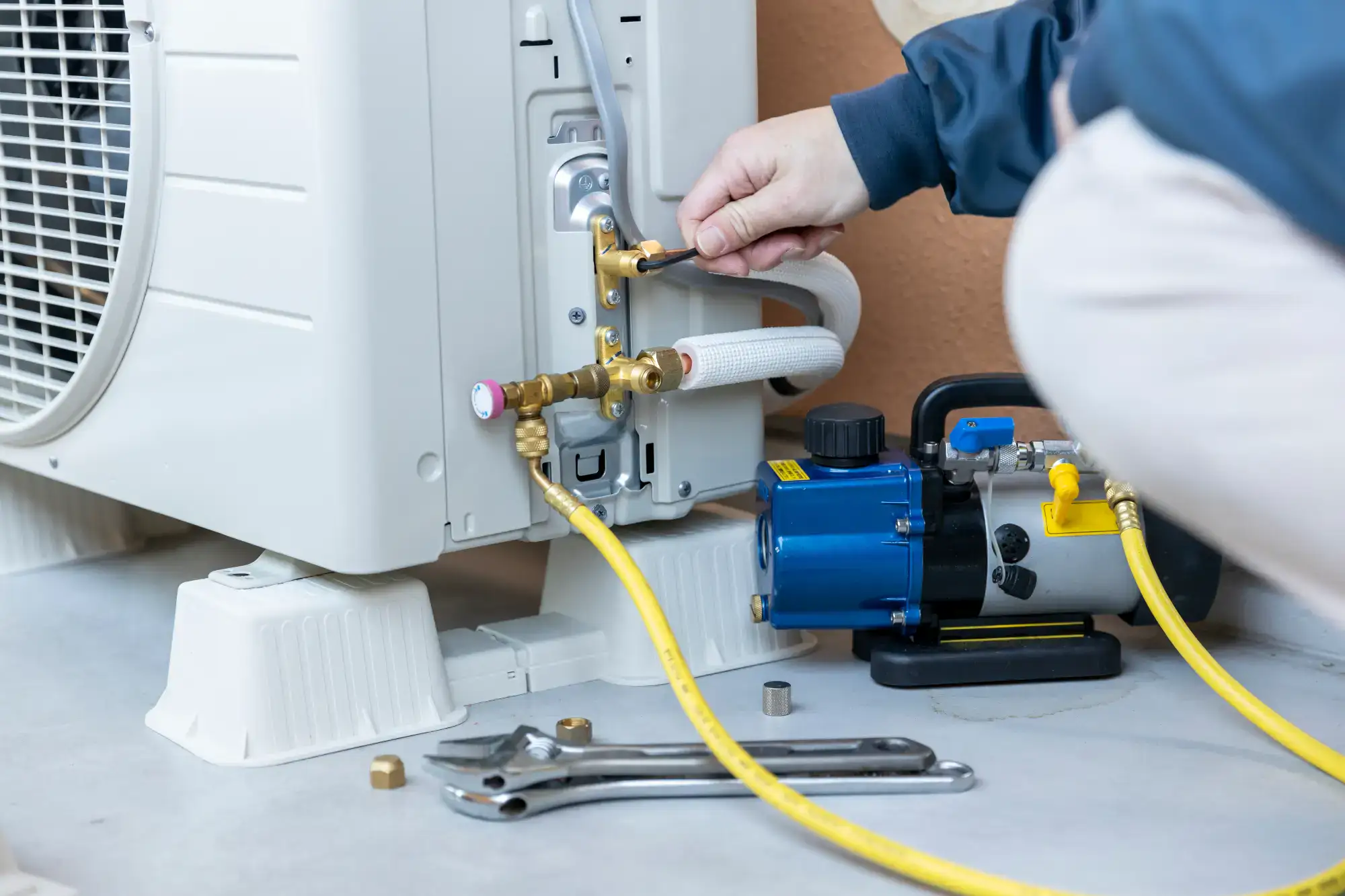
Installation day means protecting your floors and furniture, running refrigerant lines, connecting electrical, setting up condensate drainage, and mounting both the indoor and outdoor units. We test everything before we leave. That includes checking refrigerant levels, airflow, thermostat operation, and making sure every room is getting the airflow it should.
If permits are required, we handle the paperwork and coordinate inspections. You don’t have to chase down approvals or worry about whether something meets code.

Ready to get started?
Every air conditioning installation in Little Neck includes a full load calculation to determine the right system size for your home. You also get electrical assessment and coordination with licensed electricians if your panel needs upgrading. We install the indoor air handler, outdoor condenser, refrigerant lines, condensate drainage, and thermostat wiring.
We handle permits when they’re required and make sure everything passes inspection. You get manufacturer warranty coverage on the equipment plus our workmanship warranty on the installation itself.
Little Neck is expected to see a 128% increase in days over 97°F over the next 30 years. That’s going from 8 extremely hot days to 16. Your cooling system isn’t just about comfort right now. It’s about having reliable equipment that can handle hotter summers ahead without constant repairs or replacements.
If you’re considering a ductless mini-split installation instead of central air, we install those too. Many homeowners in older Little Neck homes choose mini-splits because they don’t require ductwork and offer zone control. You cool the rooms you’re actually using instead of running one system for the entire house.
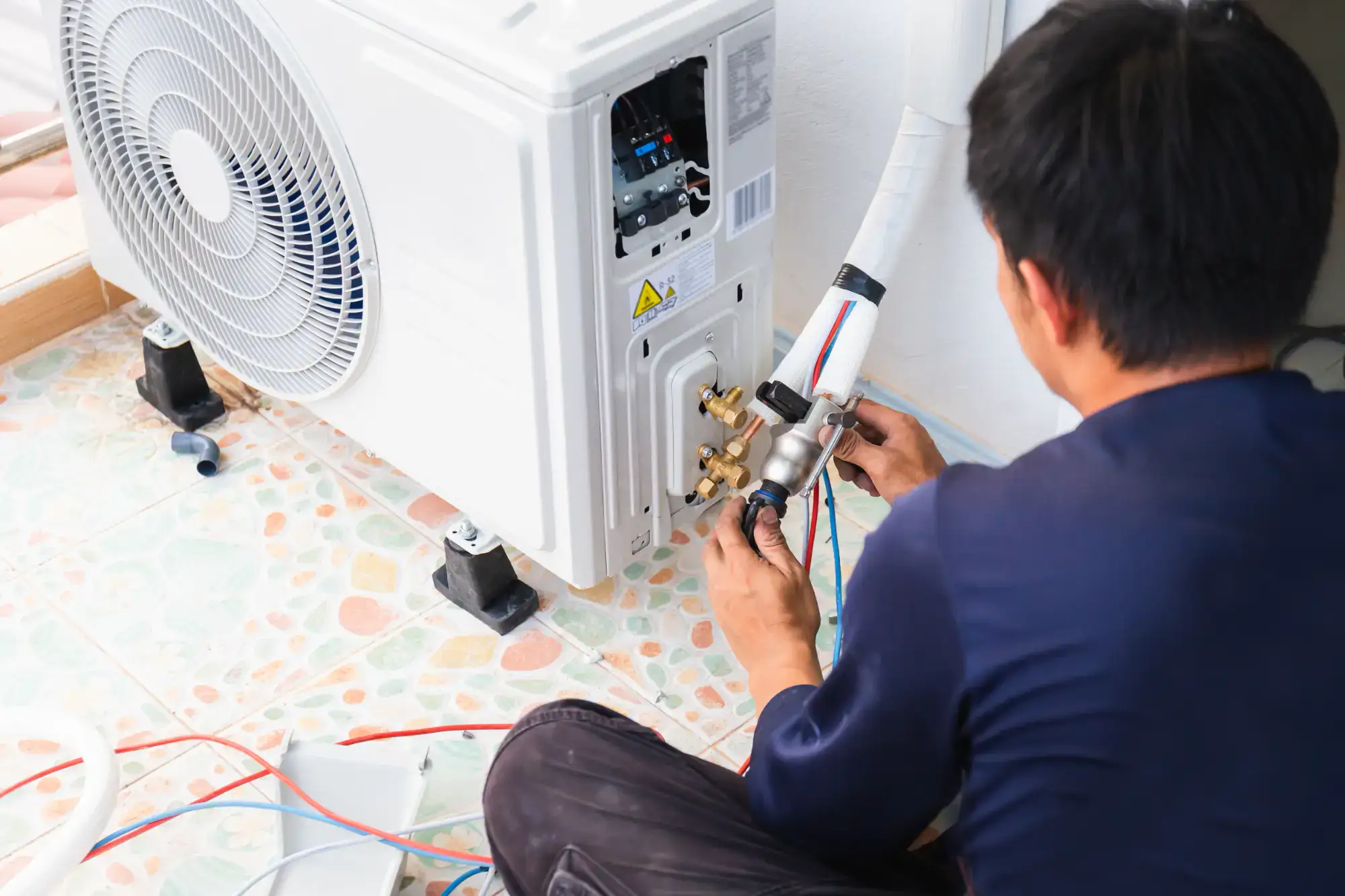
Most homes in Little Neck built before the 1970s have electrical panels designed for much lower power demands than modern central air systems require. If your panel is 100 amps or less, or if you’re already experiencing dimming lights or tripped breakers, you’ll likely need an electrical upgrade before we can safely install a new AC system.
We assess your electrical capacity during the initial consultation. If an upgrade is needed, we coordinate with licensed electricians to handle the panel upgrade, new circuit installation, and any other electrical work required. This isn’t optional. Installing a system on inadequate electrical service creates safety hazards and will cause constant problems.
The good news is that once your electrical system is upgraded, you’re set for modern appliances and future home improvements. It’s an investment that benefits more than just your AC installation.
System sizing requires a load calculation that factors in your home’s square footage, insulation levels, window placement, ceiling height, and how much sun exposure you get. We don’t guess based on square footage alone because that’s how you end up with systems that don’t work properly.
An undersized system runs constantly during hot weather and never brings your home to a comfortable temperature. You’ll have high energy bills and a system that wears out faster because it’s working overtime. An oversized system cycles on and off too quickly, which means it doesn’t run long enough to remove humidity from the air. You end up with a cold, clammy house instead of comfortable, dry air.
We perform a Manual J load calculation for every installation. It’s the industry standard for proper sizing, and it’s the only way to match the right equipment to your specific home. This matters even more in Little Neck’s humid climate where moisture removal is just as important as temperature control.
Most AC installations in Little Neck require both electrical and mechanical permits, especially if you’re replacing an old system with a new unit that has different electrical requirements or if any ductwork modifications are involved. The permit process includes plan submission, approval, installation, and final inspection.
We handle the permit applications and coordinate with local inspectors to schedule the required inspections. This protects you as the homeowner because it ensures everything meets current building codes and safety standards. It also matters for your home’s value and your insurance coverage.
Some homeowners try to skip permits to save money or time, but that creates problems down the road. If you ever sell your home, unpermitted work can delay or kill a sale. If something goes wrong with the installation, your insurance may not cover damages from unpermitted work. It’s not worth the risk, and we don’t cut corners on code compliance.
Central air uses ductwork to distribute cool air throughout your entire home from one indoor unit. Ductless mini-splits use individual air handlers mounted in specific rooms or zones, with no ductwork required. Each system has advantages depending on your home’s layout and your cooling needs.
Central air makes sense if you already have ductwork in good condition and you want whole-home cooling controlled from one thermostat. It’s often more cost-effective for larger homes where you’re cooling most rooms regularly. Ductless mini-splits work well in older Little Neck homes without existing ductwork, homes with additions that aren’t connected to the main system, or situations where you want independent temperature control in different areas.
Mini-splits also offer better energy efficiency if you’re only cooling certain rooms. Instead of cooling your entire house when you’re only using the living room and bedrooms, you run the individual units where you need them. Many homeowners with older homes choose mini-splits specifically to avoid the cost and disruption of installing ductwork throughout the house.
A straightforward central air installation in a home with existing ductwork and adequate electrical service typically takes one full day. That includes mounting the outdoor condenser, installing the indoor air handler, running refrigerant lines, connecting electrical, setting up drainage, and testing the complete system.
If your home needs electrical upgrades, add another day or two for the electrician to upgrade your panel and run new circuits. If we’re installing ductwork or making significant modifications to existing ducts, that extends the timeline depending on your home’s layout and accessibility.
Ductless mini-split installations are usually faster. A single-zone system can often be installed in half a day. Multi-zone systems with several indoor units take longer, but you’re still typically looking at one day for most residential installations. We’ll give you a specific timeline during your consultation based on what your home requires.
Federal tax credits currently allow you to claim 30% of the cost, up to $2,000, when you install qualifying high-efficiency heat pumps or central air systems. The equipment must meet specific efficiency ratings to qualify, and the credit applies to systems purchased and installed between January 1, 2023, and December 31, 2025.
Some utility companies also offer rebates for upgrading to energy-efficient cooling systems, though availability and amounts vary. We can point you toward current rebate programs when we discuss equipment options. The key is choosing a system that qualifies before installation, not trying to claim credits afterward on equipment that doesn’t meet the requirements.
These incentives exist because energy-efficient systems reduce overall power consumption, which benefits both homeowners and the electrical grid. With air conditioning accounting for about 12% of home electricity use, upgrading to a high-efficiency system makes a measurable difference in your annual energy costs. The tax credit helps offset the upfront investment in better equipment.