
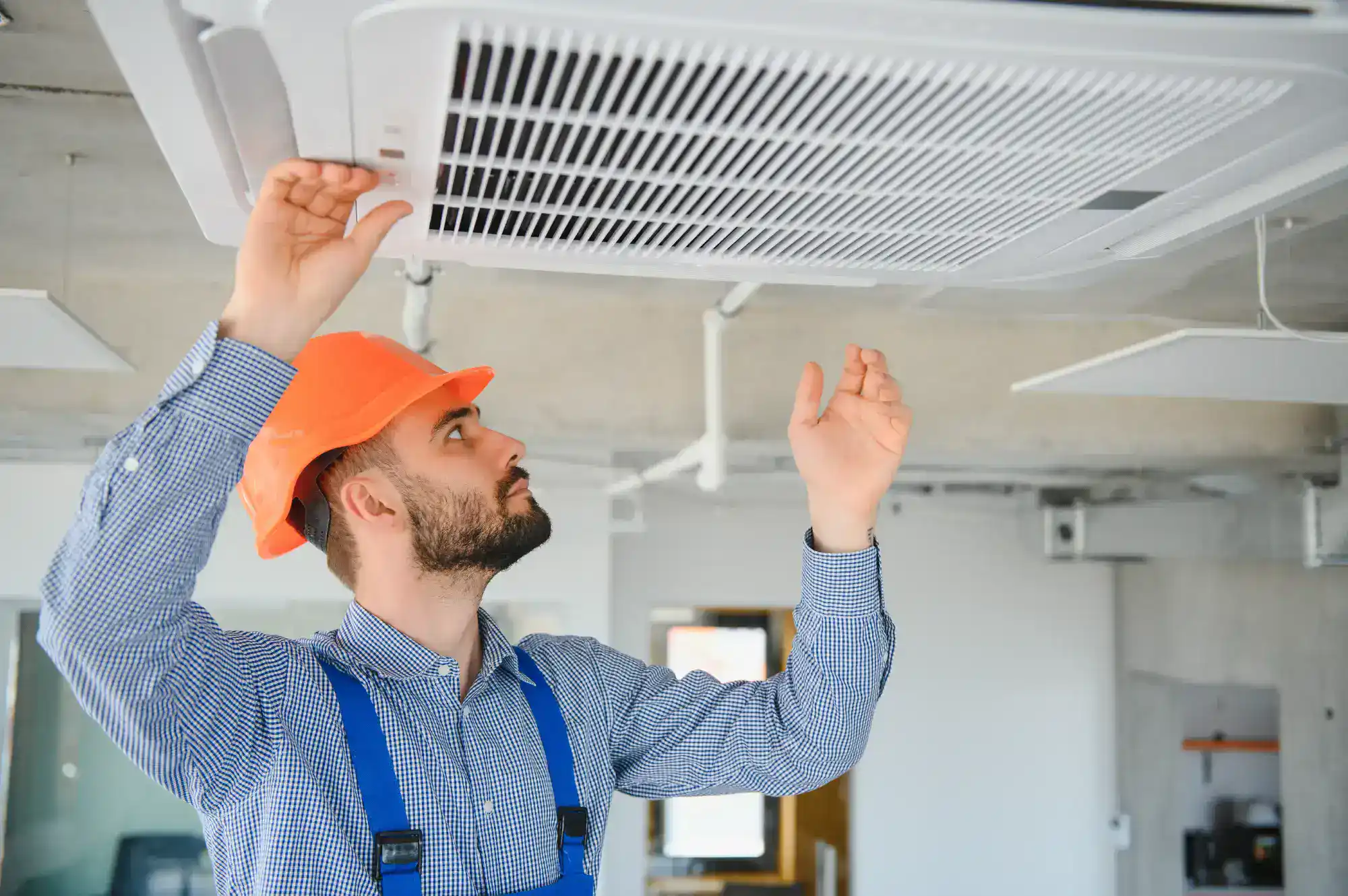
When your air conditioning installation in Long Beach, NY is done right, you’re not calling for repairs every summer. You’re not dealing with uneven cooling or watching your electric bill climb because the system’s working twice as hard as it should.
Proper installation means the equipment is sized correctly for your space and the coastal conditions here. It means refrigerant levels are exact, airflow is balanced, and every connection is sealed against the humidity that eats away at poorly installed systems.
You get consistent temperatures in every room. You get a system that runs efficiently instead of burning through energy. And you get years added to the lifespan of equipment that wasn’t cheap to begin with. That’s what happens when the job’s done by someone who knows what they’re doing.
We work across Nassau County, and we’ve seen what happens when AC systems aren’t installed with the coast in mind. Salt air corrodes coils. Humidity strains compressors. Storm seasons put extra demand on equipment that’s already working hard.
We’re not new to this. We’re local, licensed, and we focus on getting the installation right the first time so you’re not dealing with problems down the road.
When we say we understand Long Beach, NY, we mean we know what your system is up against. We size equipment for your actual cooling load, not what a chart says. We use quality brands like Trane and Carrier. And we give you a full breakdown of what’s happening and why, because you’re making a significant investment and you deserve to know exactly what you’re getting.
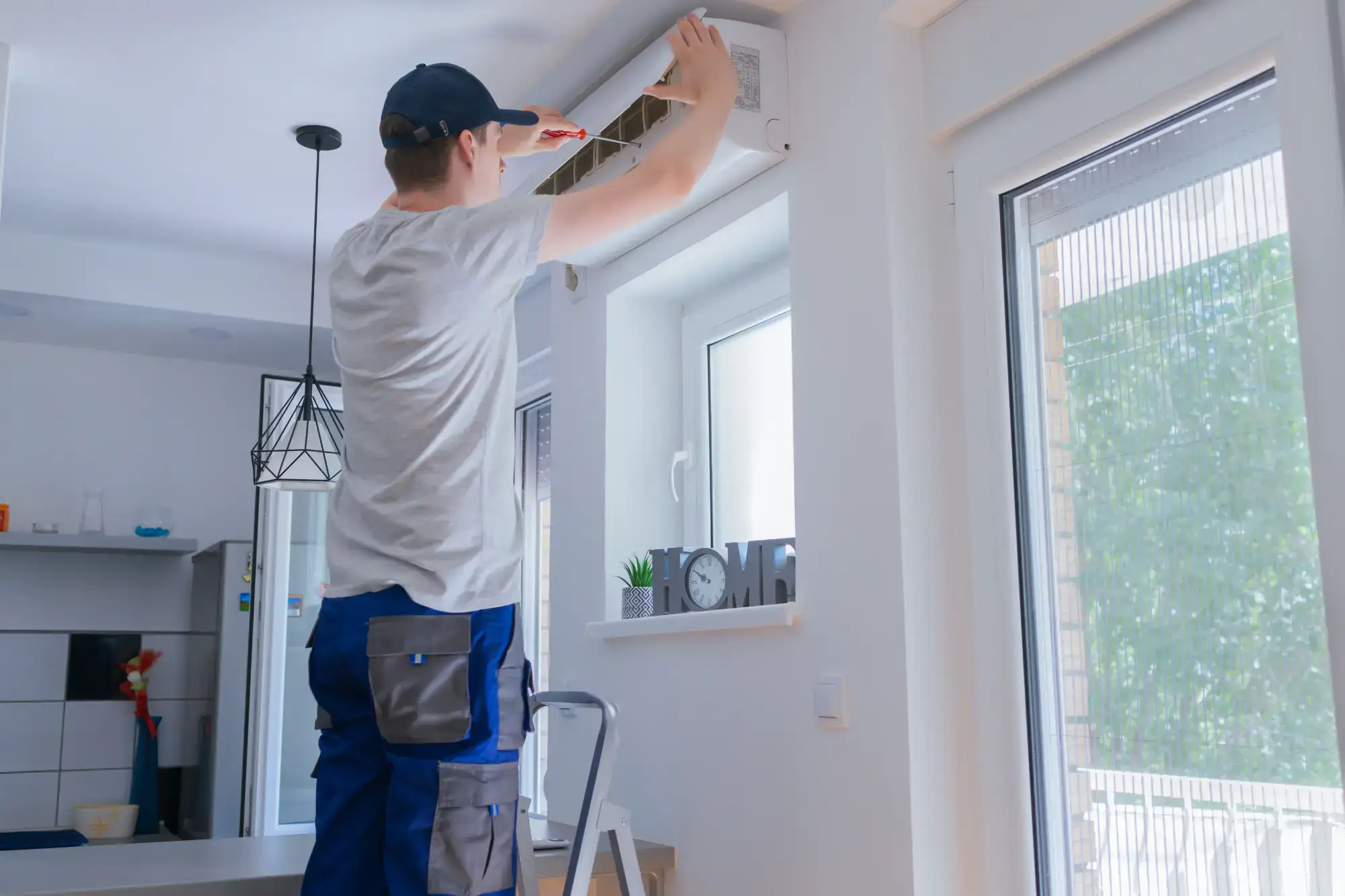
We start with an in-home assessment. That means looking at your space, your existing ductwork if you have it, and the specific cooling demands of your home. We’re measuring square footage, checking insulation, and factoring in things like sun exposure and how many windows you have. This isn’t a quick estimate over the phone.
Once we know what you need, we walk you through equipment options. We explain the difference between efficiency ratings, what warranties cover, and what makes sense for your budget and your home. You get a detailed quote with no hidden fees.
On installation day, we remove your old system if you’re replacing one, install the new equipment, connect or modify ductwork as needed, and test everything. We check refrigerant levels, airflow, and run a full system diagnostic. You get a printout showing exactly how your new system is performing. Then we walk you through operation, maintenance basics, and what to watch for. The whole process typically takes one to two days depending on the complexity of the job.

Ready to get started?
Your home AC installation in Long Beach, NY includes complete removal and disposal of your old system if you’re replacing one. We handle all the heavy lifting and haul-away so you don’t have to deal with it.
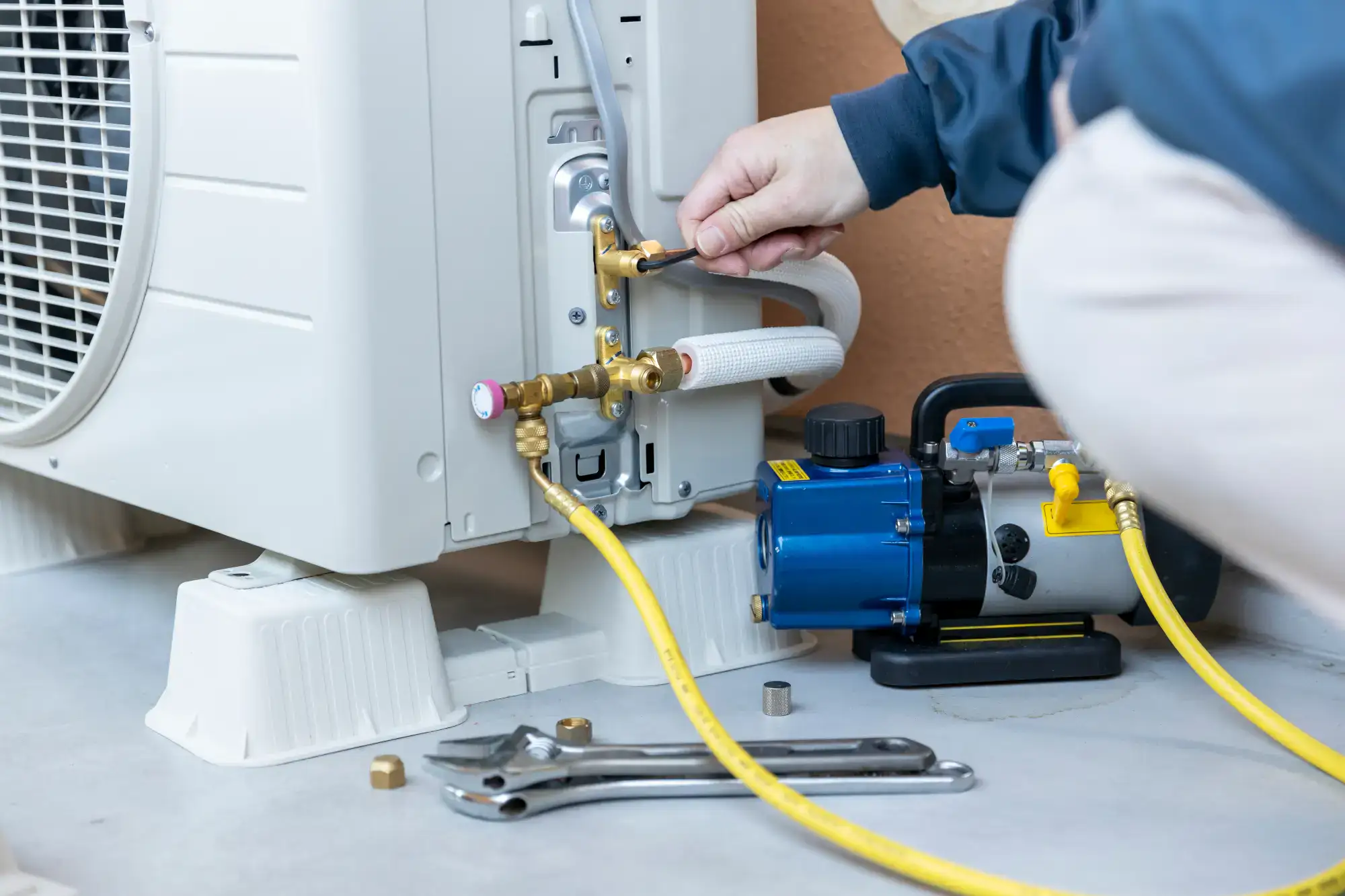
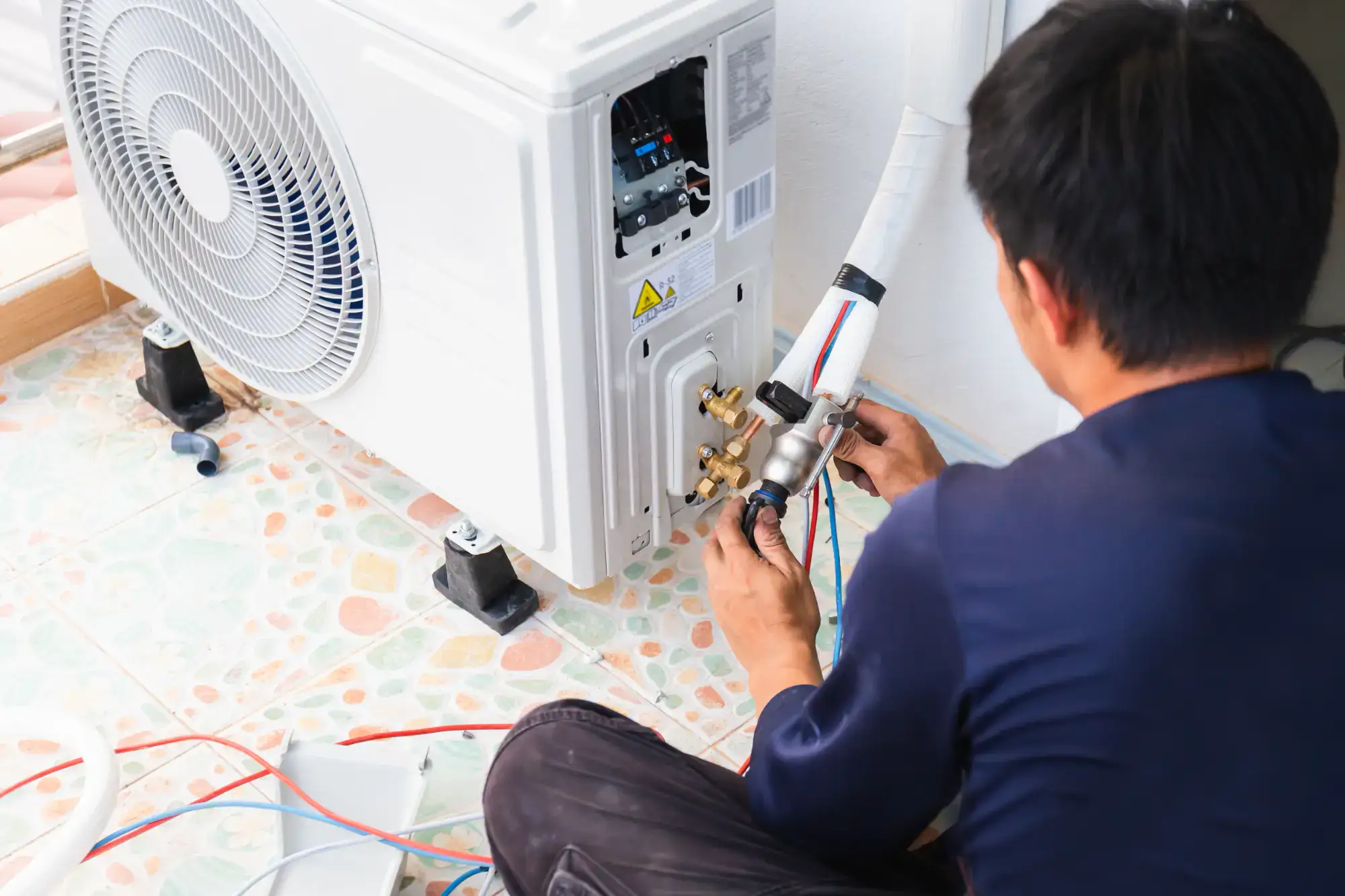
You get professional installation of your new indoor and outdoor units, all refrigerant line connections, electrical wiring, condensate drainage, and thermostat setup. If your ductwork needs modification or repair to work properly with the new system, we handle that too. We don’t cut corners on airflow.
Every installation includes a full system startup, performance testing, and a digital combustion analysis printout that shows your system’s efficiency. You’ll see exactly how it’s running. We also provide a complete walkthrough of your new equipment, warranty registration, and ongoing service support. If something goes wrong, you’re not calling a stranger.
Long Beach’s coastal environment means we pay extra attention to corrosion protection and humidity management. We use materials rated for salt air exposure and make sure your system is set up to handle the moisture levels you deal with here year-round.
Most homeowners in Long Beach, NY spend between $3,500 and $8,000 for a complete central air installation, though the range can extend to $10,500 depending on the system you choose. That includes equipment, labor, and all the connections and modifications needed to get your system running properly.
The final cost depends on the size of your home, the efficiency rating you choose, whether you need ductwork modifications, and the brand of equipment you select. A basic 2-ton system for a smaller home costs less than a 4-ton high-efficiency unit for a larger house. Ductless mini-split systems run $3,200 to $10,500 depending on how many zones you’re cooling.
We give you a detailed quote after assessing your home so you know exactly what you’re paying for. No surprises, no hidden fees. And if you’re replacing an old system, we include removal and disposal in that price.
A properly installed and maintained AC system typically lasts 15 to 20 years. But here in Long Beach, NY, that lifespan can drop to 10 to 12 years if the system isn’t designed for coastal conditions or if maintenance gets skipped.
Salt air accelerates corrosion on outdoor units. Humidity puts extra strain on compressors and coils. If your system wasn’t installed with those factors in mind, or if you’re not getting annual maintenance, you’ll see problems sooner. Clogged coils, refrigerant leaks, and compressor failures are common in coastal areas when systems aren’t properly maintained.
Regular maintenance extends the life of your equipment significantly. That means annual inspections, coil cleaning, refrigerant checks, and addressing small issues before they become expensive failures. We see well-maintained systems in Long Beach hit that 15 to 18-year mark regularly. The ones that fail early are almost always the ones that got ignored.
The right size depends on your home’s square footage, insulation quality, ceiling height, window count, sun exposure, and how many people live there. A 1,200 square foot home might need a 2-ton system, while a 2,400 square foot home could need 4 tons. But those are rough estimates. The only way to know for sure is a proper load calculation.
Oversized systems cycle on and off too frequently, which wastes energy and doesn’t remove humidity effectively. Undersized systems run constantly and never quite cool your home, especially during Long Beach’s humid summer months. Both scenarios cost you money and shorten equipment life.
We perform a detailed assessment before recommending equipment. We’re measuring your actual cooling load, not guessing based on square footage alone. That’s how you end up with a system that keeps your home comfortable without burning through electricity or breaking down prematurely.
If your system is over 10 years old, repairs are costing more than $500, or you’re calling for service multiple times per season, replacement usually makes more sense. Older systems use more energy, and repair costs add up quickly when major components start failing.
Here’s a quick rule: multiply the repair cost by the age of your system. If that number exceeds $5,000, replace it. A $600 repair on a 12-year-old system equals $7,200, which tells you you’re better off investing in new equipment. You’ll also see immediate savings on your electric bill with a newer, more efficient system.
New AC units must meet higher efficiency standards as of 2024, which means lower operating costs. If your current system is limping along with an efficiency rating below 14 SEER, you’re paying significantly more to cool your home than you would with a modern system rated at 16 SEER or higher. We can show you the math on what that saves you annually.
You don’t necessarily need a “special” system, but you do need equipment and installation practices that account for salt air and high humidity. Coastal environments are harder on HVAC equipment than inland areas. Corrosion happens faster, coils get clogged more frequently, and humidity puts extra strain on the system’s ability to dehumidify your home.
We use corrosion-resistant materials on outdoor components and make sure coils are positioned and protected to minimize salt air exposure. We also size systems to handle the humidity load, not just the temperature. That’s critical in Long Beach, NY, where muggy conditions are common throughout summer.
Regular maintenance becomes even more important in coastal areas. Annual coil cleaning and inspections catch corrosion early before it becomes a major problem. We’ve seen outdoor units near the water fail in 7 to 8 years when they’re not maintained, while properly serviced systems in the same area last 15 years or more.
Most residential AC installations take one to two days from start to finish. Straightforward replacements where we’re swapping out an old system for a new one and the ductwork is in good shape usually take one full day. More complex jobs that involve ductwork modifications, electrical upgrades, or multi-zone systems can take two days.
If you’re dealing with an emergency replacement during a heat wave, we prioritize getting you back up and running as quickly as possible. We keep common equipment in stock and can often schedule emergency installations within 24 to 48 hours depending on current demand.
The timeline also depends on the type of system you’re installing. A central AC unit replacement is faster than a new ductless mini-split installation with multiple zones. We give you a clear timeline during the estimate so you know what to expect and can plan accordingly.