
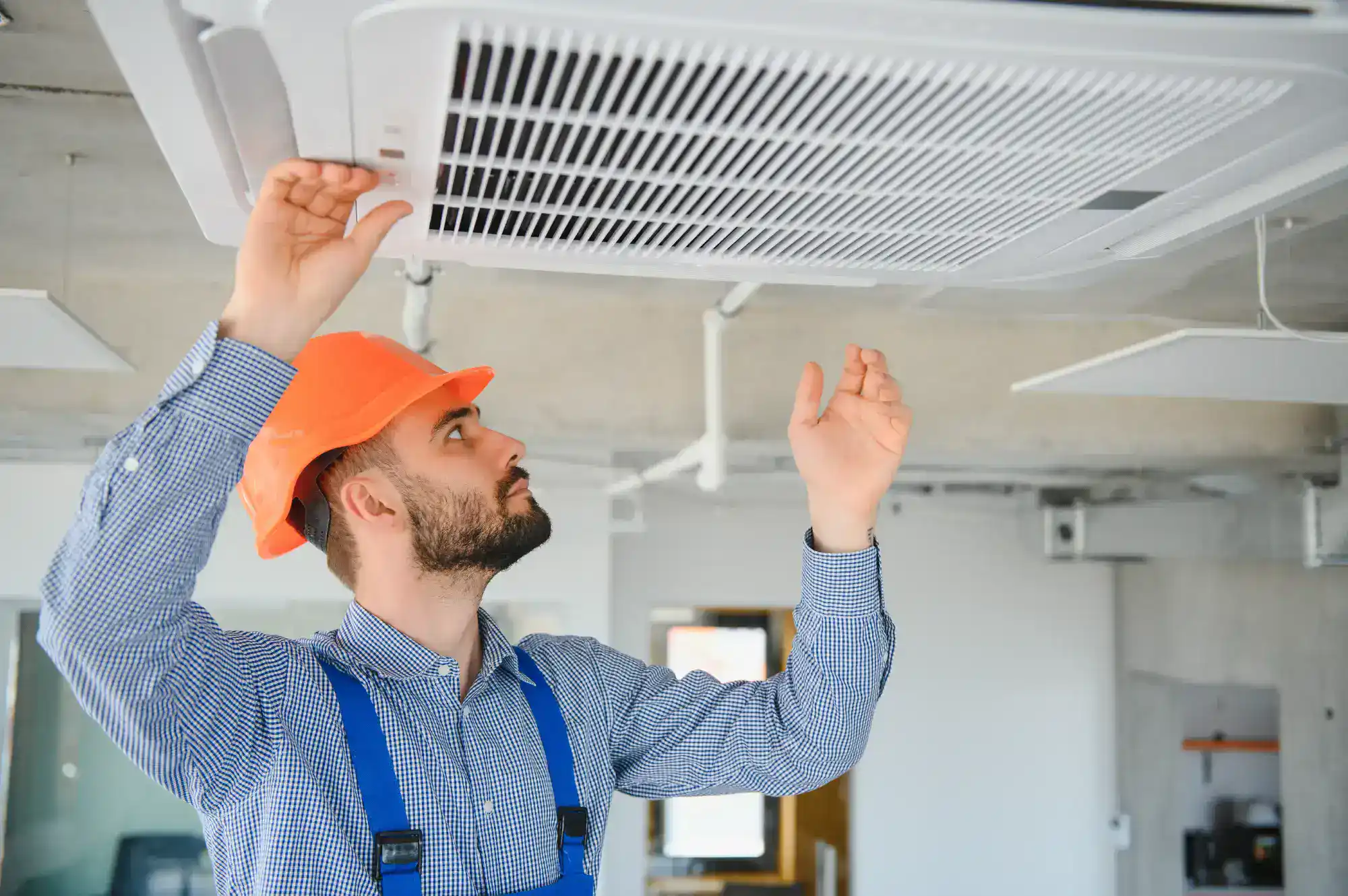
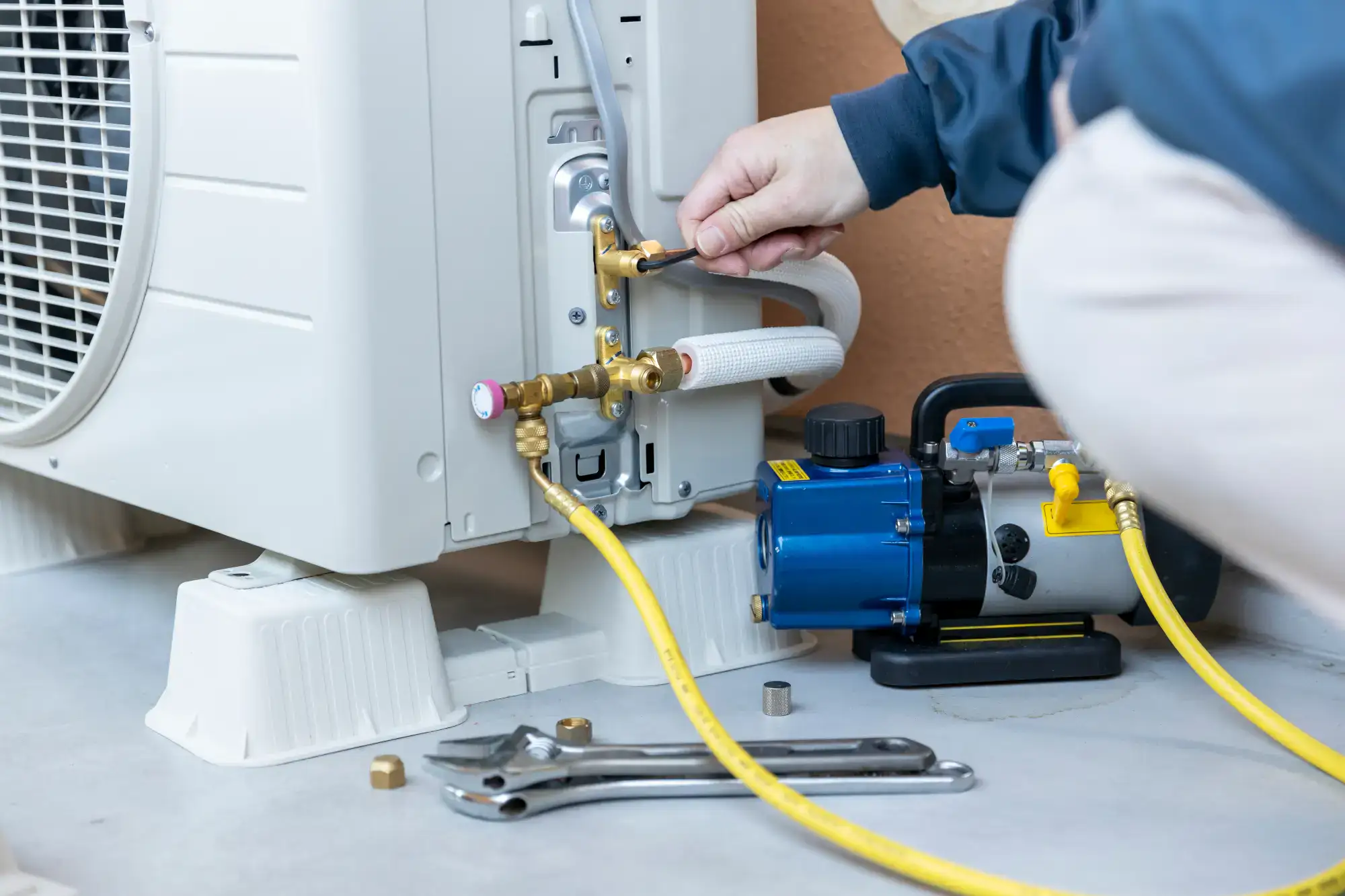
You’re done sweating through another Murray Hill summer with a system that barely keeps up. When your AC runs efficiently, your electricity bills drop and your home stays comfortable even when it’s 95 degrees outside with humidity that makes it feel like 105.
A properly sized and installed central air system means you’re not cranking the thermostat down to 65 just to feel 72. You’re not hearing strange noises at 2 AM wondering if it’ll make it through the night. You’re not calling for emergency repairs every few weeks because the installation was rushed.
You get consistent temperatures in every room. You get a system that runs quietly and doesn’t spike your electric bill every month. You get equipment from brands like Trane and Carrier that actually last, backed by warranties that matter. And when you need service down the road, you’re calling people who already know your system because we’re the ones who installed it.
We’ve been keeping Queens residents cool for years, and Murray Hill is part of our service area. Our technicians live and work here—they understand the building types, the heat island effect in this part of the city, and what systems actually hold up in NYC conditions.
We’re fully licensed and insured, which matters more than most people realize until something goes wrong. We don’t send salespeople to your home—we send technicians who can give you an honest assessment and a transparent quote. No hidden fees, no pressure to upgrade to things you don’t need.
When we say we’ll be there, we show up. When we quote a price, that’s what you pay. And when we install your system, we stand behind the work with real guarantees.
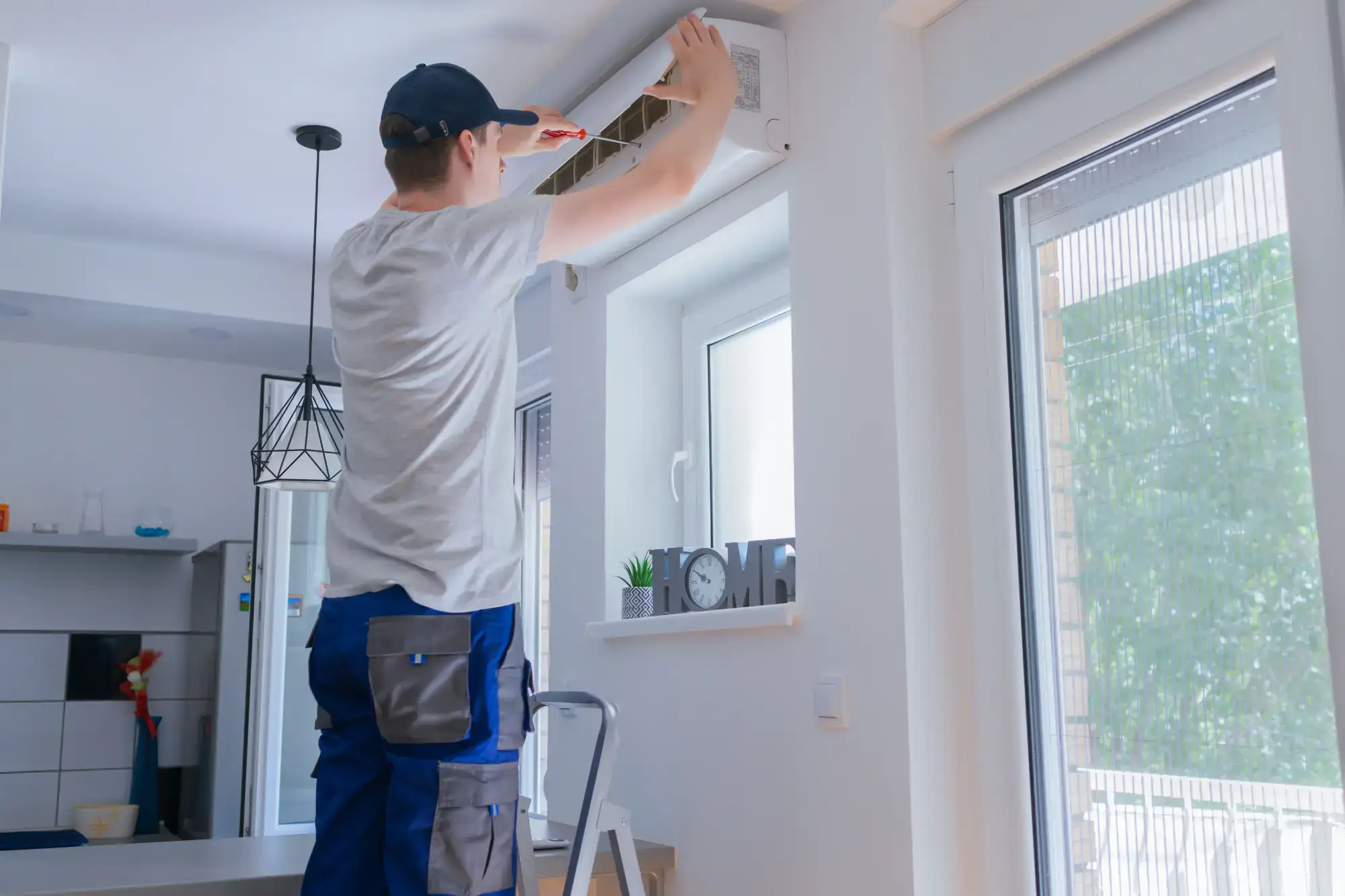
First, we come out to look at your space. We’re measuring rooms, checking electrical capacity, looking at ductwork if you have it, and figuring out what size system you actually need. Undersized units run constantly and die early. Oversized units cycle on and off too much and don’t dehumidify properly. We size it right.
Then we give you a written estimate with equipment options. We’ll explain the difference between a 14 SEER system and an 18 SEER system in terms you can understand—how much each costs upfront and how much each will cost you monthly in electricity. You decide what makes sense for your budget and your home.
Installation day, we show up on time with everything we need. Most residential jobs in Murray Hill get done the same day. We’re installing the outdoor unit, connecting refrigerant lines, setting up the indoor components, running electrical, testing everything, and making sure it’s cooling properly before we leave. You get a walkthrough of how to use your new system and what to watch for. Then we clean up and you’re done.

Ready to get started?
You’re getting a complete system installation with equipment that’s properly sized for your space. That includes the outdoor condenser unit, indoor air handler or furnace with coil, refrigerant lines, electrical connections, thermostat, and all the labor to put it together correctly.
We do a complete load calculation before recommending equipment. In Murray Hill, where you’ve got everything from pre-war walk-ups to newer high-rises, building characteristics matter. Ceiling height, insulation, window exposure, how many floors you’re cooling—it all factors into what size system you need.
NYC electricity rates average 23.4 cents per kilowatt-hour, which is higher than most of the country. That means efficiency upgrades pay for themselves faster here. Moving from a 14 SEER system to an 18 SEER system cuts your cooling costs by about 20-25% every summer. Over ten years, that adds up.
We also handle permits and make sure everything meets code. NYC has specific requirements for AC installations, and we know what inspectors look for. You’re not dealing with any of that—we handle the paperwork and the inspections.
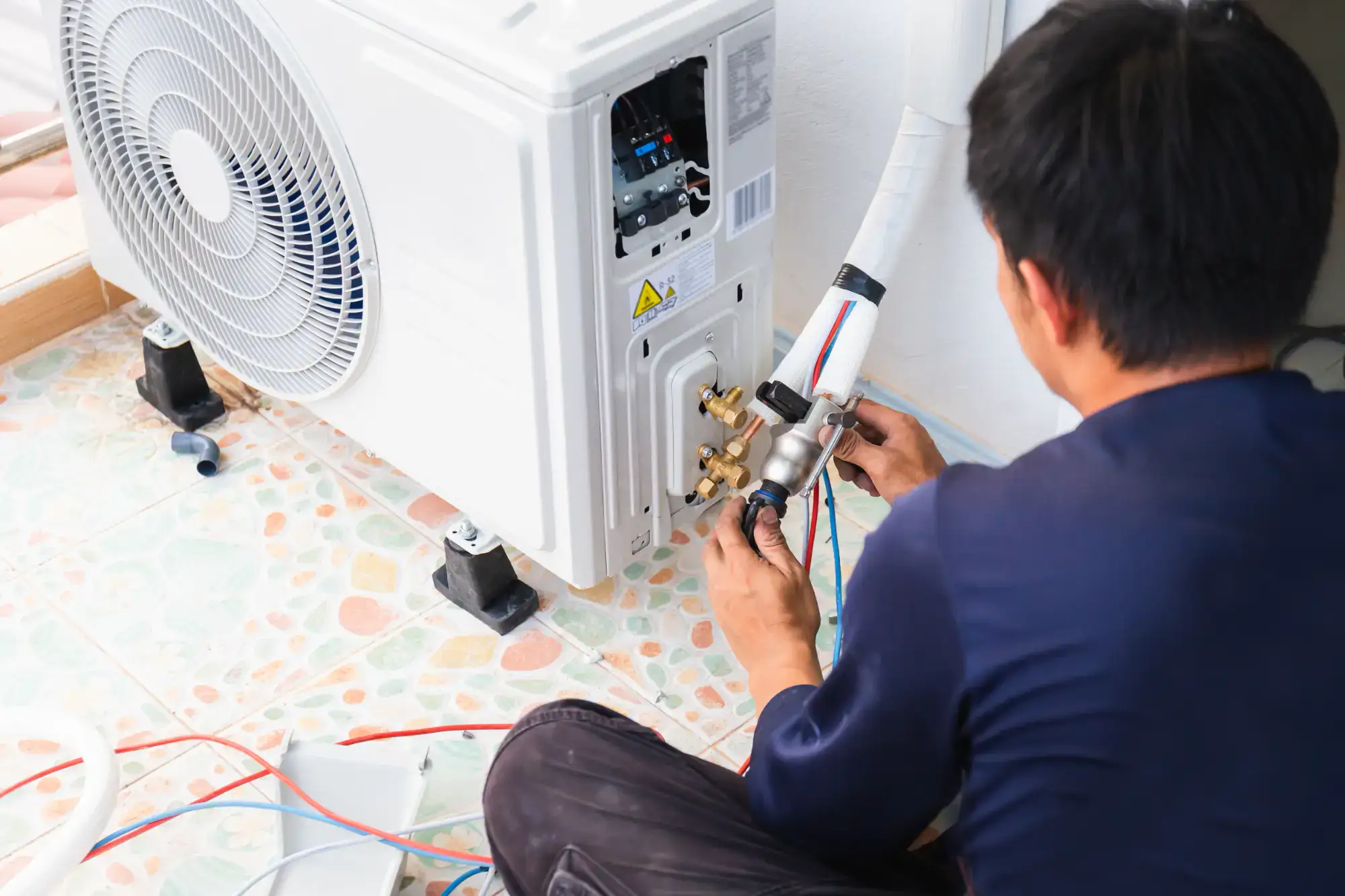
Central air installation in Murray Hill typically runs between $4,200 and $14,400, with most homes landing around $6,600. That’s a wide range because it depends on your system size, efficiency rating, and whether you already have ductwork.
If you’re putting in a 2-ton system in a small apartment with existing ducts, you’re on the lower end. If you’re installing a 4-ton high-efficiency system in a larger space that needs new ductwork, you’re on the higher end. Ductless mini-split systems run differently—usually $3,000 to $5,000 per zone.
We give you a written estimate after looking at your space. No surprises, no “oh, we found this other thing” charges later. The quote we give you is what you pay unless you ask us to change something.
Most residential AC installations in Murray Hill get done in one day. We’re usually there for 6-8 hours depending on the complexity of the job.
If you’re replacing an existing system and the ductwork is good, we can often finish in a single visit. If we’re installing central air for the first time and need to run new ducts, that might take two days. Ductless systems are usually faster—often 4-6 hours for a single-zone install.
We’ll tell you the timeline upfront when we give you the estimate. We’re not the crew that shows up for three hours, disappears for two days, then comes back to finish. We schedule the work, we show up, and we get it done.
You need a system sized to your actual cooling load, which we calculate based on square footage, ceiling height, insulation, windows, and sun exposure. A rough estimate is 20-25 BTUs per square foot, but that’s just a starting point.
A 1,000 square foot apartment might need a 2-ton system (24,000 BTUs). A 1,500 square foot space might need 3 tons (36,000 BTUs). But if you’re on the top floor with skylights and western exposure, you might need more. If you’re in a ground-floor unit with good insulation and shade, you might need less.
We do a proper load calculation before recommending equipment. Installing a system that’s too big wastes your money upfront and costs you more to run. Installing one that’s too small means it’ll never keep up on the hottest days and it’ll burn out faster from running constantly.
Yes, you need permits for HVAC system installation in Murray Hill, NY, and we handle that process. NYC requires permits for new installations and major replacements to make sure everything meets electrical and building codes.
The permit process usually takes a few days to a week, and we factor that into your installation timeline. We file the paperwork, schedule any required inspections, and deal with the city. You don’t have to take time off work to meet an inspector—we handle it.
Skipping permits might seem like a way to save money, but it causes problems when you sell your home or if something goes wrong with the installation. Insurance companies can deny claims if work wasn’t permitted. We do it right so you don’t have issues later.
If your system is over 12-15 years old and repair costs are adding up, replacement usually makes more sense. A good rule is the $5,000 rule: multiply the repair cost by the age of your system. If that number is over $5,000, replace it.
So if you’re looking at a $400 repair on a 10-year-old system, that’s $4,000—probably worth fixing. If it’s a $600 repair on a 15-year-old system, that’s $9,000—time to replace. Older systems also use more electricity. A system from 2010 might have a 13 SEER rating. New systems start at 14.3 SEER and go up to 20+ SEER. That difference shows up on your electric bill every month.
We’ll tell you honestly whether repair or replacement makes sense for your situation. We’re not going to sell you a new system if yours has good years left. But we’re also not going to keep patching a dying system that’s costing you money every month in repairs and high electric bills.
We install Trane, Carrier, Fujitsu, and Mitsubishi systems. These are brands that hold up in NYC conditions and have good warranty support. When you need parts or service five years from now, these manufacturers are still going to be around and their parts are available.
Trane and Carrier are solid choices for central air systems—reliable, efficient, and well-supported. Fujitsu and Mitsubishi are what we recommend for ductless mini-split installations. They’re quieter, more efficient, and better engineered than cheaper brands.
We don’t install the cheapest equipment you can buy online because we’re the ones who get called when it breaks. We install brands we trust and that we can service long-term. You’re paying a bit more upfront for equipment that lasts longer and performs better.