
Your thermostat finally does what you set it to. Every room cools down evenly instead of leaving the upstairs sweltering while the basement freezes. You stop wondering if today’s the day your system quits.
Energy bills drop because your new system isn’t fighting itself to keep up. You’re not running to the hardware store for another window unit or calling repair companies every other month. Your home just stays cool.
Long Island summers hit hard with humidity that makes everything feel ten degrees hotter. A properly sized and installed central air system handles both temperature and moisture, so your house doesn’t feel like a sauna even when the AC is running. That’s what you’re paying for—actual comfort, not just cold air blowing around.
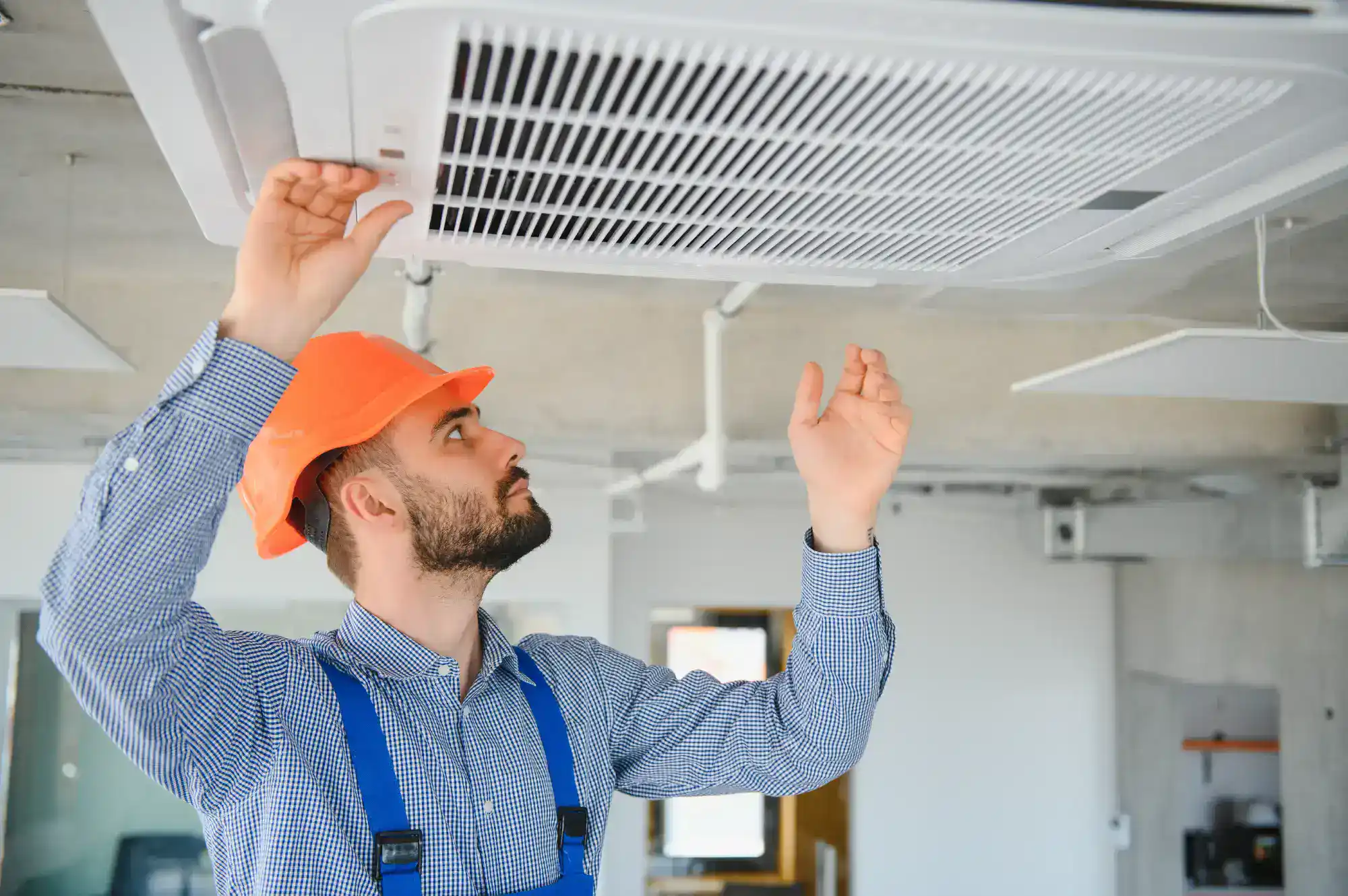
We handle air conditioning installation in New Cassel and throughout Nassau County. Every technician is licensed and insured, so the work meets local codes and manufacturer specs.
We’ve worked in every type of home layout New Cassel has—older houses that need creative ductwork solutions, newer builds with open floor plans, split-levels where airflow gets tricky. We know what works here because we’ve done it hundreds of times.
You’re not getting a one-size-fits-all recommendation or pressure to buy the most expensive option. You get a straight answer about what your home needs based on square footage, insulation, window placement, and how Long Island’s climate affects cooling loads. Then you decide.
First, we calculate your home’s actual cooling load. That means measuring square footage, checking insulation levels, counting windows, noting ceiling height, and factoring in Long Island’s humidity. Proper sizing matters—units that are too big cool quickly but can’t remove moisture, leading to mold problems and parts that wear out faster.
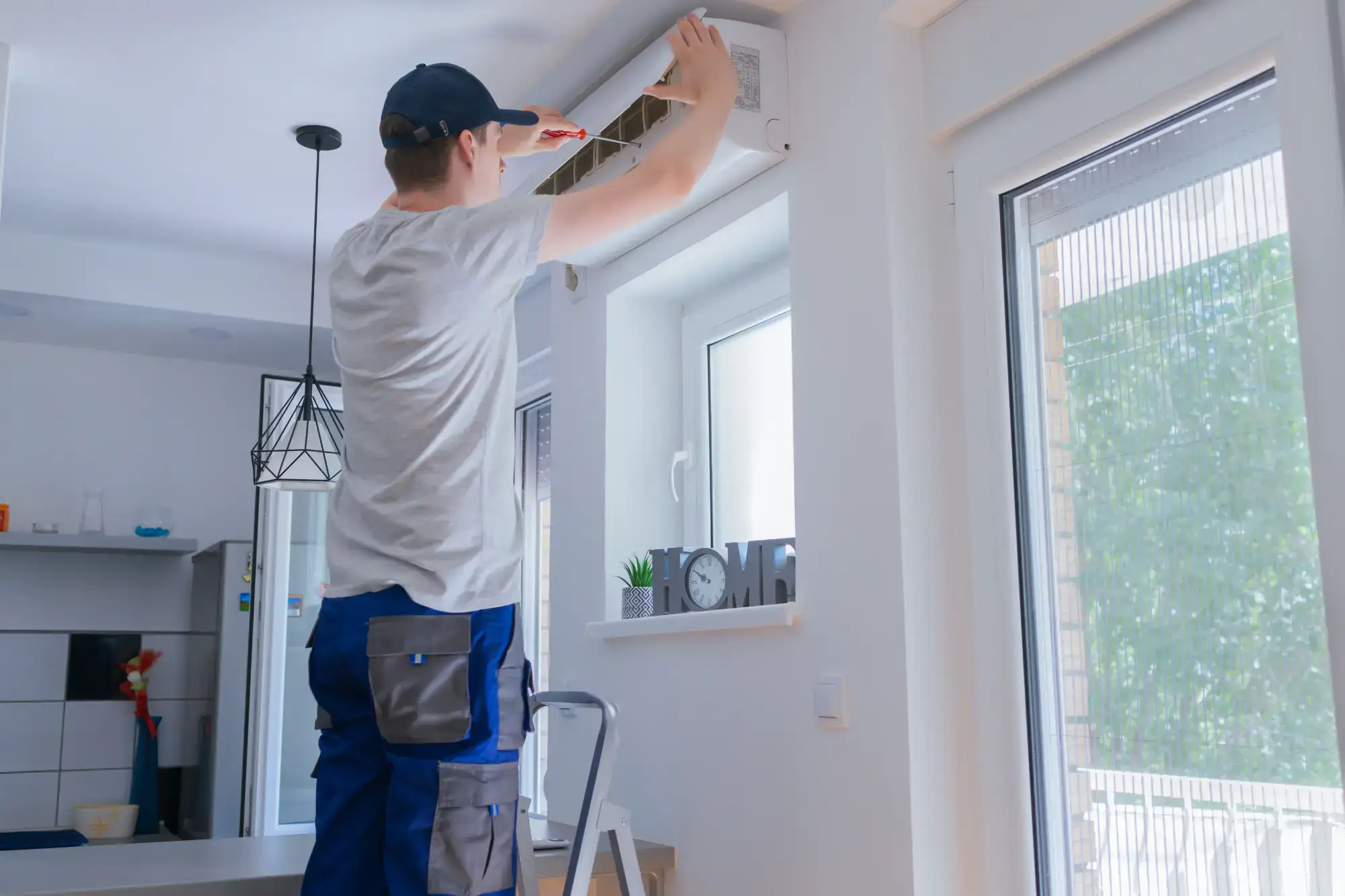
Once you approve the system choice, we handle permits and schedule installation. Most residential jobs take one to two days depending on your home’s layout and whether you’re adding ductwork or going ductless. Our crew protects your floors and furniture, installs the system according to manufacturer specifications, and tests everything before we leave.
You get a walkthrough of how your new system works, including thermostat settings and maintenance basics. We hand over all warranty documentation and service records. If something doesn’t feel right after we’re gone, you call us back. That’s it.

Ready to get started?
Every home AC installation in New Cassel starts with proper system sizing based on your home’s specific cooling requirements. We’re not eyeballing it or using rules of thumb—we’re calculating loads the right way so your system runs efficiently without short-cycling or struggling to keep up.
Many older homes in New Cassel don’t have existing ductwork for central air. Ductless mini-split systems solve that problem without tearing up walls or ceilings. You get zone-controlled cooling that lets you set different temperatures in different rooms, and installation typically takes less time than adding full ductwork.
For homes with existing ducts, we inspect them before recommending a system. Leaky or undersized ductwork kills efficiency no matter how good your new unit is. If your ducts need work, we tell you upfront. Nassau County has specific requirements for HVAC installations including permits and inspections—we handle all of that so your installation stays compliant and your homeowner’s insurance remains valid.
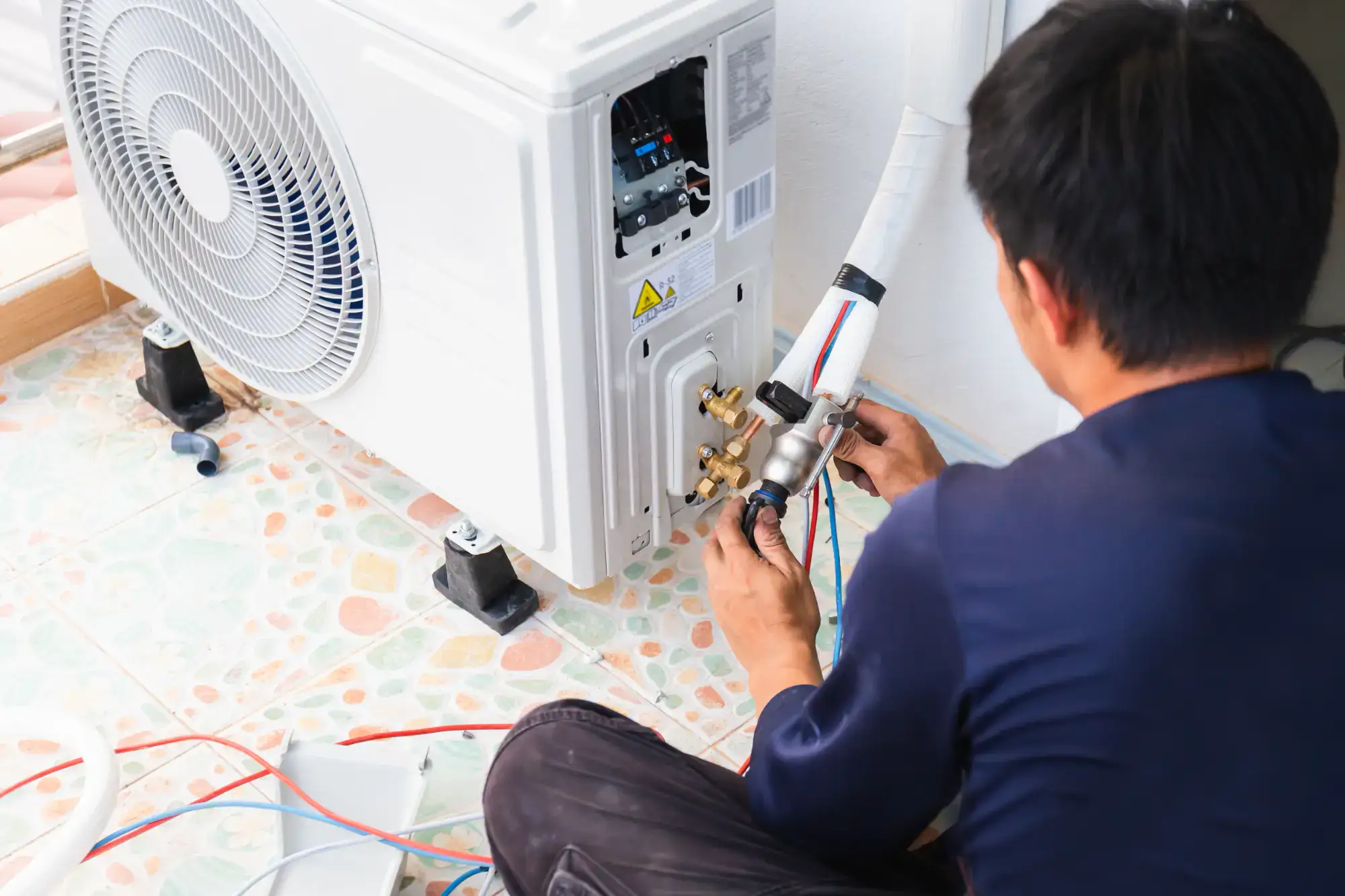
Most AC unit replacement jobs take one to two days for a standard residential installation. If you’re replacing an existing central air system with a similar setup, we’re usually done in a day. More complex jobs—like upgrading from window units to central air or installing ductless systems in multiple rooms—might stretch into day two.
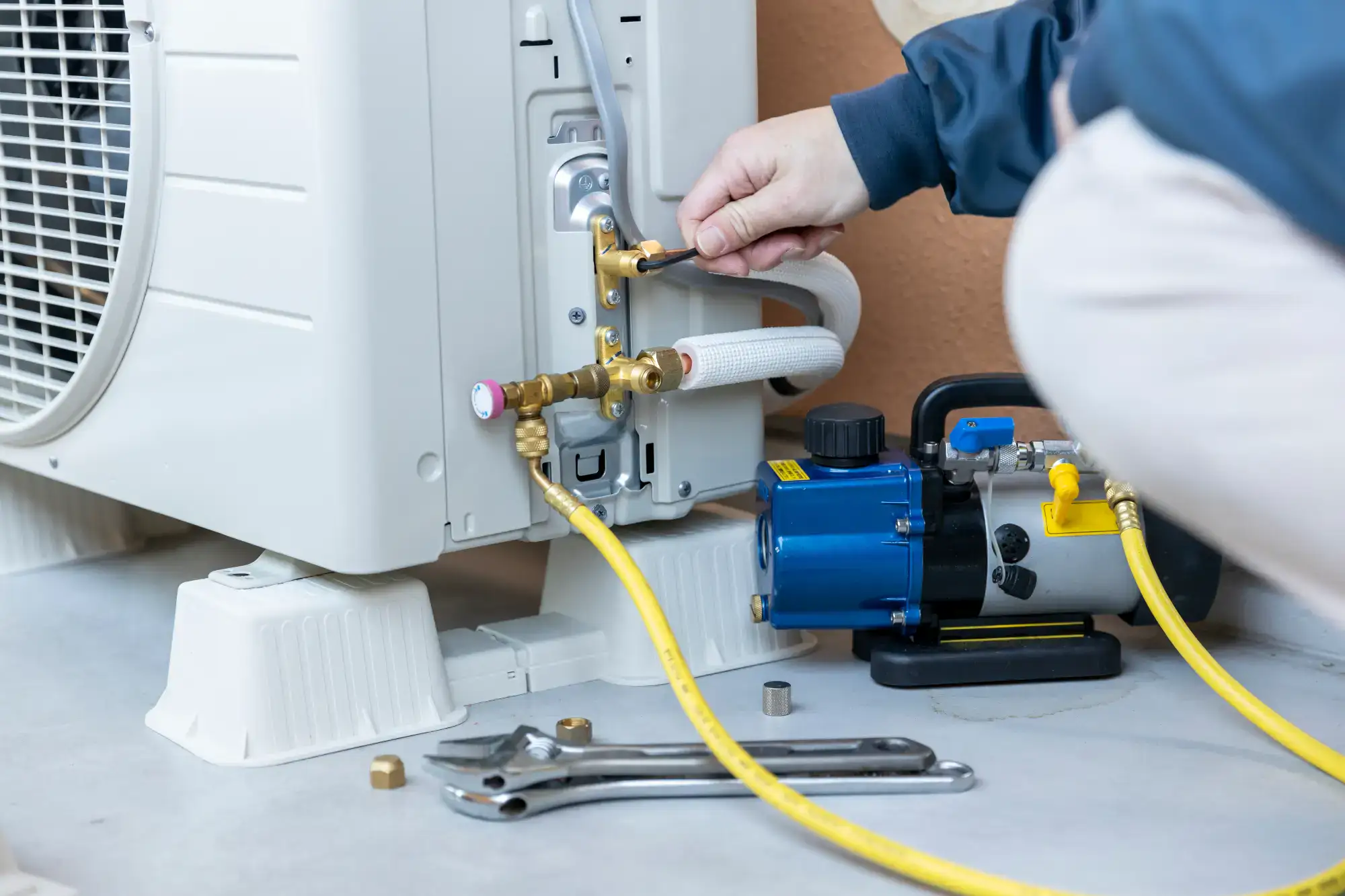
Your home’s layout affects timing. Split-level homes take longer than ranches because of how we route refrigerant lines and manage drainage. Older homes sometimes surprise us with electrical upgrades needed to handle modern AC systems, which adds time.
We don’t rush installations to hit a timeline. Every connection gets checked, every line gets tested, and we don’t leave until your system is running properly. You’ll know the estimated timeline before we start, and if something changes, we tell you immediately.
Proper sizing requires calculating your home’s cooling load based on square footage, insulation levels, window placement, ceiling height, and Long Island’s specific climate conditions. There’s no universal “this size house needs this size AC” formula that actually works.
Contractors who size systems based only on square footage are guessing. A 1,500 square foot ranch with good insulation and newer windows needs less cooling capacity than the same size house with single-pane windows and poor attic insulation. We measure all of it before recommending a system size.
Oversized systems cause as many problems as undersized ones. Too much capacity means your AC cools your home quickly but shuts off before removing humidity, leaving everything feeling clammy. The constant on-and-off cycling wears out components faster. You want a system sized correctly for your home’s actual needs, not the biggest unit that fits your budget.
Yes. Nassau County requires permits for HVAC system installation in New Cassel, and inspections verify the work meets local building codes. Skipping permits creates problems when you sell your home or file an insurance claim after system failure.
We handle all permit applications and schedule required inspections as part of your installation. The permit process protects you by ensuring electrical work, refrigerant handling, and system installation meet safety standards. It also creates an official record that your AC was installed properly by licensed contractors.
Some homeowners try to avoid permits to save money or speed up installation. That’s a mistake. Unpermitted work can void your homeowner’s insurance, kill your home’s resale value, and leave you liable if something goes wrong. The permit cost is minimal compared to the risk of skipping it.
If your home already has ductwork in good condition, central air usually makes sense. You’re using existing infrastructure, and installation is straightforward. If you don’t have ducts or they’re in rough shape, ductless mini-split systems often cost less and install faster than adding ductwork throughout your house.
Ductless systems work well for older New Cassel homes that were built before central air became standard. You avoid tearing up walls and ceilings, and you get zone control that lets different rooms stay at different temperatures. That’s useful in split-levels where upstairs bedrooms roast while the main floor stays comfortable.
Central air makes sense when you want consistent cooling throughout your entire home from one thermostat. Ductless makes sense when you need flexibility, have no existing ducts, or only want to cool specific areas. We look at your home’s layout, your cooling priorities, and your budget, then explain which option actually fits your situation.
Residential AC installation in New Cassel typically ranges from $5,000 to $12,000 depending on system type, home size, and installation complexity. A basic central air system for a smaller home with existing ductwork sits at the lower end. Larger homes, ductless systems with multiple zones, or installations requiring electrical upgrades cost more.
You’re paying for equipment, labor, permits, and warranty coverage. Cheaper quotes usually mean lower-efficiency equipment, unlicensed contractors, or shortcuts that cause problems later. Higher quotes should include better equipment, proper sizing calculations, and installation that meets manufacturer specifications.
We give you a detailed estimate that breaks down equipment costs, labor, permit fees, and any additional work your home needs. No surprise charges after we start. You know exactly what you’re paying for before we begin, and you can compare that against other quotes knowing you’re looking at the same scope of work.
Long Island’s humidity makes dehumidification just as important as cooling capacity. Systems with variable-speed compressors handle humidity better than single-stage units because they run longer at lower speeds, removing more moisture from the air. You want a system rated at least 16 SEER2 for decent efficiency, but higher ratings mean lower operating costs.
Two-stage or variable-speed systems cost more upfront but run more efficiently and control humidity better than basic single-stage units. That matters here because humidity makes 80 degrees feel like 90. Your AC needs to pull moisture out of the air, not just blow cold air around.
Salt air near the coast can be tough on outdoor units, so we recommend models with corrosion-resistant coatings if you’re close to the water. Proper installation matters more than brand names—the best system installed poorly will underperform a mid-range system installed correctly. We match equipment to your home’s needs and Long Island’s climate, not just your budget.