
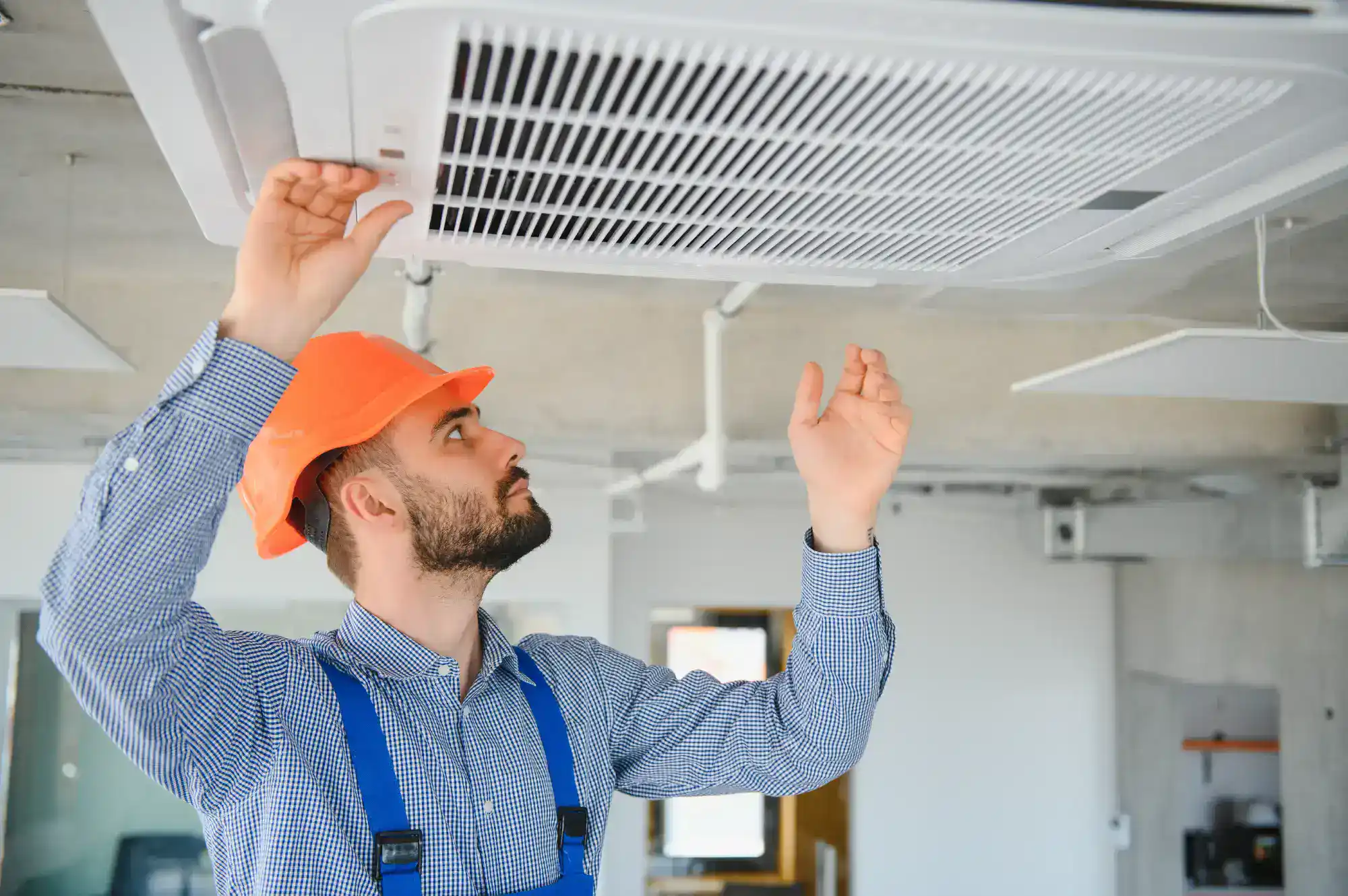
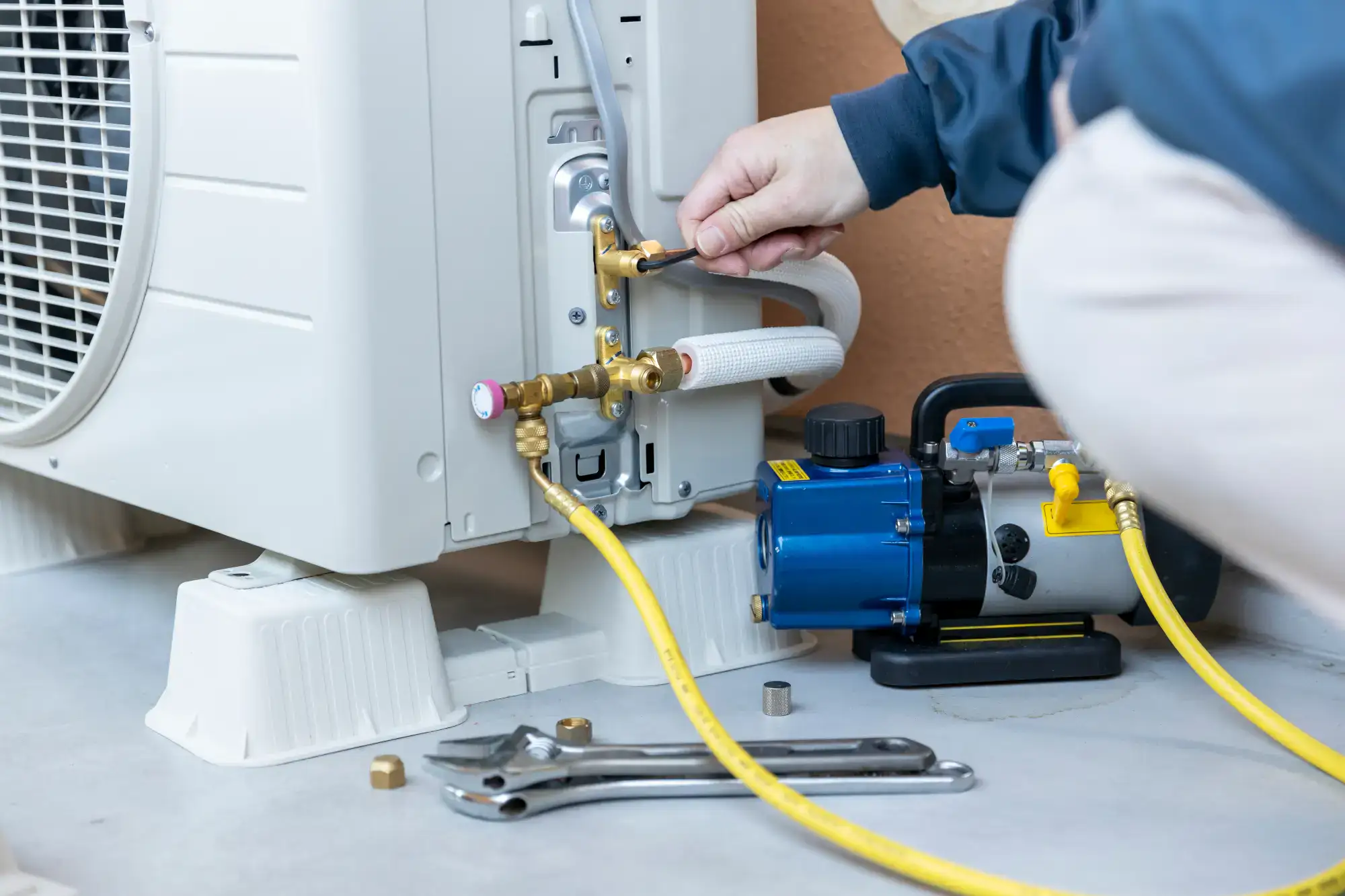
A new AC system does more than cool your home. You’ll see the difference on your utility bills—most homeowners save around 30% compared to older units. Modern systems run quieter, cool more evenly, and break down less often.
You’re not gambling on whether it’ll make it through another summer. You’re getting a system sized correctly for your home, installed by licensed technicians who’ve been doing this for over 30 years in Queens. No guesswork, no shortcuts.
The upfront cost matters, but so does what happens after installation. You get a system that works when you need it, uses less energy than what you’re replacing, and comes with a warranty that actually means something. That’s what air conditioning installation in Ozone Park should look like.
We’ve been installing and servicing HVAC systems across Queens and Nassau County for over 30 years. That means we know Ozone Park homes—the older construction, the newer builds, the quirks that come with both.
Our technicians live and work in the area. When you call, you’re not getting someone routed in from another borough who doesn’t know the neighborhood. You’re getting a local licensed AC contractor in Ozone Park who understands what systems hold up in this climate and which ones don’t.
We’re not the cheapest option, and we won’t pretend to be. But we show up when we say we will, we size systems correctly the first time, and we back our work with real service warranties. You’re hiring people who’ll still be here next year when you need maintenance.
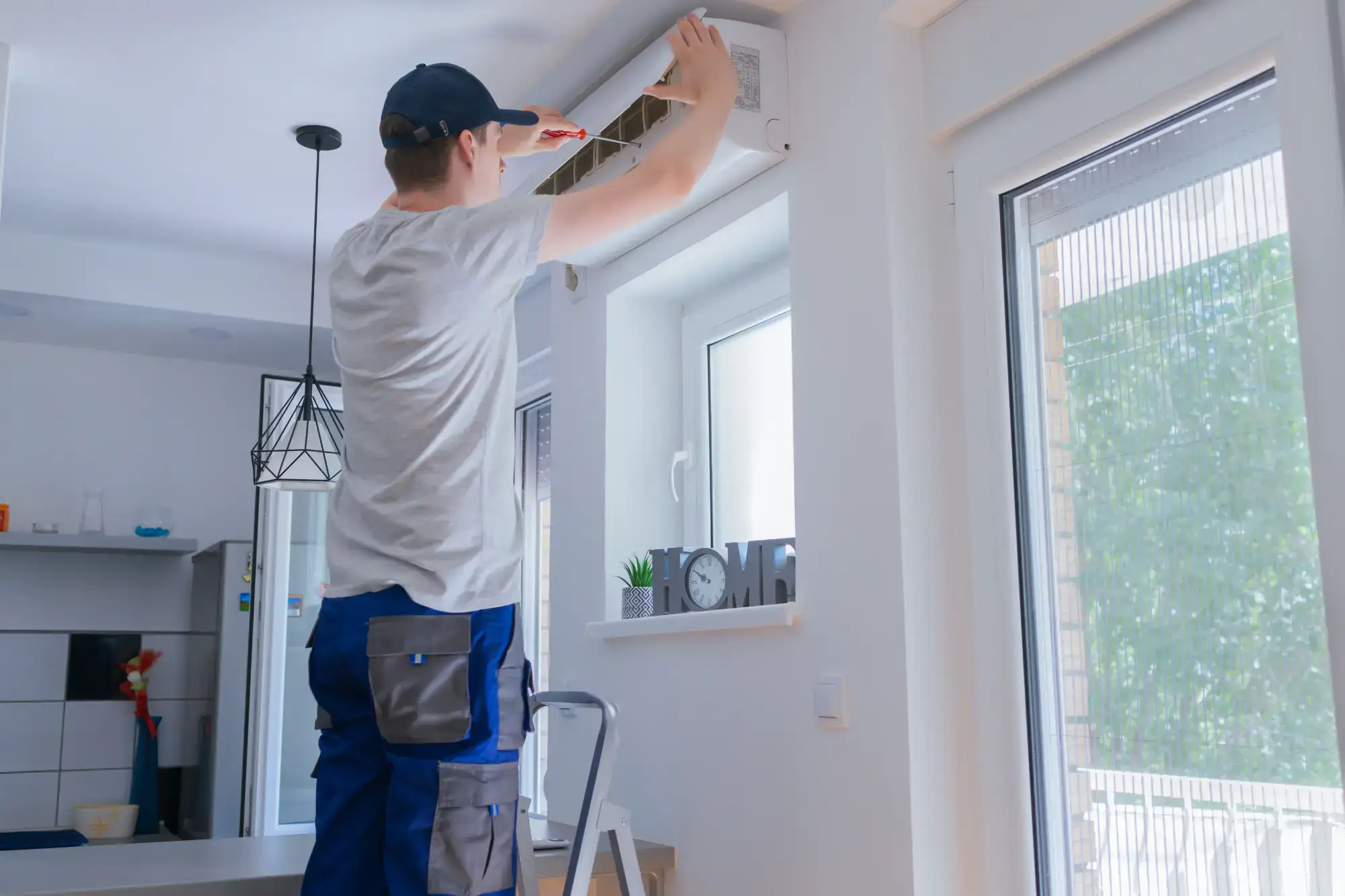
First, we come out and actually look at your home. We measure square footage, check insulation, count windows, and assess your existing ductwork. This isn’t a guess—it’s a load calculation that tells us exactly what size system you need. Oversized units cycle on and off too much. Undersized ones run constantly and never cool properly.
Once we know what fits your home, we walk you through equipment options. We explain what different efficiency ratings mean for your monthly bills, what brands hold up best, and what financing looks like if you need it. No pressure, just information.
Installation typically takes one to two days depending on whether we’re working with existing ductwork or running new lines. We pull permits, follow local codes, test everything before we leave, and clean up completely. You’ll know how to use your new thermostat, when to change filters, and how to reach us if something feels off.
The system gets registered for warranty coverage, and we schedule your first maintenance visit. Most central AC unit installation in Ozone Park goes this smoothly when it’s done right from the start.

Ready to get started?
Every home AC installation in Ozone Park includes professional load calculation, proper equipment sizing, and complete system testing before we consider the job done. We’re not just swapping out units—we’re making sure the whole system works together.
You get carbon monoxide testing with every heating component we touch, digital combustion analysis with printouts showing efficiency levels, and a full walkthrough of your new system. We integrate smart thermostats if you want them, set up zone control for multi-story homes, and make sure your air filtration matches what you actually need.
Ozone Park’s housing stock ranges from older single-family homes to newer multi-unit buildings. That diversity means installation approaches vary. Older homes sometimes need ductwork modifications. Newer construction might already have the infrastructure but needs careful equipment matching. We’ve handled both scenarios hundreds of times across Queens, so we know what works and what causes problems down the line.
The average central air installation here runs between $3,500 and $7,500 depending on system size and complexity. We give you upfront pricing before starting any work—no surprise charges when we’re done.
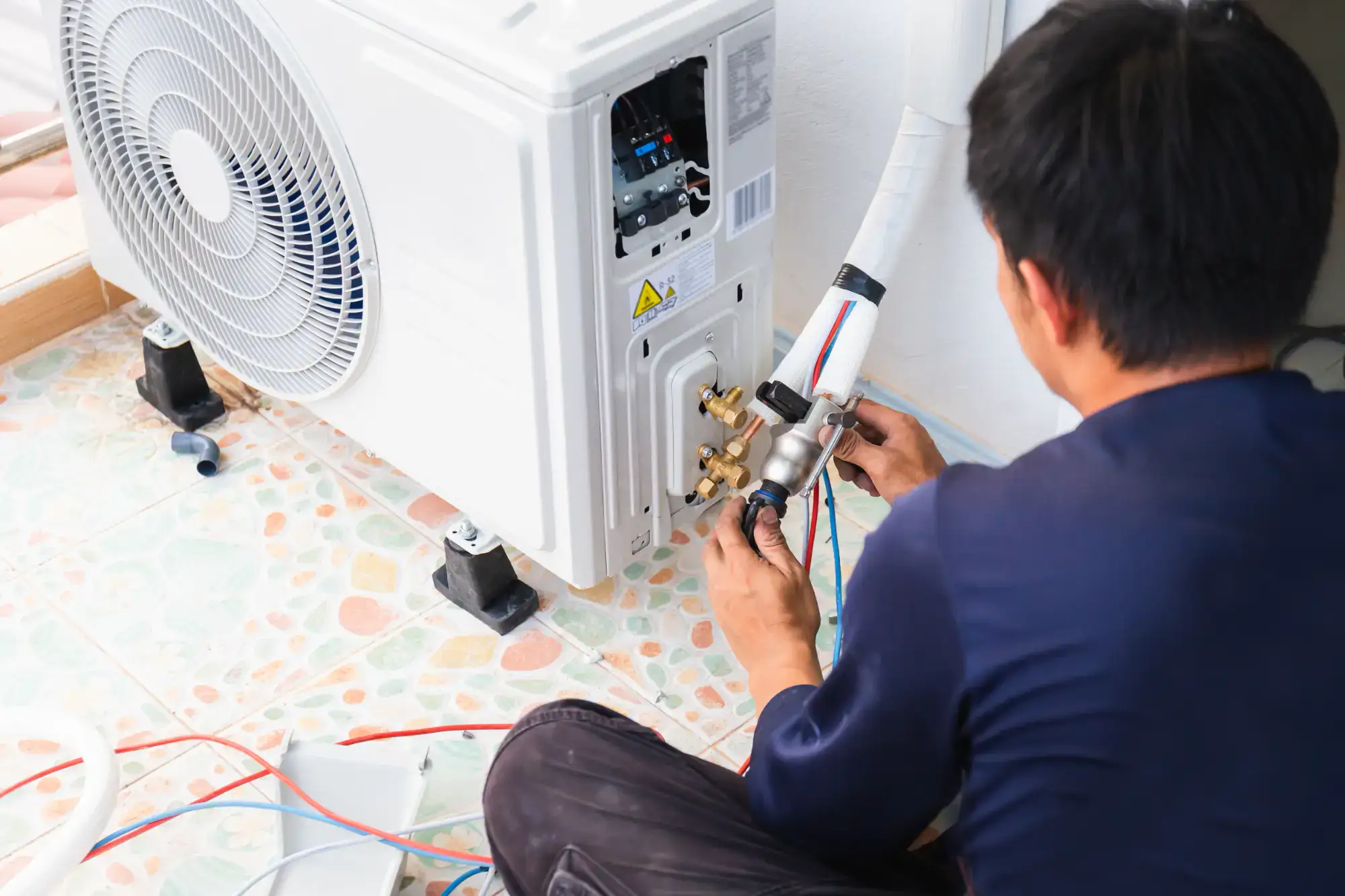
Most AC unit replacement jobs take one to two days from start to finish. Day one usually involves removing your old system, making any necessary modifications to ductwork or electrical, and positioning the new equipment. Day two covers final connections, testing, and system calibration.
Straightforward replacements where we’re swapping similar equipment often finish in a single day. More complex jobs—like upgrading from window units to central air or replacing both indoor and outdoor components in older homes—might stretch into that second day.
We don’t rush installations to hit arbitrary timelines. The system needs to be sized correctly, installed to code, and tested thoroughly. You’d rather have it done right than done fast, especially when you’re looking at 15-20 years of use from this equipment.
System size depends on your home’s square footage, insulation quality, window count and placement, ceiling height, and how many people typically occupy the space. There’s no universal “square footage equals tonnage” formula that works for every house.
We perform a Manual J load calculation that accounts for all these variables. A 1,500 square foot home with poor insulation and west-facing windows needs different cooling capacity than the same square footage with good insulation and shade trees. Getting this wrong costs you—either in higher utility bills from an oversized system that cycles constantly, or in poor comfort from an undersized system that runs nonstop without cooling adequately.
Most Ozone Park homes fall somewhere between 2-ton and 4-ton systems, but that’s a rough range. The only way to know for sure is to have someone actually assess your specific property. Any contractor who quotes you a system size over the phone without seeing your home is guessing.
Yes, we offer financing plans that include 0% APR options for qualified buyers and flexible monthly payment structures. Most homeowners finance HVAC installations because dropping $5,000-$7,000 at once isn’t always practical, even when the system is necessary.
Financing terms vary based on credit approval and which plan you choose. Some options spread payments over 24-60 months. Others offer deferred interest if you pay off the balance within a promotional period. We walk you through what’s available and what makes sense for your situation.
Federal tax credits also apply to certain high-efficiency systems—you can claim up to 30% back (capped at $2,000) on qualifying heat pumps and high-efficiency AC units. That’s not financing, but it reduces your net cost significantly. We’ll tell you which equipment qualifies when we’re discussing options.
If you’re replacing a system that’s 10-15 years old, you’ll typically see 20-30% lower cooling costs with a new high-efficiency unit. That translates to $30-$60 per month during peak summer months for most Ozone Park households, depending on your current system’s condition and your new system’s SEER rating.
Higher SEER ratings mean better efficiency, but there’s a point of diminishing returns. Jumping from a SEER 10 to SEER 16 makes a noticeable difference. Going from SEER 16 to SEER 20 saves less incrementally and costs more upfront. We help you find the efficiency sweet spot that actually pays back within a reasonable timeframe.
Savings also depend on proper installation and regular maintenance. The most efficient system on the market won’t perform well if it’s incorrectly sized, poorly installed, or never maintained. You need all three pieces—good equipment, correct installation, and routine upkeep—to see those efficiency gains actually show up on your utility bills.
All our installations come with service warranties that cover the labor and workmanship. Equipment carries manufacturer warranties—typically 5-10 years on parts, sometimes longer on compressors. If something goes wrong that’s related to how we installed the system, we come back and fix it at no charge.
Most issues that pop up in the first few months trace back to installation errors or defective parts, not normal wear. That’s why we test everything thoroughly before leaving your property. We check refrigerant levels, verify electrical connections, test safety controls, and run the system through multiple cycles.
If you notice weak airflow, strange noises, or inconsistent cooling after we’ve finished, call us immediately. Don’t wait and hope it resolves itself. Early problems usually get worse, and addressing them quickly often prevents bigger repairs down the road. We offer 24/7 emergency service because AC failures don’t wait for business hours, especially during heat waves.
Yes, if your system is over 12-15 years old and starting to need frequent repairs. Waiting until complete failure forces you into emergency replacement mode—limited equipment choices, rushed installation scheduling, and no time to explore financing or compare options.
You also lose efficiency as systems age. A 15-year-old AC that’s “still working” might be costing you an extra $40-$60 monthly compared to a new efficient model. Over a few summers, that inefficiency adds up to what you’d spend on planned replacement anyway, except you’re getting nothing for that money except higher bills.
Plan replacement when you start seeing repair costs climb above $500 annually, when the system struggles to maintain temperature during hot weather, or when your energy bills spike without explanation. Those are signals that you’re approaching end-of-life. Replacing proactively gives you control over timing, budget, and equipment selection instead of scrambling during the next heat wave when every HVAC company is booked solid.