

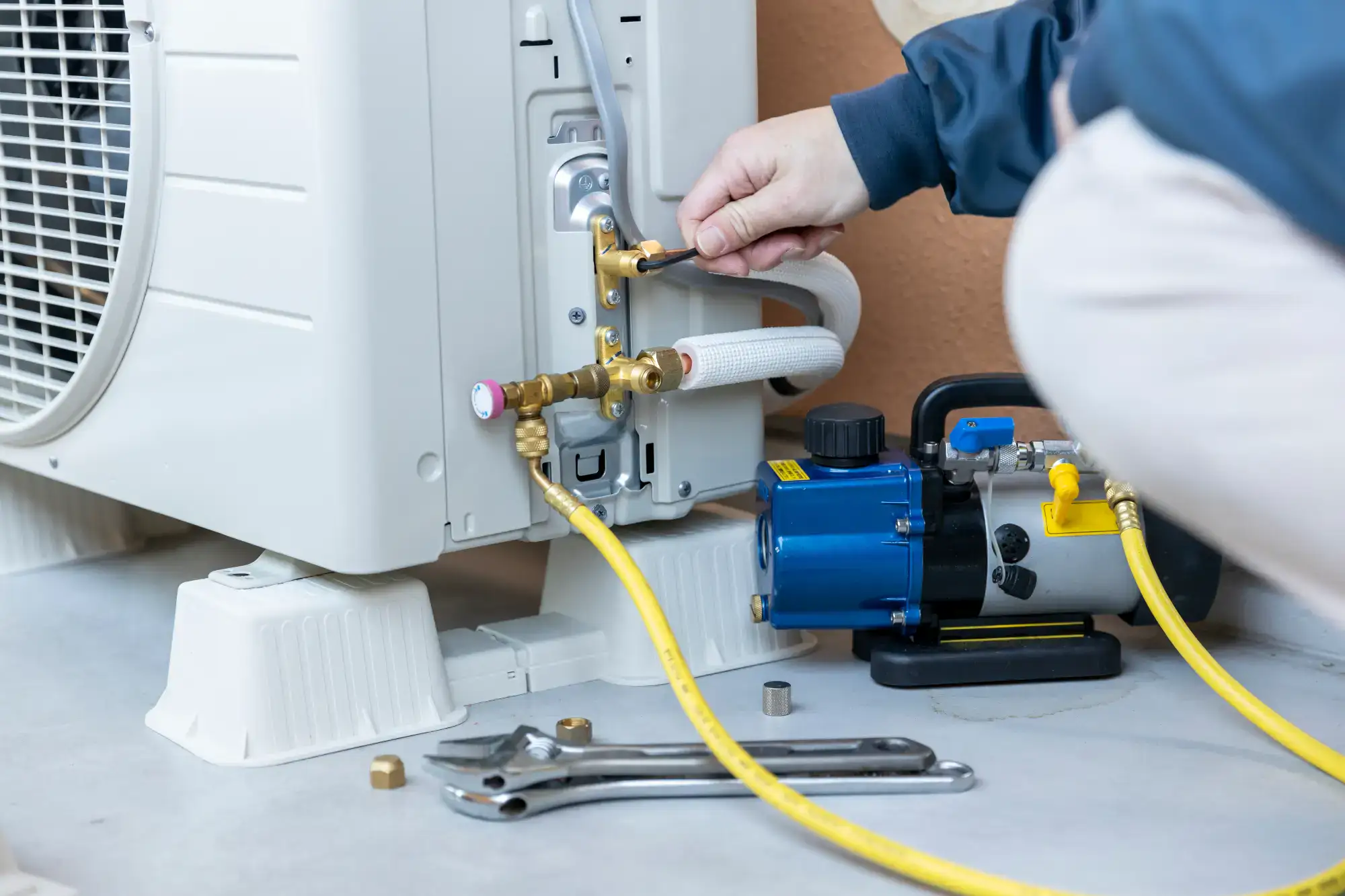
You’re not just buying a box that blows cold air. You’re getting a system that handles Point Lookout’s coastal humidity without running constantly or breaking down mid-July.
About 90% of HVAC systems get installed wrong. That means higher energy bills, uneven cooling, and repairs you shouldn’t need. When your air conditioning installation in Point Lookout is done right the first time, you’re not calling us back in three months because it’s leaking or struggling to keep up.
Proper installation means the right size system for your square footage, correct refrigerant levels, and ductwork that doesn’t leak half your cool air into the attic. It also means understanding how salt air affects equipment differently here than it does five miles inland. Your system should keep your home comfortable without making you wonder if something’s wrong every time it cycles on.
We’re licensed, insured, and we live in the area. That matters because Point Lookout isn’t like everywhere else on Long Island—the coastal environment changes how systems perform and what holds up long-term.
We handle the permits, we know the local inspection process, and we’ve worked with enough homes here to know what actually works in this climate. You’re not getting someone who drove in from two counties over and treats your install like every other job. You’re working with people who understand what you’re dealing with and how to get it done without shortcuts.
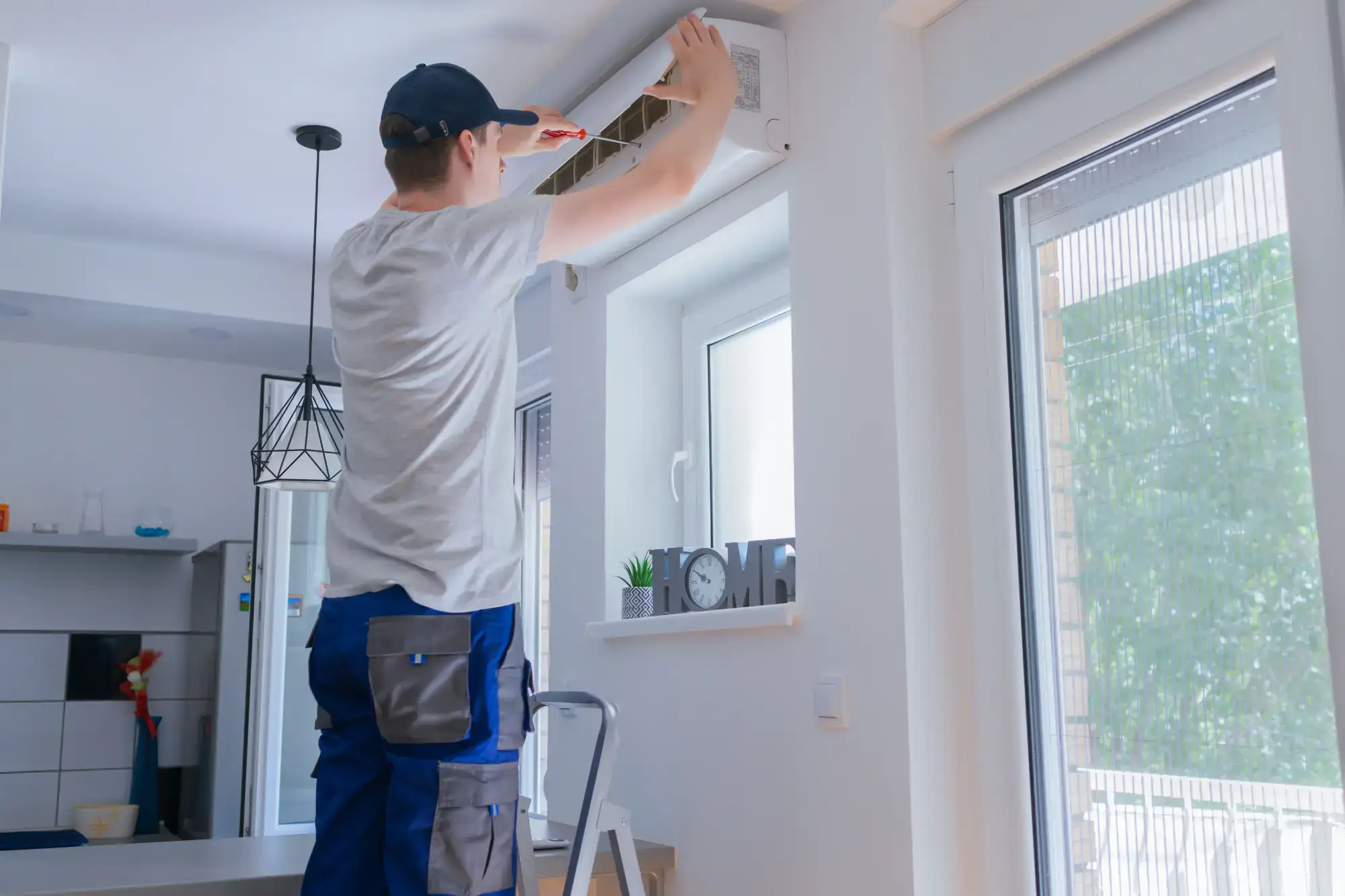
First, we look at your home—not just square footage, but insulation, window placement, how many floors you’re cooling, and whether your existing ductwork is set up correctly. That’s how we figure out the right system size. Too small and it runs nonstop without keeping up. Too big and it cycles on and off constantly, wasting energy and wearing out faster.
Once we’ve sized the system properly, we handle the permits and schedule the installation. Most central air installation in Point Lookout takes between four and eight hours if your ductwork is already in place. If it’s not, or if we find issues during the assessment, we’ll tell you upfront what needs to happen and why.
During installation, we’re connecting electrical, running refrigerant lines, mounting the outdoor unit where it won’t get beaten up by salt air more than necessary, and testing everything before we leave. You’ll get a walkthrough of how the system operates, what the manufacturer warranty covers, and who to call if you need service down the road. We clean up completely—you shouldn’t have to deal with our mess.

Ready to get started?
Your HVAC system installation in Point Lookout includes proper load calculations, all necessary permits, electrical connections, refrigerant line installation, system testing, and a complete walkthrough. We don’t leave until everything’s working correctly and you understand how to operate it.
Nassau County has specific requirements for HVAC installations—electrical connections need to meet code, refrigerant handling has regulations, and inspections have to happen at certain stages. We handle that process so you don’t have to figure out what forms to file or when inspectors need access.
If you’re replacing an old AC system in Point Lookout, we’ll also remove and dispose of your old equipment properly. If we find issues with your ductwork or electrical setup during the assessment, we’ll explain what needs fixing and why it matters. Some homes need ductless mini-splits instead of central air—we install those too, and they often go in faster because there’s no ductwork involved.
Modern systems with higher SEER ratings use less energy, which matters when you’re running AC from June through September in coastal humidity. There are also federal tax credits available—up to $3,200 per year through December 31, 2025 for qualified energy-efficient improvements. We can point you toward systems that qualify, but you’ll want to verify the specifics with your tax advisor.
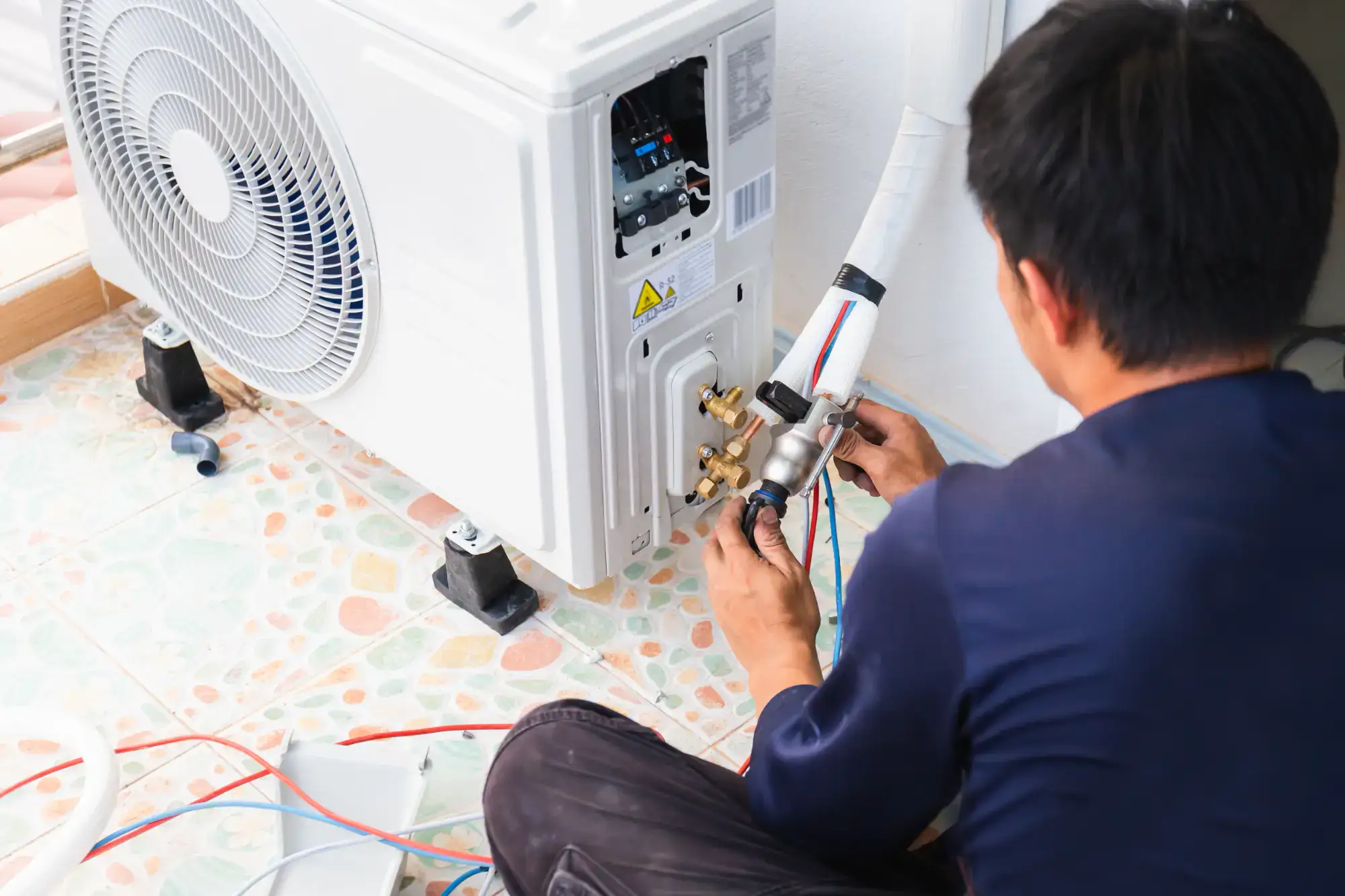
Most residential AC unit replacement in Point Lookout takes four to eight hours if you already have ductwork in place and no major electrical issues. That’s for a straightforward central air system swap where we’re replacing an existing unit with a new one.
If your home doesn’t have existing ductwork, or if we find problems during the assessment—like undersized ducts, electrical panels that need upgrading, or structural issues where the outdoor unit sits—it takes longer. We’ll tell you during the estimate if anything’s going to add time or cost.
Ductless mini-split installations often finish faster because there’s no ductwork to deal with. We’re mounting indoor units, running a small refrigerant line through the wall, and connecting everything to the outdoor compressor. Those can sometimes wrap up in a day even when central air would take longer.
It depends on your square footage, insulation quality, window placement, ceiling height, and how many floors you’re cooling. There’s no one-size-fits-all answer, which is why proper load calculations matter.
A lot of contractors just guess based on square footage, but that’s how you end up with an oversized system that cycles on and off constantly or an undersized one that runs nonstop and never quite gets your home comfortable. Point Lookout’s coastal humidity also affects sizing—you need a system that can handle moisture removal, not just temperature control.
We measure everything during the assessment and calculate the actual cooling load your home needs. That’s how you get a system that keeps you comfortable without wasting energy or wearing out early. If someone gives you a quote without looking at your home first, they’re guessing.
Yes, HVAC system installation in Point Lookout requires permits, and Nassau County has specific requirements for electrical connections and refrigerant handling. The inspection process has to happen at certain stages, and everything needs to meet local building codes.
We handle the permit paperwork and coordinate with inspectors so you don’t have to figure out what’s required or when someone needs access to your property. It’s part of the installation process, not an extra step you’re responsible for.
Some homeowners try to skip permits or hire unlicensed contractors who don’t pull them. That causes problems when you go to sell your home or file an insurance claim after equipment failure. Inspectors verify that installations meet safety standards and local codes—it’s not just bureaucracy, it’s making sure your system is installed correctly and safely.
Salt air and coastal humidity affect cooling systems differently than they do inland. Salt accelerates corrosion on outdoor units, and high humidity levels mean your system works harder to remove moisture from the air, not just cool it.
That’s why system selection matters here. Some units hold up better in coastal environments than others, and placement of your outdoor unit affects how much salt exposure it gets. We’ve installed enough systems in Point Lookout to know what works and what fails early.
Humidity control is also critical. If your system is sized wrong or installed improperly, it might cool the air but leave your home feeling clammy. That’s uncomfortable and it creates conditions for mold growth. Proper installation accounts for Point Lookout’s climate so your system handles both temperature and humidity effectively.
If your home doesn’t have existing ductwork, or if what’s there is undersized, damaged, or poorly designed, you have options. You can install new ductwork, which involves cutting into walls and ceilings and adds significant cost and time. Or you can go with a ductless mini-split system instead.
Ductless systems don’t require ductwork at all. We mount indoor units in the rooms you want cooled, run a small refrigerant line through the wall to an outdoor compressor, and you’re done. They’re often faster to install and more energy-efficient because you’re not losing cool air through leaky ducts.
We’ll assess your ductwork during the estimate and tell you honestly what condition it’s in. If it needs work, we’ll explain what’s involved and what it costs. If ductless makes more sense for your home and budget, we’ll walk through that option too. Some homes are better candidates for one or the other—we’ll tell you which and why.
Yes. The federal Energy Efficient Home Improvement Credit allows up to 30% tax credit, capped at $3,200 per year, for qualified energy-efficient improvements through December 31, 2025. That includes certain high-efficiency AC systems and heat pumps.
New York homeowners can also stack state rebates through NYSERDA—up to $12,000 depending on the system—and utility incentives from your energy provider. National Grid has been running limited-time increased rebates on heating and cooling equipment, though those programs change periodically.
We can point you toward systems that qualify for federal tax credits based on their SEER ratings and efficiency standards, but you’ll want to verify the specifics with your tax advisor. The rebate and incentive landscape changes, so it’s worth checking what’s currently available when you’re ready to move forward. Higher efficiency systems cost more upfront but use less energy long-term, and the tax credits help offset that initial cost.