
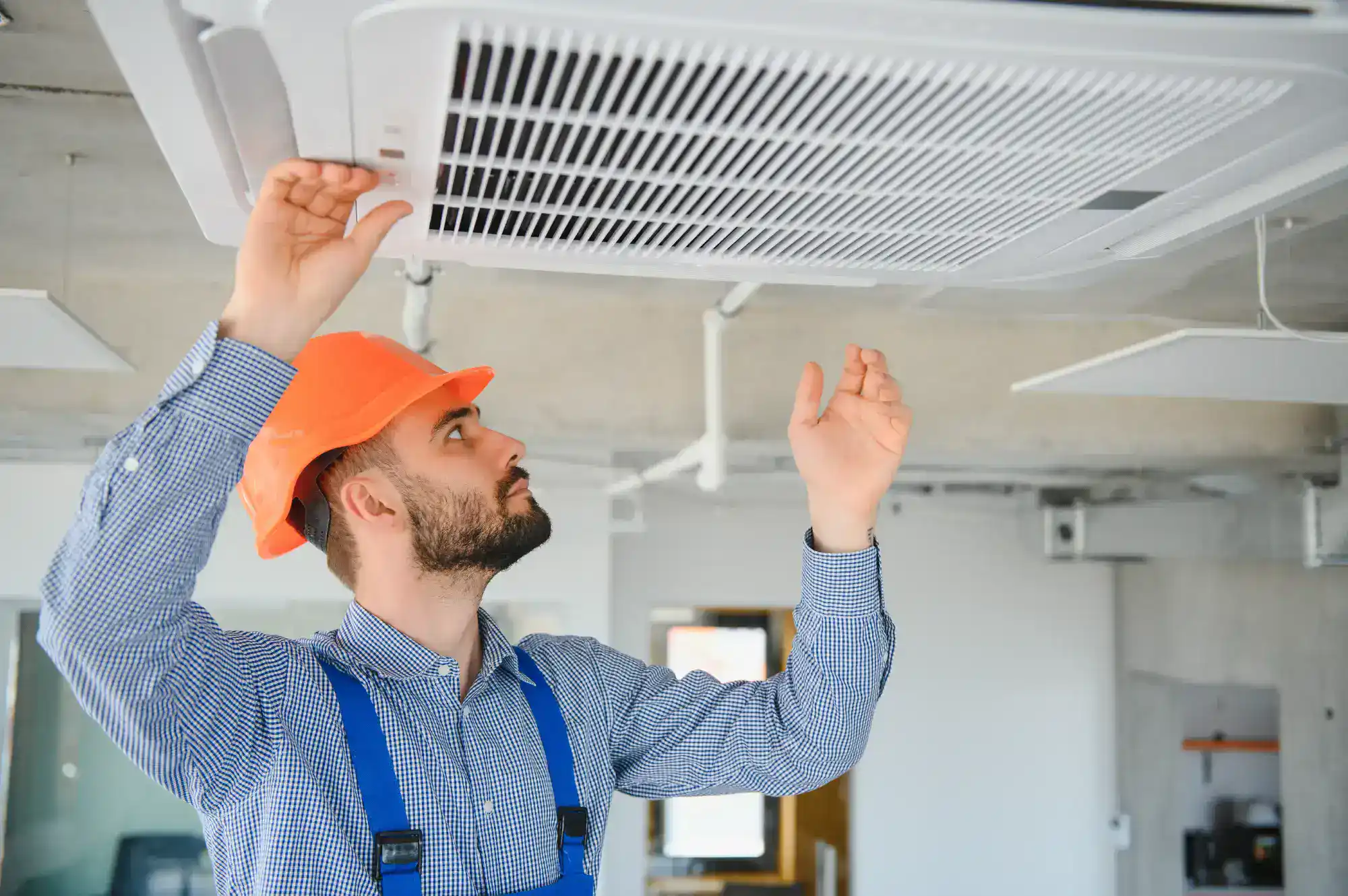
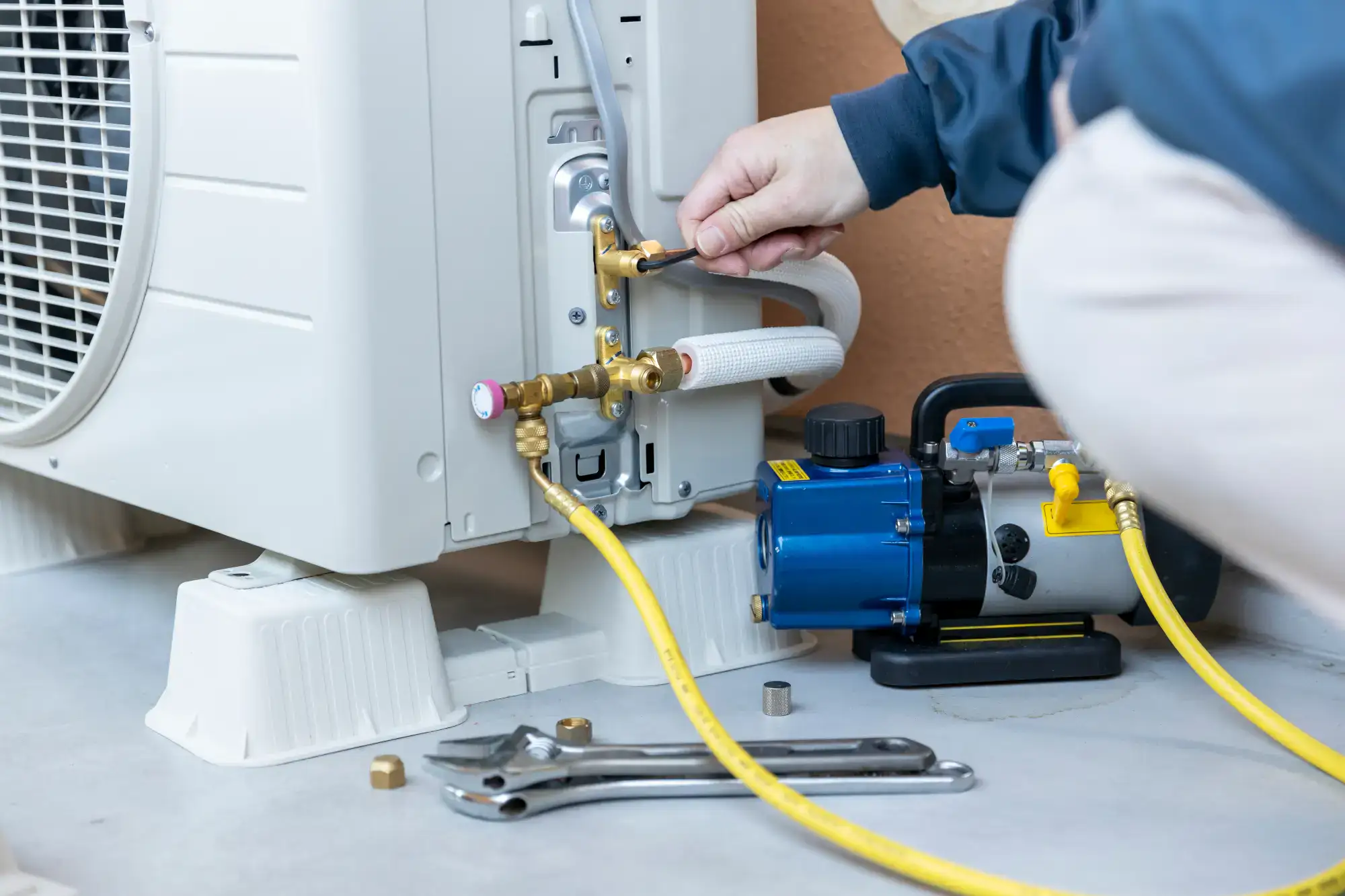
Your AC system either works when you need it, or it doesn’t. There’s no in-between.
When we handle your home AC installation in Sands Point, you’re getting a system sized correctly for your square footage, installed with attention to your home’s specific layout, and set up to run efficiently from day one. That means lower electric bills, consistent temperatures in every room, and fewer service calls down the road.
Most homes in Sands Point were built in the 1960s. That means ductwork, electrical panels, and insulation weren’t designed for today’s high-efficiency systems. We account for that during every central AC unit installation in Sands Point—checking load calculations, airflow, and compatibility before we ever touch your equipment. You’re not just getting a new unit. You’re getting a system that actually fits your home.
Excellent Air Conditioning and Heating Service has spent years working in Nassau County homes, including plenty right here in Sands Point. We know the Gold Coast estates, the waterfront properties, and the mid-century homes that need careful attention during HVAC system installation in Sands Point.
We’re not the cheapest option, and we don’t pretend to be. What you get with us is honest pricing, quality equipment from brands like Trane and Carrier, and installation work that’s done right the first time. No shortcuts. No surprises.
When your system goes down in the middle of July, we’re available 24 hours. That’s not marketing talk—it’s how we operate.
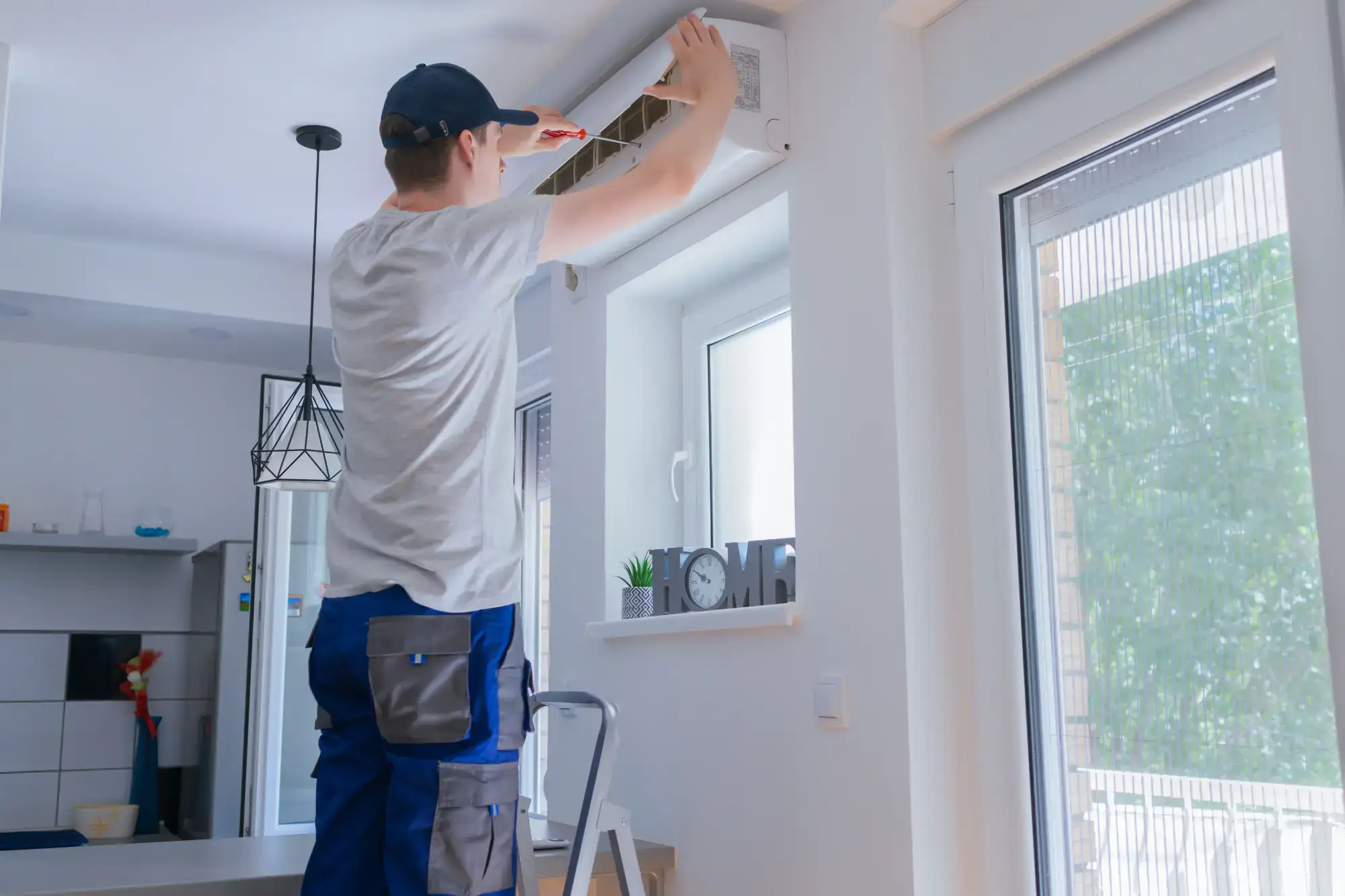
First, we come to your home and assess what you actually need. That means measuring your space, checking your existing ductwork and electrical setup, and talking through your comfort priorities. If your home needs modifications to support a new system, we tell you upfront—not halfway through the job.
Once you approve the quote, we schedule your installation around your availability. On install day, we protect your floors and workspace, remove your old equipment properly, and install the new system according to manufacturer specs. That includes checking refrigerant levels, testing airflow at every register, and calibrating your thermostat.
Before we leave, we walk you through how to operate your new system and answer any questions. You’ll also get information on our maintenance programs, which help extend the life of your investment. Most central air installation projects in Sands Point take one to two days, depending on the complexity of your home’s layout.

Ready to get started?
Every air conditioning installation in Sands Point includes load calculations to size your system correctly, removal and disposal of your old unit, and installation of your new indoor and outdoor equipment. We also handle refrigerant charging, ductwork modifications if needed, thermostat installation or upgrade, and full system testing before we consider the job complete.
Here’s what matters for Sands Point specifically: homes here are larger than average, often with multiple zones and architectural features that affect airflow. We account for high ceilings, sunrooms, finished basements, and waterfront exposure when designing your system. A cookie-cutter approach doesn’t work in homes like yours.
You’ll also qualify for federal tax credits up to $3,200 annually through 2032 when you install energy-efficient equipment. We can walk you through which systems qualify and how to claim those credits. With New York’s 2025 Building Energy Code pushing electric HVAC systems and heat pumps, now’s the time to replace old AC systems in Sands Point before costs rise further.
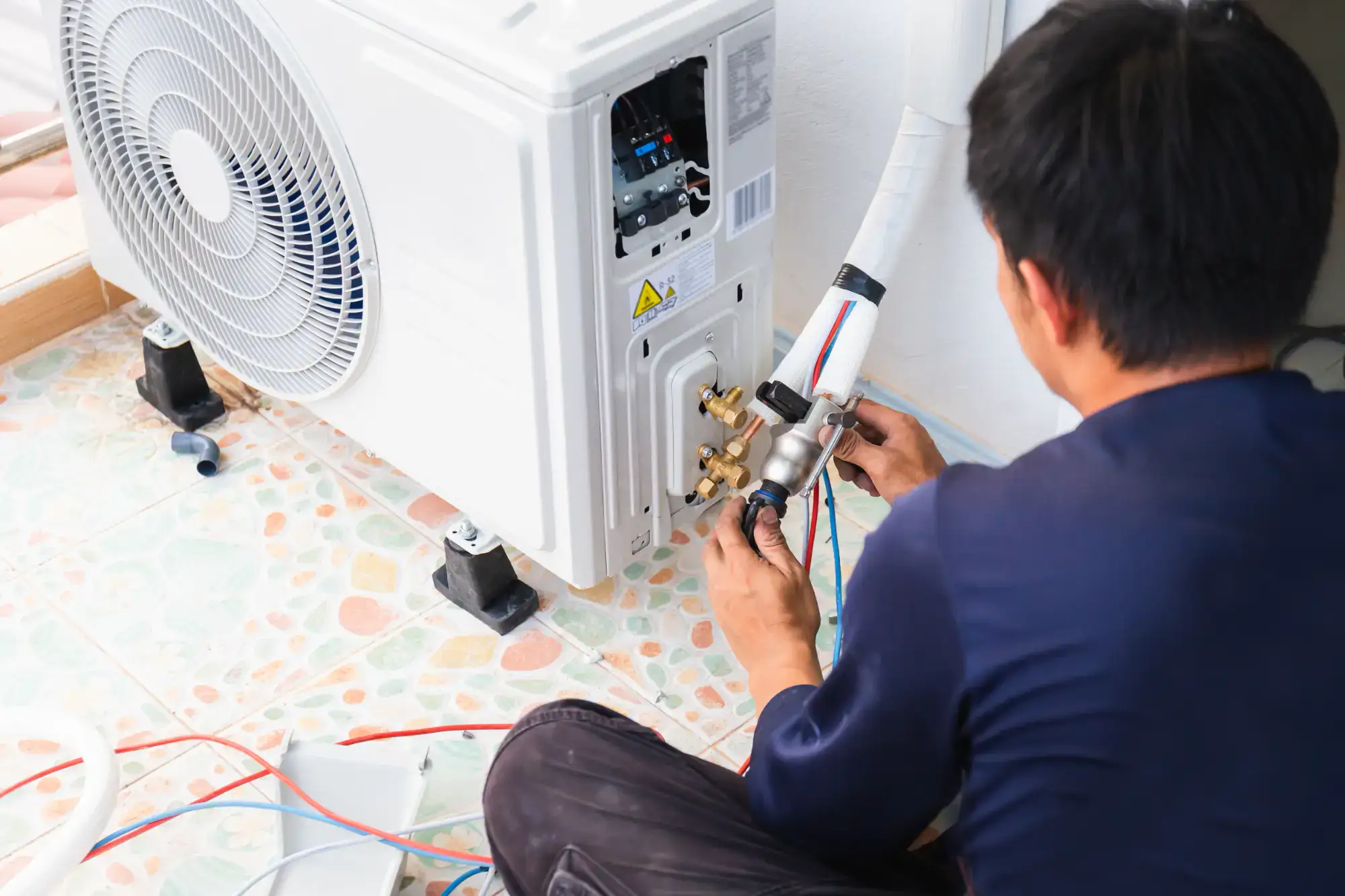
Expect to pay between $5,000 and $15,000 for a complete AC unit replacement in Sands Point, depending on your home’s size, the equipment you choose, and whether your ductwork or electrical system needs upgrades. Larger homes—which are common here—often require multi-zone systems or higher-capacity units, which increases cost.
The biggest variable is usually your existing infrastructure. If your home was built in the 1960s and still has original ductwork or an outdated electrical panel, those need addressing before we can install a modern, high-efficiency system. We give you a detailed quote upfront so there’s no confusion about what you’re paying for.
Premium brands like Trane and Carrier cost more than builder-grade equipment, but they last longer and come with better warranties. You’re also paying for correct installation, which matters more than the equipment itself. A $10,000 system installed poorly will give you more problems than a $7,000 system installed right.
Most central AC unit installations in Sands Point take one to two days. Straightforward replacements where we’re swapping out an old system for a new one usually finish in a day. More complex jobs—like homes that need ductwork modifications, electrical upgrades, or multi-zone systems—can take two days or slightly longer.
We’re not rushing through your installation to get to the next job. Proper installation means checking every connection, testing airflow at every register, and making sure your system is calibrated correctly. That takes time, and it’s time well spent.
If your home requires permits or inspections, that can add a few days to the timeline, but the actual installation work itself stays in that one-to-two-day range. We’ll give you a clear schedule before we start so you know exactly what to expect.
The only way to know for sure is through a proper load calculation. That accounts for your home’s square footage, insulation levels, window placement, ceiling height, and how much sun exposure you get. Guessing based on square footage alone is how you end up with an oversized system that short-cycles or an undersized system that runs constantly.
Most homes in Sands Point are larger than average—often 3,000 to 5,000 square feet or more. You’re probably looking at a 3.5 to 5-ton system, but that’s just a rough estimate. Waterfront homes with lots of windows and sun exposure need more capacity. Homes with mature trees providing shade might need less.
An oversized system costs more upfront, cycles on and off too frequently, and doesn’t dehumidify properly. An undersized system runs nonstop trying to keep up, which drives up your electric bill and wears out components faster. We do the math so you get a system that actually fits your home.
If your system is over 10 years old, struggles to keep your home cool, or requires frequent repairs, replace it now. AC equipment prices are rising due to new efficiency regulations and increased demand. The federal tax credits available through 2032 help offset some of that cost, but waiting doesn’t make financial sense if your system is already failing.
Here’s the other factor: New York’s 2025 Building Energy Code is pushing electric HVAC systems and heat pumps in many municipalities. If you wait too long, your replacement options might be more limited or more expensive. Getting ahead of that change gives you more control over what you install and when.
If your current system is still cooling effectively and you’re not spending money on constant repairs, you can wait. But if you’re dealing with uneven temperatures, rising energy bills, or a system that’s limping through each summer, don’t wait for a full breakdown in the middle of a heat wave. That’s when you have the least negotiating power and the fewest options.
Yes. Ductless mini-split systems work well for Sands Point homes, especially if you’re adding cooling to a space that doesn’t have existing ductwork—like a finished attic, sunroom, or garage conversion. They’re also a good option if your home has architectural features that make traditional ductwork difficult or expensive to install.
We specialize in Fujitsu and Mitsubishi ductless systems, which are among the most reliable brands on the market. These systems are energy-efficient, quiet, and give you zone control so you’re not cooling rooms you’re not using. That matters in larger homes where different areas have different cooling needs.
Ductless systems aren’t always the right choice for whole-home cooling, but they’re worth considering if you’re dealing with hot spots, renovating part of your home, or want more control over individual room temperatures. We’ll walk you through whether a ductless system makes sense for your situation or if a traditional central air installation in Sands Point is the better route.
We install Trane, Carrier, Fujitsu, and Mitsubishi systems. These brands consistently deliver reliable performance, come with strong warranties, and have the parts availability to support long-term service. You’re not gambling on an off-brand system that might save you $500 upfront but costs you more in repairs down the road.
Trane and Carrier are our go-to brands for traditional central air systems. They’re built to last, handle Long Island’s humidity well, and have a proven track record in homes like yours. Fujitsu and Mitsubishi are our top choices for ductless mini-split installations—they’re energy-efficient, quiet, and engineered to perform in a wide range of conditions.
We don’t push one brand over another based on our profit margin. We recommend what makes sense for your home, your budget, and your comfort priorities. If you have a brand preference based on past experience, we’ll work with that. If you’re open to recommendations, we’ll steer you toward the system that fits your situation best.