

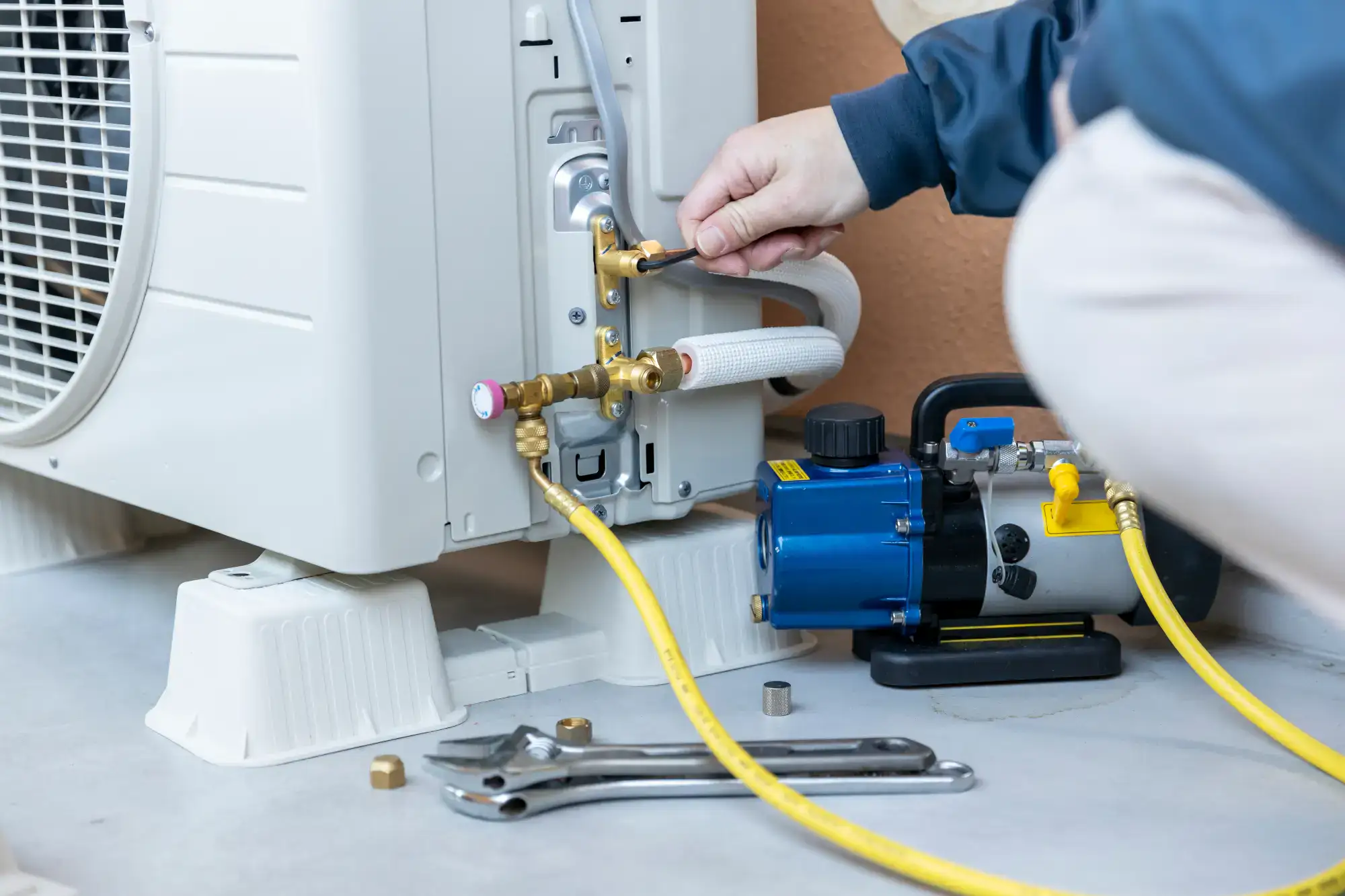
You’re not just buying equipment. You’re buying consistent temperatures in every room, lower utility bills, and a system that lasts as long as it should.
Improperly installed systems lose up to 30% of their efficiency before they even start running. That’s wasted money every single month. When your central AC unit installation in Sea Cliff is done right the first time, you avoid the callbacks, the comfort complaints, and the surprise repair bills that come from shortcuts.
Your home was built in an era when craftsmanship mattered. It deserves the same attention now. Correct sizing means your system isn’t overworking or short-cycling. Proper installation means your ductwork isn’t leaking conditioned air into your attic. And working with a licensed AC contractor in Sea Cliff means someone’s actually accountable if something goes wrong.
You get a system that keeps up when temperatures hit the 90s. You get predictable energy costs instead of bill shock. And you get to stop thinking about your AC because it just works.
We handle residential and commercial HVAC work across Long Island. We’re licensed, insured, and we show up when we say we will.
Sea Cliff homes weren’t built with central air in mind. Most were constructed in the 1930s and 40s, which means retrofitting modern systems into older layouts without compromising your home’s character or structure. We’ve done enough of these installations to know what works and what causes problems down the road.
You’re not getting a national chain that rotates techs every season. You’re working with people who understand Long Island homes, Long Island weather, and what it takes to keep a system running efficiently when you’re paying some of the highest electricity rates in the country.
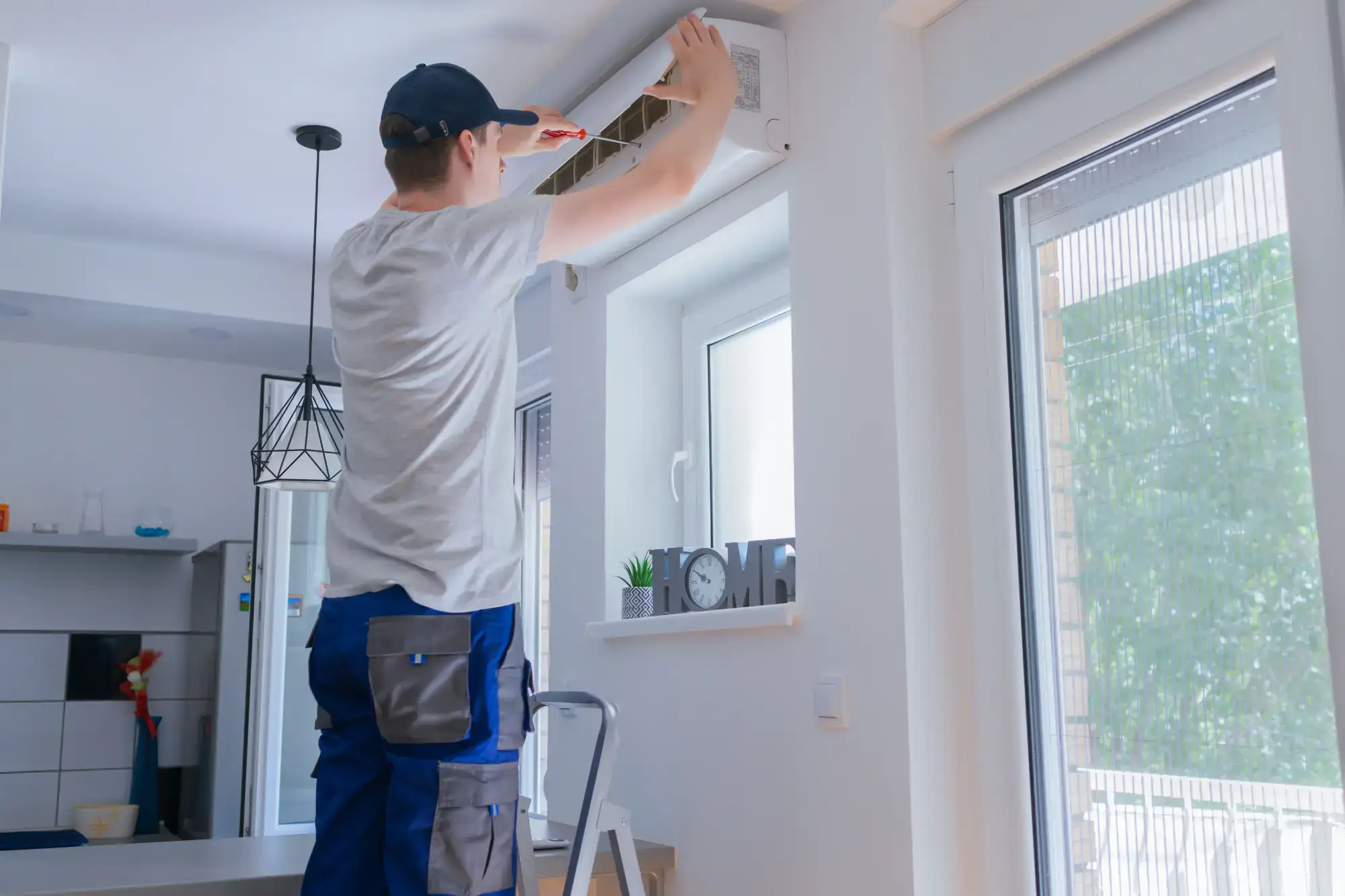
First, we look at your home. Not just square footage, but insulation, windows, sun exposure, and how your existing ductwork is set up. That’s how we size the system correctly instead of guessing or using outdated rules of thumb that lead to oversized units.
Once we know what your home actually needs, you get a transparent quote. No surprises, no hidden fees. If ductwork modifications are necessary, we tell you upfront. If your electrical panel needs an upgrade to handle the new system, you know before we start.
Installation day means protecting your floors, removing your old system properly, and setting up the new equipment according to manufacturer specs. We’re talking level pads, proper refrigerant charges, sealed duct connections, and calibrated thermostats. Then we test everything, walk you through the new system, and make sure you know how to get the most out of it.
You also get a complete digital combustion analysis with printed results showing your system’s efficiency. It’s documentation that the job was done right, and it’s something you’ll want if you ever sell your home.

Ready to get started?
Your HVAC system installation in Sea Cliff covers the full scope. That means removing and disposing of your old equipment, installing the new indoor and outdoor units, connecting or modifying ductwork as needed, running new refrigerant lines if your layout requires it, and setting up your thermostat for optimal efficiency.
We work with Trane and Carrier equipment because they’re reliable and their warranties actually mean something. You’re not getting builder-grade units that barely meet minimum efficiency standards. These are systems designed to handle Long Island summers without breaking down every other season.
With electricity rates in New York averaging over 23 cents per kilowatt-hour, efficiency matters. Over half your home’s energy use comes from heating and cooling. An older, inefficient system is costing you real money every month. Modern systems with higher SEER ratings cut that waste significantly, and proper installation is what makes those efficiency numbers actually happen instead of just existing on paper.
Sea Cliff’s housing stock is older, which means many homes are still running systems installed decades ago. If you’re dealing with an aging AC unit that’s costing more to repair than it’s worth, replacing your old AC system with a properly sized, professionally installed unit makes financial sense. You stop throwing money at repairs that don’t last and start benefiting from lower energy bills and consistent comfort.
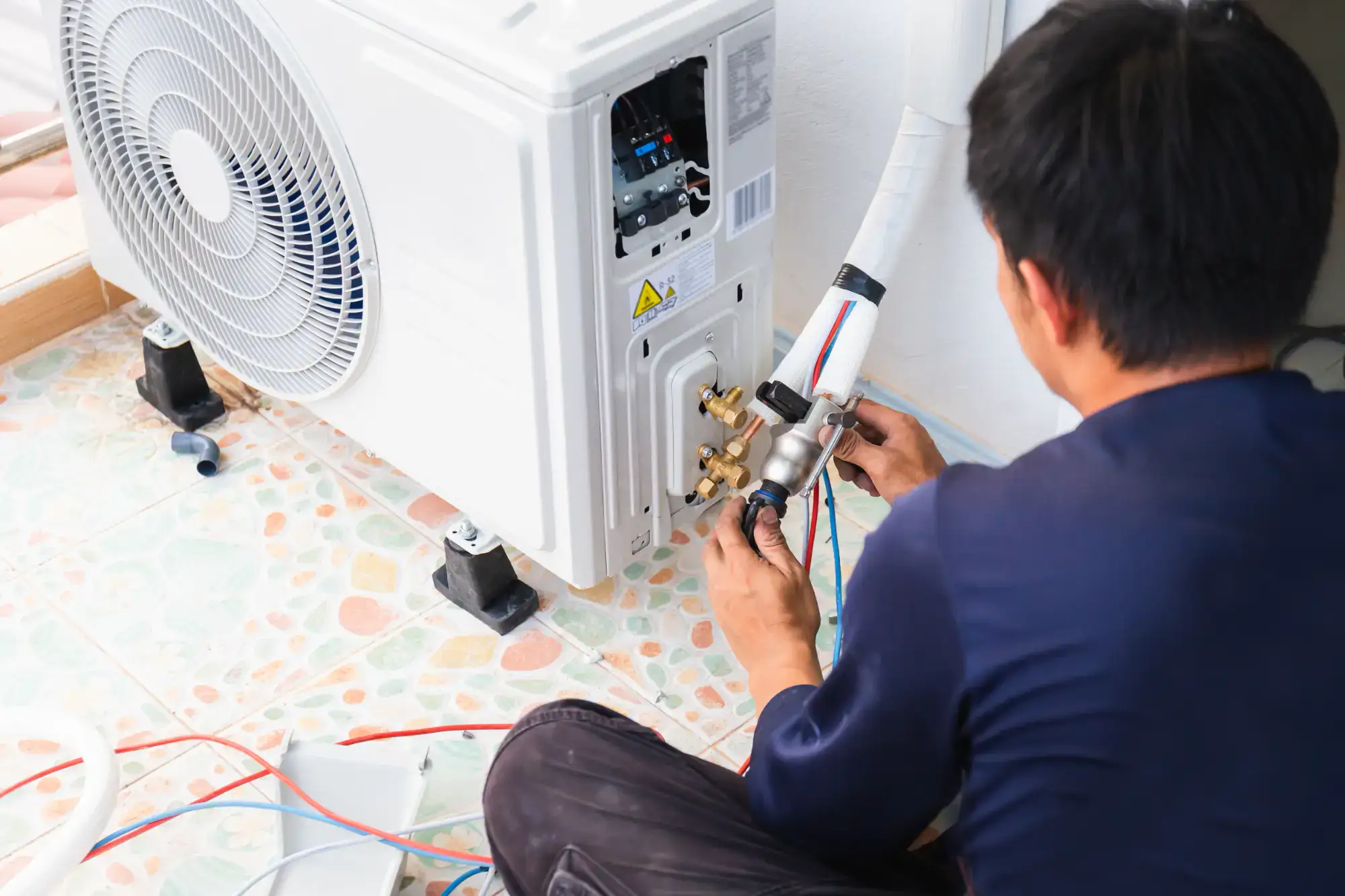
Complete air conditioning installation in Sea Cliff typically runs between $3,000 and $10,000 depending on system size, efficiency rating, and whether your home needs ductwork modifications or electrical upgrades.
A straightforward replacement where your existing ductwork is in good shape and your electrical panel can handle the new system falls on the lower end. If you’re adding central air to a home that never had it, or if your ducts need significant work, you’re looking at the higher end of that range.
System size matters, but bigger isn’t better. An oversized unit costs more upfront, cycles on and off too frequently, and actually removes less humidity from your home. Proper sizing based on your home’s specific characteristics gets you better comfort and efficiency for less money. That’s why we don’t quote over the phone without seeing your home first.
Most AC unit replacement jobs in Sea Cliff take one full day for a straightforward swap. If we’re modifying ductwork, upgrading electrical service, or dealing with access challenges in older homes, it might stretch into a second day.
We’re not rushing through the job to hit some arbitrary timeline. Proper installation means taking the time to do things right: leveling the outdoor unit, sealing all duct connections, charging refrigerant to exact specifications, and testing the system under load to make sure everything’s working as it should.
You’ll know the timeline before we start. If something unexpected comes up during the job, we tell you immediately and explain what it means for timing and cost. No surprises after the fact.
System size depends on your home’s square footage, insulation quality, window efficiency, sun exposure, and how well your existing ductwork distributes air. There’s no one-size-fits-all answer, which is why proper sizing requires an actual assessment of your home.
The old rule of thumb about 400 square feet per ton of cooling doesn’t account for real-world variables. A 2,000 square foot Sea Cliff home with original single-pane windows and minimal insulation needs more capacity than the same square footage with newer windows and proper attic insulation.
Oversized systems are one of the most common installation mistakes. They cool the air quickly but shut off before removing humidity, leaving your home feeling clammy even when the temperature is right. Undersized systems run constantly and never quite catch up on the hottest days. Correct sizing gets you comfortable temperatures, proper humidity control, and the efficiency ratings you’re paying for.
If your system dies in July, you replace it in July. But if you’re planning ahead, spring or fall installations often mean shorter wait times and more flexible scheduling.
Summer is peak season for HVAC work. Everyone’s AC breaks during heat waves, which means longer waits for installation and fewer opportunities for off-season pricing. If your system is limping along but still working, scheduling your replacement for April or October usually works in your favor.
That said, don’t wait until your old system completely fails if you know it’s on its last legs. Emergency replacements mean you’re making decisions under pressure, potentially settling for whatever’s in stock, and dealing with uncomfortable days while you wait for installation. Planning ahead gives you time to research options, compare quotes, and schedule the work when it’s convenient for you.
Many Sea Cliff homes built before 1960 have electrical panels that weren’t designed to handle central air conditioning. If your panel is maxed out or still using old fuses instead of breakers, you’ll likely need an upgrade before installing a new system.
Modern AC systems draw significant power, especially during startup. If your panel can’t handle that load safely, you’re looking at tripped breakers, potential fire hazards, and a system that won’t run reliably. A licensed electrician can assess your panel during the estimate process and tell you exactly what’s needed.
Panel upgrades add to your upfront cost, but they’re not optional if your electrical system can’t safely support the new equipment. The good news is that upgrading your panel also gives you capacity for other improvements down the road and increases your home’s value. It’s infrastructure work that needed to happen eventually anyway.
We install Trane and Carrier systems because they’re built to last and backed by solid warranties. Both brands offer a range of efficiency levels, so you’re not forced into the most expensive option if a mid-tier system meets your needs.
Trane and Carrier aren’t the cheapest equipment on the market, and that’s intentional. You’re getting compressors that hold up through years of Long Island summers, cabinets that resist corrosion from salt air, and components that don’t need replacement every few seasons. The upfront cost difference pays for itself in fewer repairs and longer system life.
We’re authorized dealers for both brands, which means we have access to technical support, warranty coverage, and ongoing training on new models. If something does go wrong, you’re working with people who know these systems inside and out, not a contractor who installs whatever’s cheapest that week.