

You’re done dealing with hot spots in the bedrooms or a system that can’t keep up when the heat hits. A properly sized central air installation Springfield Gardens means your home cools evenly without the unit running nonstop or cycling every few minutes.
That’s what happens when the load calculation actually matches your square footage, insulation, and window placement. You get the cooling capacity you need without the wasted energy or constant thermostat adjustments.
Most Springfield Gardens homes were built between the 1940s and 1960s, before central air was standard. That means your electrical panel, ductwork, and layout need more than a generic install. You need someone who knows how to work with older home construction and gets the system running safely from day one.
We’ve been handling HVAC system installation Springfield Gardens and throughout Queens for over three decades. That means we’ve worked in homes just like yours—vinyl colonials, brick bungalows, multi-family properties with tight spaces and older electrical setups.
We’re not a national chain sending different crews every time. You’re working with a local team that knows Springfield Gardens, understands what it takes to cool homes in this neighborhood, and shows up when we say we will.
Every home AC installation Springfield Gardens includes proper permitting, code compliance, and a walkthrough so you know how to operate your new system. No shortcuts, no surprises, no callbacks because something wasn’t done right the first time.
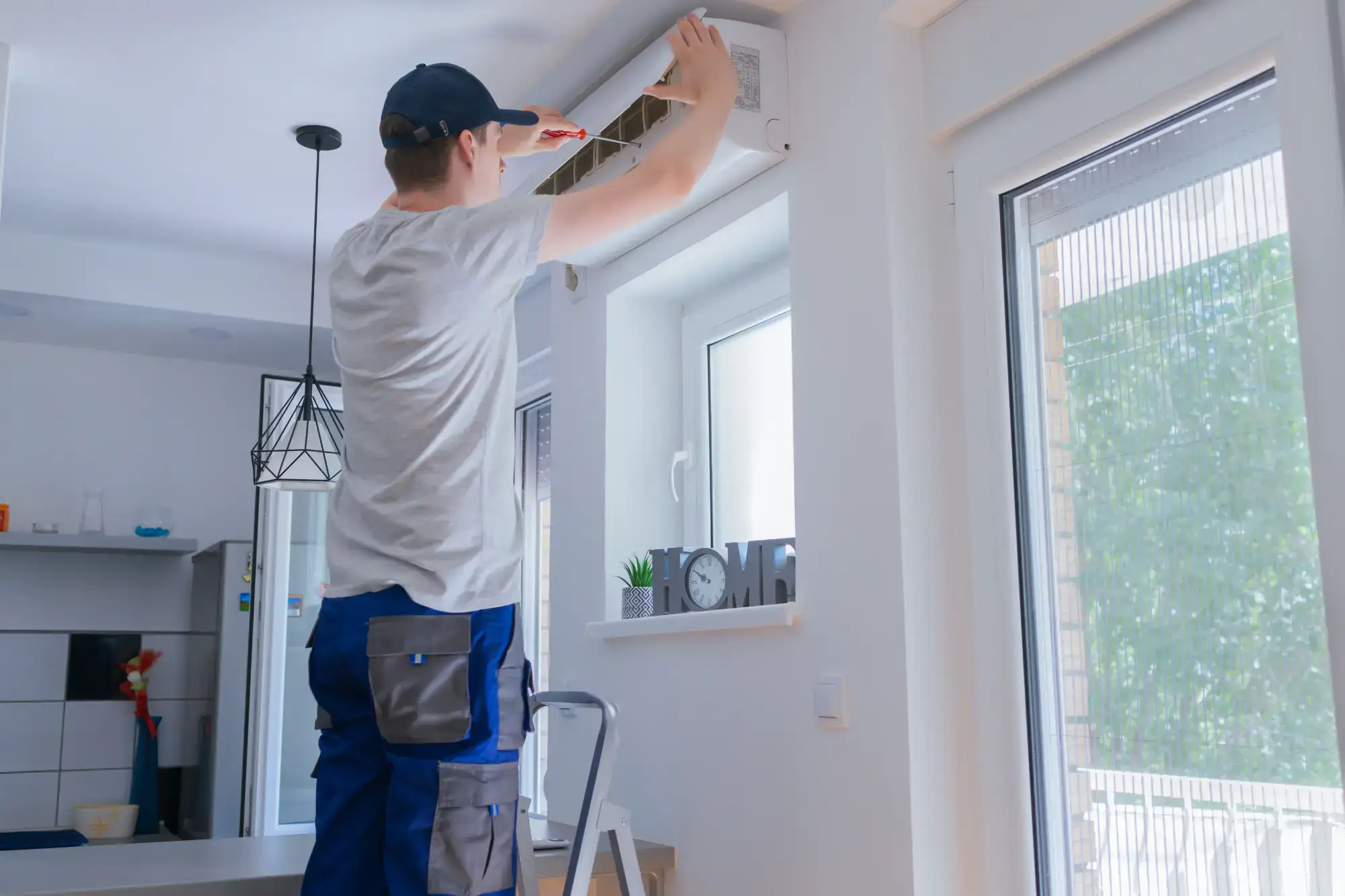
First, we assess your home. That means looking at square footage, insulation levels, ceiling height, window placement, and your current electrical setup. If your panel can’t handle the load, we’ll tell you upfront what needs upgrading before we install anything.
Next, we size the system correctly. Oversized units waste energy and cycle too often. Undersized units run constantly and never reach the temperature you set. We run the load calculation so the equipment matches your actual cooling needs.
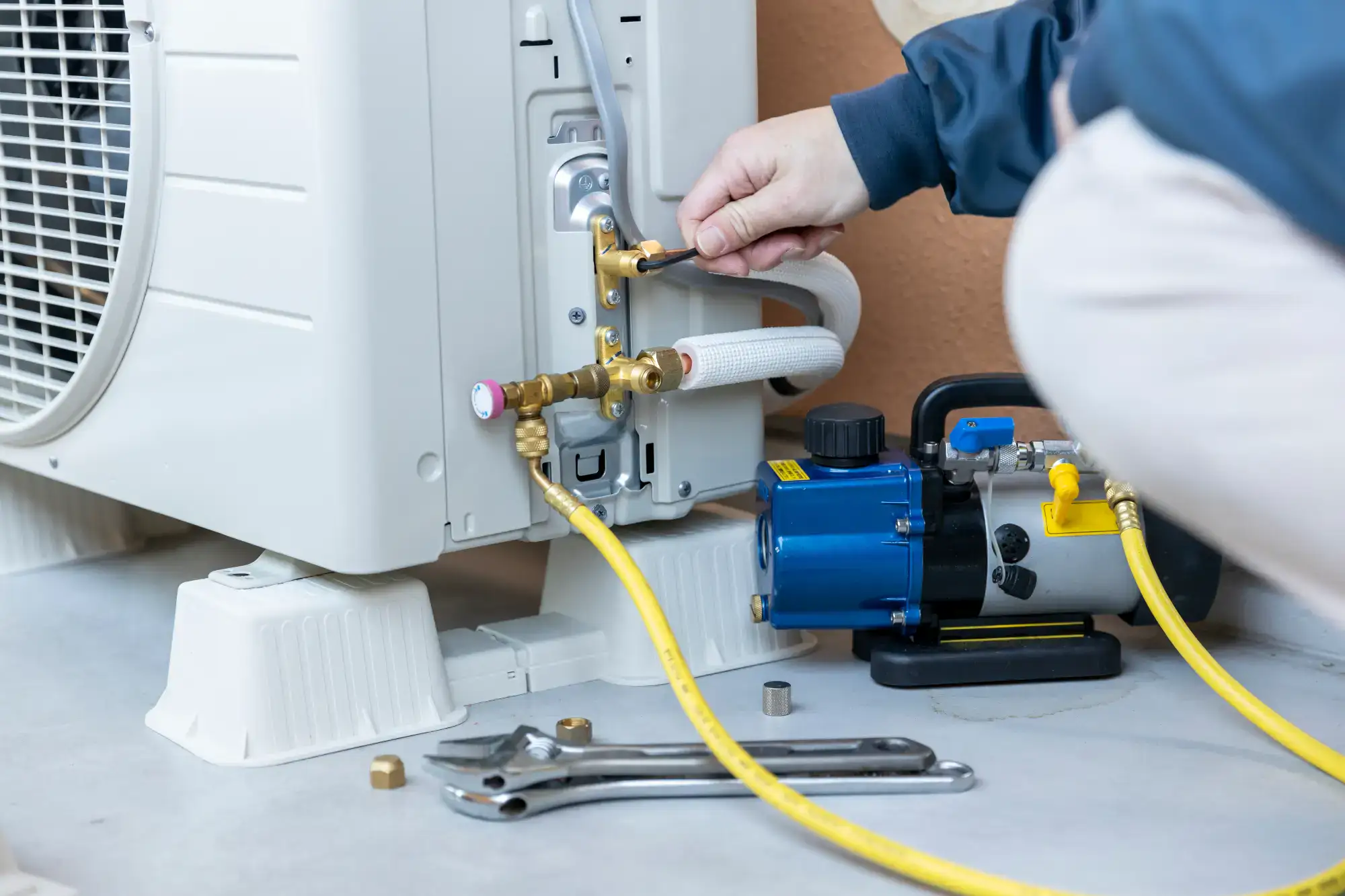
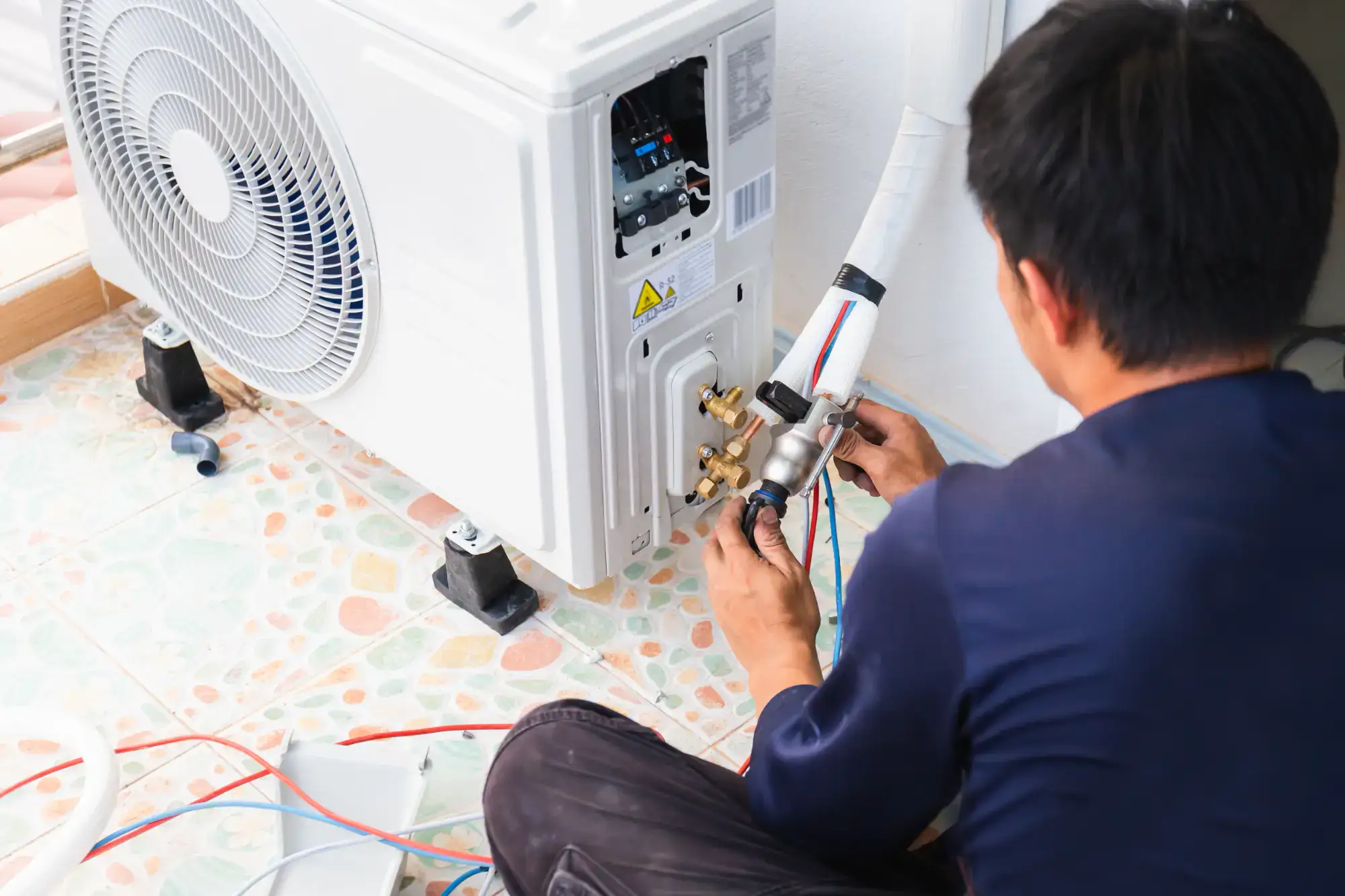
Installation day typically takes four to eight hours depending on whether you’re adding ductwork or working with existing infrastructure. We handle the refrigerant lines, electrical connections, condensate drainage, thermostat setup, and final testing. Before we leave, we walk you through operation and answer any questions about maintenance or warranty coverage.
You’ll have documentation for your records, manufacturer warranty details, and our contact info if anything comes up. Most systems last 12 to 15 years with regular maintenance, and we’re here for the long haul.

Ready to get started?
Every AC unit replacement Springfield Gardens includes the equipment itself, labor, refrigerant lines, electrical connections, condensate drainage setup, thermostat installation or upgrade, permit filing, and final inspection. We protect your floors and property during the install, test the system under load, and clean up completely before we leave.
You’ll also get a breakdown of your manufacturer warranty—typically five to twelve years on parts depending on the brand—and our workmanship warranty covering the installation itself. That includes refrigerant lines, electrical work, mounting, and drainage.
Springfield Gardens homeowners may qualify for rebates through the Inflation Reduction Act, which offers a 30% federal tax credit on heat pump systems up to $2,000. If you’re income-eligible, additional rebates can bring upfront costs down even further. We’ll walk you through what’s available and provide documentation you’ll need when filing.
If financing makes more sense than paying upfront, we can discuss options during your estimate. What matters most is that you’re getting a system that fits your home, your budget, and your cooling needs for the next decade-plus.
Most residential central AC unit installation Springfield Gardens jobs take between four and eight hours. That’s assuming you already have ductwork in place and your electrical panel can handle the load.
If we’re adding ductwork or upgrading your electrical panel to support the new system, expect closer to a full day or potentially two days depending on the scope. Older Springfield Gardens homes sometimes need panel upgrades since many were built before central air became standard.
We’ll give you a realistic timeline during the estimate so you can plan accordingly. We don’t rush the install just to get to the next job. Everything gets tested, checked, and walked through before we consider it done.
It depends on your square footage, insulation, ceiling height, window placement, and how much sun exposure your home gets. There’s no one-size-fits-all answer, which is why we run a load calculation before recommending equipment.
A typical Springfield Gardens colonial might need a 2.5 to 4-ton system, but that’s just a ballpark. If your home has poor insulation, large south-facing windows, or high ceilings, you might need more capacity. If it’s well-insulated with newer windows, you might need less.
Oversized systems cycle on and off too frequently, which wastes energy and wears out components faster. Undersized systems run constantly without ever reaching your set temperature. Proper sizing means the system runs efficiently, cools evenly, and lasts longer. We take the time to get it right.
Yes. We’ve installed central air in plenty of Springfield Gardens homes built in the 1940s, 50s, and 60s. The main considerations are ductwork, electrical capacity, and space for the outdoor condenser unit.
If your home doesn’t have existing ductwork, we can add it or recommend a ductless mini-split system instead. Mini-splits are a good option for homes where running ducts would be invasive or impractical. They also give you zone control, so you’re only cooling the rooms you’re actually using.
Electrical panel upgrades are common in older homes. Many panels from that era weren’t designed to handle the load of modern central air systems. We’ll assess your panel during the estimate and let you know if an upgrade is needed before we proceed with installation.
Central air uses ductwork to distribute cool air throughout your entire home from one indoor unit. A mini-split system uses individual indoor units mounted in specific rooms or zones, with no ductwork required.
Central air makes sense if you already have ducts or want uniform cooling across the whole house. Mini-splits make sense if you don’t have ducts, want zone control, or only need to cool certain areas. Mini-splits are also more efficient since you’re not losing cool air through duct leaks.
For Springfield Gardens homes without existing ductwork, mini-splits often save money on installation and give you more control over where and when you’re cooling. For homes with ducts already in place, central air is usually the simpler and more cost-effective option. We’ll walk through both during your consultation.
Yes. Any new HVAC system installation Springfield Gardens requires a permit to ensure the work meets local building codes and safety standards. That includes electrical connections, refrigerant handling, and proper drainage setup.
We handle the permit filing as part of the installation process. You don’t need to visit the building department or deal with paperwork. Once the install is complete, we schedule the final inspection so everything is documented and code-compliant.
Skipping permits might save a few bucks upfront, but it creates problems down the road. If you ever sell your home, unpermitted work can delay or kill the sale. If something goes wrong with the system, your homeowner’s insurance might not cover it. Doing it right from the start protects your investment.
A straightforward central air installation Springfield Gardens typically runs between $4,000 and $8,000 depending on system size, brand, and whether you need ductwork or electrical upgrades. Mini-split systems range from $3,000 to $6,000 per zone.
If your home needs an electrical panel upgrade, add another $1,500 to $3,000. If we’re adding ductwork where none exists, that’s another $3,000 to $7,000 depending on your home’s layout and how much ductwork is required.
We provide a detailed estimate that breaks down equipment, labor, permits, and any additional work your home needs. No surprise charges, no vague line items. You’ll know exactly what you’re paying for before we start. And if rebates or tax credits apply, we’ll walk you through those too so you’re getting every dollar back that you qualify for.