
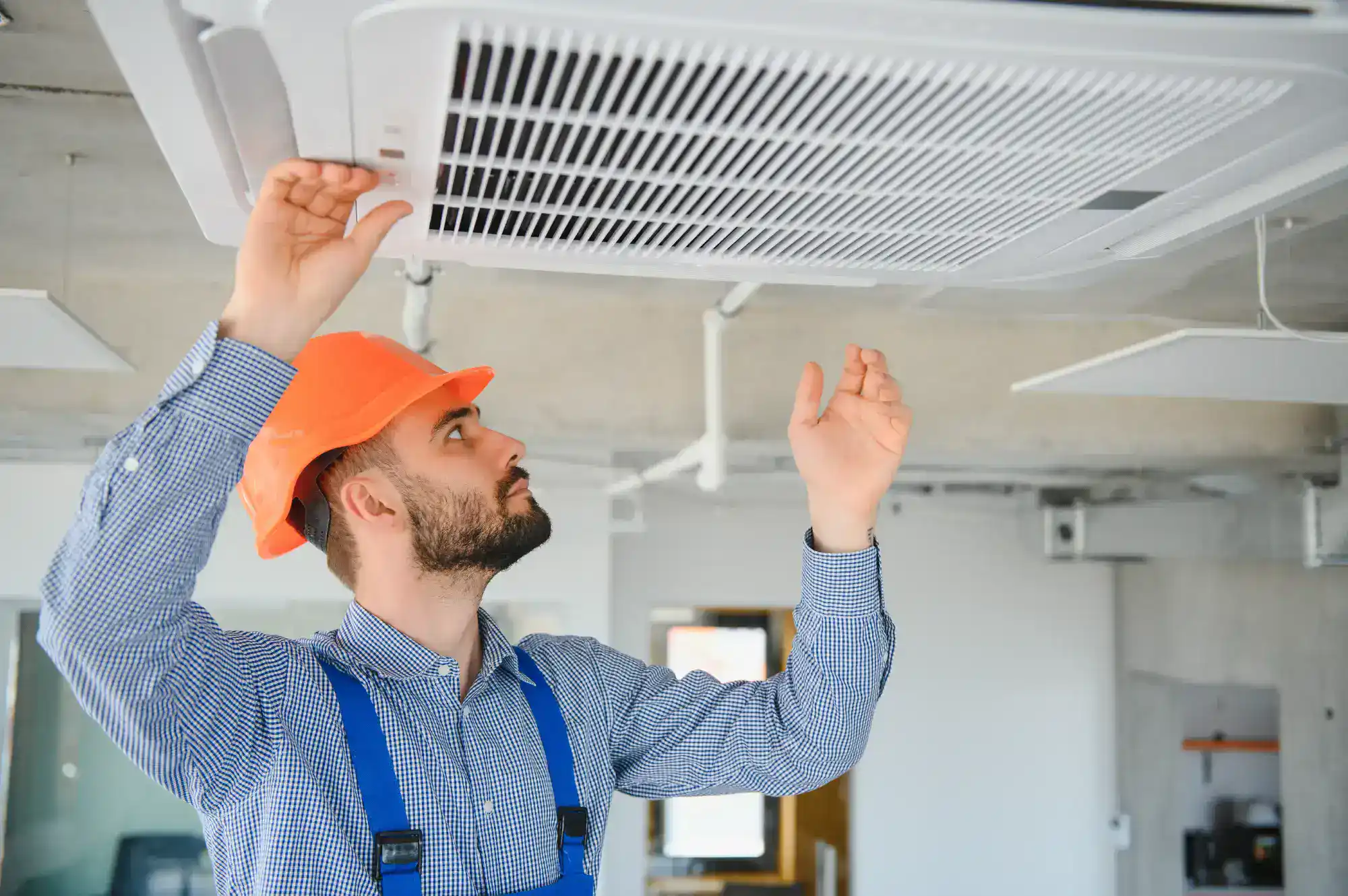
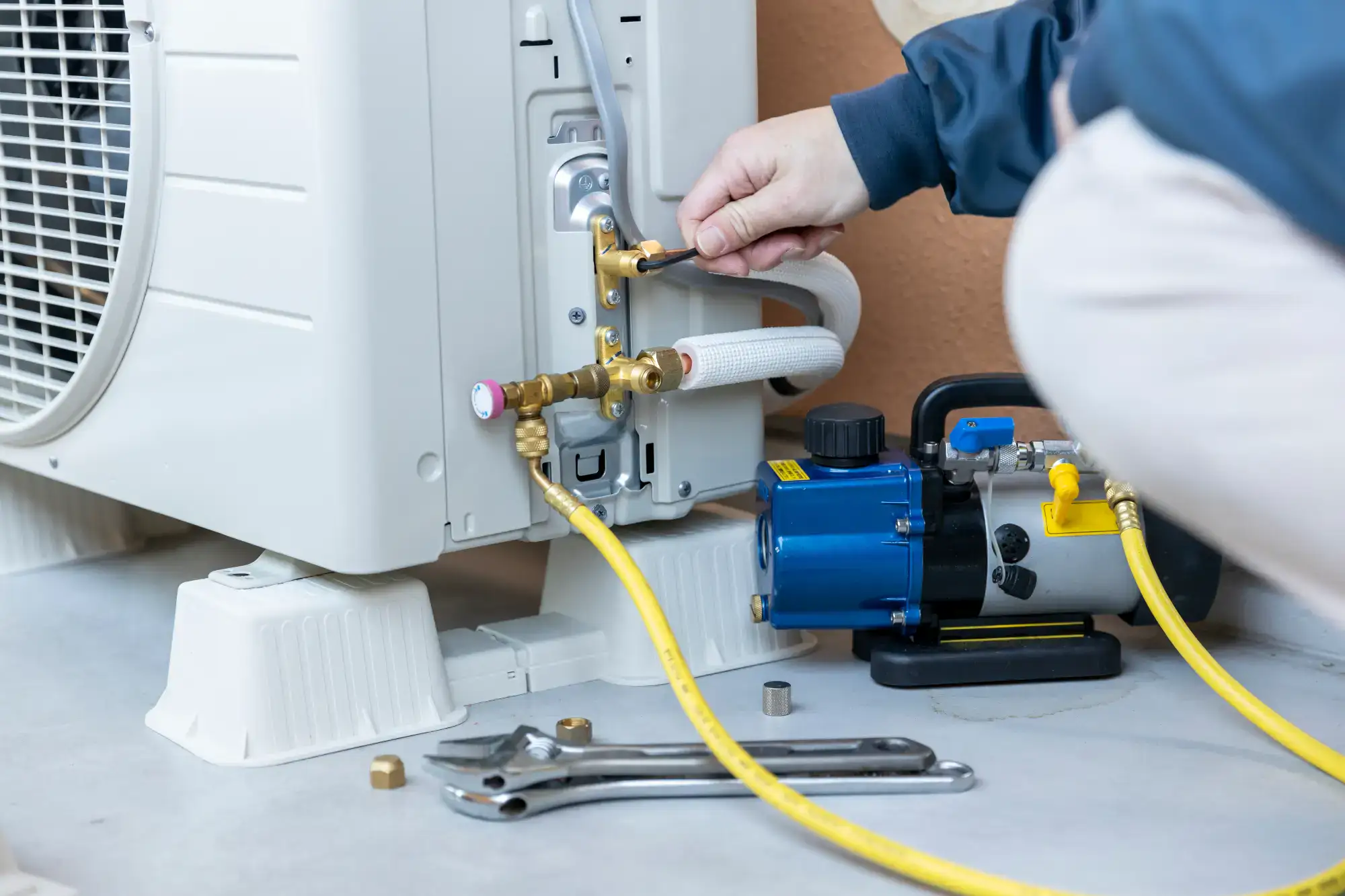
You’re not just getting a box bolted to your wall. You’re getting a system that’s actually sized for your space, installed to code, and running efficiently enough that your electric bill doesn’t make you regret the whole thing by August.
Most AC problems start with bad installation. Units that are too big cycle on and off constantly, wasting energy and leaving humidity behind. Too small, and they run nonstop trying to keep up. We do the load calculations based on your home’s square footage, insulation, windows, and Sunnyside’s coastal humidity so the system matches what you actually need.
That means even cooling in every room, lower monthly costs, and an AC that lasts longer because it’s not overworked. You also get the federal tax credit handled correctly, permits pulled and approved, and a system that doesn’t fail the first time temperatures hit the mid-90s.
We work with homeowners and property managers across Sunnyside who need central air installation or ductless systems that fit older buildings. We’re licensed, insured, and familiar with the pre-war apartments, row houses, and converted spaces that make up most of this neighborhood.
That matters because installing AC here isn’t the same as a newer suburb. Electrical panels might need upgrades. Co-op boards have rules. Buildings have limited exterior access or shared walls. We’ve handled it before, and we know what actually gets approved and what doesn’t.
You’re working with contractors who live in Queens, pull permits through NYC Department of Buildings, and show up when we say we will. No subcontractors from out of state who’ve never seen a building like yours.
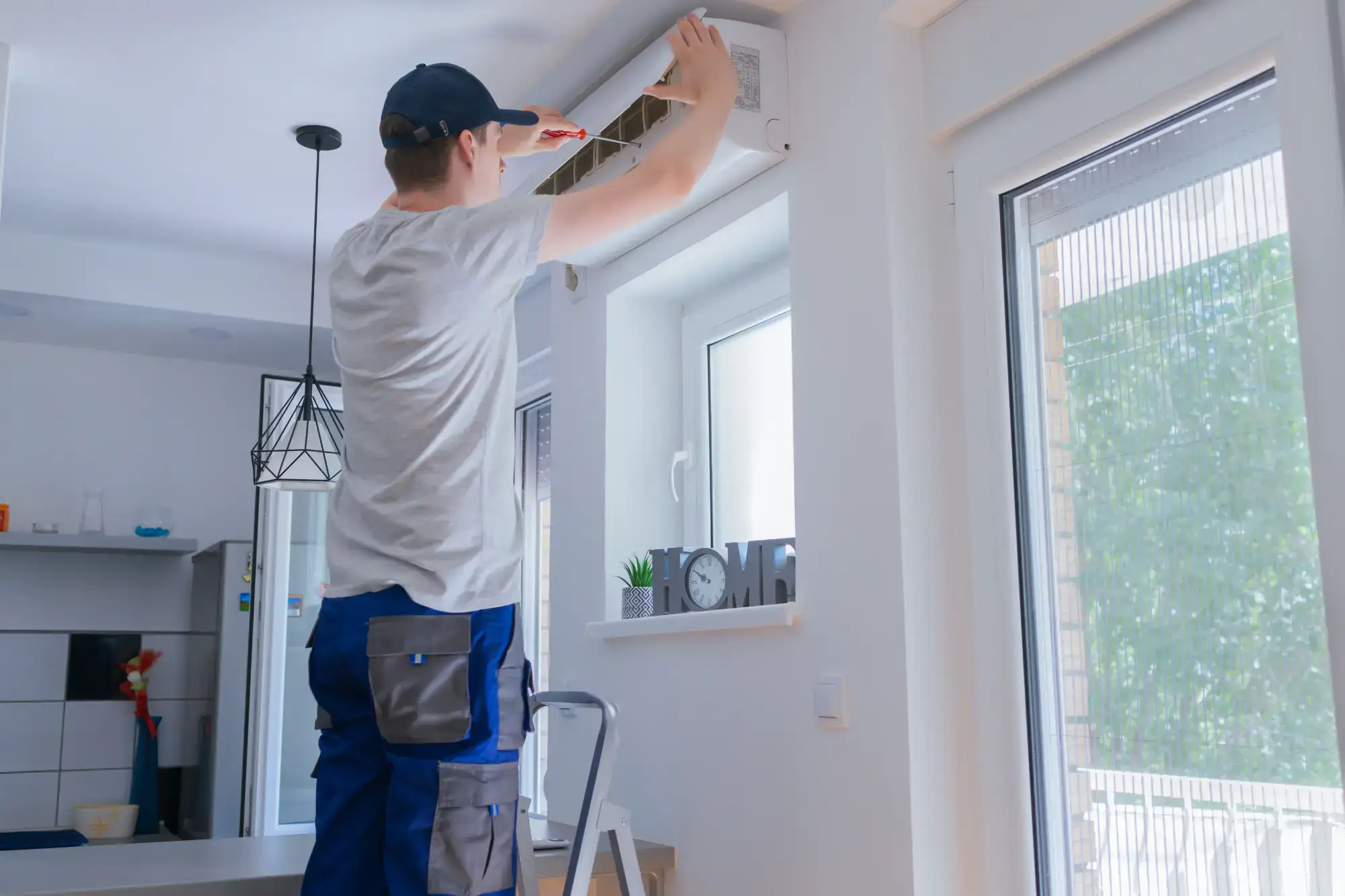
We start with an on-site assessment. That means looking at your space, checking your electrical setup, measuring square footage, and talking through whether central air or ductless makes more sense for your building. If your electrical panel can’t handle the load, we’ll tell you up front what needs upgrading.
Once you approve the estimate, we handle the permit application with NYC Department of Buildings. This isn’t optional, and it protects you if anything ever needs inspection or insurance review. Most installations in Sunnyside take one to three days depending on whether ductwork is involved.
On install day, we remove your old system if there is one, mount and connect the new equipment, test airflow and refrigerant levels, and walk you through the controls. You’ll also get manufacturer warranty info and our workmanship guarantee in writing. After that, you’ve got a system that works and a local team you can call if anything ever comes up.

Ready to get started?
Every air conditioning installation in Sunnyside includes load calculation, equipment that’s properly sized for your home, refrigerant line installation, electrical connection or panel upgrades if needed, thermostat setup, and full permit coordination. We also haul away your old unit and leave the site clean.
You’re also getting equipment that qualifies for federal tax credits through the end of 2025. That’s up to 30% back on qualifying systems, but only if the install is done to code and documented correctly. We handle that paperwork as part of the process.
Sunnyside’s housing stock is mostly older buildings, and that creates specific challenges. Many homes here don’t have central ductwork, which is why ductless mini-split systems are popular. They’re efficient, don’t require tearing into walls, and let you control temperatures room by room. If you do have ducts, we’ll inspect them for leaks or blockages before connecting a new system. Pushing cold air through leaky ducts is like cooling the inside of your walls, and it’s one of the biggest energy wasters we see.
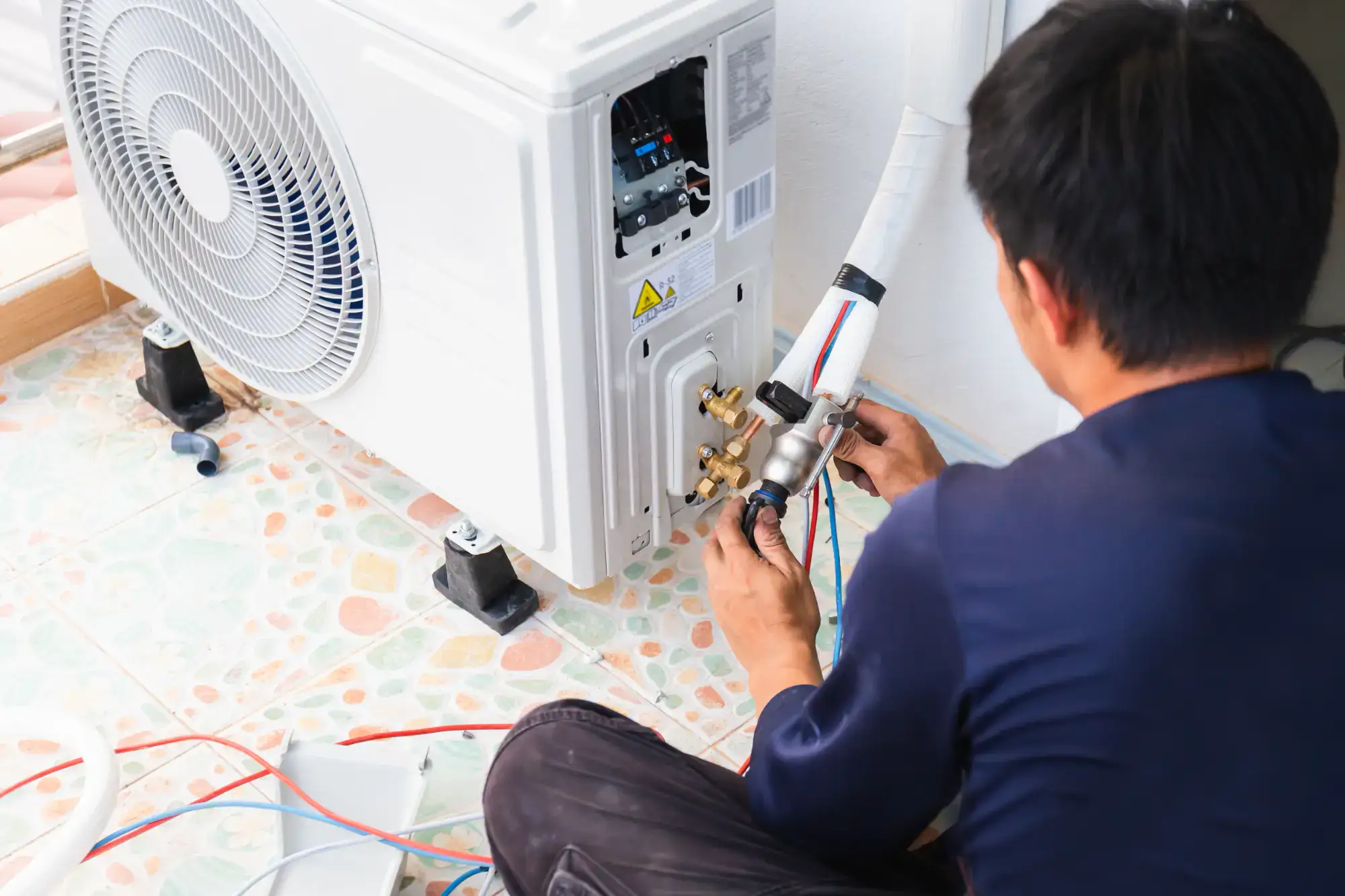
Central air installation in Sunnyside typically runs between $5,000 and $12,000 depending on system size, whether ductwork exists, and if electrical upgrades are needed. Ductless mini-split systems range from $3,000 to $8,000 for a single-zone setup, with multi-zone systems costing more.
Older buildings often need electrical panel upgrades to support modern AC units, which adds $1,500 to $3,000. If you’re in a co-op or condo, there may also be board fees or requirements that affect timing and cost. The federal tax credit covers 30% of the equipment and installation cost for qualifying systems through December 31, 2025, which can bring your out-of-pocket expense down significantly.
We give you a written estimate after seeing your space. That includes equipment, labor, permits, electrical work if needed, and disposal of your old system. No surprise charges later.
Yes. Any new HVAC system installation in New York City requires a permit from the Department of Buildings, and that includes both central air and ductless systems. This isn’t just a formality. Unpermitted work can cause problems with insurance claims, future home sales, or co-op board approvals.
We handle the permit application, submission, and any required inspections as part of the installation process. The permit ensures your system meets electrical code, refrigerant handling regulations, and safety standards. It also creates a paper trail that protects you if anything ever needs to be verified.
Some contractors skip permits to save time or avoid scrutiny on subpar work. That’s a risk you don’t want to take. Permitted work means the job was done correctly and documented properly, which matters if you ever need service, file an insurance claim, or sell your home.
It depends on whether you have existing ductwork and how your home is laid out. Central air makes sense if you already have ducts in good condition and want whole-home cooling from a single outdoor unit. It’s also typically the most cost-effective option for larger homes when ductwork is already in place.
Ductless mini-splits are better if you don’t have ducts, live in a pre-war building where adding ducts isn’t practical, or want to control temperatures in specific rooms independently. They’re more efficient than window units, quieter, and don’t block your windows or require seasonal installation and removal. Many Sunnyside homeowners choose ductless because their buildings weren’t designed for central HVAC.
We’ll assess your space and explain what works best based on your building’s layout, electrical capacity, and cooling needs. There’s no one-size-fits-all answer, and anyone who tells you otherwise without seeing your home is guessing.
Most ductless system installations take one day. Central air installations take two to three days if ductwork already exists and is in good shape. If we’re adding new ductwork or upgrading your electrical panel, expect three to five days depending on the scope of work and permit approval timing.
The permit process with NYC Department of Buildings typically adds a few days to a week before we can start work. We file the application as soon as you approve the estimate, and we’ll give you a realistic timeline based on current processing times and our schedule.
Weather can also affect timing if outdoor work is involved. We’ll keep you updated throughout the process and won’t leave you without cooling during a heat wave. If your old system dies during summer and you need emergency replacement, we’ll prioritize getting you up and running as quickly as permits and equipment availability allow.
The right size depends on your home’s square footage, insulation quality, ceiling height, window placement, sun exposure, and how many people live there. A proper load calculation factors in all of these variables plus Sunnyside’s climate and humidity levels. There’s no accurate answer without seeing your space.
Many contractors skip this step and just replace your old unit with the same size, which is a problem if your original system was incorrectly sized or if you’ve made changes like adding insulation or replacing windows. Oversized units cool too quickly without removing humidity, leaving your home clammy. Undersized units run constantly and never quite catch up on hot days.
We do Manual J load calculations for every installation. It’s the industry standard method for sizing HVAC equipment, and it’s the only way to ensure your system matches your actual cooling needs. That calculation determines the tonnage and BTU capacity your home requires, and we select equipment based on that data, not guesswork.
Yes. The federal Energy Efficient Home Improvement Credit covers up to 30% of the cost for qualifying air conditioning systems and heat pumps installed through December 31, 2025. The maximum credit is $3,200 for HVAC equipment, and it applies to both the unit and installation labor if the system meets efficiency requirements.
You claim the credit when you file your federal taxes using IRS Form 5695. We provide all the documentation you need, including manufacturer certifications and installation receipts. The credit is non-refundable, meaning it reduces your tax liability but won’t result in a refund if it exceeds what you owe.
Some utility companies also offer rebates for high-efficiency systems, though programs and availability change. We’ll let you know what’s currently available when we give you an estimate. Between the federal credit and any utility rebates, you can significantly reduce the upfront cost of a new AC system.