
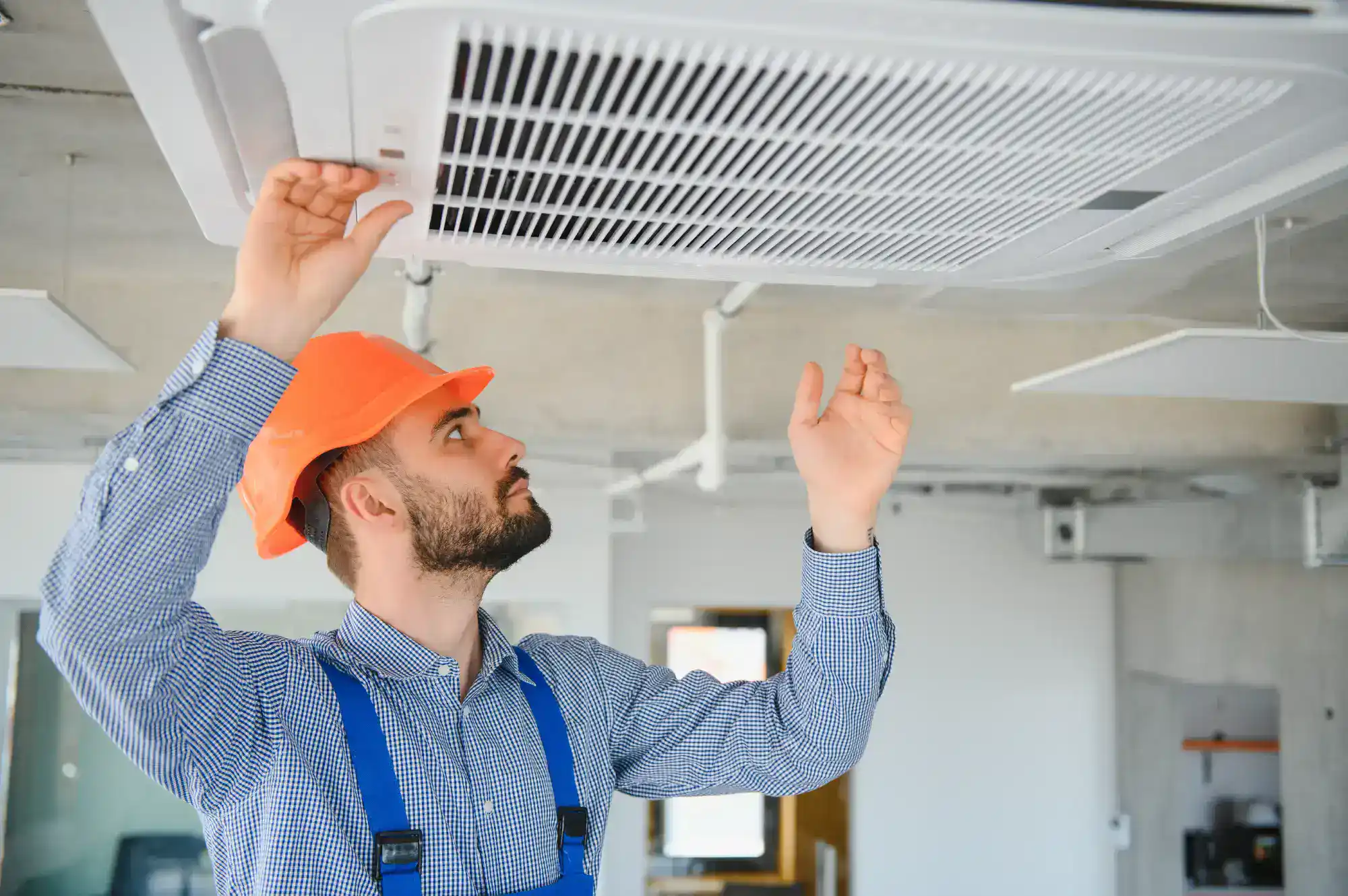
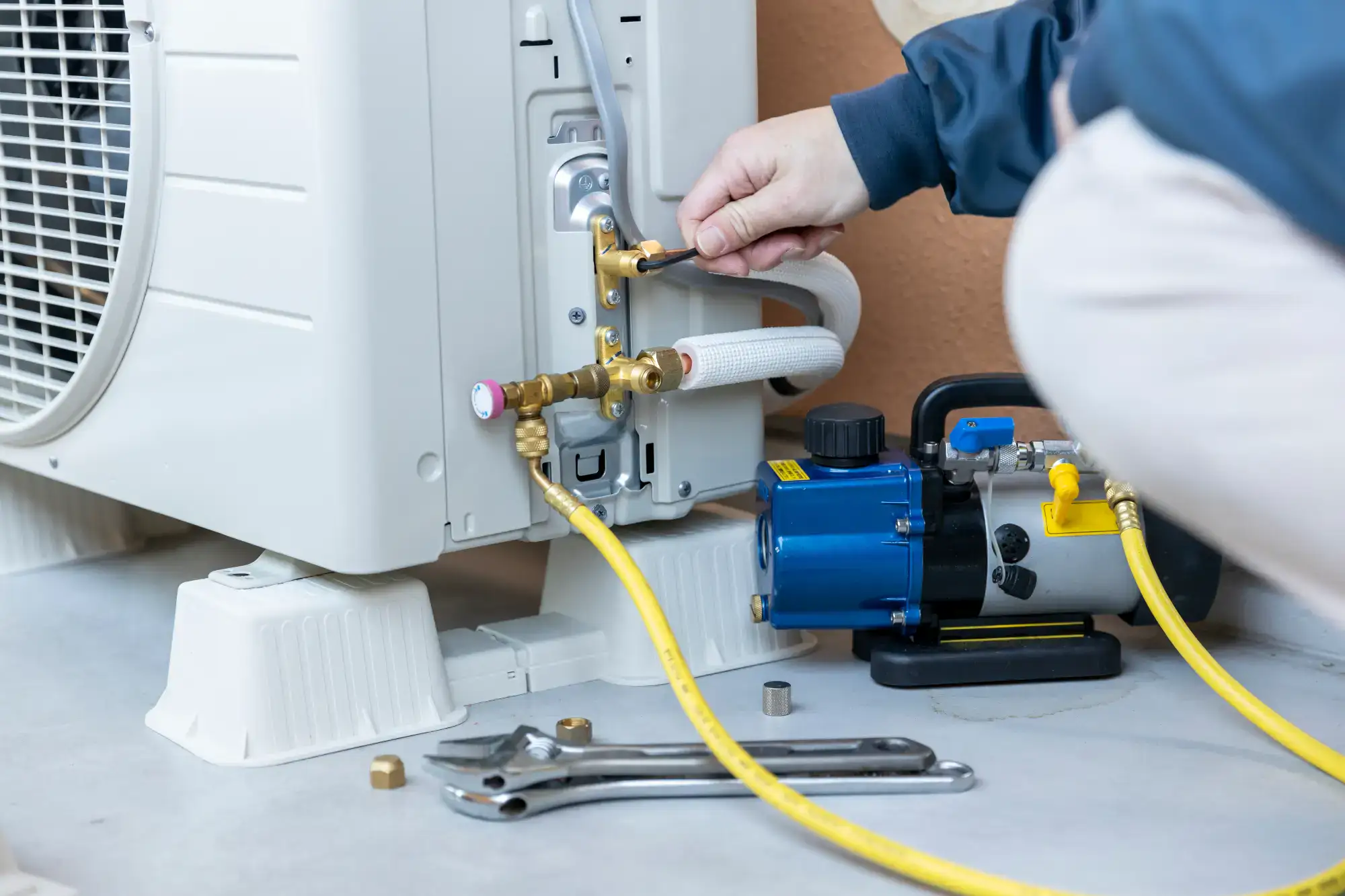
Your AC runs efficiently from day one. No short cycling that wastes energy. No constant running because the unit’s too small. No uneven temperatures where the living room’s freezing but the bedrooms are still warm.
When your system is sized correctly for your space, your monthly bills drop. The equipment lasts longer because it’s not overworking. And you’re not dealing with service calls six months later because corners were cut during setup.
Most homes in Uniondale have central air installation needs that depend on square footage, insulation levels, window placement, and ceiling height. We perform load calculations that factor in your specific conditions rather than guessing based on square footage alone. That’s how you get a system that actually matches what your home needs—not what’s easiest to install or happens to be on the truck.
For over three decades, we’ve handled HVAC system installation in Uniondale and across Nassau County. We’re a family-run operation, which means when you call, you’re talking to people who actually care whether your system works next summer—not just whether it passes inspection today.
We know Nassau County weather. The humidity that rolls in off the coast. The temperature swings that put stress on equipment. The older homes without existing ductwork where ductless systems make more sense than tearing through walls.
You’re not getting a one-size-fits-all pitch. We install Carrier, Trane, Lennox, and Rheem—and we don’t push one brand over another. What matters is your budget, your efficiency goals, and what actually fits your home’s layout and your family’s cooling needs.
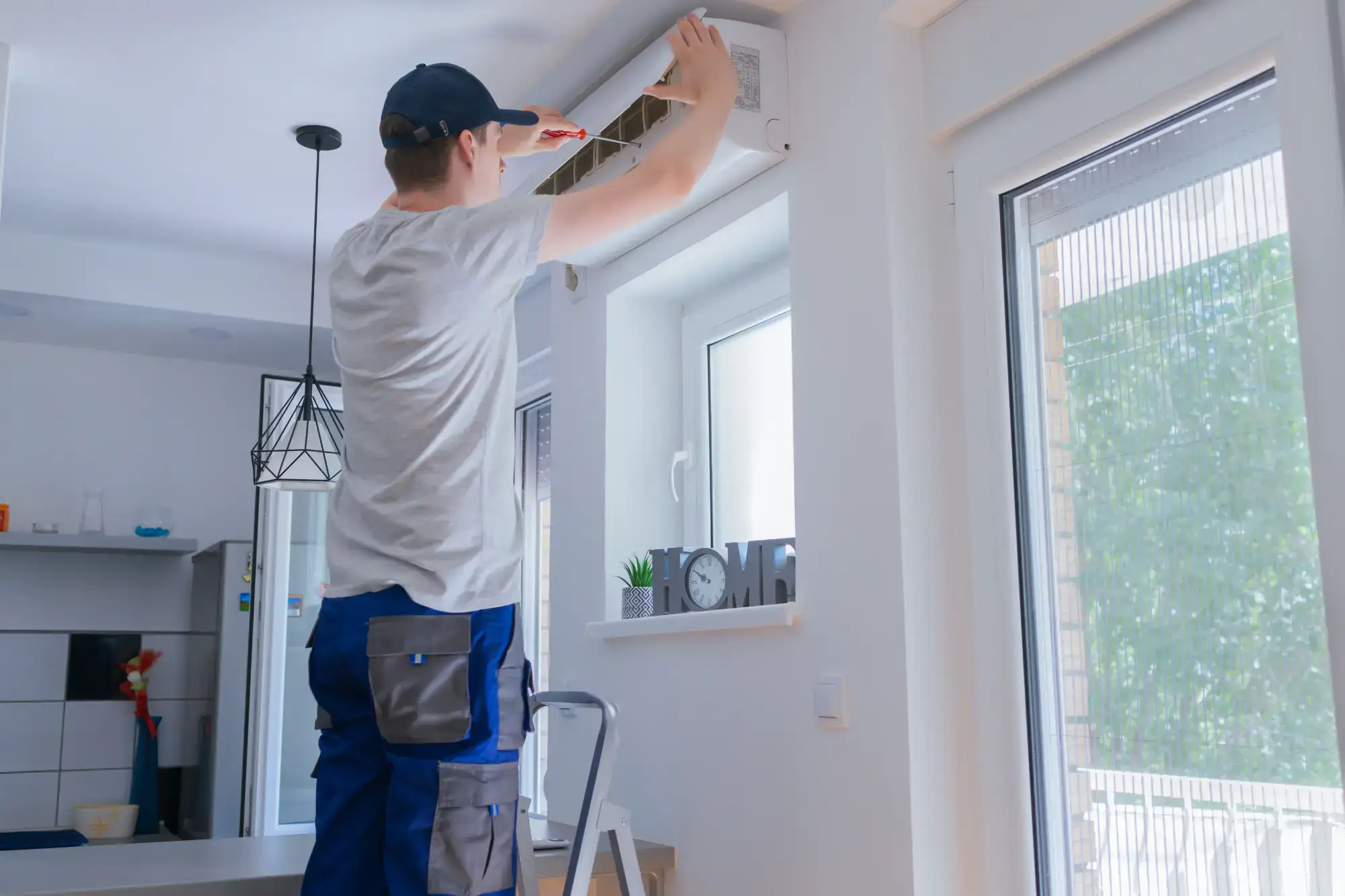
We start with an estimate at your home. That’s where we measure spaces, check insulation, look at window exposure, and run the load calculations that determine what size system you actually need. You’ll get a realistic timeline—most residential AC unit replacement takes 6-8 hours for a complete system—and a breakdown of equipment options that fit your situation.
On installation day, we show up on time with the equipment and materials. If it’s a central AC unit installation job, we’re connecting the outdoor condenser, installing or replacing the indoor air handler, running refrigerant lines, and making sure airflow is balanced throughout your home. If it’s a ductless system, we’re mounting indoor units, running line sets through small holes in exterior walls, and setting up the outdoor compressor.
Before we leave, we test the system under load. We check refrigerant levels, verify airflow at each vent or indoor unit, and make sure the thermostat is communicating properly. You’ll know how to operate everything, and you’ll have our number if something doesn’t feel right later. The installation meets manufacturer specs, which means your warranty stays intact and you’re not dealing with problems down the road because someone rushed the setup.

Ready to get started?
You’re getting a system that’s sized for your home—not oversized where it cycles on and off too frequently, not undersized where it runs constantly trying to keep up. That’s what keeps your monthly bills reasonable and your equipment lasting 15-20 years instead of limping along for 8-10.
In Uniondale, where the homeownership rate sits at 72% and the median household income is $115,037, most homeowners are looking at central air installation that ranges from $4,500 for basic systems to $18,000+ for high-efficiency setups with zoning. If your home doesn’t have existing ductwork, ductless systems work well—installation is less disruptive since we’re not running ducts through walls, and you get independent temperature control in different rooms.
Many installations qualify for utility rebates through PSEG Long Island and federal tax credits up to $2,000 for qualifying heat pumps under the Inflation Reduction Act. We’ll walk you through what’s available based on the equipment you’re considering. Modern systems also handle the coastal humidity typical in Nassau County better than older units, which means better dehumidification without overcooling your space.
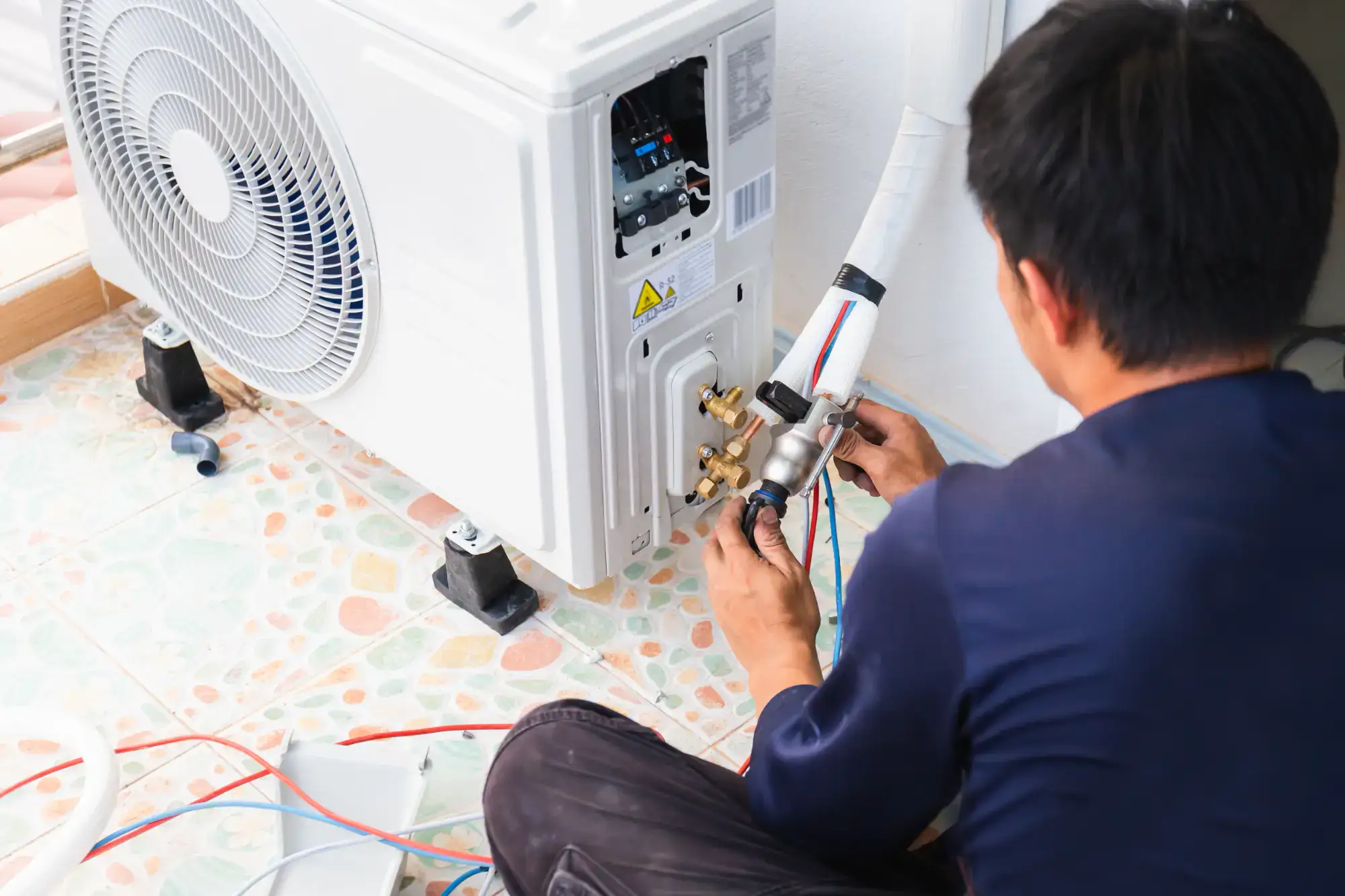
System sizing depends on your home’s square footage, insulation levels, window placement, ceiling height, and how many people typically occupy the space. A proper load calculation factors in all of these variables—not just square footage.
An oversized system cools your home quickly but shuts off before it removes enough humidity, leaving you with that clammy feeling even when the temperature is right. It also cycles on and off more frequently, which wears out components faster and drives up energy costs. An undersized system runs constantly, struggles to keep up on hot days, and burns out prematurely from overwork.
We perform Manual J load calculations during your estimate. That’s the industry standard for sizing residential HVAC equipment. It takes about 30 minutes and gives us the data we need to recommend a system that actually matches your home’s cooling load—not what’s easiest to install or happens to be in stock.
Central air uses ductwork to distribute cooled air throughout your home from a single indoor unit. Ductless systems use individual wall-mounted units in each room or zone, connected to an outdoor compressor by refrigerant lines. Both work well—it depends on your home’s layout and whether you already have ducts.
If your home has existing ductwork in good condition, central air installation is usually the most cost-effective option. We’re replacing the outdoor condenser and indoor air handler, connecting to ducts that are already in place. If your ducts are leaky or poorly designed, we’ll tell you—bad ductwork can waste 20-30% of your system’s output.
If your home doesn’t have ducts—common in older Uniondale homes—ductless makes more sense. Installation is less invasive because we’re not cutting into walls and ceilings to run ductwork. You also get independent temperature control in different rooms, which works well if some family members prefer it cooler than others. The upfront cost is usually higher per room than central air, but you’re not paying to install ductwork.
Most residential air conditioning installation takes 6-8 hours for a complete system replacement. If we’re adding ductwork or installing multiple ductless units, it might stretch into a second day. We’ll give you a realistic timeline during your estimate so you can plan accordingly.
On installation day, we show up with all the equipment and materials. You’ll hear some noise—we’re disconnecting old equipment, mounting new units, running refrigerant lines, and testing everything under load. If it’s central air, we’re working both inside and outside your home. If it’s ductless, we’re drilling small holes through exterior walls for line sets and mounting indoor units where you’ve agreed they should go.
Before we leave, we test the system to make sure it’s cooling properly, refrigerant levels are correct, and airflow is balanced. We clean up our work area and haul away your old equipment. You’ll know how to operate the new system and adjust settings on your thermostat. If something doesn’t feel right in the first few days, call us—it’s easier to address issues immediately than to wait until the problem gets worse.
If your current system is more than 10-15 years old, a new AC installation will almost certainly lower your energy bills. Older systems run at 8-10 SEER (Seasonal Energy Efficiency Ratio). Modern systems start at 14 SEER and go up to 20+ SEER for high-efficiency models.
The bigger factor is proper sizing and installation. An oversized system cycles on and off frequently, which wastes energy and doesn’t remove humidity effectively. An undersized system runs constantly, using more power and wearing out faster. A correctly sized system runs in longer, more efficient cycles and keeps your home comfortable without overworking.
How much you’ll save depends on your current system’s efficiency, how well your home is insulated, and how you use your AC. Most homeowners in Nassau County see a 20-40% reduction in cooling costs when replacing a 10+ year old system with a properly sized modern unit. If you’re also fixing duct leaks or adding insulation, the savings are even higher. We can estimate your potential savings based on your current energy usage and the equipment you’re considering.
Not necessarily, but it often makes sense to replace both at the same time. Your AC and furnace share the indoor air handler and blower motor. If your furnace is more than 15 years old and you’re already paying for labor to replace the AC, replacing both now saves you from paying for installation labor twice.
Replacing both also lets you match components for better efficiency. Modern systems are designed to work together—the air handler, blower motor, and controls are optimized for both heating and cooling. When you mix a new AC with an old furnace, you might not get the full efficiency rating the new equipment is capable of.
If your furnace is relatively new and working well, you can usually keep it and just replace the AC components. We’ll inspect your existing equipment during the estimate and let you know if there’s a reason to replace both now or if you’re fine waiting on the furnace. The decision comes down to the age and condition of your current heating system, your budget, and whether you want to deal with two separate installations or get everything done at once.
We install Carrier, Trane, Lennox, and Rheem—all major manufacturers with strong warranties and reliable performance. We don’t push one brand over another because what matters more than the brand name is getting the right size system with features that match your priorities.
Carrier and Trane are known for durability and have been around for decades. Lennox offers some of the highest efficiency ratings available if that’s your priority. Rheem provides solid performance at a lower price point, which works well if you’re on a tighter budget but still want reliable equipment.
The brand matters less than proper sizing, quality installation, and regular maintenance. A mid-tier system that’s sized correctly and installed properly will outperform a premium system that’s oversized or installed by someone who rushed the job. During your estimate, we’ll explain the differences between models in each brand’s lineup and recommend options based on your budget, efficiency goals, and what makes sense for your home’s specific cooling needs in Uniondale.