
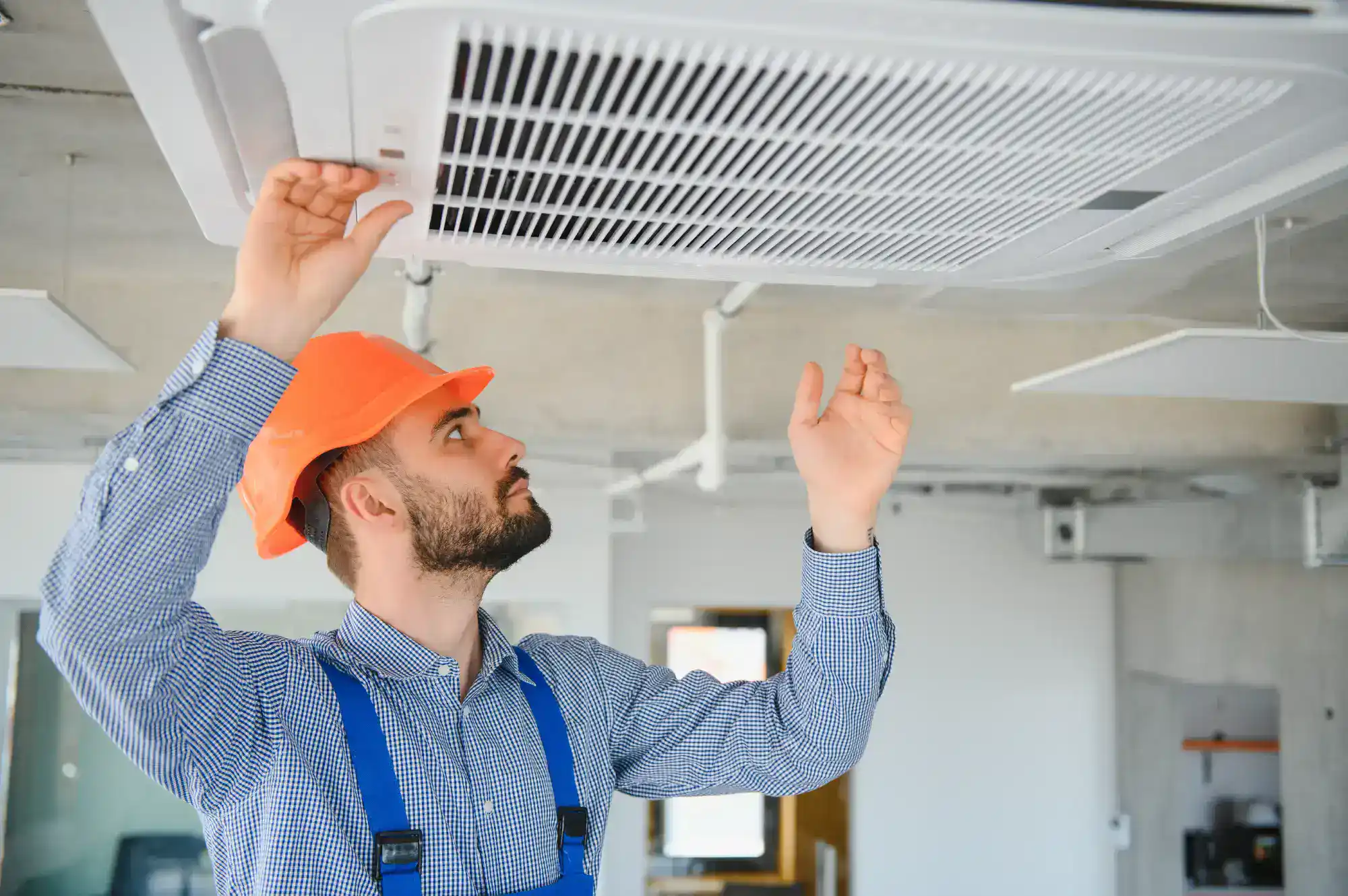
You’re not dealing with hot spots in the bedrooms anymore. The upstairs finally matches the downstairs temperature. Your energy bills stop climbing every time the weather hits 85 degrees.
That’s what a correctly installed central air system does. It removes humidity efficiently, keeps the air moving evenly through your home, and doesn’t force your compressor to work overtime because someone cut corners on the ductwork. When your AC unit replacement in West Hempstead, NY is done right from the start, you’re not calling for repairs three months later or wondering why your electric bill doubled.
You get consistent cooling, cleaner air through proper filtration, and a system that’s actually sized for your square footage. Not the previous owner’s setup that never worked quite right. Not a quick swap that ignores your home’s actual needs. A real installation that starts with measuring your space and ends with you being comfortable all summer.
We handle HVAC system installation in West Hempstead, NY with fully licensed electricians and central cooling experts. We’re based right here on Long Island, so we know what Nassau County summers do to older systems and undersized units.
We don’t show up, glance at your setup for five minutes, and tell you everything’s fine. We run a complete home inspection before any air conditioning installation in West Hempstead, NY to determine the right tonnage, optimal duct placement, and whether your electrical panel can handle the load. That’s not upselling—that’s making sure your new system actually works.
You get honest quotes with no hidden fees, clear explanations of what’s happening and why, and technicians who test everything before they leave. Carbon monoxide testing, digital combustion analysis, system leak checks—the work that matters but most contractors skip.
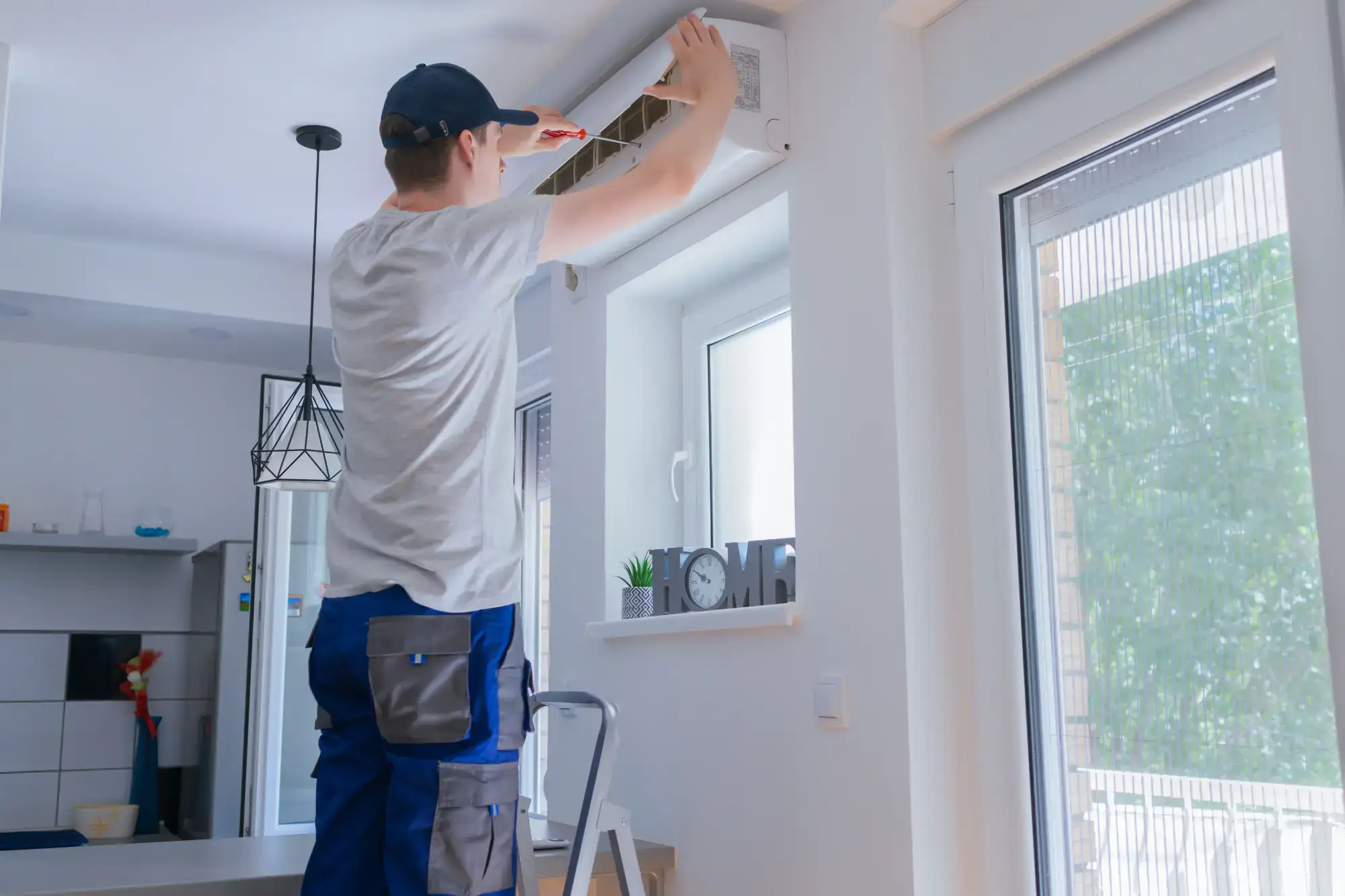
First, we inspect your home to calculate the correct system size. That means measuring square footage, checking insulation, evaluating your existing ductwork, and looking at your electrical capacity. Skipping this step is how you end up with a 3-ton unit trying to cool a 2,000-square-foot house in July.
Next, we map out duct placement if you’re adding central air for the first time or identify modifications needed for your current setup. Airflow problems cause most comfort issues and efficiency losses, so this part matters more than the brand of compressor you choose.
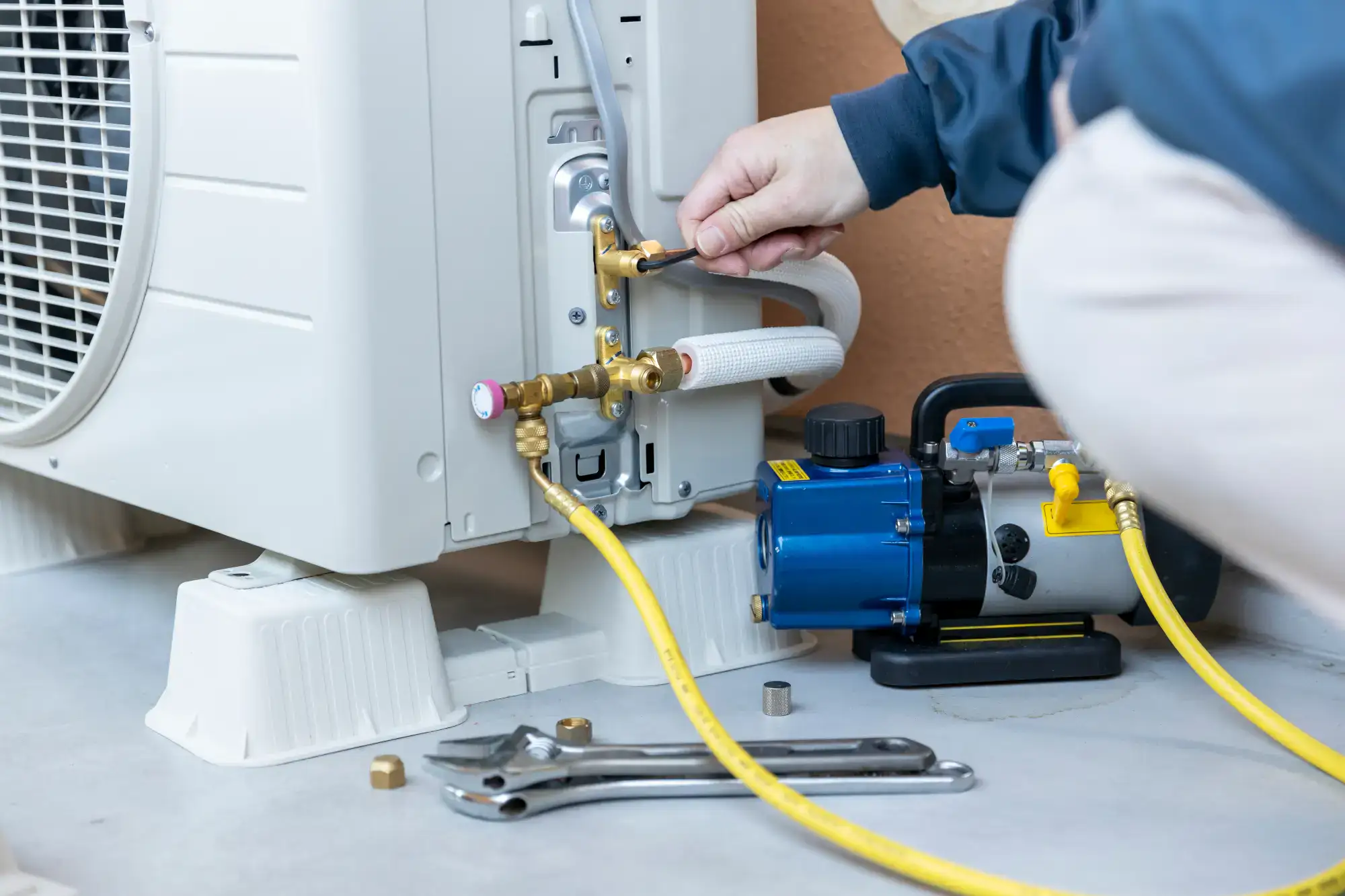
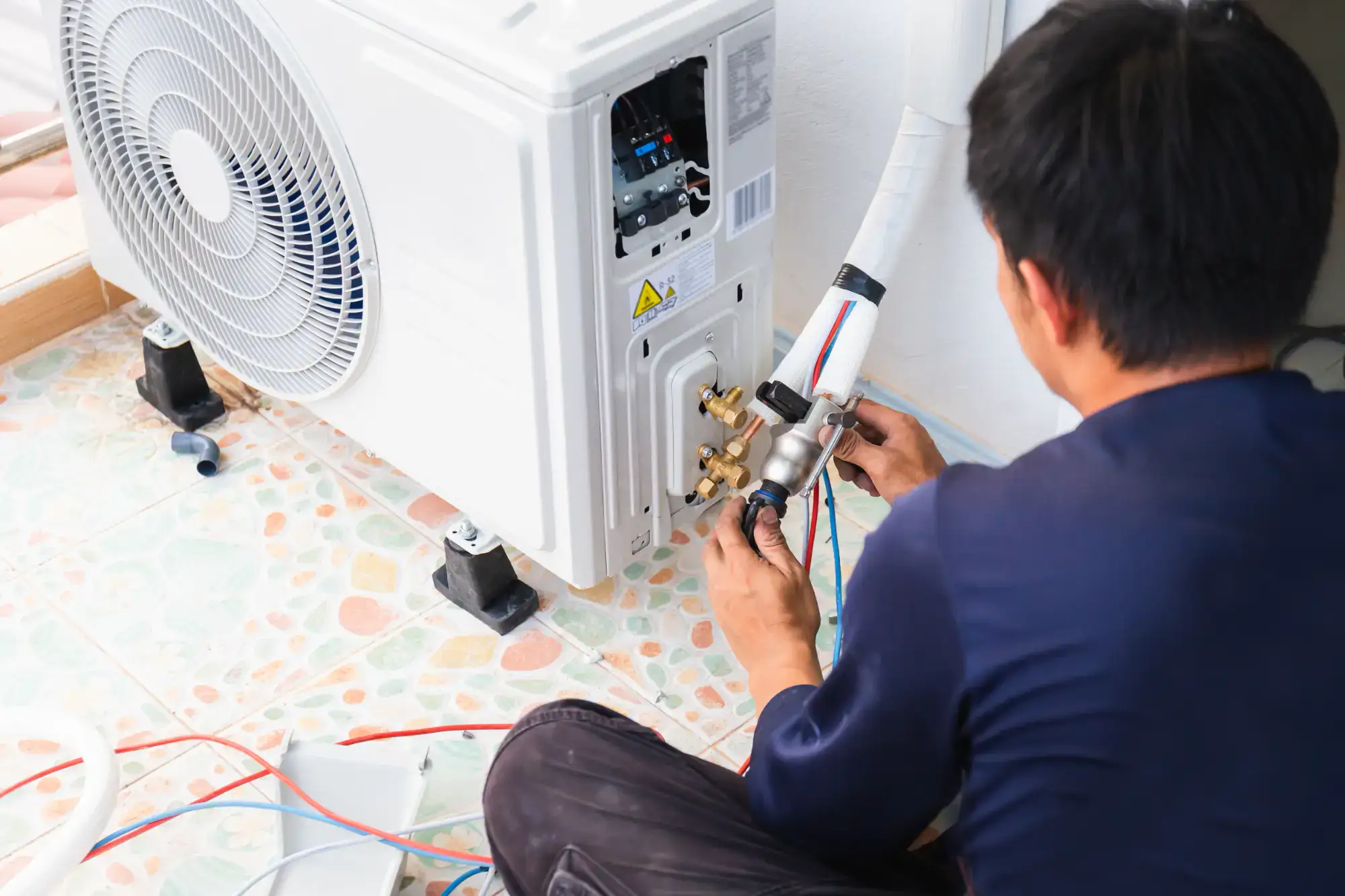
Then comes the actual installation—mounting the outdoor unit on a stable pad, connecting refrigerant lines without leaks, wiring everything to code, and setting up your thermostat. We run a full system test, complete a digital combustion analysis to verify efficiency, and check for carbon monoxide. You get a printout of the results showing your system’s actual performance numbers, not just our word that it’s working.
After we’re done, you know exactly how to operate your new system, what maintenance it needs, and what’s covered under warranty.

Ready to get started?
You’re getting a complete home assessment before we touch anything. That includes load calculations to size your system correctly, ductwork evaluation to spot airflow restrictions, and electrical inspection to confirm your panel can handle the new unit’s requirements.
The installation itself covers removal of your old system, proper disposal, new equipment setup with quality brands like Trane or Carrier, refrigerant line installation, electrical connections, thermostat wiring, and startup testing. We’re not leaving until the system runs at the efficiency it’s rated for.
West Hempstead homes built before 1990 often need duct modifications or electrical upgrades during AC unit replacement. Older homes weren’t designed for modern central air loads, and trying to force a new 16 SEER system onto inadequate infrastructure just creates problems. We’ll tell you upfront if your setup needs work—and why it matters for your comfort and energy costs.
You also get carbon monoxide testing, system leak detection, and a complete digital analysis printout. Plus straightforward warranty information on parts and labor, so you know exactly what’s covered if something goes wrong.
You need a proper load calculation, not a guess based on square footage alone. A licensed contractor should measure your home’s total conditioned space, check insulation levels in the attic and walls, evaluate window sizes and sun exposure, and account for ceiling height and occupancy.
West Hempstead homes vary widely—a 1,500-square-foot ranch with good insulation needs different tonnage than a 1,500-square-foot colonial with an uninsulated attic and west-facing windows. Installing an oversized unit because “bigger is better” actually makes your home less comfortable. The system short-cycles, never runs long enough to remove humidity, and wears out faster.
An undersized system runs constantly, struggles to keep up on hot days, and drives your energy bills up. The right size hits the sweet spot—cooling your home efficiently without constant on-off cycling or marathon run times. That’s why the home inspection happens before we quote you a price.
Replacing only the outdoor condenser unit while keeping your old indoor air handler rarely works well. Modern AC systems are designed as matched pairs—the outdoor and indoor components are engineered to work together at specific efficiency ratings.
When you mix a new 16 SEER outdoor unit with a 15-year-old indoor coil, you’re not getting 16 SEER performance. You’re getting reduced efficiency, potential refrigerant compatibility issues, and a system that’s likely to fail sooner because the components aren’t balanced. Plus, most manufacturers won’t warranty a mismatched system.
A full system replacement costs more upfront, but you’re getting the actual efficiency ratings you’re paying for, a complete warranty on all components, and equipment that’s designed to work together. If your indoor unit is over 10 years old, replacing both at once makes more sense than patching together old and new technology and hoping it works.
A straightforward AC unit replacement usually takes one full day, sometimes stretching into a second day depending on your home’s setup. That’s for homes that already have central air and ductwork in place.
If you’re adding central air to a home that currently uses window units or doesn’t have existing ductwork, expect two to three days minimum. We’re running new ducts, cutting registers, running electrical lines, and making sure everything’s sealed and insulated properly. Rushing that work leads to the airflow problems and hot spots you’re trying to avoid.
The timeline also depends on whether your electrical panel needs upgrading to handle the new system’s load, if we’re modifying ductwork to improve airflow, or if there are access issues in your attic or basement. We’ll give you a realistic timeframe after the initial inspection—not a best-case scenario that assumes everything goes perfectly.
If you’re replacing a system that’s 10-plus years old, yes—you’ll see lower energy costs with a properly installed modern unit. Older systems typically run at 10 SEER or lower. New systems start at 14 SEER and go up to 24 SEER for high-efficiency models.
But here’s what matters more than the SEER rating: correct installation. A 20 SEER system installed poorly will cost you more to run than a 16 SEER system installed correctly. Duct leaks, improper refrigerant charge, and wrong system sizing all kill efficiency regardless of what the equipment is rated for.
West Hempstead homeowners typically see 20-40% reductions in cooling costs when replacing systems from the early 2000s or older, assuming the new system is sized right and installed properly. The exact savings depend on your home’s insulation, how you use the system, and your local electric rates. We can’t guarantee a specific dollar amount, but a modern, correctly installed system will cost less to run than what you’re using now.
We install Trane and Carrier systems because they’re reliable, parts are readily available on Long Island, and they hold up well in coastal climates. Both brands offer solid warranties and have proven track records in Nassau County homes.
That said, the brand matters less than the installation quality. A top-tier Carrier system installed incorrectly will give you more problems than a mid-range Trane system installed right. We focus on matching the equipment to your home’s needs and your budget, then installing it to manufacturer specifications.
Some contractors push specific brands because they get better margins or dealer incentives. We recommend what actually makes sense for your situation—whether that’s a basic 14 SEER single-stage unit for a small ranch or a variable-speed system for a larger colonial with multiple zones. You’re not paying for features you don’t need, and you’re not getting talked into the cheapest option if it won’t keep your home comfortable.
Yes, we work with major lenders who offer financing options with quick approval processes. Replacing an AC system is expensive—usually $5,000 to $12,000 depending on system size, efficiency rating, and installation complexity. Not everyone has that sitting in savings, especially when your system dies in July.
Financing lets you get a properly sized, energy-efficient system installed now rather than limping along with an unreliable unit or making a rushed decision based solely on whatever you can afford to pay in cash that week. You can spread the cost over time while still getting the comfort and efficiency you need.
We’ll walk you through the financing options during your estimate so you know exactly what the monthly payment looks like before you commit. No surprises, no pressure—just clear information so you can make the decision that works for your budget. Some homeowners finance the whole project, others cover part of it and finance the rest. Whatever makes sense for your situation.