

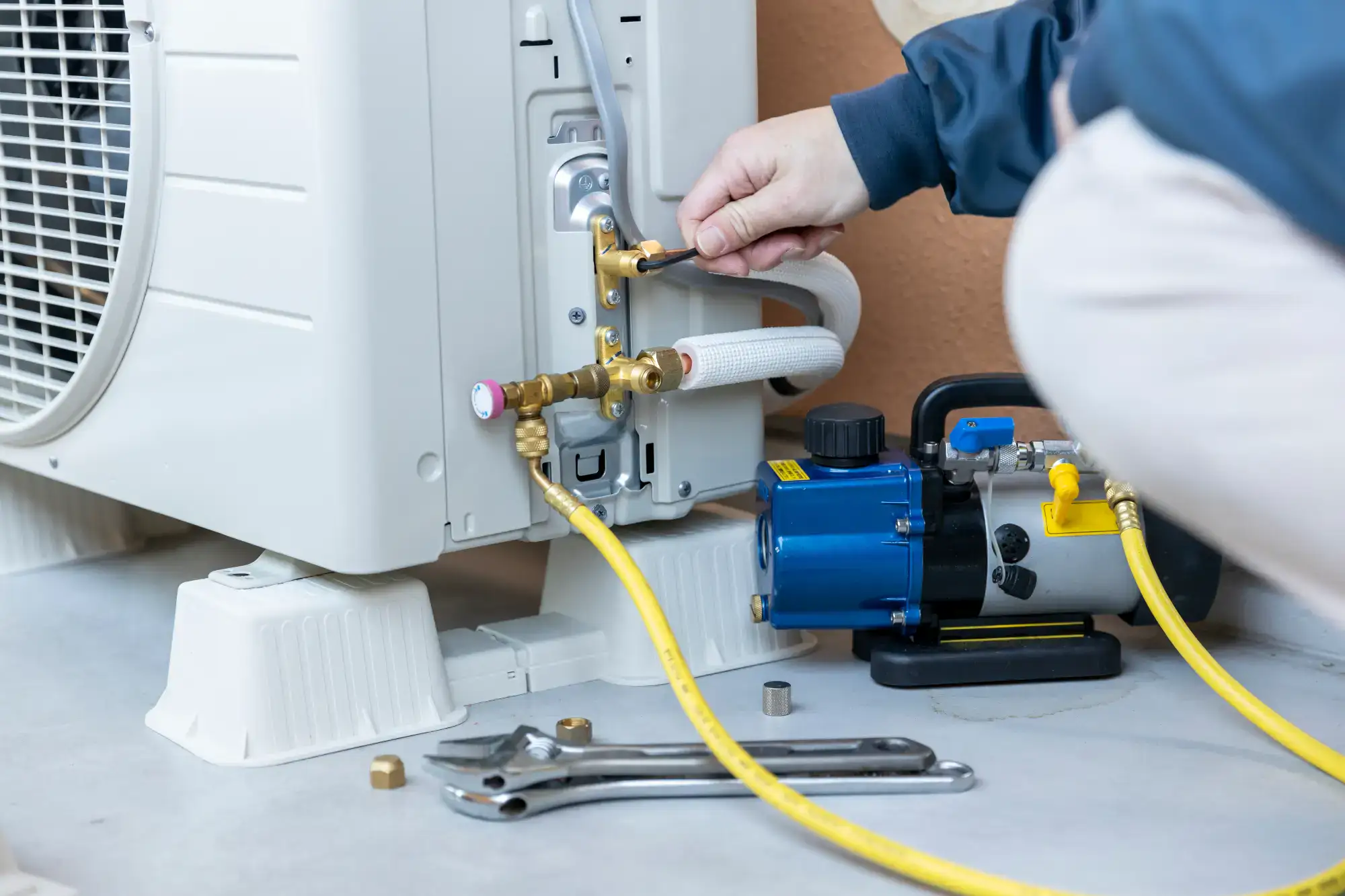
You’re not dealing with another summer of uneven cooling or sky-high electric bills. A properly installed central air system in Whitestone means every room hits the temperature you set, your energy costs stay predictable, and you’re not calling for emergency repairs during the next heat wave.
Whitestone’s seeing more extreme heat every year. This year alone brought seven days over 99°F, and projections show that number jumping to 15 days in the next three decades. Your cooling system isn’t just about comfort anymore—it’s about having reliable protection when temperatures spike.
When your AC installation is done right from the start, you’re looking at 15 to 20 years of consistent performance. That means proper sizing for your square footage, ductwork that actually delivers air where it needs to go, and electrical connections that meet code. No shortcuts, no guesswork.
We work throughout Whitestone and the surrounding Queens neighborhoods. We’re licensed contractors who know the local building codes, understand how older homes in this area are built, and show up when we say we will.
Your home might need creative ductwork solutions if it’s one of the older properties in the neighborhood. Or maybe you’re looking at a high-efficiency system for a newer build. We’ve handled both, and everything in between.
Our reputation depends on getting your installation right the first time. That’s why we walk you through equipment options with transparent pricing, pull the necessary permits, and test everything thoroughly before we’re done.
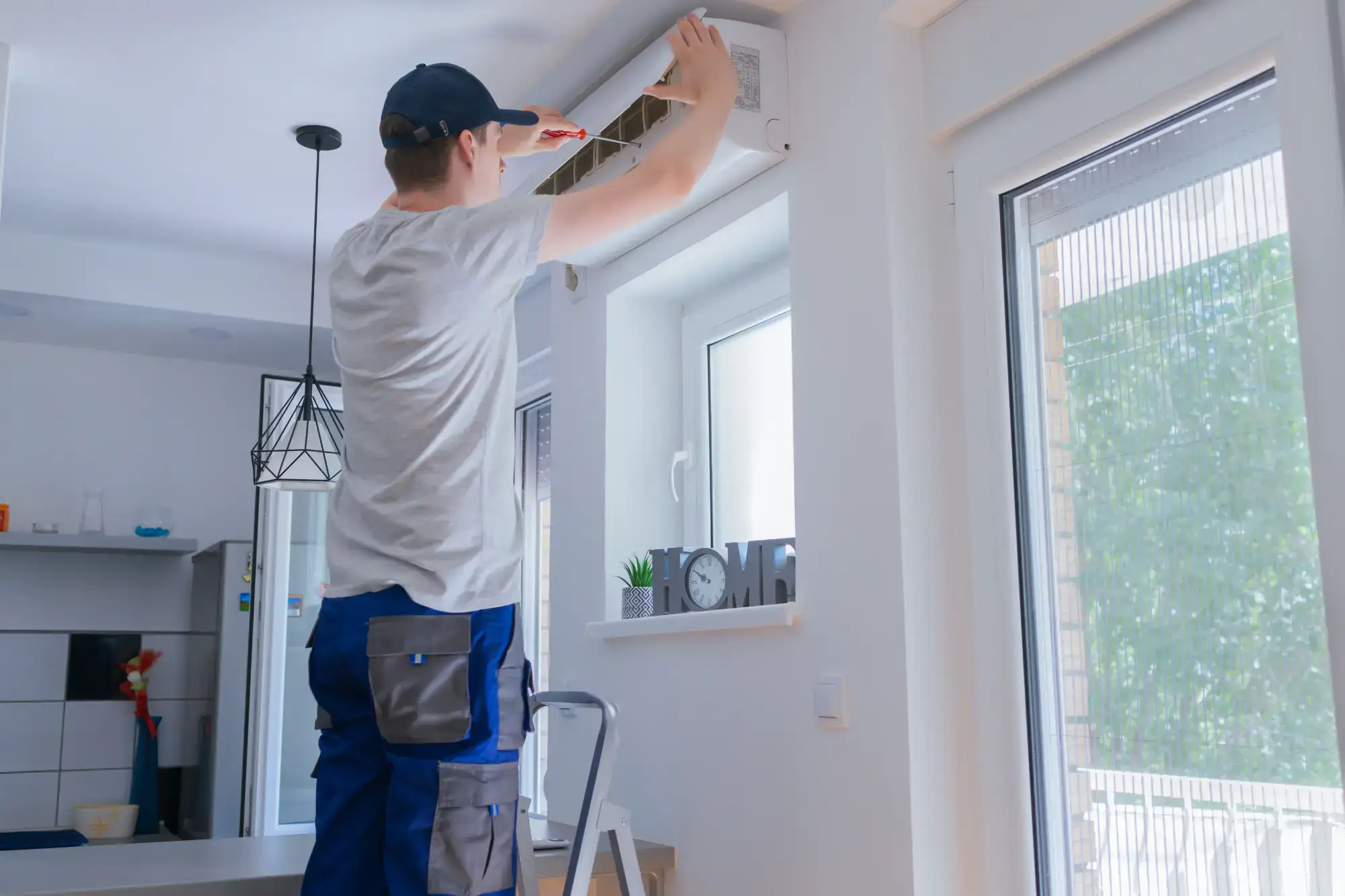
First, we assess your space. That means measuring square footage, checking your insulation, evaluating existing ductwork if you have it, and calculating the right system size. An oversized unit cycles on and off constantly and drives up your bills. An undersized one runs nonstop and never quite gets the job done.
Once we’ve determined what you actually need, we walk you through your options. Central AC systems work well if you already have ducts. Ductless systems make sense for homes without existing ductwork, room additions, or if you want different temperatures in different zones. You’ll see transparent pricing for each option before any work starts.
Installation day, we handle the permits and show up with everything we need. Most residential AC installations in Whitestone take one to two days. Straightforward replacements typically wrap up in six to eight hours. We’re installing equipment according to manufacturer specifications, making all electrical connections, modifying ductwork if needed, and setting up your thermostat.
Before we leave, we test the entire system. You’ll see how everything works, understand your warranty coverage, and have our number if anything comes up.

Ready to get started?
Your AC installation in Whitestone covers the complete job. We’re handling system sizing, professional equipment installation, all electrical connections, permit processing, code compliance, and full system testing. If your home needs ductwork modifications, that’s part of the conversation upfront—not a surprise add-on later.
You’ll get manufacturer warranties on your equipment and our workmanship guarantee on the installation. We set up your thermostat, commission the system, and walk you through everything before we consider the job done.
Timing matters in this business. Fall and spring installations often save you 10% to 15% on equipment costs because those are slower periods for HVAC contractors. Summer heat waves mean longer wait times and emergency pricing. Winter’s when furnaces take priority. If you’re planning ahead, you’re usually in better shape.
The climate data for Whitestone shows a clear trend toward hotter summers. That 114% increase in days over 99°F isn’t just a statistic—it’s what your cooling system needs to handle for the next couple decades. Proper installation now means you’re ready for what’s coming.
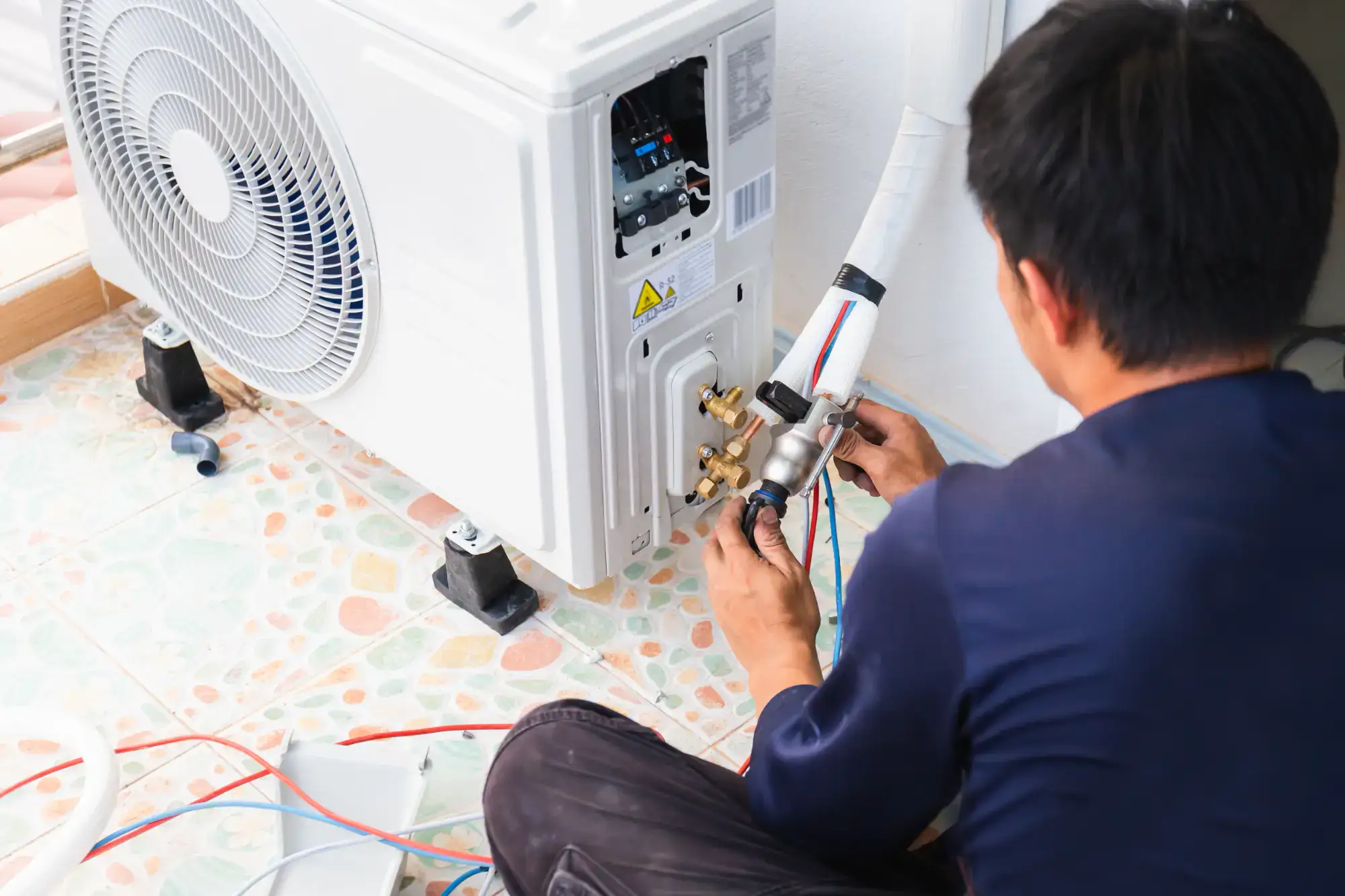
Basic central AC replacement in Whitestone typically runs between $3,000 and $7,000. That’s for a straightforward swap where your existing ductwork is in good shape and you’re replacing a similar-sized unit.
High-efficiency systems cost more upfront but reduce your monthly electric bills. Ductless systems range from $2,000 to $5,000 per indoor unit, depending on how many zones you’re cooling. If your home needs new ductwork or significant modifications, that changes the scope and the price.
The honest answer is that every home is different. Your square footage, insulation quality, existing infrastructure, and the system you choose all factor into final costs. We measure everything, assess what you actually need, and give you transparent pricing before any work starts.
Most residential AC installations in Whitestone take one to two days. If you’re doing a straightforward replacement—swapping out an old central AC unit for a new one with existing ductwork in decent shape—that usually takes six to eight hours.
Ductless system installations can be faster if you’re only doing one or two zones. Whole-home installations with ductwork modifications take longer. Older homes sometimes need creative solutions to route ducts properly, and that adds time.
We give you realistic timelines upfront and keep you updated throughout the process. Weather can occasionally delay outdoor work, and permit processing times vary. But once we start your installation, we’re not leaving until the system is fully tested and running properly.
If your system is over 12 years old and needs a major repair, replacement usually makes more financial sense. AC units typically last 15 to 20 years with proper maintenance. Once you’re past that 12-year mark, you’re looking at decreased efficiency, higher energy bills, and more frequent breakdowns.
Here’s the math that matters: if your repair costs more than half the price of a new system, and your unit is already old, you’re throwing money at a problem that’s only going to get worse. Newer systems are significantly more energy-efficient, which means lower monthly costs even with the upfront investment.
You’ll also want to consider refrigerant changes. Older systems use R-22, which is being phased out and getting expensive. If your system needs a refrigerant recharge and uses R-22, that’s usually a sign it’s time to replace rather than repair.
The right size depends on your home’s square footage, insulation quality, window placement, ceiling height, and how many people typically live there. A general rule is about 20 BTUs per square foot, but that’s just a starting point—not a final answer.
Oversized units are a common mistake. They cool your home too quickly, shut off before removing humidity, and cycle on and off constantly. That drives up your electric bill and wears out components faster. Undersized units run continuously, never quite reach your target temperature, and burn out sooner than they should.
We measure your actual space, check your insulation, evaluate sun exposure, and calculate the load properly. That’s how you end up with a system that runs efficiently, maintains consistent temperatures, and lasts as long as it should. Guessing at size is expensive in the long run.
Yes, AC installation in Whitestone requires permits, and working with licensed contractors means you’re covered. Permits ensure your installation meets local building codes and electrical requirements. They also protect you if you ever sell your home—unpermitted work can create problems during inspections.
The permit process covers electrical connections, refrigerant handling, and system placement. Licensed HVAC contractors know exactly what’s required, how to file properly, and what inspectors look for. We handle all permit processing as part of your installation.
Skipping permits might seem like a way to save money, but it’s not. If something goes wrong with an unpermitted installation, your homeowner’s insurance might not cover damages. And when you sell, buyers’ inspectors will flag unpermitted HVAC work, which can kill deals or force you to rip everything out and start over properly.
Central AC uses ductwork to distribute cool air throughout your entire home from one outdoor unit. Ductless systems have an outdoor unit connected to one or more indoor units mounted on walls, with no ducts required. Each works well in different situations.
Central air makes sense if you already have ductwork in good condition and want whole-home cooling from a single thermostat. It’s typically less visible since vents blend into your ceilings or floors. Ductless systems work better for homes without existing ducts, room additions, or if you want independent temperature control in different areas.
Ductless installations are often faster and less invasive since we’re not running new ductwork through walls and ceilings. They’re also more efficient in some cases because you’re not losing cooled air through leaky ducts. But central AC usually costs less upfront if your ductwork is already there and functional. We assess your specific situation and show you what makes sense for your home and budget.