
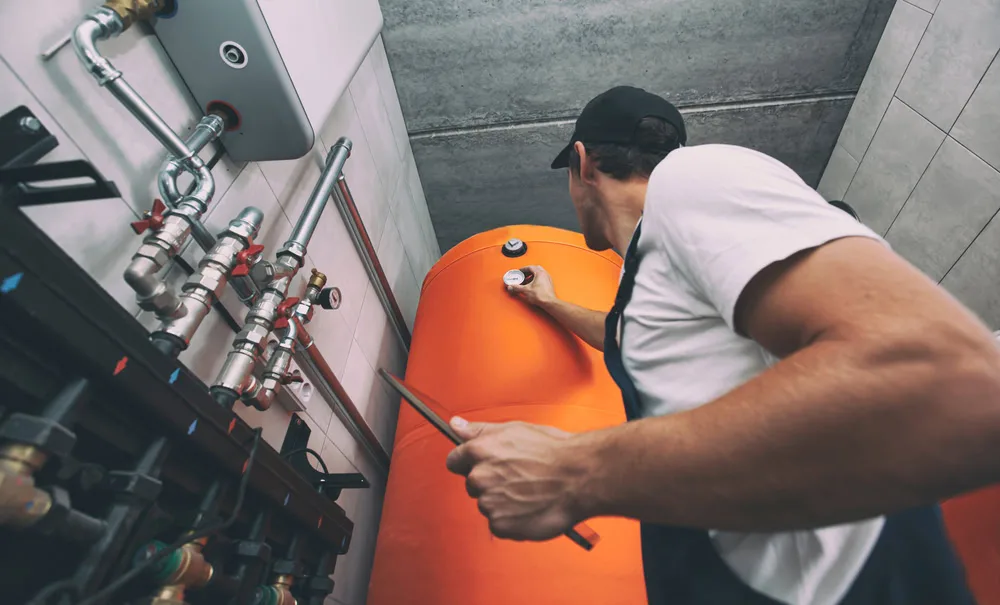
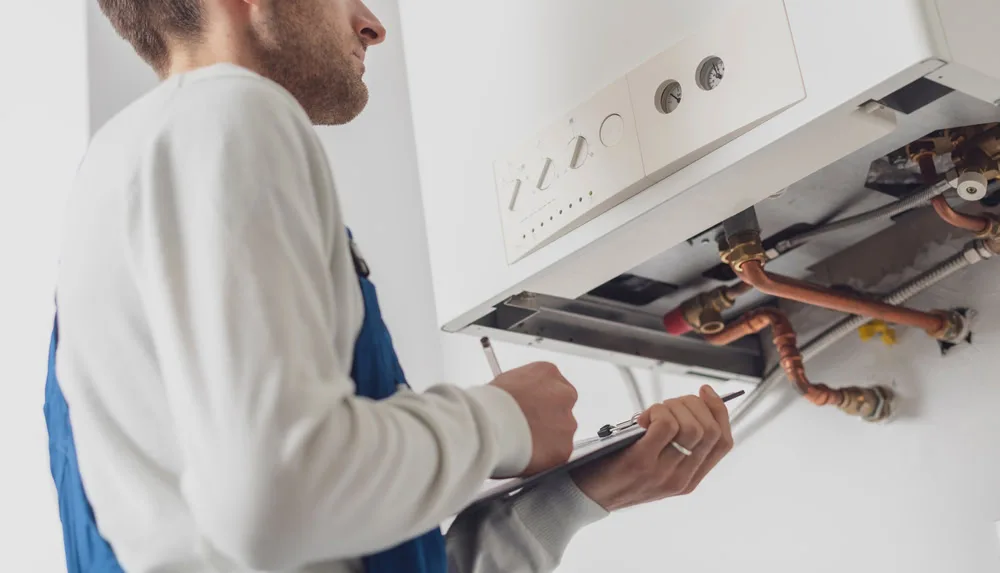
Your boiler quits in the middle of a cold snap. You need heat now, not a callback in three days.
Most emergency calls in Briarwood get same-day service, often within hours during business hours. Our trucks carry common parts for both gas and oil systems, which means the majority of repairs get completed during that first visit. No waiting on parts orders. No second appointments if we can avoid them.
You’ll know upfront what the repair costs before work starts. If your system is old enough that replacement makes more financial sense than repair, you’ll hear that too. Straight talk about whether fixing it is worth your money or if you’re better off investing in a new system. That’s the conversation you need when a boiler over 15 years old needs a major component replaced or when repair costs push past $2,000.
We’ve spent years handling residential boiler repair in Briarwood, NY and throughout Queens. We’re licensed and insured, with technicians who’ve worked on the older heating systems common in this area’s co-ops and single-family homes.
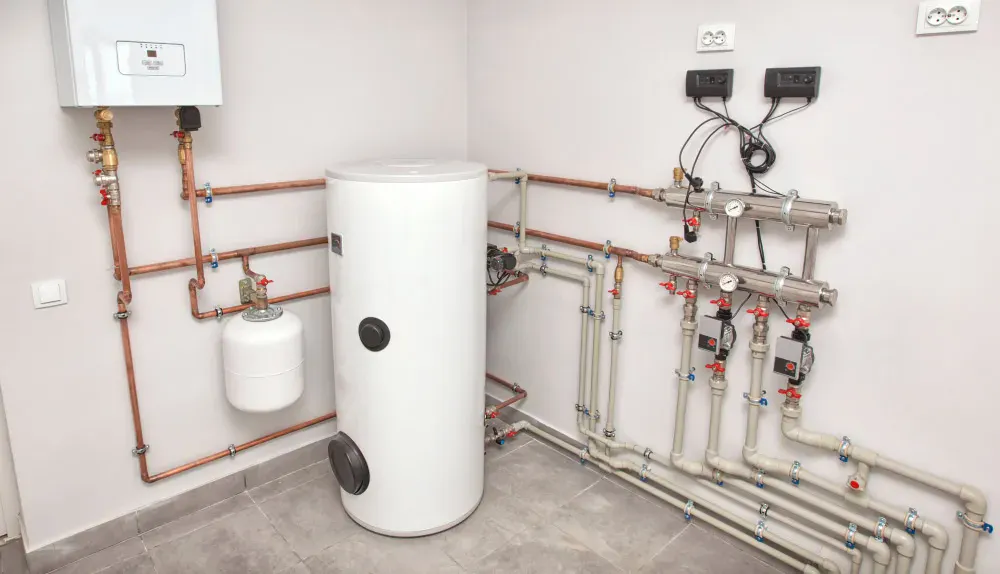
Briarwood has a mix of building types. Many are pre-war construction with steam radiator systems and central boilers. Others are newer with hot water systems. Our techs carry diagnostic equipment and parts for both gas boiler repair and oil boiler repair in Briarwood, NY, because we know what’s actually installed in these neighborhoods.
If you’re in a co-op building, we’re familiar with the coordination requirements. Building management protocols, insurance documentation, scheduling around residents—we’ve done it enough times to make it smooth.
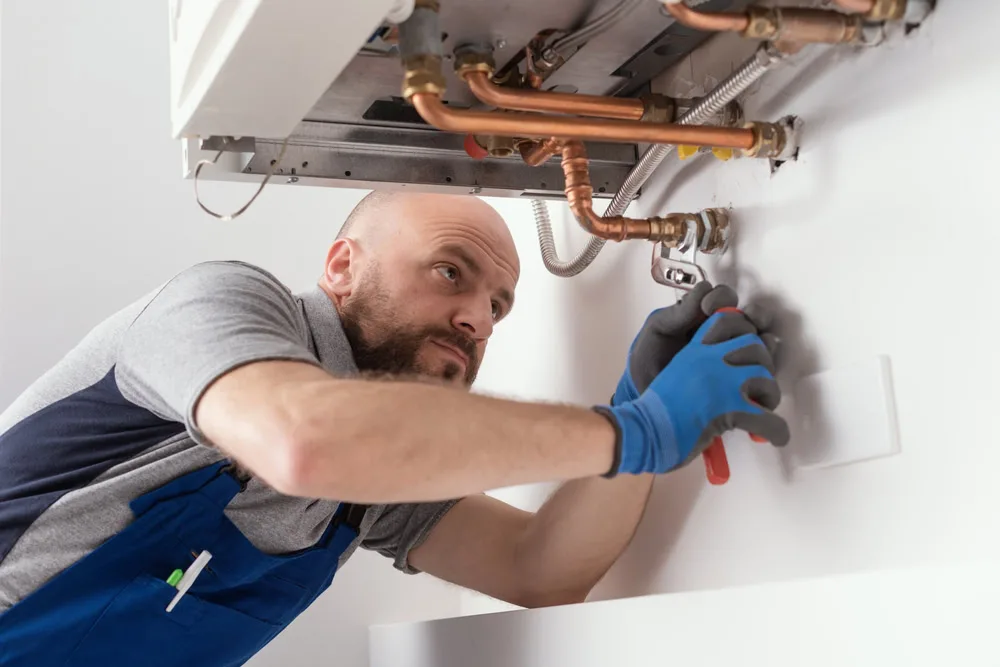
You call with a heating issue. We ask a few questions about what’s happening—no heat, strange noises, leaking, error codes—to understand what we’re walking into.
We schedule a visit, typically same-day for emergencies. The technician arrives with diagnostic tools and runs through the system to identify the problem. Could be a faulty circulator pump, a bad gas valve, a cracked heat exchanger, ignition problems, or a dozen other issues. Once we know what’s wrong, you get a clear explanation and an upfront price for the repair.
If you approve, we fix it. Most common failures get resolved on that visit because we stock the parts that fail most often. For less common components, we order what’s needed and schedule a follow-up. If the system is old and the repair cost is high, we’ll tell you whether replacement is the smarter financial move. You decide from there.
After the repair, we test the system to confirm it’s running properly. You get heat back, and you know what was fixed.
Ready to get started?
Every boiler repair estimate in Briarwood, NY starts with diagnosis. We identify what failed and why, then explain it in plain terms.
The repair itself covers the failed component—whether that’s replacing a circulator pump, fixing a gas valve, addressing a pressure issue, repairing a leaking pipe connection, or replacing an ignition system. Both gas and oil systems have different components and safety requirements, and our licensing covers both types.
Briarwood’s housing stock includes many buildings from the early 20th century. Steam systems are common in older co-ops and multi-family buildings. Hot water boilers are more typical in newer construction and single-family homes. We handle both. If you’re in a building with a central boiler system serving multiple units, we coordinate with building management and work within their requirements.
You also get honest guidance on whether the repair makes sense. A boiler that’s 20 years old with a cracked heat exchanger probably isn’t worth a $3,000 repair when a new system costs $5,000 and comes with a warranty. We’ll tell you that.
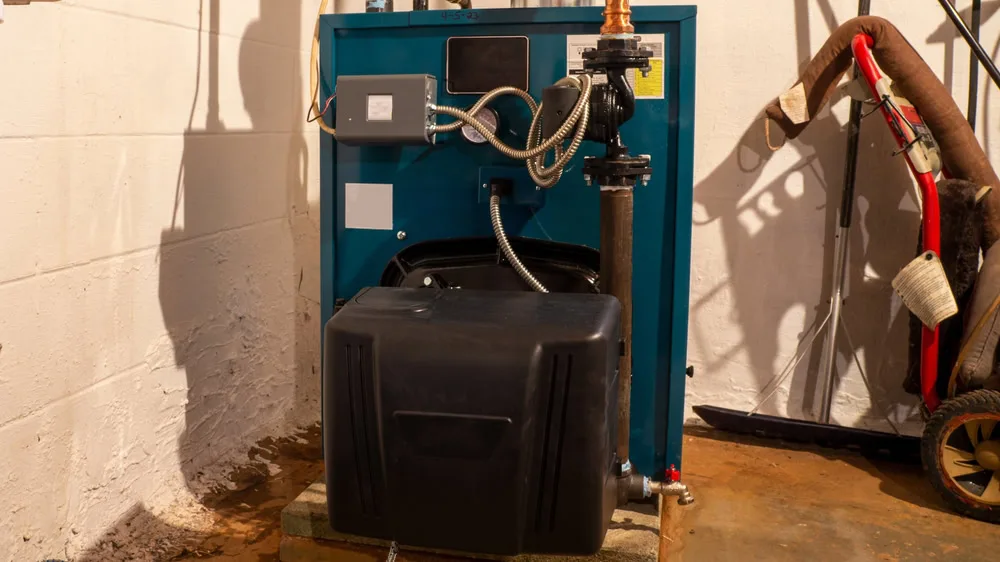
Most emergency calls get same-day service, often within a few hours during business hours. Response time depends on our current call volume and where our technicians are when you call.
During extreme cold snaps or after major storms, demand spikes across Queens. Everyone’s boiler is working harder, and older systems fail more frequently in those conditions. Response times can stretch longer during those peak periods, but we prioritize homes without heat.
If you call early in the day, your chances of same-day service improve. Evening and weekend calls still get addressed, but scheduling tightens up. When you call, we’ll give you a realistic timeframe based on the current schedule, not a vague promise.
It depends on what failed, how much the repair costs, and how much life the system has left. A $300 repair on a 17-year-old boiler that’s been reliable makes sense. A $2,500 repair on that same boiler probably doesn’t.
Here’s the math that matters: if the repair cost is more than half the price of a new system, replacement usually wins. New boilers are more efficient, which lowers your heating bills. They come with warranties. You’re not gambling on whether another expensive component fails next year.
If your boiler has needed multiple repairs in the past few years, that’s another signal. Frequent breakdowns mean the system is wearing out across the board. You’re not fixing one problem—you’re delaying the inevitable. We’ll walk through the numbers with you and give you our honest recommendation based on what we see. You make the call from there.
Yes. Our technicians are licensed for both gas boiler repair and oil boiler repair in Briarwood, NY, and we carry parts and diagnostic equipment for both fuel types.
Gas systems are more common in newer installations, but plenty of older homes and buildings in Briarwood still run on oil. The two systems have different components, different maintenance needs, and different failure points. A gas boiler might have issues with the gas valve or ignition system. An oil boiler could have problems with the burner, fuel pump, or oil filter.
We’ve worked on enough of both types throughout Queens to know what typically goes wrong and how to fix it. If you’re not sure which type you have, we can identify it when we arrive. The fuel source is usually obvious once we look at the system.
We’re familiar with co-op building requirements in Briarwood and throughout Queens. Most co-op boards require contractors to carry specific insurance coverage, provide proof of licensing, and coordinate with building management for access and scheduling.
We handle that documentation regularly. You or your building management can request our insurance certificates and license information before we start work. We’re used to working within building schedules, coordinating with supers, and following building-specific protocols for contractor access.
If your building has a central boiler system that serves multiple units, repairs typically need approval from the co-op board or management company. We can provide repair estimates and recommendations to help with that approval process. For individual unit boilers in co-op buildings, the process is simpler, but we still coordinate with building management as needed.
Circulator pump failures are near the top of the list. The pump moves hot water through the system, and when it fails, you get no heat even though the boiler is firing. These pumps wear out over time, especially in systems that run hard during cold winters.
Pressure issues are common too. Boilers need to maintain specific pressure levels to work properly. Low pressure usually means there’s a leak somewhere or the pressure relief valve is failing. High pressure can indicate a faulty expansion tank or a problem with the pressure-reducing valve.
Ignition problems show up frequently in both gas and oil systems. Gas boilers might have a bad igniter or flame sensor. Oil boilers could have issues with the burner, electrodes, or fuel delivery. Thermostat failures, zone valve problems, and leaking pipes round out the usual suspects. Many of these repairs are straightforward if you catch them early. Let them go too long, and secondary damage makes the repair more expensive.
Simple repairs like replacing a thermostat or fixing a pressure issue might run a few hundred dollars. Mid-range repairs—circulator pumps, zone valves, gas valves—typically fall in the $400 to $800 range depending on the part and labor involved.
Major component replacements get more expensive. A heat exchanger, if it’s even worth replacing on an older system, can push into the thousands. Burner replacements on oil systems, control board failures, or extensive pipe repairs also drive costs up.
The honest answer is that we can’t quote a repair price until we diagnose the problem. Different failures require different parts and different amounts of labor. When we arrive, we’ll identify what’s wrong, explain what needs to happen, and give you a clear price before we start work. No surprises on the bill. If the repair cost seems high relative to the system’s age and condition, we’ll tell you that too and discuss whether replacement makes more sense.