

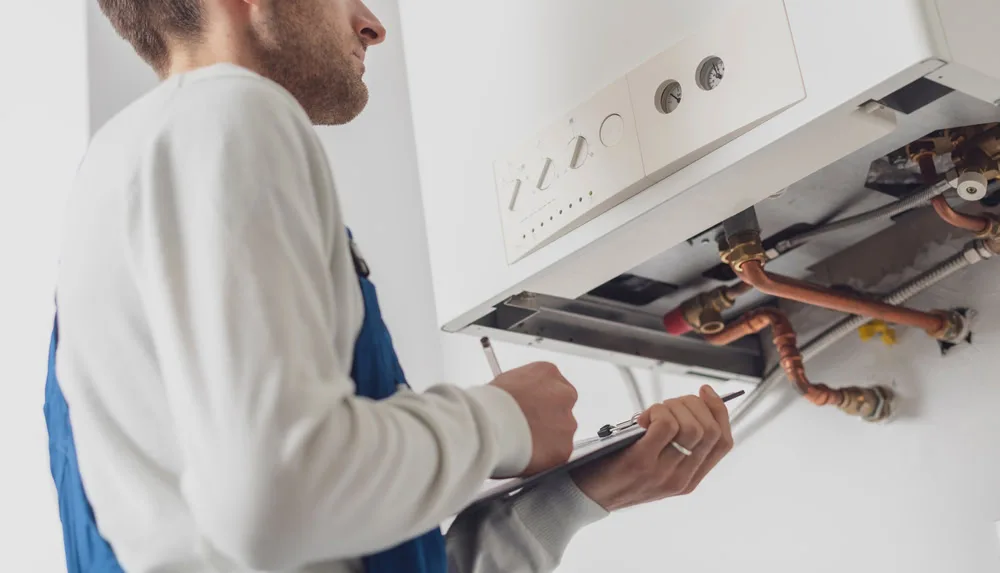
When your boiler quits during a Long Island winter, you don’t have time to wait around for callbacks or next-week appointments. You need someone who picks up the phone, shows up the same day, and actually fixes the problem.
Most emergency calls in Cove Neck get a response within a few hours. Our trucks carry common boiler parts, so you’re not stuck waiting days for an order to come in while your family bundles up indoors.
Whether you’re dealing with a gas boiler that won’t fire or an older oil system that’s acting up, we get the work done right the first time. No guessing. No return trips. Just heat back on so you can stop worrying about frozen pipes and uncomfortable nights.
We’ve spent over 30 years handling boiler repairs throughout Nassau County. That’s three decades of emergency calls, tricky diagnostics, and systems that needed real expertise to get running again.
Our technicians are fully licensed and insured to work on both gas and oil heating systems across New York State. We understand the mix of older oil boilers and newer gas conversions you’ll find in North Shore homes like those in Cove Neck.
You’re not getting a sales pitch about upgrades you don’t need. You’re getting an honest assessment of what’s wrong, what it’ll cost to fix, and whether repair even makes sense given your boiler’s age and condition.
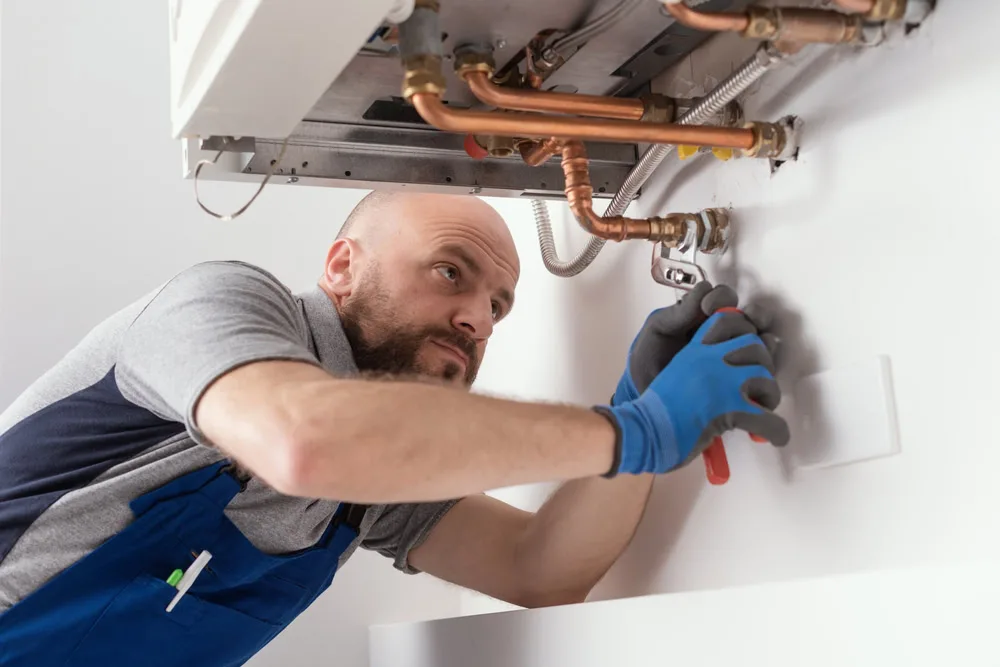
You call with a heating problem. Someone picks up and asks the right questions to understand what’s happening with your system. If it’s an emergency and your home has no heat, you move to the front of the line.
A licensed technician arrives the same day in most cases. We diagnose the issue, explain what’s wrong in plain language, and give you an upfront price before any work starts. No surprises on the bill later.
If it’s a common repair, there’s a good chance the part is already on the truck. The fix happens right then. If it’s something more complex, you’ll know exactly what needs to happen next and how long it’ll take. During peak heating season, homes without heat get priority.
Once the repair is done, we make sure everything is running properly before we leave. You get heat back, and you know what to watch for going forward.
Ready to get started?
Every boiler repair service in Cove Neck, NY starts with a complete diagnostic to pinpoint the actual problem. You’re not paying for guesswork. We test components, check pressure levels, inspect the heat exchanger, and look at the venting system.
Common repairs include fixing ignition problems, replacing faulty thermostats, addressing circulator pump failures, repairing zone valves, and fixing leaks. For gas boiler repair, that means checking burners, gas valves, and safety controls. For oil systems, it includes cleaning or replacing nozzles, checking the oil pump, and inspecting the combustion chamber.
Long Island’s coastal climate creates specific challenges. Salt air accelerates corrosion on boiler components. The local water has minerals that cause buildup inside heat exchangers and pipes. These aren’t problems you’ll see everywhere, but they’re common enough in Cove Neck that we know exactly what to look for.
If your boiler is older and efficiency has dropped, you’ll get an honest conversation about whether continued repairs make financial sense or if replacement would save you more money long-term. The average Long Island household spends $400-500 annually on boiler maintenance and repairs, but that number climbs fast when you’re constantly patching up a system that’s past its prime.
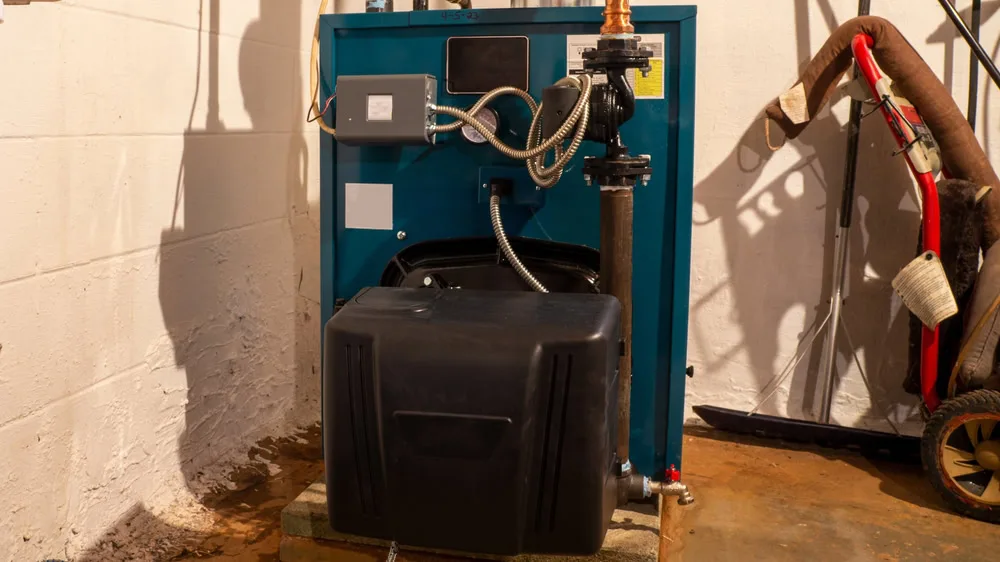
Most emergency calls in Cove Neck get a response within a few hours on the same day. When you call with no heat during winter, that’s treated as a priority.
The response time depends on the current call volume and where the nearest available technician is located. During the first cold weeks of the season, call volume spikes because systems that sat idle all summer suddenly fail under the workload.
If your home has no heat and temperatures are dropping, you move to the front of the line. Our goal is always to get someone there fast and get your heat back on before the situation gets worse.
Yes. Our technicians are licensed to work on both gas boiler repair and oil heating systems throughout New York State. Cove Neck has a mix of both, with some older homes still running oil boilers and others that have converted to natural gas over the years.
Each fuel type has its own common failure points. Gas boilers typically have issues with ignition systems, gas valves, or pressure problems. Oil boilers deal more with nozzle clogs, pump failures, and combustion chamber issues.
Having experience with both means you’re not waiting around to find someone who actually knows your specific system. Our diagnostic process is thorough regardless of fuel type, and our trucks carry parts for both.
It depends on the age of your boiler, the cost of the repair, and how efficient your current system is. If your boiler is over 20 years old and needs a major repair that costs more than a third of a replacement, replacement usually makes more financial sense.
Older boilers lose efficiency over time. A well-maintained modern gas boiler operates at 92-98% efficiency, while a neglected or aging system might drop to 70-80%. That difference shows up directly on your energy bill every month during Long Island’s heating season.
You’ll get an honest assessment during the service call. If repair makes sense, that’s what we recommend. If you’re throwing good money after bad on a system that’s going to keep breaking down, we’ll tell you that too. Our goal is helping you make the right financial decision, not pushing you toward the most expensive option.
The most common cause is lack of maintenance. Boilers that sit idle all summer and then get fired up when temperatures drop often fail within the first few weeks of cold weather. Small issues that could have been caught during a fall tune-up turn into full breakdowns when the system is suddenly working hard.
Cove Neck’s coastal location creates additional challenges. Salt air accelerates corrosion on metal components. Local water has minerals that build up inside the heat exchanger and reduce efficiency. Temperature swings from ocean breezes create thermal stress on the system.
Older boilers also struggle with worn-out parts. Circulators fail, zone valves stick, thermostats lose calibration, and heat exchangers develop leaks. These are normal wear items, but they tend to fail at the worst possible time—when you actually need heat.
The cost depends entirely on what’s wrong. A simple fix like replacing a thermostat or resetting a tripped safety control might run a few hundred dollars. A more involved repair like replacing a circulator pump, zone valve, or gas valve typically costs more.
Emergency repairs during weekends or after hours cost more than scheduled service calls. That’s standard across the industry. The average Long Island household spends $400-500 annually on boiler maintenance and repairs, but emergency calls can exceed $600 for even simple repairs.
You’ll always get an upfront price before any work begins. No surprises on the bill later. If the repair cost is high relative to your boiler’s age and condition, you’ll get an honest conversation about whether the repair makes financial sense or if you’re better off considering replacement.
Yes. Most emergency boiler repairs could have been avoided with annual maintenance. A fall tune-up catches small problems before they become expensive emergencies and ensures your system is ready when cold weather hits.
During a maintenance visit, we clean components, test safety controls, check for leaks, inspect the heat exchanger, measure combustion efficiency, and replace worn parts before they fail. This keeps your boiler running reliably and extends its lifespan significantly.
Regular maintenance also keeps your energy bills lower. Efficiency drops by 5-10% each year without proper service, which translates to hundreds of extra dollars each heating season on Long Island’s high energy costs. Preventive maintenance costs less than emergency repairs and gives you peace of mind that your heat won’t quit during the coldest weeks of winter.