
When your boiler quits on a 20-degree January night, you’re not thinking about efficiency ratings or brand comparisons. You need heat, now, and you need someone who knows what they’re doing to show up and fix it.
That’s what we do. We diagnose the actual problem—not just the symptom—and repair it with quality components that hold up through New York winters. No guessing, no upselling parts you don’t need, no callbacks because the fix didn’t stick.
You get consistent heat in every room, hot water that doesn’t run out halfway through a shower, and a system that runs quietly without the banging or hissing that wakes you up at 3am. Most importantly, you get peace of mind knowing your boiler won’t quit again the next time temperatures drop.
We’ve been handling boiler repair in Hollis Hills, NY for over 30 years. That’s three decades of frozen pipes, failed circulators, cracked heat exchangers, and every other way a boiler can quit on a homeowner during winter.
We’re a family-run operation, which means when you call, you’re talking to people who actually care whether your heat gets fixed today or next week. Our technicians are licensed, they know New York building codes, and they understand what Queens winters do to heating systems that aren’t maintained properly.
We’ve seen how Hollis Hills homes—many built decades ago with original boiler systems—start showing their age around the 15-year mark. We know which brands hold up and which ones nickel-and-dime homeowners with constant repairs. That knowledge matters when you’re deciding whether to repair or replace.
You call or contact us with the problem—no heat, strange noises, leaking water, whatever’s going on. We ask a few questions to understand what you’re dealing with and schedule a time that works for you. Emergency situations get priority, especially during cold snaps when every hour without heat matters.
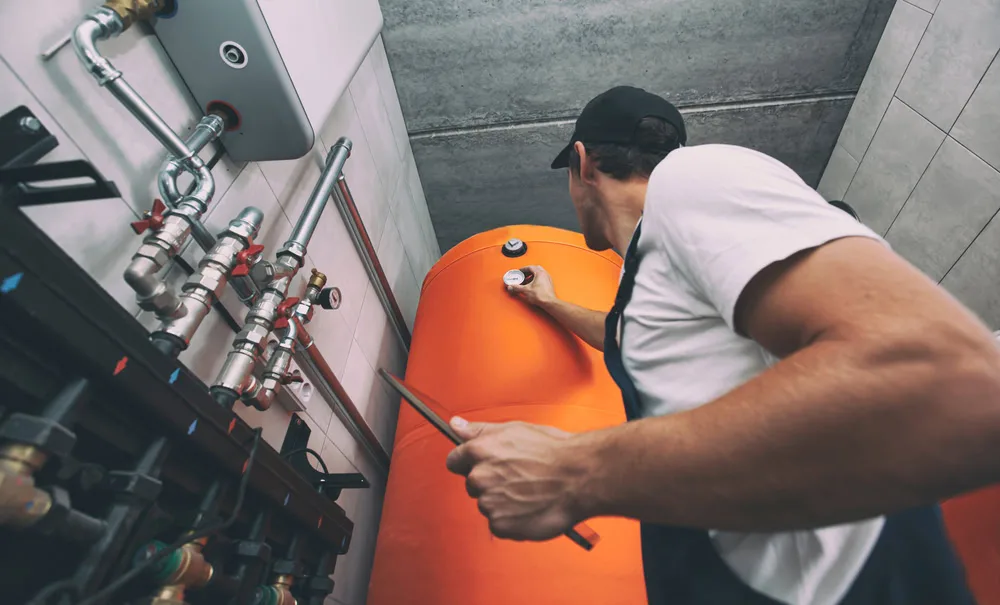
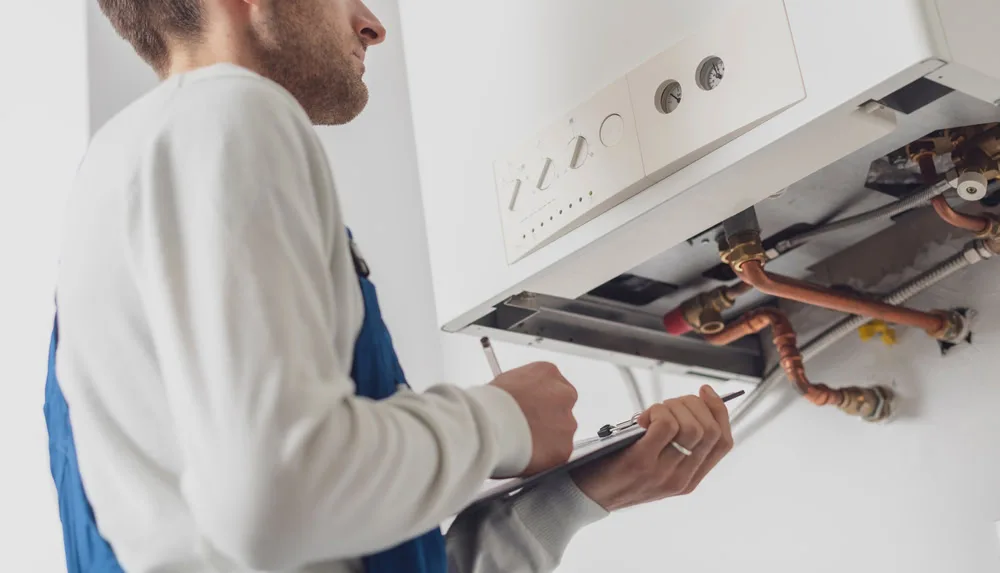
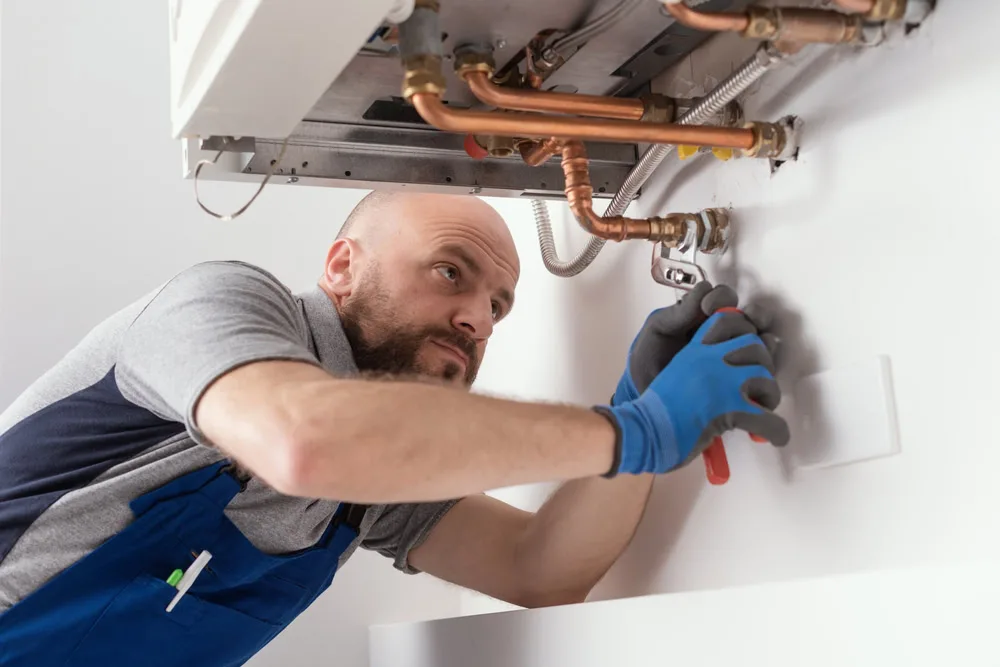
Our technician shows up with the tools and common parts needed for most repairs. They run diagnostics to find the root cause—checking the thermostat, inspecting the pressure, testing the circulator pump, examining the heat exchanger, and looking at the ignition system. Once they identify the problem, they explain what’s broken, what it’ll cost to fix, and how long the repair will take.
After you approve the work, they make the repair using quality components designed for the job. Before they leave, they test the entire system to make sure it’s heating properly, check for leaks, verify the pressure is correct, and confirm your thermostat is communicating with the boiler. You don’t pay until everything’s working the way it should.
Ready to get started?
Our boiler repair service in Hollis Hills, NY covers the full range of issues that cause heating systems to fail or run inefficiently. We handle gas boiler repairs, hot water boiler repairs, and steam systems common in older Queens homes.
That includes fixing circulation pumps that stop moving hot water through your radiators, replacing faulty pressure relief valves that leak, repairing or replacing heat exchangers that crack from age and corrosion, fixing ignition systems that won’t light, addressing thermostat communication problems, and stopping water leaks before they damage your floors or walls. We also handle strange noises—the banging, whistling, and hissing sounds that signal serious problems if left unchecked.
Hollis Hills has a mix of newer and older homes, and we’ve worked on both. Older systems often need parts that aren’t stocked at big-box stores, which is why we carry inventory for common repairs. Newer high-efficiency boilers have different issues—usually electronic controls or sensors—that require diagnostic equipment and training to fix correctly.
Most boiler repairs in the area run between $350 and $950 depending on what’s broken and whether it’s an emergency call during a winter storm. We give you a clear estimate before starting work so you know what you’re paying for.
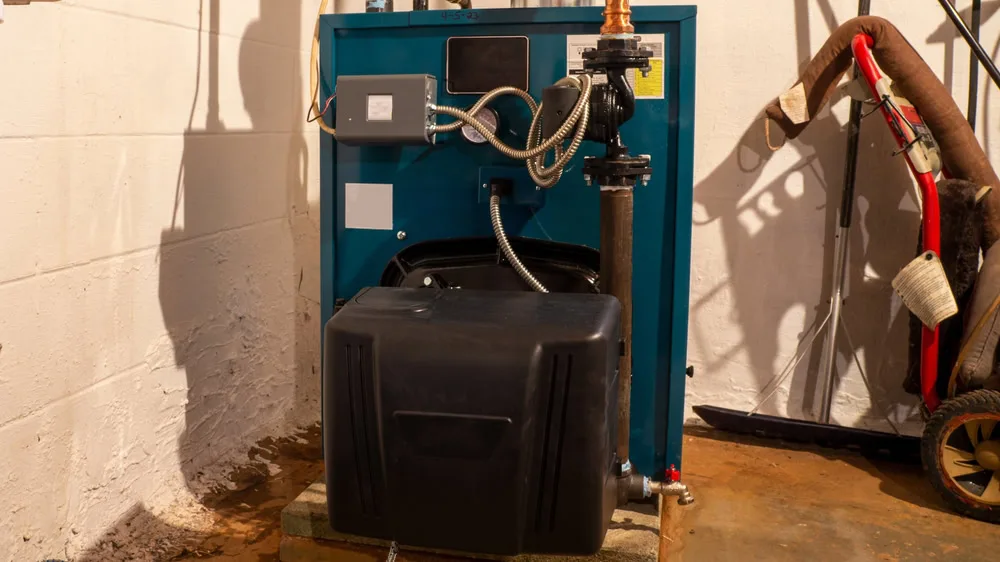
Most residential boiler repairs in Hollis Hills, NY cost between $350 and $950, depending on what’s broken and how complex the fix is. Simple repairs like replacing a faulty thermostat or fixing a minor leak fall on the lower end. More involved work like replacing a circulator pump, repairing a heat exchanger, or fixing ignition system problems costs more.
Emergency repairs during winter storms or after-hours calls typically cost more than scheduled service. That’s standard across the industry because technicians are responding outside normal hours when parts suppliers are closed and conditions are harder to work in.
The best way to avoid expensive emergency repairs is annual maintenance before heating season starts. A tune-up costs a fraction of an emergency repair and catches small problems before they become big ones. Most boiler breakdowns happen during the first cold snap of the year because systems that sat idle all summer aren’t ready for the workload.
The most common boiler problems we see in Hollis Hills, NY are circulation pump failures, pressure relief valve leaks, ignition system malfunctions, and thermostat communication issues. Older homes—especially those with original boilers over 15 years old—also deal with cracked heat exchangers and corroded pipes.
Circulation pumps move hot water through your radiators or baseboard heaters. When they fail, some rooms stay cold while others heat normally. You might hear the boiler running but feel no heat coming through. That’s usually a dead giveaway the pump quit.
Pressure relief valves leak when pressure builds up beyond safe levels, often due to a faulty expansion tank or overfilled system. Ignition problems prevent the boiler from firing up at all—you’ll have no heat and possibly hear clicking sounds as the system tries and fails to light. Thermostat issues cause the boiler to run constantly, not run at all, or cycle on and off too frequently.
Strange noises like banging, whistling, or hissing usually signal sediment buildup, air in the lines, or pressure imbalances. These aren’t just annoying—they indicate problems that can damage your system if ignored.
Most boiler repairs in Hollis Hills, NY take between one and three hours once our technician arrives and diagnoses the problem. Simple fixes like replacing a thermostat, bleeding air from the lines, or adjusting pressure settings take an hour or less.
More complex repairs like replacing a circulator pump, fixing a heat exchanger leak, or repairing ignition components take two to three hours. That includes diagnostics, the actual repair work, and testing the system to make sure everything’s working correctly before we leave.
Some repairs require ordering specific parts that aren’t in stock. Older boiler models or specialized components might take a day or two to source. In those situations, we’ll let you know upfront and do everything possible to get you temporary heat while we wait for parts.
Emergency repairs during winter storms take priority. If your boiler quits when it’s 20 degrees outside, we’re not making you wait three days. We respond as quickly as possible and focus on getting your heat back on first, even if that means a temporary fix until we can complete a permanent repair.
If your boiler is under 15 years old and the repair costs less than a third of replacement cost, repair it. If it’s over 15 years old, needs frequent repairs, or the fix costs more than half of what a new boiler would cost, replacement makes more sense financially.
Boilers typically last 15 to 20 years with proper maintenance. Once they hit that age range, efficiency drops, parts become harder to find, and repairs get more frequent. You might fix one problem only to have another part fail three months later. At that point, you’re throwing money at a system that’s nearing the end of its useful life.
Energy efficiency matters too. Older boilers run at 70-80% efficiency, meaning 20-30% of your fuel costs go up the chimney as wasted heat. Modern high-efficiency boilers run at 90-95% efficiency, cutting your heating bills significantly over time. In Hollis Hills, NY, where winter heating costs are substantial, that efficiency difference adds up quickly.
We’ll give you an honest assessment of whether repair or replacement makes sense for your situation. We’re not in the business of selling you a new boiler if yours has years of life left, but we’re also not going to let you waste money repairing a system that’s going to fail again next month.
Yes, we handle emergency boiler repair in Hollis Hills, NY when your heat goes out during cold weather. We prioritize emergency calls because we know how quickly a house gets dangerously cold when temperatures drop into the teens or twenties.
Emergency service costs more than scheduled repairs—that’s standard across the industry. You’re paying for immediate response, after-hours availability, and technicians who drop what they’re doing to get your heat back on. But when your boiler quits at 8am on a January morning and it’s 20 degrees outside, the extra cost is worth not freezing for three days waiting for a regular appointment.
The best way to avoid emergencies is annual maintenance before heating season. Most emergency calls we get during the first cold snap of the year could have been prevented with a fall tune-up. Small issues that take 20 minutes to fix during maintenance become full-blown emergencies when they fail at the worst possible time.
If you do have an emergency, call us right away. Don’t wait to see if the problem fixes itself or try DIY repairs on a gas boiler. Boilers involve natural gas, high pressure, and high temperatures. Mistakes can be dangerous. Let licensed technicians handle it safely.
Schedule boiler maintenance once a year, ideally in early fall before heating season starts. Annual maintenance catches small problems before they become expensive repairs or emergency breakdowns during winter.
During a maintenance visit, we inspect all major components, clean the heat exchanger, check the pressure, test the thermostat, examine the circulator pump, verify the ignition system is working properly, and look for signs of corrosion or leaks. We also test safety controls to make sure your boiler shuts down properly if something goes wrong.
Regular maintenance extends your boiler’s lifespan and keeps it running efficiently. Sediment buildup, dirty components, and minor issues that develop over time reduce efficiency and force your boiler to work harder than necessary. That increases fuel costs and accelerates wear on parts.
In Hollis Hills, NY, where winters are harsh and heating systems run for months straight, maintenance isn’t optional if you want reliable heat. We see the difference between maintained and neglected boilers every winter. Maintained systems run smoothly and rarely break down. Neglected ones fail during the coldest weeks of the year when you need them most.