
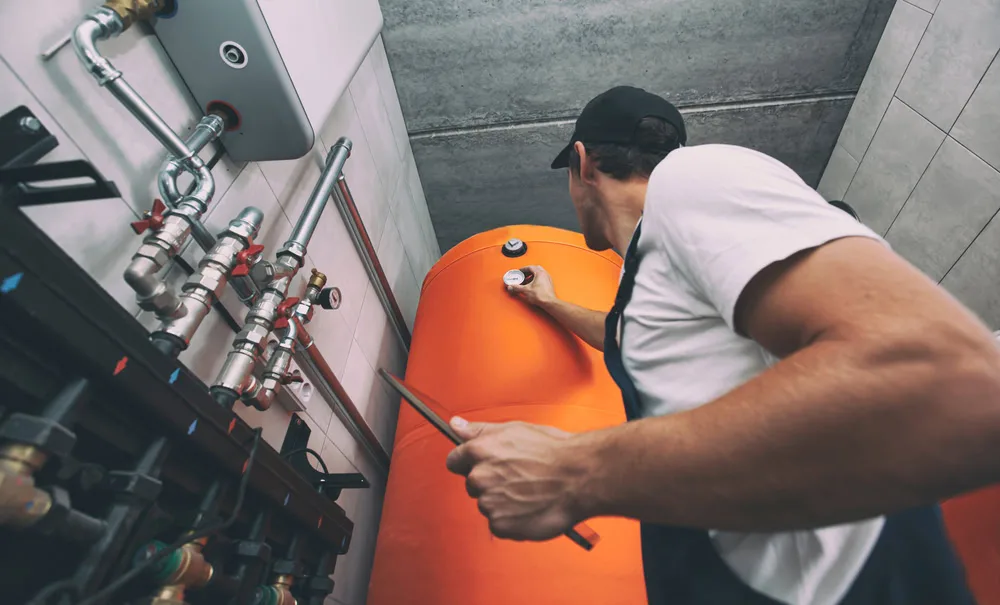
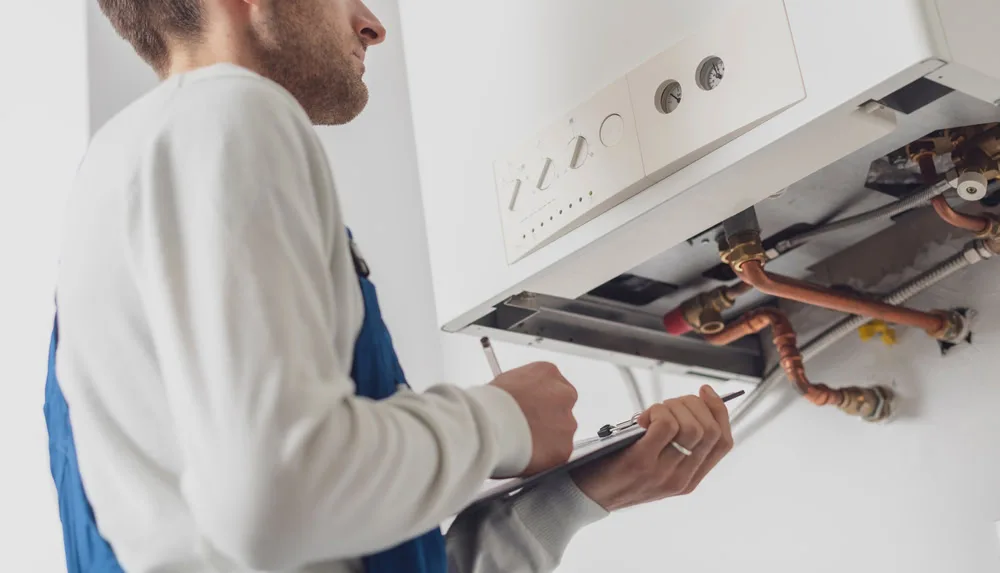
You’re not looking for a heating lecture. You need your boiler running before pipes freeze or your family spends another night piling on blankets.
Here’s what actually matters: a technician who can diagnose the issue in minutes, not hours. Someone who carries the right parts and knows how boilers in older Inwood homes behave during harsh winters. And pricing you can see upfront, not after the work’s done.
Most boiler problems show warning signs weeks before they fail completely. Strange noises, uneven heating, or your system cycling on and off constantly. Catching these early means a $300 repair instead of a $1,200 emergency call at 2 AM. That’s the difference between maintenance and crisis mode.
When your system does go down, response time matters. Every hour without heat in January isn’t just uncomfortable—it’s a risk. Frozen pipes can burst. Your home gets colder. The repair gets more complicated.
We handle residential and commercial heating throughout Long Island. We’re licensed, insured, and we actually test your system—not just glance at it and call it good.
You’ll find us working on everything from old oil boilers in historic Inwood homes to newer gas systems in commercial buildings. We know what breaks, why it breaks, and how Long Island’s coastal humidity and winter weather affect your equipment differently than systems inland.
Our technicians run complete digital combustion analysis on every service call. You get a printout showing your system’s efficiency percentage and exactly what’s working or failing. No guessing. No “looks fine to me” and walking away. If we’re going to charge you for a service call, you’re getting real diagnostic work.
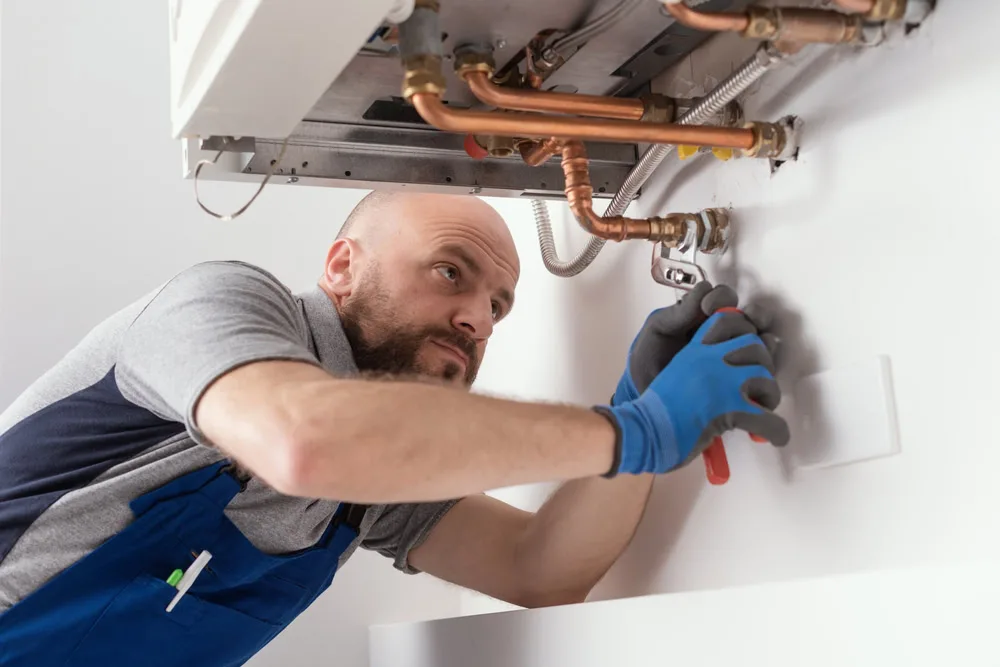
First, we actually answer the phone. You talk to someone who can help you, not a voicemail system.
If it’s an emergency—no heat, strange smells, visible smoke—we prioritize getting someone to you the same day. For routine maintenance or non-emergency repairs, we schedule a time that works for you and show up when we say we will.
Once we’re there, we run diagnostics before we touch anything. That means testing combustion efficiency, checking for carbon monoxide, inspecting the heat exchanger, and looking at how your system cycles. We’re looking for the actual problem, not just the obvious symptom.
You get an explanation of what’s wrong in plain language. Then you get a price for fixing it. If you approve, we handle the repair right there if we have the parts. If it’s something unusual, we’ll tell you exactly what we need to order and when we can come back.
After the repair, we test everything again. You’re not paying for a fix that might work—you’re paying for heat that does work.
Ready to get started?
Every boiler repair service in Inwood, NY starts with a full system diagnostic. We test combustion efficiency, check gas pressure on gas boilers, inspect the ignition system, and look for any safety issues like carbon monoxide leaks.
For Inwood homeowners, this matters more than you might think. Older homes here often have boilers that have been “repaired” multiple times by contractors who didn’t actually fix the root cause. You end up calling someone new every winter because the last guy just reset the system and charged you $200.
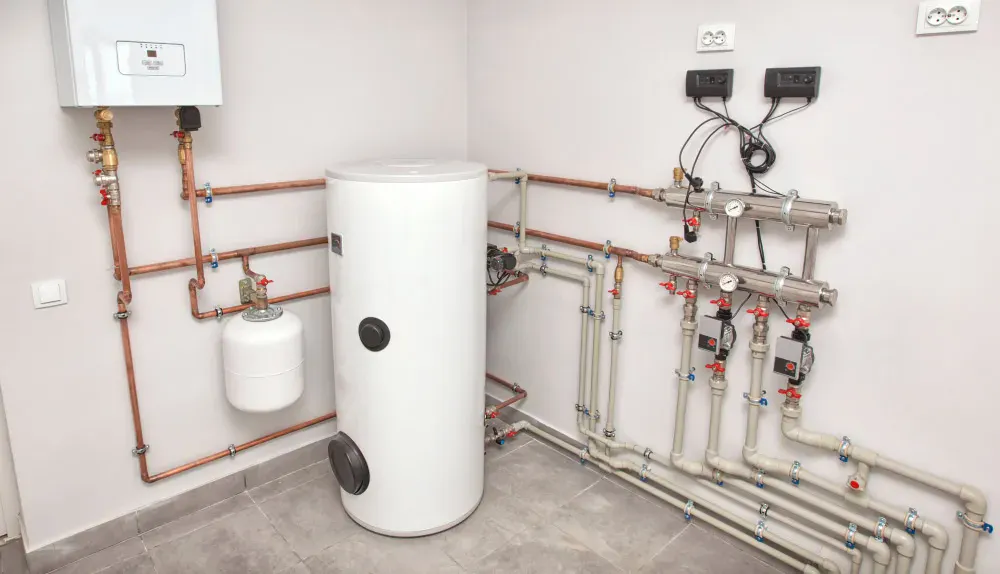
We’re checking things like your circulator pump, expansion tank, pressure relief valve, and thermostat wiring. On hot water boiler systems, we’re making sure water’s flowing properly and your zones are heating evenly. On steam systems, we’re looking at your condensate return and making sure pressure stays where it should.
Long Island’s heating season runs hard from October through May. Your boiler’s working almost nonstop during January and February. That kind of continuous operation means small issues—a failing circulator, a clogged filter, a worn gasket—turn into complete breakdowns fast. Catching them during a service call saves you from an emergency repair that costs 40-60% more.
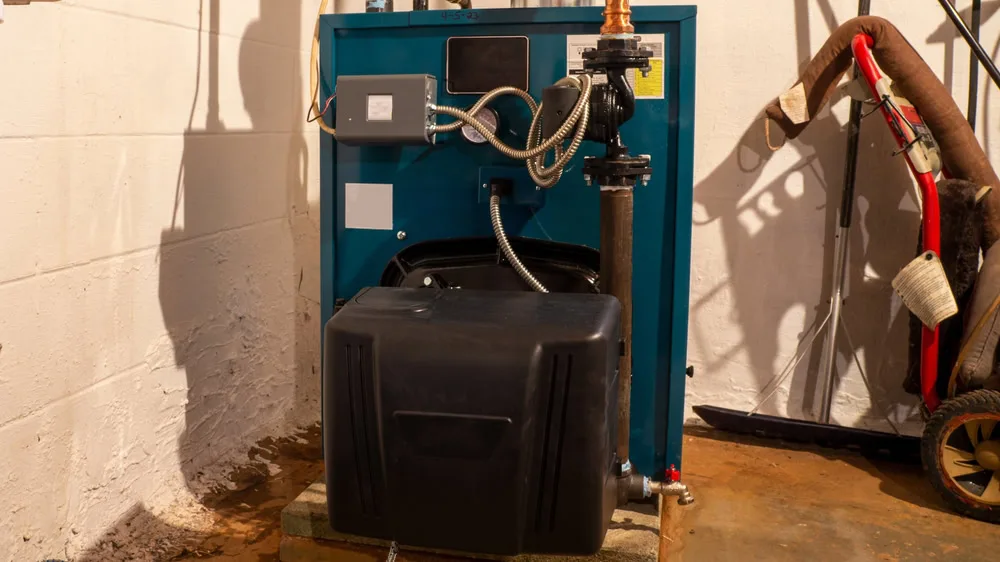
Most standard boiler repairs in Inwood run between $300 and $800 depending on what’s broken and what parts you need. A simple fix like replacing a circulator pump or a pressure relief valve sits on the lower end. Something more involved like a control board replacement or a zone valve repair costs more.
Emergency calls during winter—especially nights and weekends—typically cost 40-60% more than scheduled service. That’s why catching problems early during a maintenance visit matters. You’re looking at $200-400 for annual maintenance versus $1,200+ for an emergency breakdown in January.
If your boiler’s old and needs frequent repairs, you’re better off replacing it. Once annual repair costs hit $800-1,200, you’re throwing money at a system that’s going to fail anyway. A new boiler runs $8,000-15,000 installed, but modern systems cut your heating costs by 25-40% and you’re not dealing with constant breakdowns.
Most boiler repairs take 1-3 hours once we’re at your home. Simple fixes like replacing a thermostat or resetting a safety control take under an hour. More complex repairs like replacing a circulator pump, fixing a zone valve, or addressing a pressure issue take 2-3 hours.
The diagnostic process takes 30-45 minutes. We’re running combustion analysis, checking all safety controls, and testing how your system cycles. Skipping this step is how you end up with the same problem next month.
If we need to order a part, we’ll tell you upfront. Some older boiler models use components that aren’t sitting on our truck. We’ll give you a timeline for when we can get the part and come back to finish the job. For emergency situations where you have no heat, we’ll often install a temporary fix to get you running while we order what you actually need.
Circulator pump failures top the list. These pumps move hot water through your system, and they run constantly during winter. After 10-15 years, they wear out. You’ll notice some rooms aren’t heating or your boiler runs but you’re not getting heat.
Pressure issues come next. Your boiler needs to maintain proper pressure to work correctly. If pressure drops too low, the system shuts down as a safety measure. If it climbs too high, your pressure relief valve opens and you’re leaking water. Both problems point to issues with your expansion tank or a leak somewhere in the system.
Ignition problems hit gas boilers hard, especially during extreme cold. Your igniter or pilot light fails, and the system won’t fire up. Sometimes it’s the igniter itself, sometimes it’s a dirty flame sensor, sometimes it’s a gas valve issue. This is where actual diagnostic work matters—throwing parts at the problem without testing just wastes your money.
Inwood’s coastal location means humidity affects boilers differently here. Corrosion happens faster. Electrical components fail sooner. If your boiler’s in a basement that gets damp, you’re fighting rust and mineral buildup constantly.
If your boiler’s under 10 years old and this is your first major repair, fix it. If it’s over 15 years old and you’re calling for repairs every year, replace it.
Here’s the math that matters: older boilers run at 70-80% efficiency at best. New high-efficiency models hit 90-95%. For a typical Inwood home spending $2,800 annually on heating, that efficiency gain saves you $600-800 per year. A new boiler pays for itself in 10-12 years just on fuel savings, and you’re not dealing with constant repairs.
Age isn’t the only factor. If your heat exchanger is cracked, you’re replacing the boiler. That’s not a repair—it’s a safety issue. Cracked heat exchangers can leak carbon monoxide into your home. Same thing if your boiler’s leaking water constantly or if you’re seeing visible rust through the cabinet.
One more thing: if you’re spending $1,000+ on repairs for a boiler that’s already 12-15 years old, you’re just delaying the inevitable. That repair might buy you another year, but you’ll be replacing it soon anyway. Better to do it on your timeline in the fall than during an emergency in January when prices are higher and availability is limited.
Yes. When your heat goes out during winter, we prioritize getting someone to you the same day. We can’t guarantee a specific arrival time because emergency calls depend on who’s already in crisis mode, but we respond as quickly as possible.
Emergency service costs more than scheduled maintenance—that’s standard across the industry. You’re paying for immediate availability and priority response. But when it’s 20 degrees outside and your family has no heat, the premium is worth it.
The best way to avoid emergency calls is catching problems before they become emergencies. That’s why we recommend annual maintenance in the fall before heating season starts. We’re checking everything that typically fails, testing safety controls, and making sure your system’s ready for months of continuous operation. Most emergency breakdowns in January started as small issues in November that nobody noticed.
If you do need emergency service, call us directly. Explain what’s happening—no heat, strange smells, visible smoke, whatever you’re seeing. That helps us know what to bring and how urgent the situation is.
First, check your thermostat. Make sure it’s set to heat mode and the temperature setting is higher than your current room temperature. Sounds basic, but it’s the most common “repair” we make.
Next, check your circuit breaker. Boilers need power to run even if they’re gas-fired. If the breaker tripped, reset it. If it trips again immediately, don’t keep resetting it—that’s a sign of an electrical problem and you need a technician.
Look at your boiler’s pressure gauge. Most systems should read between 12-15 PSI when cold, 18-22 PSI when hot. If pressure’s below 10 PSI, your system likely shut down as a safety measure. Some boilers have a manual fill valve you can use to add water and restore pressure. If you’re not comfortable doing this, call us.
Check for error codes. Many modern boilers have a digital display showing a code when something’s wrong. Write down that code before you call—it helps us diagnose the problem faster and bring the right parts.
Do you smell gas? If you smell gas anywhere near your boiler, get everyone out of the house and call the gas company immediately. Don’t try to fix it yourself. Don’t turn lights on or off. Just get out and call from outside.